Source Linen Fabric Baby Book for Schools, Gifts, and Play
Compare 30 Linen Fabric Baby Book options featuring soft covers, hard covers, and sound recording functions. These educational toys are designed for children aged 3-8 years and include tear-resistant, eco-friendly materials with ASTM and EN71 certifications; compare the available evidence and request quotations based on your requirements.
Key considerations
Products List


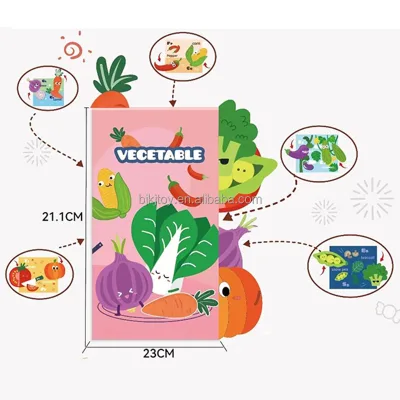
Book Eco Friendly Learning Educational Baby Cloth Book Waterproof Baby Cloth Book
$0.90 - $1.20
MOQ: 1000 Pieces


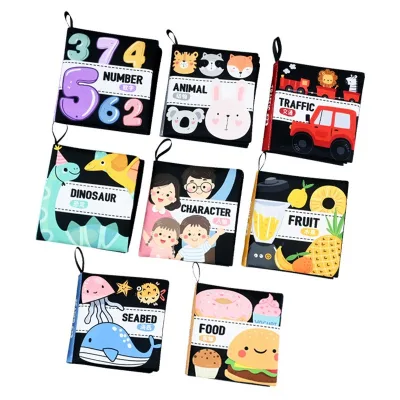


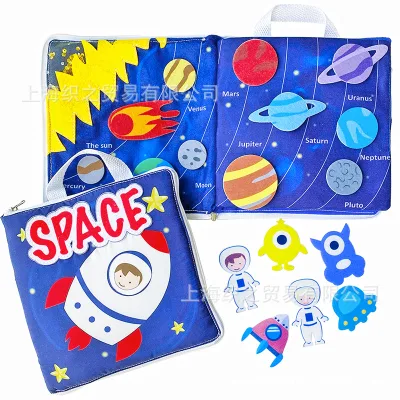
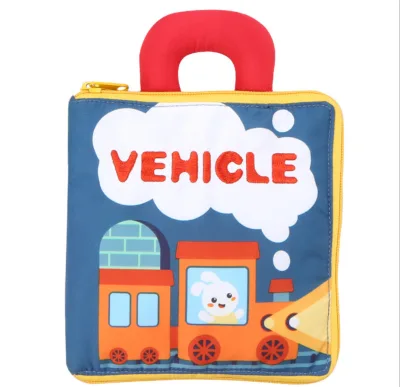
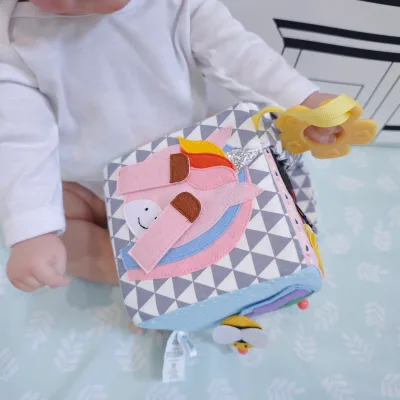
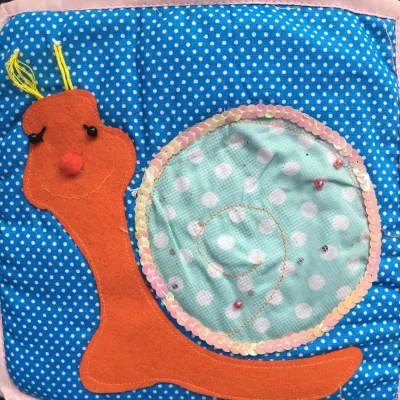
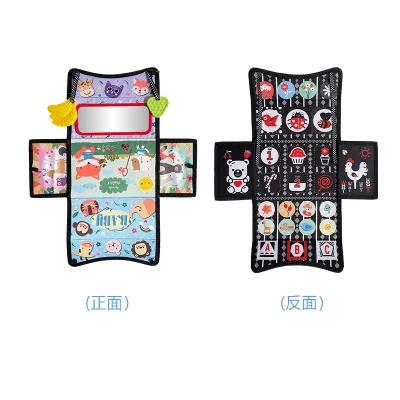
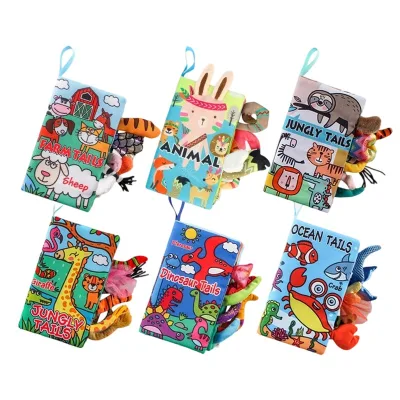
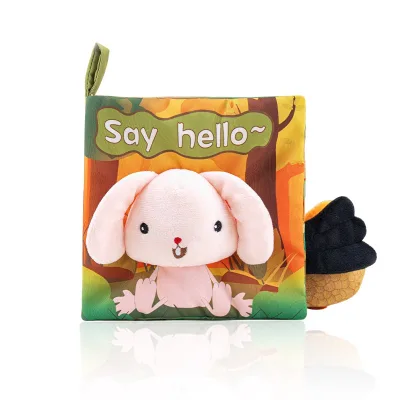

Comprehensive Sourcing Guide
Linen Fabric Baby Book Sourcing Guide
Sourcing linen fabric baby books requires a nuanced understanding of material durability, safety compliance, and educational utility. These products serve as tactile learning tools for infants and toddlers, combining soft, breathable textiles with durable construction to withstand frequent handling. Buyers must distinguish between true linen blends and synthetic alternatives that mimic the aesthetic but lack the functional benefits of natural fibers. The procurement process involves evaluating suppliers who specialize in both textile manufacturing and educational toy production, ensuring that the final product meets rigorous safety standards for young children.
The market for these items is characterized by a wide range of customization options, from shape and size to interactive features like sound recording or music playback. Procurement teams need to assess whether a supplier can handle complex assembly processes, such as integrating electronic components into soft fabric structures without compromising safety. Additionally, the environmental impact of materials is a growing concern, with many buyers seeking eco-friendly options that are tear-resistant and free from harmful deformations. Understanding these dynamics is crucial for selecting suppliers who can deliver high-quality, compliant, and market-ready products.
Product Scope and Observed Listing Signals
The observed product landscape includes a variety of educational toys and books, with specific models like xy-045 and xy-051 featuring cloth or fabric materials. These items are often designed for children aged 3-8 years, though some may cater to younger infants with softer, more durable fabrics. The product types range from educational books with sound recording capabilities to simple cloth books with line shapes. Buyers should note that while some listings specify "linen," many use broader terms like "cloth" or "fabric," requiring careful verification of the actual material composition to ensure it meets the desired quality and safety standards.
Price points vary significantly, ranging from $0.22 to $31.50, reflecting differences in complexity, material quality, and customization levels. Minimum order quantities (MOQs) also fluctuate, from as low as 1 unit for samples to 3000 units for bulk production. This variability suggests that suppliers offer flexible terms for different buyer needs, from small-scale testing to large-scale distribution. Buyers should analyze these signals to determine the most cost-effective sourcing strategy, considering factors like shipping costs, tariffs, and the potential for long-term partnerships with suppliers who can scale production as demand grows.
Technical Specifications to Verify
When evaluating technical specifications, buyers must prioritize material integrity and construction quality. The supplied data indicates that products may be made from fabric, with some specifying "linen" or "cloth" types. It is essential to verify the exact fiber content, as "linen" can sometimes refer to a blend rather than 100% flax. Additionally, the surface finish, such as film lamination, can affect durability and ease of cleaning. Buyers should request samples to test for tear resistance and deformation, ensuring that the books can withstand the rough handling typical of young children without falling apart or developing sharp edges.
Dimensions and binding methods are also critical technical factors. Listings show various standard sizes, such as 10.5x9.5cm or 22x12cm, allowing for customization based on target age groups and usability. Binding types, including spiral binding or soft/hard covers, impact the book's longevity and ease of use. For fabric books, the stitching quality is paramount; loose threads or weak seams can pose choking hazards. Buyers should specify their preferred dimensions and binding styles in the purchase order and conduct pre-shipment inspections to ensure that the final products match these technical requirements precisely.
Compliance and Safety Documentation
Safety compliance is non-negotiable for baby products, and buyers must ensure that suppliers provide valid certification documents. The observed listings mention ASTM F963-96a and EN71 certifications, which are critical for the US and European markets, respectively. These standards cover physical and mechanical properties, flammability, and chemical safety, ensuring that the books are safe for children to handle and chew on. Buyers should verify that the certifications are current and issued by accredited laboratories, and that they specifically cover the materials and components used in the fabric books, including any electronic parts if applicable.
Beyond standard certifications, buyers should inquire about additional safety features and testing protocols. For instance, if the books include sound recording or music functions, the electronic components must also meet relevant safety standards to prevent overheating or battery leakage. It is advisable to request test reports for heavy metals, phthalates, and other harmful substances, especially if the fabric is dyed or printed. Buyers should also consider third-party inspections to verify that the production process adheres to these safety guidelines, reducing the risk of non-compliant products reaching the market and causing potential harm to children.
Cost Drivers and Commercial Terms
Several factors influence the cost of linen fabric baby books, including material quality, customization complexity, and order volume. High-quality linen or blended fabrics are more expensive than synthetic alternatives, and intricate designs or custom shapes can increase production costs. Additionally, features like sound recording or music playback add to the overall price due to the inclusion of electronic components and assembly labor. Buyers should negotiate based on these variables, seeking volume discounts for larger orders while ensuring that cost reductions do not compromise material quality or safety standards.
Commercial terms, such as payment methods, shipping arrangements, and lead times, also play a significant role in the total cost of ownership. Buyers should clarify whether prices are FOB, CIF, or DDP, as this affects responsibility for shipping and insurance costs. Lead times can vary based on production complexity and supplier capacity, so it is important to establish clear timelines and penalties for delays. Additionally, buyers should consider the cost of quality control inspections and potential returns, factoring these into their budget to ensure a profitable and risk-managed procurement process.
Supplier Qualification and Quality Control
Selecting the right supplier involves a thorough qualification process that assesses their manufacturing capabilities, quality control systems, and ethical practices. Buyers should verify the supplier's experience in producing fabric books and their ability to handle custom orders. This includes evaluating their production facilities, equipment, and workforce training. It is also important to check their track record for on-time delivery and customer satisfaction, as these factors indicate reliability and professionalism. Suppliers who can provide references or case studies from similar clients are often a safer choice for long-term partnerships.
Quality control measures should be integrated into the procurement process from the outset. Buyers should establish clear quality standards and inspection criteria, including visual checks for stitching, material consistency, and print quality. Pre-production samples should be approved before bulk manufacturing begins, and in-process inspections can help identify and correct issues early. Final random inspections should be conducted before shipment to ensure that the products meet all specified requirements. By implementing a robust quality control system, buyers can minimize the risk of defects and ensure that their customers receive high-quality, safe, and durable fabric books.
Long-Term Procurement Checks
Long-term success in sourcing linen fabric baby books requires ongoing monitoring and relationship management. Buyers should regularly review supplier performance metrics, such as delivery times, defect rates, and responsiveness to issues. This data can help identify areas for improvement and inform decisions about contract renewals or supplier diversification. Additionally, buyers should stay informed about changes in safety regulations and market trends, ensuring that their products remain compliant and competitive. Building a strong relationship with suppliers can lead to better pricing, priority production, and collaborative innovation, benefiting both parties in the long run.
Sustainability and ethical sourcing are increasingly important considerations for long-term procurement strategies. Buyers should assess their suppliers' environmental practices, such as waste management, energy usage, and use of eco-friendly materials. Certifications like GOTS or OEKO-TEX, if applicable, can provide assurance that the materials are produced responsibly. By prioritizing sustainable and ethical practices, buyers can enhance their brand reputation and meet the growing consumer demand for environmentally conscious products. Regular audits and continuous improvement initiatives can help ensure that suppliers adhere to these standards, contributing to a more sustainable and resilient supply chain.
FAQs
What materials are used for the Linen Fabric Baby Book?
The product uses fabric material with a cloth paper type for durability. It is designed to be tear resistant and eco-friendly without deformation. This ensures the book remains safe and sturdy for young children during active play sessions.
Which certifications does the Linen Fabric Baby Book hold?
The item holds ASTM F963-96a and EN71 certifications for safety compliance. These standards ensure the product meets rigorous international safety requirements for toys. Buyers can verify these specific certifications when sourcing for quality assurance in their supply chain.
Can the Linen Fabric Baby Book be customized for buyers?
Yes, customization is available for this educational toy product. Buyers can request specific features or designs to meet their unique market needs. This flexibility allows for tailored solutions while maintaining the core educational and durable fabric construction.
What is the minimum order quantity for linen fabric baby books?
The observed minimum order quantity ranges from 1 to 3000 units depending on the specific model. Buyers should check the exact MOQ for their selected product model before placing an order. This range accommodates both small trial orders and large bulk procurement needs.
How is the Linen Fabric Baby Book packed for shipping?
The product is packed in cartons or cardboard cartons for safe transport. This packaging method protects the soft cover or hard cover books during international shipping. Proper packing ensures the items arrive in good condition ready for distribution to schools or retail stores.
What age group is the Linen Fabric Baby Book suitable for?
The product is designed for children aged 3 to 8 years. It serves as an educational book with features like sound recording and music. This age range ensures the content and physical durability match the developmental needs of young learners.
Where is the Linen Fabric Baby Book manufactured?
The product originates from China, with some items specifically from Fujian. This location indicates the manufacturing base for the fabric and educational book components. Buyers can expect standard lead times and logistics associated with sourcing from this region.