Source Lined Adjustable Wooden Watch Box for Travel, Display, and Storage
Find and compare 30 Lined Adjustable Wooden Watch Box options from verified suppliers. Evaluate features like MDF construction, glossy finishes, and custom logo printing to select the ideal storage solution for your jewelry or exhibition needs.
Key considerations
Products List


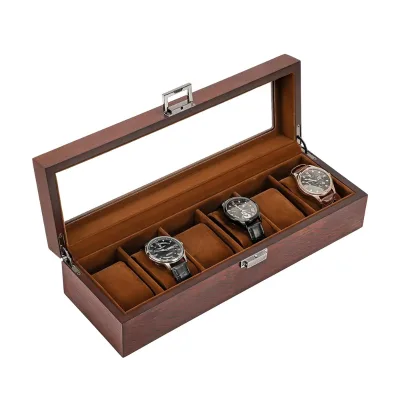


Custom Wooden Watches Collection Organizer Storage Box Reusable Wooden Watch Case Box
$15.00 - $18.00
MOQ: 100 Pieces

Custom Wooden Watches Collection Organizer Storage Box Reusable Wooden Watch Case Box
$15.00 - $18.00
MOQ: 100 Pieces

Custom Wooden Watches Collection Organizer Storage Box Reusable Wooden Watch Case Box
$15.00 - $18.00
MOQ: 100 Pieces

Wooden Watch Box for Watch and Strap Luxury Lacquer Watch Boxes Cases Wood
$15.00 - $18.00
MOQ: 100 Pieces

High Glossy MDF Wood Watch Box Organizer Box Packaging Watch Box for Watches
$15.00 - $18.00
MOQ: 100 Pieces

Packaging Leather Travel Watch Case Lockable Wooden Stackable Decoration Storage Box with Lid
$15.00 - $18.00
MOQ: 100 Pieces


Comprehensive Sourcing Guide
Lined Adjustable Wooden Watch Box Sourcing Guide
Sourcing lined adjustable wooden watch boxes requires a careful balance between aesthetic appeal, functional protection, and commercial viability. These storage solutions are designed to secure timepieces while showcasing them, making them popular for retail display, personal collection organization, and promotional gifting. The core challenge for buyers lies in verifying that the "adjustable" mechanism actually accommodates various watch sizes without compromising the structural integrity of the wood or the softness of the lining. Furthermore, the term "wooden" can be ambiguous in global supply chains, ranging from solid hardwoods to engineered wood products like MDF or plywood, each offering different durability profiles and cost structures. Buyers must therefore look beyond surface-level descriptions to understand the material composition and the specific engineering of the internal compartments.
This guide provides a structured approach to evaluating suppliers and products in this category. It focuses on interpreting observed market signals, verifying technical specifications, and ensuring compliance with safety and quality standards. By adhering to the evidence-based insights provided, procurement professionals can mitigate risks associated with material misrepresentation, poor craftsmanship, and non-compliant finishes. The goal is to equip buyers with the knowledge to ask the right questions, request appropriate documentation, and select suppliers who can deliver consistent quality for both small-batch custom orders and larger commercial volumes.
Product Scope and Observed Listing Signals
The current market for lined adjustable wooden watch boxes exhibits a wide range of material compositions and design variations. Observed listings indicate that products labeled as "wooden" may utilize various grades of wood, including high-grade solid wood, middle-grade engineered wood, or MDF (Medium Density Fiberboard). For instance, some suppliers offer boxes with a rosewood or walnut wood color finish, which may be achieved through veneers or paint rather than solid wood construction. Buyers should be aware that the visual appeal of a rosewood or walnut finish does not necessarily correlate with the underlying material strength. It is crucial to distinguish between solid wood products and those made from composite materials, as this distinction significantly impacts durability, weight, and price. The presence of customization options, such as logo printing or specific color choices, suggests that many manufacturers are equipped to handle branded orders, which is a key consideration for corporate gifting or retail branding initiatives.
Functional attributes also vary significantly across listings, with some products featuring glossy or matte finishes, while others offer high-gloss surfaces. The internal lining is a critical component, with some boxes featuring leather interiors for a premium feel, while others may use synthetic materials. Observations show that some products are marketed for jewelry usage, indicating versatility in storage, while others are specifically designed for exhibition shows or household use. The shape of the box, whether rectangular or square, and the number of slots, often fewer than six, influence the capacity and display potential. Additionally, features such as waterproofing or antitheft mechanisms are not standard across all products; some listings explicitly state that boxes are not waterproof or not antitheft, which is vital information for buyers storing valuable items in less controlled environments. Understanding these specific attributes helps buyers align their procurement needs with the correct product specifications.
Technical Specifications to Verify
When evaluating technical specifications, buyers must prioritize the verification of material grade and construction quality. The term "wood" encompasses a broad spectrum of materials, from solid hardwoods to MDF and plywood. Buyers should request detailed material breakdowns to confirm whether the box is made from solid wood, veneered wood, or engineered wood products like MDF. The grade of the wood, whether high, middle, or otherwise, directly affects the box's longevity and resistance to warping or cracking. Additionally, the type of finish, such as glossy, matte, or high-gloss, should be verified for durability and resistance to scratches and moisture. For boxes with leather interiors, the type of leather and its attachment method should be confirmed to ensure it does not degrade or detach over time. These material details are essential for assessing the overall quality and suitability of the product for its intended use.
Adjustability and compartment design are other critical technical aspects to verify. Buyers should inquire about the mechanism used for adjusting the watch holders, whether it involves elastic bands, removable dividers, or adjustable straps. The flexibility of this mechanism determines how well the box can accommodate different watch sizes and strap materials. Furthermore, the dimensions of the box and its internal slots should be measured and compared against the buyer's inventory. Some listings provide specific dimensions, such as 30x12x8cm or 32x12x8cm, which can serve as a reference point. However, buyers should always request actual product samples or detailed technical drawings to confirm these measurements. The gross weight of the product, often less than 0.5 kg for smaller boxes, is also an important factor for shipping cost calculations and handling logistics.
Compliance and Safety Documentation
Compliance with safety and environmental standards is paramount when sourcing wooden products, particularly those intended for consumer use or promotional purposes. Buyers should verify that suppliers adhere to relevant international standards for wood processing and finishing. This includes checking for certifications related to formaldehyde emissions, especially for products made from engineered wood like MDF, which may use adhesives that release volatile organic compounds (VOCs). While some listings may mention FSC certification, buyers should treat this as a background signal and request valid, up-to-date certification documents from the supplier. Ensuring that the wood is sourced from sustainable and legally harvested forests is not only a regulatory requirement in many markets but also a key component of corporate social responsibility initiatives.
In addition to environmental compliance, buyers must ensure that the finishes and linings used in the watch boxes meet safety standards for consumer products. This includes verifying that paints, varnishes, and adhesives are free from harmful substances such as lead, mercury, or other heavy metals. For boxes with leather interiors, buyers should confirm that the tanning process complies with regulations regarding chromium and other chemicals. It is also important to check for any specific safety warnings or instructions provided by the supplier, such as choking hazards for small parts or flammability ratings. By demanding comprehensive compliance documentation, buyers can protect their brand reputation and avoid potential legal liabilities associated with non-compliant products.
Cost Drivers and Commercial Terms
Several factors influence the cost of lined adjustable wooden watch boxes, with material composition and customization being primary drivers. Solid wood boxes, particularly those made from premium hardwoods, will naturally command a higher price than those made from MDF or plywood. The type of finish, such as a high-gloss lacquer or a hand-applied matte coat, also adds to the production cost. Customization options, including logo printing, specific color matching, and unique packaging, further increase the unit price. Buyers should be prepared for higher costs if they require bespoke designs or small batch sizes, as these often involve additional setup fees and lower economies of scale. Understanding these cost drivers allows buyers to make informed trade-offs between quality, customization, and budget.
Commercial terms, including MOQ (Minimum Order Quantity) and lead times, are also significant considerations. Observed MOQs range from 10 to 500 units, reflecting the flexibility of suppliers to accommodate both small and large orders. However, lower MOQs may come with higher per-unit costs. Lead times can vary depending on the complexity of the order, the availability of materials, and the supplier's production capacity. Buyers should negotiate clear delivery schedules and penalties for delays to ensure timely receipt of goods. Additionally, payment terms, such as deposits and balance payments, should be aligned with industry standards to manage cash flow and risk. By carefully evaluating these commercial terms, buyers can optimize their procurement strategy and secure favorable conditions.
Supplier Qualification and Quality Control
Supplier qualification is a critical step in ensuring the reliability and consistency of lined adjustable wooden watch boxes. Buyers should conduct thorough due diligence on potential suppliers, including verifying their business licenses, production capabilities, and quality management systems. It is advisable to request samples of previous work to assess the craftsmanship, finish quality, and functionality of the adjustable mechanisms. Suppliers with a proven track record in exporting to the buyer's target market are often more reliable, as they are familiar with international shipping and compliance requirements. Additionally, checking for customer reviews or references can provide insights into the supplier's responsiveness and after-sales support.
Quality control measures should be established before production begins to minimize the risk of defects. Buyers should define clear quality standards, including acceptable tolerances for dimensions, finish defects, and material composition. Implementing pre-production samples and in-line inspections can help identify and rectify issues early in the manufacturing process. For final shipments, third-party inspection services can be employed to verify that the products meet the agreed-upon specifications. Buyers should also establish a clear process for handling defective goods, including return policies and compensation agreements. By prioritizing supplier qualification and robust quality control, buyers can ensure that they receive products that meet their expectations and maintain their brand integrity.
Long-Term Procurement Checks
Long-term procurement success depends on continuous monitoring and relationship management with suppliers. Buyers should regularly review supplier performance metrics, such as on-time delivery rates, product quality consistency, and responsiveness to issues. Establishing a periodic review process allows buyers to identify trends and address potential problems before they escalate. Building a strong relationship with the supplier can also lead to better pricing, priority production, and access to new product innovations. Buyers should maintain open communication channels and provide constructive feedback to help suppliers improve their offerings.
Additionally, buyers should stay informed about changes in market trends, regulations, and material availability that may impact the sourcing of wooden watch boxes. This includes monitoring developments in sustainable wood sourcing, new finishing technologies, and evolving consumer preferences for design and functionality. By staying proactive and adaptable, buyers can ensure that their procurement strategy remains aligned with their business goals and market demands. Regularly updating supplier qualification criteria and quality control protocols will help maintain high standards and mitigate risks over the long term. This ongoing diligence is essential for sustaining a reliable and efficient supply chain for lined adjustable wooden watch boxes.
FAQs
Can lined adjustable wooden watch boxes be customized with a logo?
Yes, customization with logo printing is available for these wooden watch boxes. Buyers can choose between options with or without logo printing depending on their branding needs. The products are designed to accommodate specific design requests, allowing for personalized presentation of luxury timepieces in a professional manner.
What materials are used for the inside of these watch boxes?
The inside material of these watch boxes is typically leather, providing a soft and protective surface for jewelry and watches. The exterior is constructed from high-grade wood or MDF, finished in colors like rosewood or walnut. This combination ensures durability for the outer shell while offering a premium feel for the interior lining.
What are the standard specifications for these wooden watch boxes?
Standard specifications vary by model, with dimensions such as 30x12x8cm, 32x12x8cm, and 11.5x10x7.5cm being common. The boxes are rectangular or square in shape and feature a glossy or matte finish. These dimensions are suitable for displaying single or multiple watches, catering to different storage and exhibition requirements.
Are these watch boxes suitable for indoor exhibition shows?
Yes, these wooden watch boxes are designed for indoor display places, including exhibition shows. They are not antitheft devices but serve as elegant presentation tools. The sturdy construction and attractive finishes make them ideal for showcasing jewelry and watches in retail environments or trade shows where visual appeal is paramount.
What is the typical packaging for these wooden watch boxes?
The typical packaging includes paper boxes or styrofoam plus box configurations to ensure safe transit. Each unit is often packed individually, such as one piece per box. This protective packaging helps prevent damage during shipping, ensuring that the wooden finish and internal leather lining arrive in pristine condition for the end user.
What is the origin and production location of these watch boxes?
These watch boxes originate from China, with specific production locations including Nanping. The manufacturing process utilizes high-grade wood or MDF materials, finished with color painting or glossy coatings. This origin ensures access to skilled craftsmanship and cost-effective production, meeting international standards for quality and design in wooden storage solutions.