Source Long Distance Inductive Proximity Sensor for Vehicle, ABS, Corridor
Find 30 Long Distance Inductive Proximity Sensor options from verified suppliers. Compare models like IPS-M08S02 and F3N-40TN20-N with features including IP67 protection, 12-24VDC supply, and NPN/PNP outputs for industrial automation; compare the available evidence and request quotations based on your requirements.
Key considerations
Products List


Wide Voltage Range Inductive Proximity Sensor for Multi Equipment Compatibility
$20.00 - $5000.00
MOQ: 1 Pieces


High Precision Inductive Proximity Sensor for Industrial Automation Equipment
$20.00 - $5000.00
MOQ: 1 Pieces


High Temperature Proximity Inductive Sensor with High Temperature 180º C
$20.00 - $25.00
MOQ: 5 Pieces


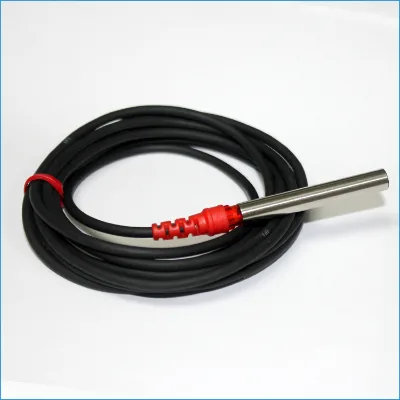

High Performance Inductive Proximity Sensor for Automation Applications
$100.00 - $110.00
MOQ: 1 Pieces


Comprehensive Sourcing Guide
Long Distance Inductive Proximity Sensor Sourcing Guide
Procuring long-distance inductive proximity sensors requires careful alignment between application demands and specific sensor principles. While the core keyword suggests extended detection ranges, the available data indicates a mix of technologies, including eddy current and infrared principles, with detection distances varying significantly from short ranges up to 40cm. Buyers must distinguish between true long-distance inductive units and other sensor types listed, such as ultrasonic or infrared switches, to ensure the selected component matches the physical requirements of the installation environment.
The observed product landscape includes diverse models like the IPS-M08S02 and F3N-40TN20-N, each serving distinct industrial needs from vehicle speed sensing to corridor monitoring. Sourcing strategies should prioritize verifying the specific detection mode, whether NPN or PNP, and the supply voltage compatibility, typically 12-24VDC, before finalizing orders. Understanding these technical nuances prevents mismatches between the sensor's physical capabilities and the intended automation system, ensuring reliable signal processing in complex machinery setups.
Product Scope and Observed Listing Signals
The current market listings reveal a broad spectrum of sensor configurations, ranging from metal-cased units with IP67 water resistance to specialized models designed for PLC integration. Buyers should note that while some products feature a standard metal construction, others utilize specific packaging like bubble bags or white boxes, which may indicate different handling requirements or intended end-user markets. The presence of customization options suggests that many suppliers can adapt wire lengths or casing materials to fit unique mechanical constraints.
Listing signals also highlight variations in switching rates and vibration sensitivity, with some units explicitly noted as not sensitive to vibration, a critical factor for high-speed machinery. The observed models include specific part numbers like IPS-D-2-M1255 and MPS, indicating a need for precise model verification rather than generic category selection. Procurement teams must scrutinize these specific identifiers to confirm that the listed product actually meets the long-distance requirement, as some entries may represent standard-range sensors mislabeled or grouped under broader search terms.
Technical Specifications to Verify
Technical due diligence must focus on the detection principle and distance capabilities, as the data shows a mix of eddy current and infrared technologies with varying effective ranges. Buyers should explicitly verify the detection distance, noting that some listed units offer a range of 0-40cm, which may not qualify as "long distance" depending on the specific application context. Confirming the input type, such as PLC compatibility, and the output configuration, whether NPN or PNP, is essential for seamless integration into existing control architectures without requiring additional signal conditioning hardware.
Further verification is required for environmental resilience, specifically the IP rating and operating voltage stability. The available data points to an IP67 rating for certain models, ensuring protection against dust and temporary immersion, which is vital for harsh industrial environments. Additionally, the supply voltage range of 12-24VDC with a 10% tolerance must be confirmed against the facility's power supply to prevent operational failures. Ensuring the sensor is shielded or unshielded as required by the mounting surface is another critical technical parameter that influences detection accuracy.
Compliance and Safety Documentation
Compliance verification is paramount when sourcing industrial sensors, as the listings indicate a variety of certifications including ISO, RoHS, and CE. Buyers must request current certification documents to confirm that the specific batch of sensors meets the regulatory standards required for their target market, particularly if exporting to regions with strict environmental or safety laws. The presence of multiple certifications in the data suggests that suppliers may offer different compliance levels depending on the model, necessitating a clear request for the specific certificate associated with the ordered part number.
Safety documentation should also address the warranty terms and the manufacturer's commitment to product reliability. The observed data mentions an 18-month warranty period, which serves as a baseline for expected product longevity and support coverage. Procurement teams should ensure that the warranty explicitly covers defects in materials and workmanship related to the sensor's core functions, such as the switching mechanism and internal circuitry. Clarifying the scope of this warranty prevents disputes regarding liability for premature failures caused by improper installation or environmental stressors beyond the sensor's rated specifications.
Cost Drivers and Commercial Terms
Cost structures for these sensors are influenced by factors such as material composition, customization levels, and the complexity of the internal circuitry. The data indicates that metal casing and specific waterproofing features like IP67 ratings can drive up the unit price compared to standard plastic alternatives. Additionally, the availability of OEM services and customized wire lengths or connector types introduces variable costs that must be factored into the total cost of ownership, especially for large-scale deployment projects requiring tailored solutions.
Commercial terms regarding minimum order quantities and lead times are critical for supply chain planning, as the observed data shows MOQs ranging from 1 to 100 units and lead times typically around seven days after payment. Buyers should negotiate these terms based on their production schedules, as the standard lead time may vary if custom modifications are requested. Understanding the payment terms and the flexibility of the supplier to accommodate urgent orders is essential for maintaining operational continuity and avoiding production delays caused by component shortages.
Supplier Qualification and Quality Control
Supplier qualification should prioritize manufacturers with a proven track record in producing sensors for specific applications like vehicle speed sensing and ABS systems. The data highlights origins in Shanghai and Hunan, China, indicating a concentration of manufacturing capabilities in these regions. Buyers should verify the supplier's quality control processes, including their adherence to ISO standards and their ability to provide consistent product performance across different batches. A robust quality assurance program ensures that every sensor meets the specified electrical and mechanical parameters before shipment.
Quality control checks must also include testing for vibration resistance and switching rate consistency, as these are key performance indicators for industrial sensors. The observed data notes that some units are not sensitive to vibration, a feature that should be validated through third-party testing or supplier-provided test reports. Establishing a clear protocol for incoming inspection, including visual checks for packaging integrity and functional testing of the detection range, helps mitigate the risk of receiving defective units that could compromise the entire automation system.
Long-Term Procurement Checks
Long-term procurement success depends on establishing a reliable supply chain that can adapt to evolving technical requirements and market conditions. Buyers should maintain regular communication with suppliers to stay informed about product updates, potential obsolescence, or improvements in sensor technology. The availability of customization and OEM services suggests that suppliers can support long-term projects, but this requires a proactive approach to managing product lifecycle changes and ensuring that replacement parts remain compatible with existing systems.
Continuous monitoring of supplier performance is essential to maintain high standards of quality and delivery reliability. Procurement teams should track key metrics such as defect rates, lead time adherence, and responsiveness to technical inquiries. By maintaining a structured review process, buyers can identify potential risks early and implement corrective actions to ensure a steady flow of high-quality sensors. This strategic approach fosters a partnership that supports operational efficiency and minimizes downtime in critical industrial applications.
FAQs
What is the detection distance for long distance inductive proximity sensors?
The detection distance ranges from 0 to 40 cm for specific models. This range supports various industrial applications requiring reliable object detection. Users should verify the exact specification for their chosen model to ensure it meets operational requirements.
Can these sensors operate in wet environments?
Yes, many models feature an IP67 waterproof rating. This protection ensures reliable performance in damp or dusty conditions. The metal case and sealed design prevent moisture ingress, making them suitable for harsh industrial environments and outdoor applications.
Which certifications are available for these sensors?
Available certifications include ISO, RoHS, and CE. These standards ensure compliance with international quality and safety regulations. Buyers can select models with specific certifications to meet regional regulatory requirements and ensure product reliability in global supply chains.
How is the power supply configured for these devices?
The voltage supply typically ranges from 12 to 24VDC with a 10% tolerance. This wide input range allows compatibility with various industrial control systems. The stable power requirement ensures consistent sensor performance across different operational voltage conditions.
What customization options are available for these sensors?
Customization is available for specific application needs. Buyers can request tailored specifications such as wiring configurations or detection modes. This flexibility allows for integration into unique industrial setups, ensuring the sensor meets precise operational requirements and system compatibility.
What is the typical lead time for orders?
The lead time is usually 7 days after payment is completed. This standard timeframe applies to most stock items. Buyers should confirm specific lead times for customized orders or large volume purchases to ensure timely delivery for their project schedules.