Source Long Lasting Moisturizing Lip Oil for Daily Care, Repair, and Glow
Compare 30 listings of Long Lasting Moisturizing Lip Oil designed for daily care, lip repair, and adding a natural glow. Buyers can review specifications, MOQs, and customization options from verified manufacturers in China.
Key considerations
Products List
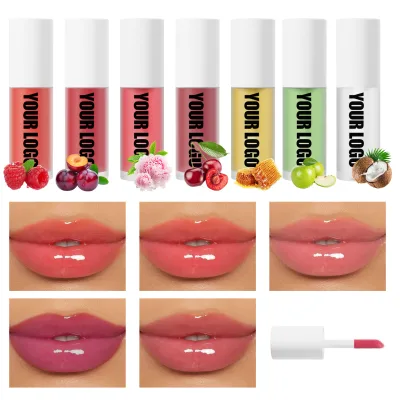
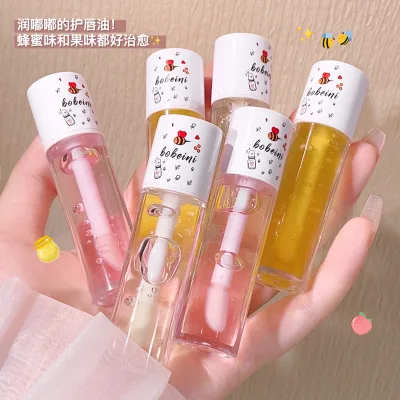
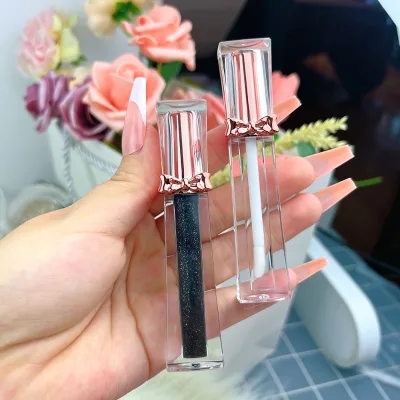


Bright Color Jelly-Like Lip Oil with Hydrating Formula for Daily Lip Care
$1.20 - $1.80
MOQ: 100 pieces


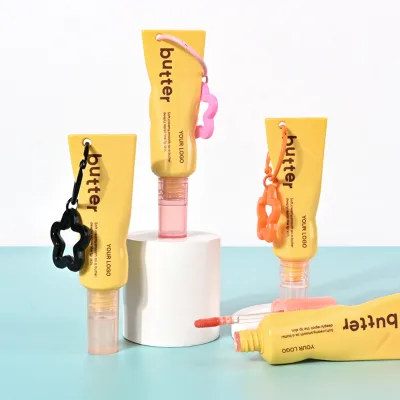


Cosmetics Moisturizing Soothing Super Glossy Hydrating Nourishing Lip Oil
$0.99 - $1.19
MOQ: 2000 Pieces


Beauty Cosmetics Lip Care Moisturizing and Hydrating Not Greasy Vegan Lip Oil
$1.20 - $2.50
MOQ: 100 Pieces

Beauty Cosmetics Skin Care Non-Sticky Lip Stain Plumping Lip Gloss Lip Oil
$1.00 - $2.00
MOQ: 100 Pieces

Beauty Cosmetics Skin Care Moisturizing Soften Increased Elasticity Lip Oil
$1.00 - $2.00
MOQ: 100 Pieces


Cosmetics Lip Plumper Enhancer Organic Natural Moisturize Essential Lip Oil
$1.85 - $2.20
MOQ: 100 Pieces


Comprehensive Sourcing Guide
Strategic Sourcing Guide for Long Lasting Moisturizing Lip Oil
Understanding Product Formulation and Functional Attributes
When sourcing long-lasting moisturizing lip oil, buyers must first distinguish between the product's physical form and its functional claims. The market offers variations where the primary vehicle is an oil-based formulation designed to deliver hydration without the heavy waxy feel of traditional balms. Based on available product data, the functional core of these items includes moisturizing, hydrating, and nourishing properties. These attributes are critical for buyers targeting consumers seeking daily care solutions that provide immediate relief and long-term lip health.
The physical state of the product is a key differentiator. Sourcing data indicates that these products exist in liquid or oil forms, often packaged in small volumes ranging from 2 grams to 3 milliliters. The "long-lasting" aspect of the keyword is often achieved through specific ingredient profiles, such as mineral-based or herbal ingredients, which help the oil adhere to the lip surface. While some listings highlight "waterproof" capabilities, buyers should verify this claim through independent testing, as the term can be subjective. The product form is typically liquid, which allows for the inclusion of various colorants and flavorings, such as raspberry, red plum, peony, cherry, honey, green apple, and coconut, catering to diverse consumer preferences.
A critical observation in the current market is the variation in packaging specifications. Some units are packaged as single items with dimensions around 8.1 x 2.6 x 2.6 cm, while others are more compact at 2 x 2 x 2 cm. This variance impacts logistics and shelf presentation. Buyers must align their packaging requirements with their brand identity, ensuring the single package size supports the "regular size" classification often seen in retail environments. The net weight is a precise specification; discrepancies between 2g and 3ml volumes suggest that density and formulation viscosity vary significantly between suppliers, which directly affects the perceived value and dosage per application.
Compliance, Certification, and Regulatory Standards
Navigating the regulatory landscape is essential for importing cosmetic products, particularly those claiming specific health benefits like hydration and nourishment. The supply chain for lip oils often involves rigorous certification requirements to ensure safety and quality. Verified product data lists several critical certifications, including GMPC, ISO, MSDS, FDA, and GMP. These certifications are not merely marketing tools but are indicators of a supplier's adherence to Good Manufacturing Practices and safety standards.
GMPC (Good Manufacturing Practice for Cosmetics) and GMP (Good Manufacturing Practice) ensure that the production environment is controlled to prevent contamination. ISO certification, potentially referencing ISO 22716 for cosmetics, indicates a standardized approach to quality management. However, buyers must treat these certifications as observations of specific suppliers rather than universal guarantees for every listed product. The presence of an MSDS (Material Safety Data Sheet) is particularly important for understanding the chemical composition and handling requirements of the oil, especially when the formulation includes herbal or mineral ingredients.
The FDA reference in the data suggests that some suppliers may have products registered or compliant with United States Food and Drug Administration regulations, though this should be verified on a per-product basis. For international trade, the place of origin is predominantly China, with specific mentions of Shanxi as a manufacturing hub. This geographic concentration implies a mature supply chain but also necessitates careful due diligence regarding local export regulations. Buyers should request copies of these certificates before placing orders to confirm that the specific batch being sourced meets the regulatory requirements of the destination market.
Cost Drivers and Economic Considerations
The economics of sourcing long-lasting moisturizing lip oil are influenced by several variables, including volume, customization, and packaging complexity. The observed market price range for these items is approximately 0.30 to 2.99 USD per unit. This wide range suggests that price is heavily dependent on the complexity of the formulation, the quality of ingredients (such as herbal vs. standard mineral bases), and the level of customization requested.
Minimum Order Quantity (MOQ) is a significant cost driver. Data indicates a broad spectrum of MOQs, ranging from as low as 3 pieces for sample or trial orders to 3,000 pieces for bulk production. Some suppliers set an MOQ of 50 pieces, which serves as a middle ground for small businesses. Buyers must balance the need for inventory against the capital tied up in stock. A lower MOQ allows for testing market response with minimal risk but often comes with a higher unit cost. Conversely, higher volumes typically reduce the per-unit price but increase the financial commitment.
Customization is another major factor affecting cost. The availability of OEM (Original Equipment Manufacturer) and ODM (Original Design Manufacturer) services allows buyers to create private label products. This service is listed as acceptable and available, but it inevitably adds to the production cost and lead time. The "fast delivery" advantage noted in some listings may come at a premium or require higher order volumes. Additionally, the shelf life of the product, typically cited as 3 years, influences inventory management strategies. A longer shelf life reduces the risk of obsolescence, allowing buyers to stock larger quantities without fear of the product expiring before sale.
Technical Specifications and Packaging Standards
Technical specifications define the physical characteristics that determine the usability and shelf life of the lip oil. The product form is consistently identified as liquid or oil, which requires specific packaging to prevent leakage and oxidation. The single package size varies, with common dimensions being 8.1 x 2.6 x 2.6 cm or a more compact 2 x 2 x 2 cm. These dimensions are crucial for logistics planning, as they determine the number of units that can fit in a standard shipping container.
The color options available in the market are extensive, ranging from specific fruit-inspired shades like Raspberry, Red Plum, and Cherry to generic moisturizing oil colors. Some listings indicate a "Single-Color" option, while others offer a spectrum of numbered colors. The colorant system must be compatible with the oil base to ensure stability. The "Single gross weight" is recorded as approximately 0.035 kg to 0.040 kg, which includes the product and its immediate packaging. This weight is vital for calculating shipping costs, especially for air freight where weight is a primary cost factor.
Packaging methods are standardized, often utilizing a "1 pcs/box" configuration. This single-item packaging is ideal for retail display but adds to the overall volume compared to bulk packing. The model numbers, such as 9905, ab2817, and L01, serve as unique identifiers for specific formulations or packaging styles. Buyers should ensure that the model number corresponds to the exact specifications required, as slight variations in the model can imply differences in the nozzle type, cap design, or viscosity of the oil.
Supplier Evaluation and Service Capabilities
Evaluating suppliers requires a focus on their service capabilities and flexibility. The market data highlights that OEM and ODM services are acceptable, allowing buyers to customize the product with their own branding and formulations. This flexibility is a strong indicator of a supplier's capability to act as a strategic partner rather than just a manufacturer. The availability of free samples is a significant advantage for buyers, enabling them to test the product's texture, scent, and moisturizing efficacy before committing to a large order.
After-sales service is another critical evaluation criterion. Suppliers that explicitly offer after-sales support demonstrate a commitment to customer satisfaction and long-term partnership. This service can include assistance with quality issues, returns, or technical support regarding the product's usage. The "fast delivery" attribute mentioned in the data suggests that some suppliers have optimized their logistics to reduce lead times, which is essential for maintaining inventory turnover.
When assessing suppliers, buyers should verify the consistency of their production capabilities. The variation in model numbers and packaging sizes indicates that suppliers may have multiple production lines or product tiers. It is important to confirm that the supplier can consistently deliver the specific model and specifications required. The place of origin, specifically Shanxi, China, suggests a concentrated manufacturing base, which can facilitate easier communication and quality control visits. However, buyers should also consider the supplier's experience with international shipping and their ability to handle the documentation required for customs clearance.
Quality Control and Long-Term Procurement Strategy
Implementing a robust quality control (QC) strategy is paramount for ensuring the safety and efficacy of long-lasting moisturizing lip oil. Given the product's application on the lips, which is a sensitive area, QC must focus on ingredient purity, microbial safety, and packaging integrity. The certifications mentioned earlier, such as GMPC and GMP, provide a baseline for quality, but buyers should also conduct their own third-party testing to verify claims regarding waterproofing, hydration, and shelf life.
The shelf life of 3 years is a standard benchmark, but buyers must verify the expiration dating practices of the supplier. Proper storage conditions are essential to maintain the oil's stability and prevent oxidation. The "Suitable for skin types: all skin types" claim should be backed by clinical or dermatological testing data, which buyers should request from the supplier. For long-term procurement, establishing a consistent relationship with a supplier who can maintain quality across batches is more valuable than chasing the lowest price.
Procurement strategy should also account for the variability in product attributes. The observation of different net weights (2g vs 3ml) and package sizes means that buyers must clearly define their requirements in the purchase order to avoid receiving the wrong specification. The "Thick, Moisture" feature noted in some listings suggests a specific viscosity that may be preferred by certain market segments. Buyers should ensure that the product they source aligns with their brand's positioning and customer expectations.
Market Applications and Consumer Segmentation
The primary application for long-lasting moisturizing lip oil is daily skin care, targeting consumers who prioritize lip health and aesthetics. The product is designed for female demographics, as indicated by the gender specification, but the universal appeal of lip care can extend to broader audiences. The "Repair Lips" function addresses consumers with dry or chapped lips, while the "Moisturizing" and "Hydrating" attributes appeal to those seeking preventative care.
The variety of flavors and colors allows for segmentation within the market. Fruit flavors like coconut, cherry, and green apple cater to younger demographics seeking fun and vibrant products, while neutral or single-color options may appeal to a more mature or professional audience. The "Lip Glow Oil" and "Lip Essence Oil" keywords suggest that these products are often used as a base for makeup or as a standalone beauty item, bridging the gap between skincare and cosmetics.
In the context of daily care, the product's ability to provide long-lasting moisture without a sticky residue is a key selling point. The liquid form allows for easy application, making it suitable for on-the-go use. The "Fast Delivery" advantage of suppliers can be leveraged by retailers to restock popular items quickly, ensuring product availability during peak seasons. Understanding these applications helps buyers position their products effectively in the market and tailor their marketing messages to the specific needs of their target consumers.
FAQs
What certifications do Long Lasting Moisturizing Lip Oil suppliers hold?
Suppliers often hold GMPC, ISO, MSDS, FDA, and GMP certifications. These indicate adherence to safety and quality standards, but buyers must verify specific certificates for each batch before ordering.
How much is the minimum order quantity for this product?
The minimum order quantity ranges from 3 pieces to 3000 pieces depending on the supplier. Some vendors offer a 50-piece MOQ for small businesses, while others require bulk orders for pricing.
Can buyers get free samples of the lip oil before ordering?
Yes, many suppliers provide free samples for testing purposes. This allows buyers to verify texture, scent, and moisturizing efficacy before committing to a larger production run or bulk purchase.
Which customization options are available for private label orders?
OEM and ODM services are acceptable for creating private label products. Buyers can customize branding and formulations, though this may affect lead time and unit pricing compared to standard items.
What is the typical shelf life of Long Lasting Moisturizing Lip Oil?
The product typically has a shelf life of 3 years. This duration helps manage inventory risks, but proper storage conditions are essential to maintain oil stability and prevent oxidation over time.
How does the packaging size vary for different lip oil models?
Packaging dimensions vary between approximately 8.1 x 2.6 x 2.6 cm and 2 x 2 x 2 cm. These differences impact logistics planning and shelf presentation for retail environments.
What is the price range for sourcing these lip oil products?
The observed price range is between 0.30 and 2.99 USD per unit. Costs depend on formulation complexity, ingredient quality, and order volume, with higher customization often increasing the price.
Where are the primary manufacturing locations for these products?
Products originate primarily from China, with specific mentions of Shanxi as a manufacturing hub. This concentration suggests a mature supply chain but requires verification of local export regulations.