Source Long Lasting Synthetic Perfume Oil for Cosmetics, Detergents, and Hair Care
Explore 30 verified listings for Long Lasting Synthetic Perfume Oil suitable for cosmetics, detergents, and hair care. Buyers can compare specifications like packaging sizes, certifications, and sample availability to find the right fragrance solution.
Key considerations
Products List


Comprehensive Sourcing Guide
Strategic Sourcing Guide for Long-Lasting Synthetic Perfume Oil
The global market for fragrance ingredients has seen a significant shift toward synthetic alternatives that offer consistency, stability, and cost-efficiency compared to natural extracts. For procurement professionals seeking long-lasting synthetic perfume oil, the decision-making process requires a deep understanding of technical specifications, regulatory compliance, and supply chain logistics. This guide synthesizes available market data and industry standards to provide a structured approach for sourcing high-quality fragrance oils suitable for industrial and commercial applications.
Technical Specifications and Material Composition
When evaluating synthetic perfume oils, the primary focus must be on the raw material composition and physical state. The core product category often identified in sourcing databases is the "Perfume Fragrance Oil," which is explicitly described as being of "Vegetable Origin" in some contexts, yet also classified under "Oil" and "Synthetic" fragrance types. This duality suggests a complex formulation where synthetic molecules are blended with or derived from vegetable-based precursors to achieve specific olfactory profiles.
The physical attributes of the product are critical for handling and storage. The observed state of the product is consistently "Liquid," though some specifications note an appearance of "Liquid or Powder," indicating that buyers must verify the specific form required for their production line. The color profile typically ranges from "Colorless to Light Yellow," a standard characteristic for refined fragrance oils. The odor is described as "Pleasant" with a "Strong" aroma intensity, which is essential for ensuring the fragrance remains detectable in the final consumer product.
Formulation types vary significantly across suppliers. While some listings specify the product as "Eau de Cologne" or "Eau de Parfum," these terms often refer to the intended application concentration rather than the raw oil itself. The raw oil serves as the base for creating these final products. The "Fragrance Type" is explicitly "Synthetic," which aligns with the requirement for long-lasting performance, as synthetic molecules are engineered for superior stability and projection compared to many natural volatiles. The "Grade" is frequently listed as "Perfume Grade C," a designation that buyers should verify against their internal quality standards to ensure it meets the necessary purity and safety thresholds for their specific end-use.
Regulatory Compliance and Certification Verification
In the B2B fragrance sector, compliance is not merely a formality but a prerequisite for market access. The most critical documentation required for synthetic perfume oils includes the Material Safety Data Sheet (MSDS) and the Certificate of Analysis (COA). These documents are frequently cited together as "MSDS COA" or "MSDS/COA," confirming that the supplier provides the necessary safety data and batch-specific quality verification.
Beyond the basic safety data, buyers must look for broader quality management certifications. The market data indicates the presence of "ISO," "CE," "GMP" (Good Manufacturing Practice), and "MSDS" certifications. The inclusion of GMP is particularly important for suppliers targeting the cosmetic and personal care industries, as it demonstrates adherence to strict hygiene and manufacturing controls. The "CE" mark suggests compliance with European health, safety, and environmental protection standards, which is vital for exporters targeting the EU market.
It is crucial to note that while these certifications are observed in the market, they are not universal guarantees for every listed product. Buyers must explicitly request the current certificates for the specific batch they intend to purchase. The "Certificate" field often lists "MSDS/GMP," reinforcing the need to verify that the specific product model, such as "NS-P001" or "LF23040305," is covered under the valid certification scope. Failure to verify these documents can lead to regulatory hurdles during customs clearance or product registration in the destination country.
Cost Drivers and Pricing Dynamics
The pricing structure for synthetic perfume oil is influenced by several factors, including the grade of the oil, the volume of the order, and the complexity of the fragrance profile. The observed price range in the market is extensive, spanning from $0.60 to $934.58 USD. This wide disparity indicates that the product is not a commodity with a single fixed price but rather a tiered offering based on quality, concentration, and packaging.
The lower end of the price spectrum likely corresponds to bulk industrial grades or smaller sample sizes, while the higher end may reflect specialized formulations, premium synthetic blends, or smaller packaging units. The Minimum Order Quantity (MOQ) also plays a significant role in cost determination. The observed MOQ range is from 1 to 100 units, suggesting flexibility for small businesses to test products while offering volume discounts for larger industrial buyers.
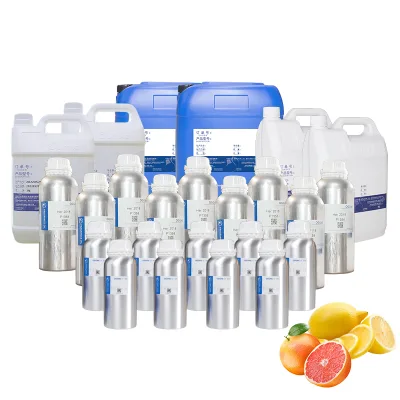
Packaging size is a direct cost driver. Specifications list various packaging options, including "1kg/Bottle," "2kg/5kg/10kg/25kg," and larger industrial drums of "200kg." The "Standard" packaging sizes often include "10ml/30ml" for samples and "5L/25L" for bulk transport. Buyers should calculate the cost per kilogram rather than per unit to make accurate comparisons, as the price per unit will vary drastically between a 10ml sample bottle and a 25kg drum. Additionally, the "Delivery Time" of 3-5 days for standard orders can impact the total landed cost if expedited shipping is required, though standard transport via "Ordinary Goods Truck" is typically the baseline for domestic or regional logistics.
Typical Applications and Functional Usage
Synthetic perfume oils are versatile ingredients designed for a wide array of applications beyond just traditional perfumery. The "Product Use" is explicitly stated as "Making Perfume," but the "Usage" field expands this to include "Cosmetic Raw Materials," "Detergent Raw Materials," "Hair Care Chemicals," and "Oral Care Chemicals." This versatility makes the product highly valuable for manufacturers in the personal care and household cleaning sectors.
The functional properties of the oil are also noteworthy. Some product listings attribute functions to the "Metabolic System" and "Respiratory System," which may refer to the intended therapeutic or aromatherapeutic benefits of the fragrance blend in the final consumer product. However, these claims should be treated as product attributes rather than guaranteed medical outcomes. The primary function remains the provision of a "Modern" flavor or scent profile that is stable and long-lasting.
The "Type" of the final product derived from this oil can range from "Eau de Cologne" to "Eau de Parfum," depending on the dilution ratio used by the manufacturer. The "Customization" feature is available, allowing buyers to request specific scent profiles or concentration levels to match their brand identity. This flexibility is a key advantage for brands looking to differentiate their products in a crowded market.
Supplier Evaluation and Logistics Management
Selecting the right supplier requires a careful assessment of their logistical capabilities and origin. The "Product Origin" is frequently listed as "Guangzhou" or generally "China," indicating that the majority of the supply chain is concentrated in this major manufacturing hub. Buyers should verify the specific location of the supplier's facility to assess the efficiency of their logistics network.
Transportation methods are another critical factor. The "Transport Machine" is typically described as "Ordinary Goods Truck," which is suitable for domestic or regional distribution. For international shipments, the "Samples Way" often involves courier services like "FedEx" or "DHL," ensuring that samples reach the buyer quickly. The "Samples Time" is generally reported as "About 3-7 Days," which is a standard timeframe for international courier delivery.
When evaluating suppliers, buyers should look for those who offer "Freely Provided" samples in sizes ranging from "10ml/Bottle" to "10-100ml." This allows for rigorous testing before committing to a bulk order. The "Storage" requirement for the product is "Dry Cool Dark Place," which suppliers must adhere to during transit and warehousing to maintain the integrity of the fragrance oil. Failure to meet these storage conditions can lead to degradation of the scent profile.
Quality Control and Long-Term Procurement Considerations
Ensuring consistent quality over time is paramount for long-term procurement success. The "Appearance" of the product can vary between "Liquid or Powder," so buyers must specify their preference clearly to avoid receiving an unexpected form. The "Aroma Intensity" is noted as "Strong," but the actual intensity in the final product will depend on the dilution ratio and the carrier used.
Quality control should extend beyond the initial sample. Buyers should establish a protocol for batch testing, utilizing the "COA" provided by the supplier to verify that each batch meets the "Perfume Grade C" standard. The "Standard" specifications, such as "9924cm" for packaging dimensions or "10ml/30ml/1kg/5kg/10kg/25kg" for container sizes, should be strictly adhered to to ensure compatibility with the buyer's existing packaging lines.
For long-term contracts, buyers should consider the "Lead Time" and "Delivery Time" variability. While the standard delivery time is listed as "3-5 days," this may fluctuate based on order volume and seasonal demand. Establishing a reliable relationship with a supplier who can guarantee consistent lead times and maintain the "Dry Cool Dark Place" storage conditions throughout the supply chain is essential for maintaining product quality. Additionally, the availability of "Customization" should be confirmed for future orders to ensure the supplier can adapt to changing market trends or consumer preferences.
Conclusion
Sourcing long-lasting synthetic perfume oil requires a meticulous approach that balances technical specifications, regulatory compliance, and logistical efficiency. By focusing on the verified attributes such as "Synthetic" fragrance type, "MSDS/COA" certifications, and "Vegetable Origin" or "Oil" composition, buyers can make informed decisions that align with their production needs. The wide range of packaging sizes, from small samples to bulk drums, offers flexibility for businesses of all scales. However, the key to success lies in rigorous supplier evaluation, consistent quality control, and a clear understanding of the cost drivers associated with different grades and volumes. As the market continues to evolve, maintaining a focus on these core principles will ensure a steady supply of high-quality fragrance ingredients for diverse applications.
FAQs
How can I verify the safety and quality of this oil?
You can verify safety by requesting the MSDS and COA documents provided by the supplier. These certificates confirm the product meets Perfume Grade C standards and complies with ISO and GMP regulations for cosmetic raw materials.
What packaging sizes are available for bulk orders?
Bulk orders are available in various sizes including 1kg bottles, 2kg, 5kg, 10kg, and 25kg drums. Some suppliers also offer larger industrial containers up to 200kg to accommodate high-volume manufacturing needs.
Can I request custom scent profiles for my brand?
Yes, customization is available to help you create unique scent profiles for your specific brand identity. You can work with manufacturers to adjust the fragrance type or concentration to match your desired modern flavor.
What is the typical delivery time for standard orders?
The standard delivery time for orders is typically between 3 to 5 days. This timeline applies to domestic or regional shipments via ordinary goods trucks, though international samples may take 3 to 7 days via courier.
Which certifications should I look for in a supplier?
You should look for suppliers providing MSDS, COA, ISO, CE, and GMP certifications. These documents ensure the synthetic perfume oil meets international safety standards and is suitable for use in cosmetics, detergents, and oral care products.
How do I request samples before placing a large order?
You can request freely provided samples in sizes ranging from 10ml to 100ml. These samples are typically shipped via FedEx or DHL, allowing you to test the strong aroma intensity and colorless or light yellow appearance.
What are the storage requirements for this fragrance oil?
The oil must be stored in a dry, cool, and dark place to maintain its integrity. Proper storage prevents degradation of the pleasant odor and ensures the synthetic fragrance remains stable for industrial applications.