Source love scratch-off scratch card for Lottery, Wedding, and Promotion
Find 30 suppliers offering custom love scratch-off scratch card designs for lottery games, wedding events, and promotional campaigns. Compare specifications including paper type, printing methods, and MOQ options from verified manufacturers in Guangdong, China.
Key considerations
Products List
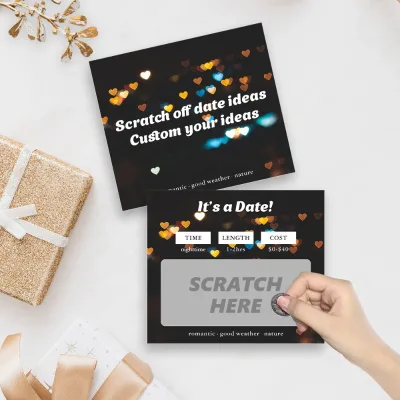
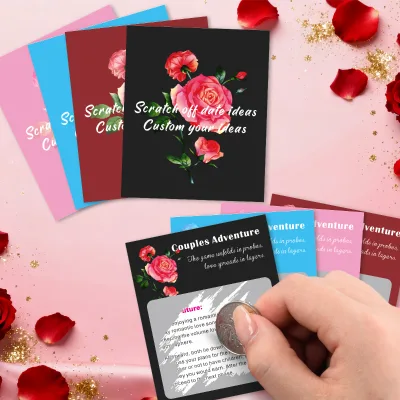
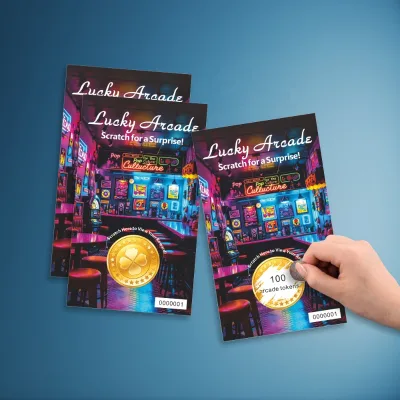
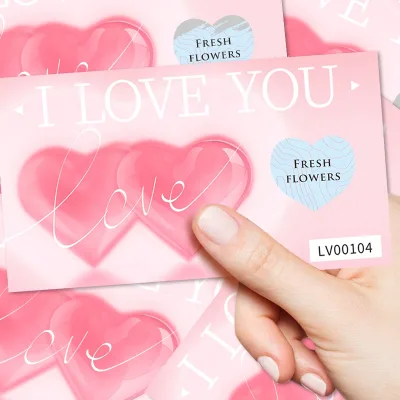






Comprehensive Sourcing Guide
Strategic Sourcing Guide for Custom Love Scratch-Off Scratch Cards
Understanding Product Specifications and Material Variability
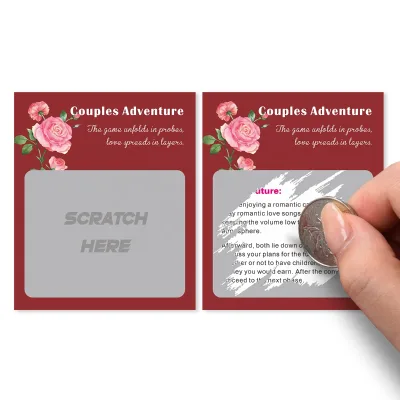
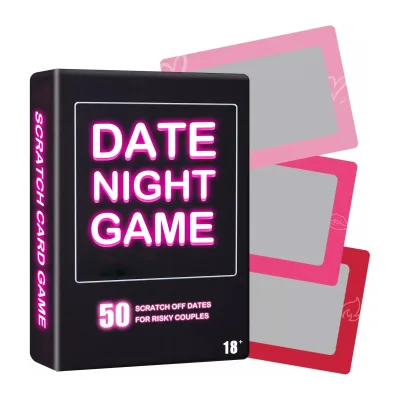
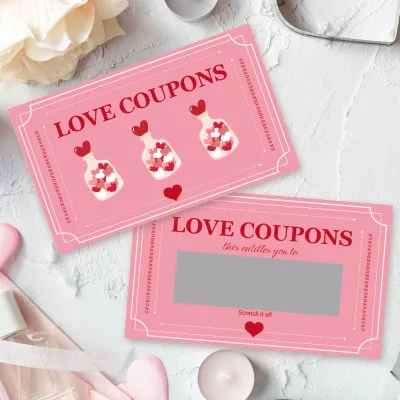
When sourcing custom love scratch-off scratch cards, buyers must first navigate a complex landscape of material definitions and technical specifications. The core product is fundamentally a printed card designed for interactive engagement, often utilized in romantic contexts, promotions, or game mechanics. Based on available market data, the primary substrate for these items is paperboard, though specific listings indicate a broader range of material options including Black Core Paper, Gray Core Paper, Coated Paper, Art Paper, Cardboard, Duplex Board, Fancy Paper, Kraft Paper, Newsprint Paper, and Offset Paper. This variability suggests that the "paperboard" classification is a general category, while the specific choice of core and coating paper dictates the final tactile experience and durability.
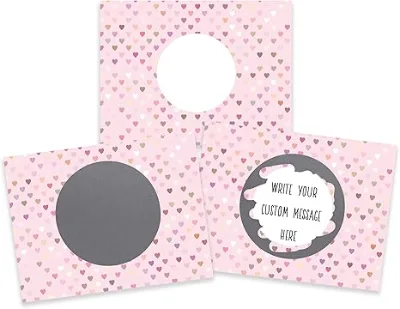
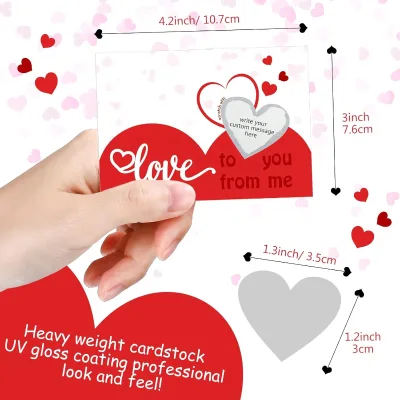
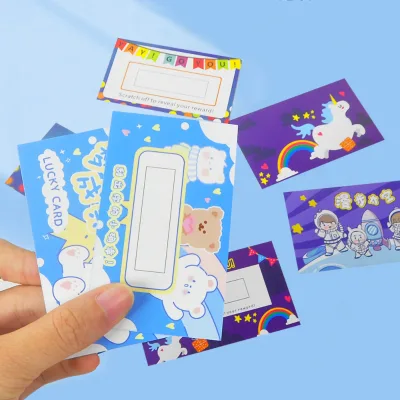
The physical dimensions of these cards are highly flexible. While standard business card dimensions such as 85*54mm are frequently observed, the market also supports fully customized sizes. The shape is equally versatile, offering options for square, rectangle, circle, or entirely custom geometries. This flexibility is critical for branding, allowing purchasers to align the card's physical form with specific design themes. Furthermore, the surface finish plays a significant role in the user experience. Common processing methods include film lamination and matte lamination, which protect the printed graphics and the scratch-off coating. The printing handling capabilities extend beyond standard digital or offset printing to include embossing, debossing, flexographic printing, silk screen printing, and gold stamping. These finishing techniques allow for premium textures and visual depth, which are often essential for "love" themed products that require a tactile sense of luxury or intimacy.
Technical Compliance and Certification Verification
In the B2B procurement of printed promotional materials, verifying compliance and certification is a non-negotiable step to ensure supply chain integrity and product safety. The supplied data indicates that certain suppliers in this category hold ISO9001:2008 certification. This standard relates to quality management systems and suggests that the manufacturing process adheres to specific protocols for consistency and customer satisfaction. However, buyers must exercise caution; the presence of this certification in a product listing does not automatically guarantee that every unit produced meets the standard, nor does it imply that all suppliers in the sector possess it.
Buyers should treat certification claims as observations to be verified rather than absolute guarantees. When evaluating potential partners, it is essential to request current, valid copies of the ISO9001:2008 certificate and confirm the scope of the certification covers the specific manufacturing processes involved, such as printing and coating. Additionally, while the data mentions "special paper" and various paper types, it does not explicitly list environmental certifications like FSC (Forest Stewardship Council) or specific chemical safety standards for the scratch-off coating materials. In the absence of explicit data on chemical compliance, procurement teams must proactively inquire about the safety of the inks and the scratch-off coating, particularly if the cards are intended for use by children or in public events. The lack of explicit mention of other standards in the provided facts means buyers should not assume compliance with international safety regulations without direct confirmation from the supplier.
Cost Drivers and Pricing Dynamics
The pricing structure for custom love scratch-off scratch cards is influenced by a confluence of factors, primarily driven by order volume, material selection, and the complexity of the finishing processes. The observed price range in the market spans from $0.01 to $2.99 per unit. This wide disparity indicates that the final cost is not a fixed rate but is highly dependent on the specific configuration of the order. The Minimum Order Quantity (MOQ) is a significant cost driver, with observed ranges extending from 1 piece to 5,000 pieces.
A critical observation in the data is the recurring mention of an MOQ of 5,000 pieces for specific attributes, including logo printing and variable data printing (such as barcodes or serial numbers). This suggests that while small sample orders may be available, the most cost-effective pricing is likely reserved for bulk production runs that meet this threshold. The unit price of $0.01 is likely associated with high-volume orders of standard specifications, whereas the $2.99 figure may reflect low-volume orders, custom shapes, or complex multi-step printing processes like gold stamping combined with embossing.
Buyers should anticipate that the cost will escalate with the addition of specialized features. For instance, the use of "special paper" or specific finishes like UV printing and film lamination will likely push the unit cost toward the higher end of the observed range. Furthermore, the "variable" nature of the product, which includes serial numbers and barcodes, adds a layer of complexity that can impact the per-unit cost if digital printing or variable data printing is required. The packing method, ranging from simple plastic PP bags to custom boxes and shrink wraps, also contributes to the total landed cost. Therefore, a strategic approach involves balancing the desired level of customization against the MOQ requirements to optimize the total budget.
Typical Applications and Usage Scenarios
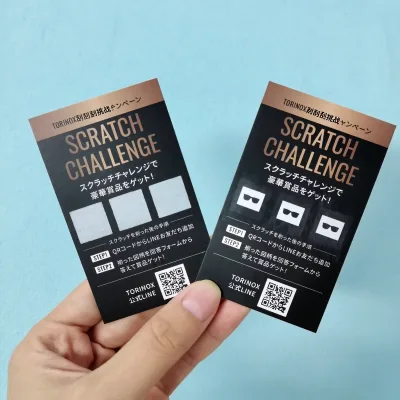
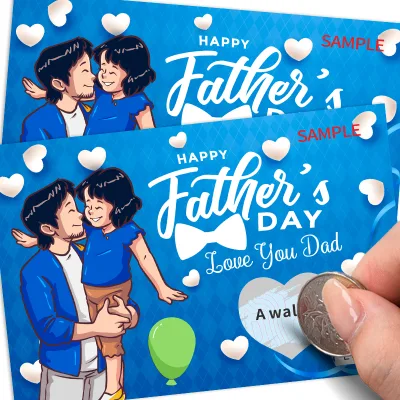
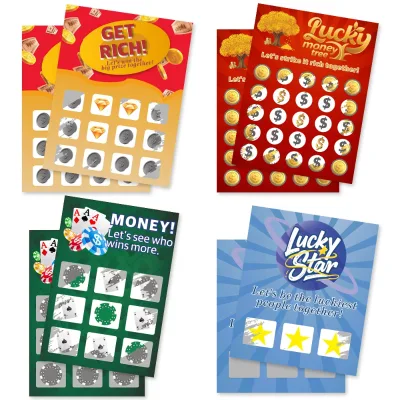
The versatility of custom love scratch-off scratch cards allows them to serve a wide array of applications beyond simple entertainment. The primary use case identified is for "Game Playing" and "Lottery," where the scratch-off mechanism creates suspense and engagement. In the context of "love" themed products, these cards are frequently used as interactive elements in romantic gestures, such as wedding invitations, anniversary gifts, or proposal scenarios. The "Promotion" application is equally prominent, with cards serving as marketing tools for brand awareness, event entry passes, or loyalty rewards.
The data explicitly lists applications for "Business," "Gift," "Wedding," "Anniversary," and "Greeting Thank You" purposes. This broad spectrum indicates that the product is not limited to a single industry but is a flexible tool for communication and engagement. For wedding planners, these cards can be used to reveal seating arrangements, menu choices, or special messages. For businesses, they can function as promotional coupons or contest entries. The ability to customize the shape, size, and surface finish allows these cards to be tailored to the specific tone of the event or campaign. Whether the goal is to create a sense of mystery for a game or to deliver a heartfelt message in a unique format, the product's adaptability makes it a valuable asset for diverse procurement needs.
Supplier Evaluation and Operational Capabilities
Selecting the right supplier requires a thorough evaluation of their operational capabilities, particularly regarding printing technology and customization options. The market data highlights several key suppliers, such as those associated with the brand names "Jiangwei" and "JDI," operating primarily out of Guangdong, China. These regions are known for their robust manufacturing ecosystems, but buyers must verify the specific capabilities of each vendor.
A critical factor in supplier selection is the range of printing technologies offered. The data indicates that suppliers provide a mix of Offset Printing, Digital Printing, Flexographic Printing, Silk Screen Printing, and specialized techniques like Gold Stamp and UV Printing. Buyers should assess whether a supplier's equipment aligns with their specific design requirements. For example, if a project requires high-volume consistency, offset printing may be preferred, whereas digital printing might be necessary for short runs with variable data. The ability to handle "Custom Shapes" and "Custom Size" is another vital capability to verify. While many suppliers claim this ability, the feasibility and cost implications can vary significantly.
Additionally, the availability of samples is a key indicator of a supplier's readiness to engage. The data notes that samples are available, which is a positive sign for quality assurance. Buyers should request physical samples to evaluate the quality of the scratch-off coating, the clarity of the printing, and the durability of the paper. The packing options, including plastic PP bags, boxes, cartons, and shrink wraps, also reflect the supplier's attention to detail in logistics and presentation. A supplier that offers customized packing solutions demonstrates a higher level of service and understanding of the buyer's branding needs.
Quality Control and Long-Term Procurement Considerations
Ensuring consistent quality in scratch-off cards requires a robust quality control (QC) framework. The surface finishing processes, such as lamination and coating, are prone to defects if not carefully monitored. Buyers should establish clear acceptance criteria for the scratch-off mechanism, ensuring it removes cleanly to reveal the underlying content without damaging the card or leaving residue. The durability of the printed graphics is also crucial, especially for cards that may be handled frequently or stored for extended periods.
Long-term procurement considerations involve building a relationship with suppliers who can scale with demand. The observed MOQ of 5,000 pieces suggests that suppliers are geared toward bulk production. Buyers planning for long-term campaigns or recurring events should negotiate terms that allow for flexibility in order volumes while maintaining cost efficiency. The lead time, while not explicitly detailed in the provided facts, is a critical factor to discuss during negotiations, especially for time-sensitive events like weddings or product launches.
Furthermore, the management of variable data, such as unique serial numbers or barcodes, requires a high degree of accuracy. Any errors in these variables can render the cards useless for their intended purpose, such as prize redemption or access control. Buyers should implement a rigorous pre-production proofing process and request a sample run with the specific variable data to be used in the final batch. Finally, maintaining a clear communication channel regarding material changes or process adjustments is essential for ensuring that the product remains consistent over time. By focusing on these quality and operational aspects, buyers can secure a reliable supply chain for their custom scratch-off card needs.
FAQs
What materials are used for custom love scratch-off cards?
These cards are primarily made from paperboard, including black core, gray core, and coated paper options. Buyers can also select from art paper, cardboard, duplex board, fancy paper, kraft paper, newsprint, or offset paper depending on the desired finish and durability.
Which printing methods are available for these custom cards?
Suppliers offer a wide range of printing methods including digital, offset, flexographic, and silk screen printing. Additional finishing techniques like embossing, debossing, gold stamping, and UV printing are also available to enhance the visual appeal and tactile experience of the cards.
Can I order custom sizes and shapes for these scratch cards?
Yes, the product supports fully customized sizes and shapes such as square, rectangle, circle, or unique geometries. While standard business card dimensions like 85 by 54mm are common, buyers can specify exact requirements to align with their specific branding or event themes.
What is the typical minimum order quantity for logo printing?
The observed minimum order quantity for logo printing and variable data features is 5000 pieces. While some listings allow for lower sample quantities, the most cost-effective pricing and full customization options generally require meeting this bulk threshold.
How are these cards typically packaged for shipping?
Packaging options include plastic PP bags, boxes, cartons, and shrink wraps to ensure safe transport. Suppliers often provide customized packing solutions to meet specific branding needs or to protect the cards during international shipping from manufacturing locations.
Are samples available for quality verification before bulk orders?
Samples are available for buyers to verify the quality of the scratch-off coating and printing clarity. Requesting a physical sample allows procurement teams to evaluate the durability of the paper and the effectiveness of the surface finishing processes before committing to a large production run.