Source Love Heart Pendant Necklace for Decoration, Health, Religious Use
Compare 30 Love Heart Pendant Necklace options from verified suppliers in China. These items feature materials like alloy and stainless steel, available in gold or silver plating, and support customization for daily use, decoration, or religious purposes.
Key considerations
Products List


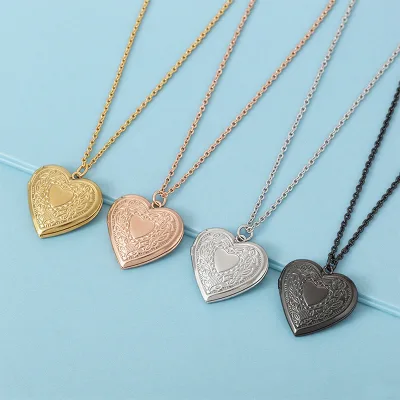
Silver Gold Color Choker Necklace for Women Love Heart Jewelry Fashion Necklaces
Negotiable
MOQ: 100 Pieces
Comprehensive Sourcing Guide
Strategic Sourcing Guide for Love Heart Pendant Necklaces
Understanding Product Specifications and Material Variance
When sourcing a Love Heart Pendant Necklace, the primary objective is to align the product's physical attributes with the intended market segment. The market data indicates a diverse range of specifications, particularly regarding the core material and finish. Buyers must recognize that "Love Heart Pendant Necklace" is a broad category encompassing items made from distinct alloys, each offering different performance characteristics. The observed product pool includes necklaces constructed from brass, stainless steel, and general alloy compositions.
The material selection is the most critical technical differentiator. Products listed with a "Stainless Steel" or "Surgical Steel / 316 Stainless Steel" composition are typically engineered for durability and hypoallergenic properties. These materials are often associated with advantages such as "No Discoloration, No Irritation, No Deformation," making them suitable for daily wear and sensitive skin. In contrast, items specified as "Alloy" or "Brass" often feature plating processes like "Gold" or "Silver" to achieve a specific aesthetic. These plated items rely on a "High Quality Mirror Polished" process to enhance their visual appeal, but the longevity of the finish depends heavily on the thickness of the plating and the base metal quality.
Shape and pattern variations are also significant. While the core keyword implies a heart shape, the product data reveals that "Locket Shape" options can include "Heart; Round; Square," and general patterns may be categorized as "Other." The physical dimensions vary widely, with specific standards noting weights such as 63.5g, 185g, or generic "as Pic" listings. Buyers must verify the exact weight and dimensions against their target price point, as heavier items (e.g., 185g) generally command different pricing structures and shipping costs compared to lighter counterparts (e.g., 63.5g). Additionally, the inclusion of a rope or chain is a variable specification; some listings explicitly state "Including Rope" or "Bring a Rope," while others may require separate procurement of the chain component.
Compliance, Certification, and Safety Standards
For B2B procurement, verifying compliance is non-negotiable, especially when the target audience includes children or the elderly. The product data highlights several certification types that buyers should request and validate. Third-party appraisals are a common standard, with specific mentions of "SGS" and "BV" certifications for stainless steel variants. These certifications serve as external validation that the product meets international safety and quality benchmarks. Furthermore, specific listings indicate compliance with "RoHS" standards, which restrict the use of hazardous substances in electrical and electronic equipment, though in the context of jewelry, this often implies restrictions on lead, cadmium, and other heavy metals.
The "Third Party Appraisal" certificate type suggests that independent laboratories have tested the materials. Buyers should ensure that the certification covers the specific material composition claimed, such as the 316 Stainless Steel or the brass alloy used. For products intended for export to markets with strict chemical regulations, verifying that the "Certificate Type" matches the destination country's requirements is essential. The data also notes "Nursing Instructions" such as "Hand Wash Only," which implies specific care requirements that may affect the product's lifespan and customer satisfaction.
It is important to treat these certifications as observations of specific listings rather than universal guarantees for every supplier in the category. A supplier claiming "RoHS" compliance must provide the actual test report. Similarly, the "SGS, BV" certifications mentioned in the data are specific to certain models (e.g., those with the "No Discoloration" advantage). Buyers must not assume that a generic "Alloy" necklace automatically possesses these certifications without explicit documentation. The verification process should include requesting current, dated test reports that correspond to the specific model numbers, such as "N2344" or "CJTP127," to ensure traceability.
Cost Drivers and Pricing Structure Analysis
The pricing landscape for love heart pendant necklaces is influenced by a complex interplay of material costs, finishing processes, and order volume. The observed price range in the market spans from $0.50 to $9.06 USD. This wide variance is primarily driven by the material composition and the level of customization. Stainless steel and surgical steel variants, which offer superior durability and hypoallergenic properties, typically sit at the higher end of this spectrum due to the raw material cost and the precision required for the "Mirror Polished" finish. Conversely, basic alloy or brass items with standard plating may fall toward the lower end of the price range.
Minimum Order Quantity (MOQ) is another significant cost driver. The data indicates an MOQ range from 1 to 1000 units, with specific listings showing an MOQ of 12 pieces. Suppliers with lower MOQs (e.g., 12 PCS) often cater to dropshipping models or small retailers, potentially charging a higher unit price to cover setup and handling costs. Conversely, suppliers requiring higher volumes (up to 1000 units) may offer more competitive unit pricing but require a larger capital outlay upfront. The "Dropshipping: Yes" attribute suggests that some suppliers are willing to handle logistics for smaller orders, which can reduce inventory risk for the buyer but may impact the final landed cost.
Customization is a major factor in cost escalation. The data confirms that "Customization: Available" and "Can Be Customized" are standard options. However, customizing the shape, plating color, or packaging details introduces additional tooling and labor costs. For instance, a custom "Heart" shape with a specific "Gold" plating on a "Brass" base will cost more than a standard "Silver" plated alloy item. The "Packaging Details," ranging from "Individual OPP Bag" to "Packing Box," also influence the final cost. Premium packaging solutions, such as branded boxes, add to the unit price but can enhance the perceived value for the end consumer. Buyers must balance the desire for customization and premium packaging against the target retail price to ensure a viable profit margin.
Typical Applications and Target Demographics
The versatility of the Love Heart Pendant Necklace allows it to serve multiple applications across different consumer segments. The product data explicitly states that these items are "Suitable for: Female, Male, Children, Elderly," indicating a broad market appeal. However, the specific application often dictates the required material and finish. For "Daily Use" applications, where the necklace is worn frequently, stainless steel or surgical steel variants are preferred due to their resistance to discoloration and irritation. These materials are ideal for consumers who prioritize longevity and skin safety.
In contrast, items categorized under "Decoration, Health, Religious" usage may prioritize aesthetic appeal over extreme durability. Plated brass or alloy necklaces with "Gold" or "Silver" finishes are well-suited for religious jewelry or decorative purposes where the item might not be worn daily. The "Multi-Purpose" nature of these products allows them to be marketed as gifts for various occasions, from Valentine's Day to religious ceremonies. The "Heart" shape is universally recognized as a symbol of love, making these necklaces particularly effective for romantic gifting, while the "Locket" functionality adds a sentimental value for those wishing to store small mementos.
The "Style" is consistently listed as "Fashion," suggesting that these items are designed to complement current trends. The "Color" options, primarily "Silver" and "Gold," allow buyers to stock a range of products that match different skin tones and outfit preferences. The "Reusability" attribute further supports the idea that these are durable goods intended for long-term use, rather than disposable fashion accessories. Buyers should consider the demographic they are targeting; for instance, products marketed to "Children" must strictly adhere to safety standards regarding small parts and material toxicity, while items for the "Elderly" may require easier clasp mechanisms or lighter weights.
Supplier Evaluation and Operational Capabilities
Evaluating suppliers requires a focus on their operational capabilities, origin, and ability to meet specific buyer requirements. The data indicates that the "Place of Origin" is predominantly "Guangdong, China," with some listings from "Fujian" and "Guangzhou." These regions are known for their established jewelry manufacturing ecosystems, offering a range of capabilities from mass production to bespoke crafting. Buyers should verify the specific factory location, as different regions may have varying strengths in terms of material sourcing and finishing techniques.
The "Brand Name" "Right Grand Jewelry" is mentioned in the data, but buyers should not rely on a single brand. Instead, they should evaluate suppliers based on their ability to provide "Third Party Appraisal" certificates and their responsiveness to customization requests. The "Customization: Available" attribute is a key differentiator; suppliers who can accommodate changes in shape, plating, and packaging are more valuable for B2B buyers looking to build a unique brand identity. The "Can Be Customized" status should be confirmed with a detailed inquiry to understand the lead time and minimum order requirements for custom runs.
Logistics and packaging are also critical evaluation points. The "Packaging Details" vary from "Individual OPP Bag" to "Packing Box," and the "prod_packing" field notes specific standards like "opp bag" or "Boxs." Buyers must ensure that the supplier's packaging aligns with their retail strategy. For dropshipping models, the "Dropshipping: Yes" attribute is essential, as it indicates the supplier's willingness to ship directly to end customers. However, buyers should also verify the "Lead Time" and "MOQ" for these services, as these can vary significantly between suppliers. The "Weight" of the product, listed as "as Pic" or specific gram values, impacts shipping costs, so accurate weight data is necessary for calculating landed costs.
Quality Control and Long-Term Procurement Strategy
Implementing a robust quality control (QC) strategy is vital for maintaining brand reputation in the jewelry sector. The "High Quality Mirror Polished" process is a standard attribute, but buyers must define what constitutes "high quality" in their specific context. This includes checking for uniform plating, absence of scratches, and secure clasp mechanisms. The "Advantage" of "No Discoloration, No Irritation, No Deformation" is a strong selling point, but it must be backed by rigorous testing. Buyers should request pre-shipment inspections that specifically test for colorfastness and skin irritation, especially for products marketed to sensitive groups like children.
Long-term procurement considerations involve building a relationship with suppliers who can scale with demand. The "MOQ" range of 1 to 1000 suggests flexibility, but buyers should plan for volume increases. As order quantities grow, the unit price may decrease, but the supplier must maintain consistent quality. The "Standard" specifications, such as "185g" or "63.5g," should be strictly adhered to in future orders to ensure product consistency. Buyers should also consider the "Reusability" and "Nursing Instructions" (e.g., "Hand Wash Only") when designing their product care guides, as these factors influence customer retention.
Finally, the "Certificate Type" and "Certification" status should be reviewed annually. Regulations and standards evolve, and a supplier who was compliant last year may need to update their processes to meet new requirements. Buyers should maintain a database of all certification documents for each model number, such as "N2344" or "CJTP127," to ensure quick access during audits or customer inquiries. By focusing on these technical and operational details, buyers can secure a reliable supply chain for love heart pendant necklaces that meets both quality and compliance standards.
Comparative Analysis of Product Attributes
To facilitate decision-making, the following table summarizes the key attributes observed in the product data, highlighting the differences between material types and their associated benefits.
| Attribute | Stainless Steel / Surgical Steel | Brass / Alloy |
|---|---|---|
| Primary Material | 316 Stainless Steel, Surgical Steel | Brass, General Alloy |
| Key Advantages | No Discoloration, No Irritation, No Deformation | Cost-effective, High Quality Mirror Polished |
| Plating Options | Often uncoated or clear coat | Gold, Silver |
| Typical Certification | SGS, BV, RoHS | Third Party Appraisal |
| Weight Range | 63.5g, 185g (varies by model) | As Pic (variable) |
| Best Application | Daily Use, Sensitive Skin | Decoration, Religious, Fashion |
| Packaging | Boxs, OPP Bag | Individual OPP Bag, Packing Box |
| Customization | Can Be Customized | Available |
This comparison underscores that while both material types serve the "Love Heart Pendant Necklace" category, they cater to different market needs. Stainless steel is the superior choice for durability and health safety, whereas brass and alloy offer aesthetic flexibility and cost efficiency. Buyers should select the material based on their specific target audience and price strategy.
FAQs
What materials are used for love heart pendant necklaces?
These necklaces are primarily made from alloy, brass, or stainless steel. Stainless steel variants offer hypoallergenic properties suitable for daily wear, while brass and alloy options often feature gold or silver plating for decorative purposes.
Can I customize the shape and plating of these necklaces?
Yes, customization is available for shape, plating color, and packaging details. Buyers can request specific heart, round, or square shapes with gold or silver finishes, though custom orders may have different minimum order quantities.
Which certifications should I verify for safety compliance?
Look for Third Party Appraisal certificates, RoHS compliance, or specific SGS and BV reports. These documents validate that the materials meet international safety standards and restrict hazardous substances like lead or cadmium in the final product.
How does the minimum order quantity affect my sourcing?
The minimum order quantity ranges from 1 to 1000 units depending on the supplier. Some vendors offer low MOQs like 12 pieces for dropshipping, while larger volume orders may secure better unit pricing but require higher upfront capital.
What are the typical packaging options for these necklaces?
Packaging varies from individual OPP bags to dedicated packing boxes. The choice depends on your retail strategy, with premium boxes adding value for gifting while basic bags are suitable for bulk distribution or dropshipping models.
Are these necklaces suitable for children and the elderly?
Yes, the products are designed to be suitable for females, males, children, and the elderly. However, ensure that specific models comply with safety standards regarding small parts and material toxicity before marketing them to younger demographics.