Source Lounge Set for Home, Outdoors, and Relaxing Uses
Find 30 Lounge Set options featuring polyester and cotton blends with styles ranging from simple to luxury. Buyers can compare customization, packing, and seasonal suitability for home and outdoor comfort.
Key considerations
Products List



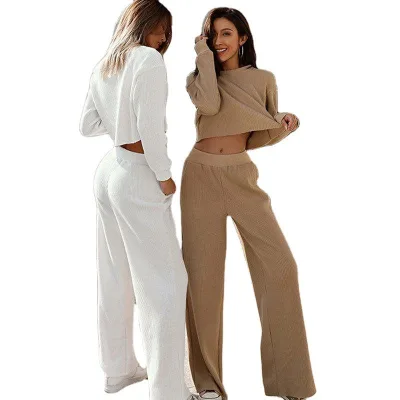


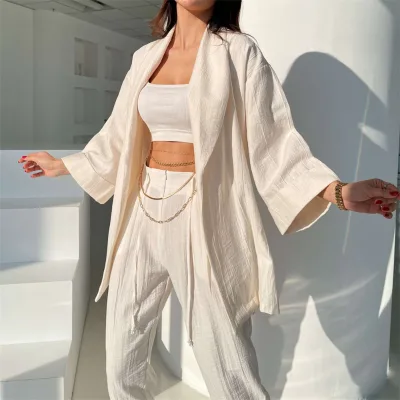


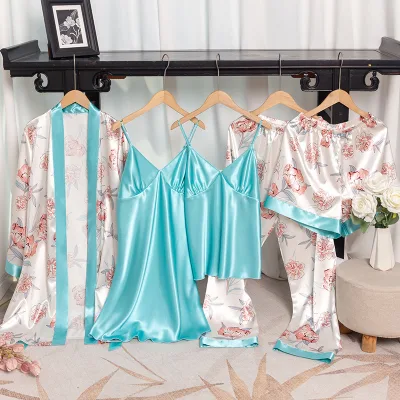


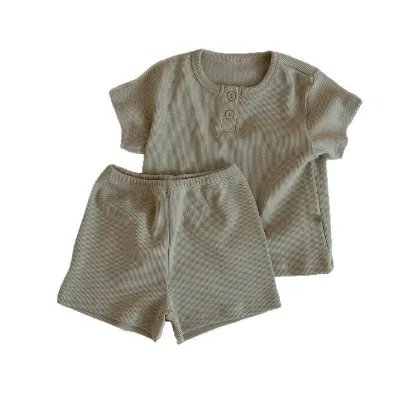
Comprehensive Sourcing Guide
Strategic Sourcing Guide for Lounge Sets
Understanding Product Definitions and Core Attributes
When initiating a procurement strategy for lounge sets, buyers must first establish a precise understanding of the product's technical definition and the specific attributes that differentiate high-quality inventory from generic stock. In the current B2B marketplace, a Lounge Set is typically defined as a coordinated ensemble designed for comfort and casual wear, often consisting of a top and bottom piece. The observed market data indicates that these products are predominantly categorized as "Sets" with a specific focus on "Soft Sleepwear Sets" or "Pajamas Sleepwear." The primary material composition identified in reliable listings is Polyester, often blended with Cotton or Spandex to enhance elasticity and breathability. Specifically, a common fabric blend observed is 88% Polyester and 12% Spandex, which suggests a focus on stretch and recovery, essential for the "Relaxing" and "Breathable" applications cited in product descriptions.
The structural design of these sets varies significantly based on the intended season and style. The "Summer" season listings frequently feature "Sleeveless" styles with a "No Collar" or "Strap Style" design, utilizing a "Simple" aesthetic. Conversely, "Spring / Autumn" inventory often shifts toward "Long Sleeve" options with a "Luxury" or "Casual" style profile, sometimes incorporating a "Notched Collar." The "Folded" attribute is generally noted as "Unfolded" in the context of the product's final state or packaging readiness, while the "Pattern" is described as "Patterned" or "Colourful," indicating a visual diversity that appeals to adult demographics. Understanding these distinct variations is critical for buyers to align their inventory with specific seasonal demands and target consumer preferences for "Home" or "Outdoors" usage scenarios.
Technical Specifications and Material Standards
Technical due diligence requires a granular examination of the specifications provided by potential suppliers. The "prod_model" field reveals a wide array of identifiers, such as BP-638, L004, N038, N028, N045, and generic numerical codes like 1 or 2. These codes serve as internal SKUs and do not inherently denote quality tiers; therefore, buyers must verify the physical attributes associated with each model rather than relying on the model number alone. A critical specification observed is the "Thickness," which in some listings is oddly correlated with "Sleeveless Style," suggesting that the thickness attribute may be a mislabeled field or refers to the fabric weight rather than a physical dimension. Buyers should explicitly request fabric GSM (grams per square meter) or thread count data to ensure the material density meets their comfort standards.
Packaging specifications are another vital technical component. The data indicates two primary packaging methods: "Packing in Paper Board with Bubble Film or Carton" and "OPP Bag / Carton." The choice of packaging directly impacts the product's presentation and protection during transit. For luxury or high-end lounge sets, the use of paper board and bubble film suggests a need for wrinkle prevention and premium unboxing experiences. In contrast, the "OPP Bag / Carton" method is more common for casual or bulk orders. Furthermore, the "Care Instructions" note regarding "Vacuum Packaging May Cause Wrinkles" is a crucial technical detail that buyers must communicate to their downstream customers. This implies that the supply chain must account for potential steaming or pressing processes upon receipt to restore the garment's aesthetic appeal before retail display.
Compliance, Certification, and Origin Verification
Navigating the compliance landscape for lounge sets involves verifying the origin and any associated standards. The supplied facts consistently point to "Foshan" and "China" as the primary points of origin. Foshan is a recognized manufacturing hub in China, particularly for furniture and textiles, which provides a baseline of logistical knowledge for buyers. However, the presence of a "SGS" standard in the data requires careful interpretation. While SGS is a globally recognized inspection and certification body, the listing does not explicitly state that every product carries an SGS certification. Instead, it lists "SGS" under the product standard field, which may indicate that the supplier is capable of providing SGS testing or that the factory maintains SGS accreditation. Buyers must request valid, current test reports to confirm that specific batches meet SGS safety and quality benchmarks, rather than assuming the standard applies to all inventory.
Regarding certifications, the data includes a low-confidence background reference to "FSC" (Forest Stewardship Council). Given the low-confidence status, buyers should not assume that the lounge sets contain FSC-certified materials or packaging. Instead, this serves as a prompt for verification. If a buyer's corporate sustainability goals require FSC certification, they must explicitly request documentation proving the chain of custody for any paper-based packaging or wood-derived components. Similarly, while "custom" is listed as a standard for some models, this refers to the ability to customize the product rather than a regulatory standard. Buyers should verify if the "custom" standard implies adherence to specific international textile safety regulations, such as REACH or CPSIA, depending on the target market, as these are not explicitly confirmed in the provided facts.
Cost Drivers and Pricing Dynamics
The pricing structure for lounge sets is influenced by a complex interplay of material costs, customization levels, and order volume. The observed listed price range spans from $2.50 to $300 USD, a vast disparity that reflects the diversity of the product category. The lower end of the spectrum likely corresponds to basic, mass-produced sets with simple designs, standard polyester materials, and minimal packaging. The upper end, reaching $300, suggests premium offerings that may involve luxury fabrics, intricate patterns, extensive customization, or high-end packaging solutions.
The Minimum Order Quantity (MOQ) is a significant cost driver, with observed ranges between 2 and 1000 units. This wide range indicates a market that accommodates both small-batch startups and large-scale retailers. An MOQ of 2 units suggests a high degree of flexibility, likely for custom or prototype orders, whereas an MOQ of 1000 units typically correlates with lower per-unit costs due to economies of scale. Buyers must balance their inventory needs against these MOQ thresholds. Additionally, the "Customization" attribute is available, which inherently adds to the cost. Custom designs, specific colorways, and tailored packaging will command a premium over standard "Patterned" or "Colourful" off-the-shelf items. The "Service" attribute listing "Custom OEM ODM" confirms that buyers can engage in Original Equipment Manufacturer or Original Design Manufacturer relationships, which further impacts the total cost of ownership through tooling, design fees, and production setup costs.
Supplier Evaluation and Service Capabilities
Evaluating suppliers for lounge sets requires a focus on their service capabilities and operational flexibility. The data highlights "Service: Custom OEM ODM" and "Design: Customized Designs," indicating that many suppliers are equipped to handle bespoke requests. This is a critical factor for brands looking to differentiate their Lounge Set offerings. Buyers should assess the supplier's ability to manage the entire product lifecycle, from initial design conceptualization to final production. The "prod_packing" variations suggest that suppliers have the logistical capacity to handle different packaging requirements, which is essential for brands with specific retail presentation standards.
When evaluating a supplier, buyers should verify their production capacity and lead time management, although specific lead time figures are not provided in the source data. The "Condition: New" attribute confirms that the products are manufactured as new goods, but buyers must ensure that the "New" condition is maintained throughout the supply chain, particularly given the vacuum packaging issues noted earlier. The "Age Group: Adults" specification narrows the target demographic, meaning suppliers must demonstrate expertise in sizing and fit for adult bodies, rather than children's or unisex sizing. A robust supplier evaluation should include a review of their quality control processes, their responsiveness to customization requests, and their track record in handling the specific "Style" variations, such as "Simple" versus "Luxury," to ensure they can meet the brand's aesthetic requirements.
Quality Control and Long-Term Procurement Strategy
Implementing a rigorous quality control (QC) protocol is essential for maintaining brand integrity in the Lounge Set market. Given the "Vacuum Packaging May Cause Wrinkles" warning, QC should include a visual inspection for creases and a functional test of the fabric's recovery after unpacking. The "Weave: Knitting" specification suggests that the fabric structure is critical; buyers should verify the stitch density and check for defects such as runs, holes, or uneven dyeing, which are common in knitted garments. The "Function: Home, Comfortable" claim must be validated through tactile inspection and, if possible, wear testing to ensure the "Comfortable" attribute is not merely marketing fluff.
For long-term procurement, buyers should consider the scalability of their supplier relationships. The "Customization: Available" and "Service: Custom OEM ODM" attributes suggest that suppliers are willing to grow with the buyer. However, the wide range of "prod_model" codes indicates a large and potentially fragmented product catalog. Buyers should work to consolidate their orders into specific, high-performing models to streamline production and reduce complexity. Furthermore, the "Applicable Scenarios: Outdoors, at Home" suggests versatility, but buyers should ensure that the fabric durability is sufficient for the intended use cases. A long-term strategy should also involve regular audits of the supplier's compliance with standards like SGS and any emerging sustainability certifications, ensuring that the supply chain remains resilient and aligned with evolving market expectations.
Comparative Analysis of Product Variants
To facilitate decision-making, buyers can utilize a comparative framework to analyze the different Lounge Set variants available in the market. The following table summarizes the key distinctions observed in the product data, helping buyers align their procurement choices with specific business needs.
| Feature | Variant A (Summer/Simple) | Variant B (Spring/Autumn/Luxury) | Variant C (Custom/OEM) |
|---|---|---|---|
| Season | Summer | Spring / Autumn | All Seasons (Dependent on Design) |
| Sleeve Style | Sleeveless | Long Sleeve | Variable (Customizable) |
| Collar Style | No Collar / Strap Style | Notched Collar | Variable (Customizable) |
| Material | Polyester | 88% Polyester, 12% Spandex | Polyester / Cotton or Custom |
| Style | Simple | Luxury | Customized Designs |
| Packing | Paper Board + Bubble Film | OPP Bag / Carton | Carton / Custom |
| Target Use | Home, Outdoors | Home, Relaxing | Brand Specific |
| MOQ Range | 2 - 1000 | 2 - 1000 | 2 - 1000 |
This comparison highlights that while the core material (Polyester) remains consistent, the specific configuration of sleeves, collars, and fabric blends dictates the product's positioning. Variant A is ideal for high-volume, seasonal promotions, while Variant B targets a premium segment requiring higher fabric content and more complex styling. Variant C offers the flexibility for brands to create unique identities, though it requires more rigorous communication and QC oversight. By understanding these distinctions, buyers can make informed decisions that optimize their inventory mix and maximize market appeal.
FAQs
What materials are used for lounge sets?
Lounge sets are primarily made from Polyester, often blended with Cotton or Spandex. A common fabric composition is 88% Polyester and 12% Spandex to ensure stretch and breathability for home comfort.
Can I request custom designs for lounge sets?
Yes, customization is available for lounge sets including custom designs and OEM ODM services. Buyers can specify unique styles, patterns, and packaging requirements to meet specific brand needs.
What is the minimum order quantity for these sets?
The minimum order quantity ranges from 2 to 1000 units depending on the supplier and product model. Lower MOQs often apply to custom orders while bulk purchases may require higher quantities.
How are lounge sets packaged for shipping?
Packaging options include paper board with bubble film, cartons, or OPP bags. Some items use vacuum packaging which may cause wrinkles, so buyers should plan for steaming upon receipt.
Which seasons are these lounge sets suitable for?
Lounge sets are available for Summer, Spring, and Autumn seasons. Summer styles often feature sleeveless designs while Spring and Autumn options typically include long sleeves and notched collars.
Where are these lounge sets manufactured?
These products originate from Foshan and other locations in China. Foshan is a recognized manufacturing hub for textiles, providing a baseline for logistical planning and supplier verification.
What certifications do the products meet?
Some listings reference SGS standards, though buyers must verify specific test reports for each batch. The data does not confirm FSC certification, so sustainability claims require explicit documentation.