Source Low Density Ceramic Fiber Gasket for insulation, filtration, and packing
Compare 30 listings for Low Density Ceramic Fiber Gasket suitable for high-temperature insulation, filtration, and packing applications. Buyers can review specifications including temperature classification, chemical composition, and dimensions from suppliers in China.
Key considerations
Products List


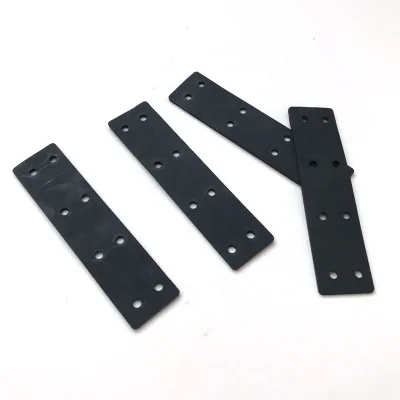
Low Silica Ceramic Fiber Gasket for Semiconductor Manufacturing Equipment
$0.40 - $0.60
MOQ: 100 Pieces




Comprehensive Sourcing Guide
Strategic Sourcing Guide for Low Density Ceramic Fiber Gaskets
Understanding Material Specifications and Technical Attributes
When sourcing low density ceramic fiber gaskets, buyers must first establish a precise understanding of the material's fundamental properties. The core product category involves aluminum silicate fibers, often referred to as ceramic fiber textiles or mats. These materials are engineered to withstand extreme thermal environments while maintaining structural integrity. The chemical composition is a critical starting point, typically defined as a combination of aluminum oxide (Al2O3) and silicon dioxide (SiO2). In some classifications, this is noted as Al2O3+SiO2 or Al2O3.SiO2, forming the basis of ordinary ceramic fiber grades.
The physical form of these gaskets varies, with available shapes including mats, plates, and discs. The density is a primary differentiator for low-density variants, with observed specifications indicating a density of approximately 500±30kg/M³. This low density is essential for applications requiring light weight and reduced thermal mass. The thickness of the material is another vital specification, with observed ranges spanning from 1.5mm to 6mm for specific textile forms, while other product lines may offer thicknesses ranging from 3mm to 50mm depending on the specific model and application requirements. Widths can vary significantly, with observed ranges from 20mm up to 1000mm, and lengths available in standard rolls of 10m, 20m, or 40m.
Temperature classification is perhaps the most critical technical parameter for gasket selection. The market offers materials with varying temperature classifications, including 1050℃, 1260℃, 1350℃, 1400℃, 1500℃, and 1600℃. For high-temperature insulation, the working temperature often falls between 1400℃ and 1600℃. The refractoriness of the material, which indicates the temperature at which it begins to soften, is typically observed in the range of 1580℃ to 1770℃. Buyers must verify that the specific gasket's temperature rating aligns with their operational thermal limits to prevent failure.
Compliance, Certification, and Standard Verification
Ensuring that ceramic fiber gaskets meet international and industry standards is a non-negotiable step in the procurement process. While specific certification statuses can vary by manufacturer, the industry frequently references ISO 9001 standards for quality management systems. Some product listings explicitly mention ISO 9001:2000 certification, indicating a commitment to consistent quality control processes. Buyers should request current certification documents rather than relying on general claims, as standards evolve and specific facility compliance may differ.
The manufacturing technique also plays a role in compliance. The observed production process for these materials includes dry pressing and spray silk rug techniques. These methods influence the final fiber structure and mechanical strength. The ultimate strength of the material is a measurable attribute, with observed values of at least 0.4 MPa. This mechanical property ensures that the gasket can withstand the compressive forces encountered in flange connections without crumbling or losing its sealing capability.
When evaluating compliance, buyers should also look for adherence to standard versus non-standard classifications. Most commercial ceramic fiber gaskets are produced to standard specifications, ensuring interchangeability and predictable performance. However, customizations are available for specific project needs. The standard or non-standard status should be confirmed during the initial inquiry phase. Additionally, the grain size of the fibers can be a technical specification, with some advanced formulations offering grain sizes under 100nm, which may impact the material's filtration capabilities and thermal conductivity.
Cost Drivers and Pricing Dynamics
The pricing of low density ceramic fiber gaskets is influenced by a complex interplay of factors, including raw material costs, manufacturing complexity, and order volume. The observed price range in the market spans from $0.02 to $25 per unit, though this wide variance often reflects differences in thickness, density, temperature rating, and the specific form factor (mat, sheet, or pre-cut gasket). Buyers should understand that lower prices may correlate with lower temperature ratings or thinner gauges, while high-performance variants capable of withstanding 1600℃ will command a premium.
Minimum Order Quantity (MOQ) is another significant cost driver. The observed MOQ range is extensive, spanning from 1 unit to 10,000 units. For small-scale projects or prototyping, suppliers with lower MOQs are essential, though the unit cost may be higher. Conversely, large-scale industrial procurement can leverage economies of scale by ordering in bulk, potentially reducing the per-unit cost. The packaging method also affects logistics costs; options include sea-worthy wooden cases, cartons, bags, or pallets. Proper packaging is crucial to prevent fiber damage during transit, which could otherwise lead to product rejection and additional costs.
Customization is a key factor in pricing. Since customization is available, any deviation from standard dimensions or shapes will likely incur additional tooling or setup fees. The raw material grade, such as the specific aluminum silicate fiber used, also impacts the base cost. Buyers must balance the need for specific performance characteristics against the budget constraints, ensuring that the selected gasket meets the thermal and mechanical requirements without unnecessary overspending on features that will not be utilized in the application.
Typical Applications and Operational Context
Low density ceramic fiber gaskets are designed for a diverse range of industrial applications where thermal management and sealing are paramount. The primary usage categories include high-temperature insulating materials, filter materials, packing materials, and friction materials. These gaskets are frequently employed in industrial furnaces and heat treatment processes, where they provide a reliable seal against heat loss and environmental contamination.
In the realm of thermal insulation coatings and iron voltage electric materials, these gaskets serve as critical components in electrical insulation and thermal barrier systems. Their ability to withstand high temperatures while maintaining low thermal conductivity makes them ideal for protecting sensitive equipment from heat exposure. The material is also utilized in filter applications, where its fibrous structure can trap particulates while allowing gas flow, a property enhanced by the specific grain size and density of the fiber.
The versatility of the product extends to its use as a packing material in various mechanical assemblies. The good mechanical strength and light weight of the ceramic fiber allow it to be compressed and fitted into tight spaces without adding excessive load to the assembly. In friction material applications, the gasket can help manage heat generated by friction, preventing overheating and extending the lifespan of the mechanical components. Buyers should match the specific temperature classification and chemical composition of the gasket to the operational environment of their equipment to ensure optimal performance and safety.
Supplier Evaluation and Geographic Considerations
When evaluating potential suppliers for ceramic fiber gaskets, geographic origin and manufacturing capability are important indicators of reliability. The primary production regions identified in the market data include Shandong and Zhejiang provinces in China. These regions have established industrial clusters for refractory materials, suggesting a mature supply chain and access to raw materials. The province of origin can also influence logistics and lead times, particularly for international buyers.
Supplier evaluation should extend beyond location to include manufacturing techniques and product consistency. The observed manufacturing techniques, such as dry pressing and spray silk rug, indicate specific production capabilities. Buyers should verify that the supplier's production process aligns with the required product specifications. For instance, if a specific density or thickness is critical, the supplier must demonstrate the ability to control these parameters consistently. The availability of customization is another positive indicator of a flexible and capable supplier.
Reputation and track record are also vital. While specific supplier names should not be recommended, buyers should look for evidence of consistent production of standard grades like "Ordinary Ceramic Fiber" or specialized models such as "Luyangwool" or "JUCOS." The presence of a dedicated manufacturer name, such as "Luyang," suggests a specialized focus rather than a general trading company, which can be beneficial for technical support and quality assurance. Buyers should request samples and test reports to verify the supplier's claims regarding density, temperature classification, and mechanical strength before committing to a large order.
Quality Control and Long-Term Procurement Strategy
Implementing a robust quality control (QC) strategy is essential for maintaining the integrity of ceramic fiber gasket procurement. The first line of defense is the verification of incoming materials against the agreed-upon specifications. This includes checking the chemical composition (Al2O3+SiO2), density (500±30kg/M³), and temperature classification. Buyers should establish clear acceptance criteria for these parameters, ensuring that any deviation triggers a rejection or a formal non-conformance report.
Long-term procurement considerations involve building a relationship with suppliers who can provide consistent quality over time. This includes monitoring the supplier's ability to maintain their certifications, such as ISO 9001, and their adherence to standard production processes. The packaging method, whether sea-worthy wooden cases or cartons, should be evaluated for its ability to protect the product during storage and transport. Damaged packaging can lead to fiber degradation, compromising the gasket's performance.
Furthermore, buyers should consider the lifecycle of the gasket in their specific application. The material's resistance to thermal shock and its ability to maintain sealing properties over repeated heating and cooling cycles are critical for long-term reliability. Regular inspections of installed gaskets can help identify early signs of degradation, allowing for proactive replacement before a failure occurs. By integrating these quality control measures and long-term planning strategies, buyers can ensure a stable supply of high-performance ceramic fiber gaskets that meet their operational needs.
Summary of Key Technical Parameters
To facilitate quick reference during the sourcing process, the following table summarizes the key technical parameters observed in the market for low density ceramic fiber gaskets. This data serves as a benchmark for buyers to compare against supplier offerings.
| Parameter | Observed Range / Value | Notes |
|---|---|---|
| Chemical Composition | Al2O3 + SiO2 | Also noted as Al2O3.SiO2 |
| Density | 500 ± 30 kg/M³ | Characteristic of low-density variants |
| Temperature Classification | 1050℃ to 1600℃ | Varies by grade; 1260℃, 1350℃, 1400℃ common |
| Refractoriness | 1580℃ < Refractoriness < 1770℃ | Softening point of the material |
| Thickness | 1.5mm to 6mm (Textiles); 3mm to 50mm (General) | Depends on specific product model |
| Width | 20mm to 1000mm | Standard roll widths |
| Length | 10m, 20m, 40m | Standard roll lengths |
| Ultimate Strength | ≥ 0.4 MPa | Mechanical strength requirement |
| Grain Size | < 100nm | For specific high-performance grades |
| Standard/Nonstandard | Standard | Most commercial products are standard |
| Certification | ISO 9001:2000 (Observed) | Verify current status with supplier |
| Origin | Shandong, Zhejiang, China | Major production hubs |
By adhering to these guidelines and verifying the specific attributes against the provided data, buyers can make informed decisions when sourcing low density ceramic fiber gaskets. The focus on technical precision, supplier reliability, and quality control ensures that the selected materials will perform effectively in demanding high-temperature environments.
FAQs
What is the density of low density ceramic fiber gaskets?
The density is approximately 500±30kg/M³ for these low density variants. This specification ensures the material remains lightweight while providing necessary structural integrity for high temperature insulation applications.
Which temperature classifications are available for these gaskets?
Available temperature classifications include 1050℃, 1260℃, 1350℃, 1400℃, 1500℃, and 1600℃. Buyers must select the specific rating that aligns with their operational thermal limits to prevent material failure.
Can these gaskets be customized for specific project needs?
Yes, customization is available for specific project requirements. Buyers should confirm dimensions and shapes during the inquiry phase, as deviations from standard specifications may incur additional tooling or setup fees.
What is the minimum order quantity for these products?
The minimum order quantity ranges from 1 unit to 10,000 units depending on the supplier. Small-scale projects can utilize lower MOQs, while large industrial procurement can leverage bulk ordering for cost efficiency.
Where are the primary manufacturing locations for these gaskets?
Primary production regions include Shandong and Zhejiang provinces in China. These locations host established industrial clusters for refractory materials, ensuring a mature supply chain and access to necessary raw materials.
What certifications do these ceramic fiber gaskets typically hold?
Some product listings explicitly mention ISO 9001:2000 certification for quality management. Buyers should request current certification documents to verify the supplier's adherence to consistent quality control processes.