Source Low Formaldehyde Furan Resin for Casting, 3D Printing, and Adhesives
Find 30 verified products of Low Formaldehyde Furan Resin suitable for casting molds, 3D printing, and structural bonding. Compare key attributes like viscosity, pH, and tensile strength to identify the right material for your industrial needs; compare the available evidence and request quotations based on your requirements.
Key considerations
Products List


Low Formaldehyde Urea Formaldehyde Resin for Plywood and Wood Composite Bonding
$750.00 - $780.00
MOQ: 20 Tons

Export Grade Urea Formaldehyde Resin for Various Woodwork Bonding Applications
$750.00 - $780.00
MOQ: 20 Tons


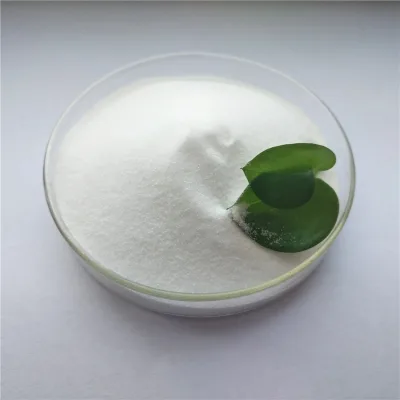
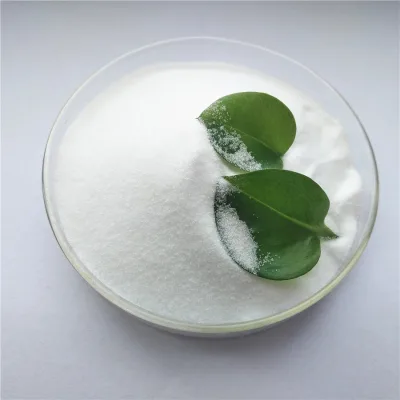


Urea Formaldehyde Resins UF Melamine Formaldehyde Resins Mf Phenolic Resin
$700.00 - $1200.00
MOQ: 22 Tons


Comprehensive Sourcing Guide
Low Formaldehyde Furan Resin Sourcing Guide
Procuring Low Formaldehyde Furan Resin requires a nuanced understanding of its dual role in industrial casting and advanced manufacturing. This material serves as a critical binder in foundry applications, providing high-temperature stability and structural integrity for metal castings. Simultaneously, emerging technologies utilize furan resins in 3D printing, where precise curing and minimal shrinkage are paramount for producing complex geometries. Buyers must distinguish between these distinct application streams, as the formulation requirements for casting sands differ significantly from those needed for additive manufacturing processes.
The market landscape for these resins is diverse, with suppliers offering variations tailored to specific operational needs. Key attributes such as viscosity, pH levels, and tensile strength directly influence handling characteristics and final product quality. For instance, a viscosity of ≤1500 MPa.S at 25℃ ensures ease of mixing and coating, while a pH range of 6.5-8 indicates stability during storage and application. Understanding these technical parameters allows procurement teams to align supplier offerings with their specific production lines, ensuring that the resin performs reliably under the thermal and mechanical stresses of the manufacturing environment.
Product Scope and Observed Listing Signals
The observed product listings reveal a wide spectrum of offerings, with prices ranging from $0.65 to $2200 USD, reflecting significant variations in purity, packaging, and intended use. Minimum order quantities (MOQs) typically span from 1 to 1000 units, catering to both small-scale prototyping and large-volume industrial production. This price disparity often correlates with the concentration of the active resin component, with higher purity grades commanding premium prices. Buyers should carefully evaluate whether the listed price includes ancillary services such as technical support or customized packaging, which can add substantial value to the procurement deal.
Packaging options vary, with common formats including drums and 25kg bags, ensuring safe transport and storage of the chemical materials. The origin of these products is predominantly China, with specific mentions of Shandong as a manufacturing hub, indicating a concentrated supply chain in this region. While customization is available, buyers must verify if the supplier can meet specific viscosity or curing time requirements. The presence of multiple model numbers, such as those indicating 99.8% or 46.4% concentrations, suggests that suppliers offer tailored solutions rather than a one-size-fits-all product, requiring precise specification matching during the sourcing process.
Technical Specifications to Verify
Verifying the physical and chemical properties of furan resin is essential for ensuring compatibility with existing manufacturing processes. Key parameters to confirm include viscosity, which affects mixing and application efficiency, and pH levels, which influence shelf life and curing behavior. The tensile strength of the cured resin, typically ranging from 2.2 to 3, is a critical metric for assessing the structural integrity of the final cast or printed part. Additionally, the shelf life, which can vary from 2 to 12 months, must be aligned with inventory management strategies to prevent material degradation before use.
Formaldehyde content is a primary concern, with many suppliers offering grades with free formaldehyde levels ≤4.0%. This attribute is crucial for meeting environmental regulations and ensuring worker safety during handling. Buyers should also inquire about the resin’s morphology, whether it is solid-state or water-soluble, as this impacts storage conditions and application methods. The bonding function, often described as structural adhesive, must be validated through sample testing to ensure it meets the specific load-bearing requirements of the end product. Confirming these specifications prevents costly production delays and ensures consistent quality across batches.
Compliance and Safety Documentation
Safety and regulatory compliance are non-negotiable aspects of sourcing chemical adhesives and binders. Buyers must request detailed Safety Data Sheets (SDS) that outline handling, storage, and emergency response procedures. The presence of formaldehyde, even in low concentrations, necessitates strict adherence to occupational health standards. Suppliers should provide documentation confirming that their products meet relevant international safety standards, although specific certifications like FSC are noted as low-confidence background information and should be verified independently.
Environmental regulations regarding volatile organic compounds (VOCs) and formaldehyde emissions are increasingly stringent. Procurement teams should verify if the resin complies with local and international environmental laws, such as REACH in Europe or TSCA in the United States. The classification of the material as an inorganic or organic compound, depending on the specific formulation, also impacts its regulatory treatment. Ensuring that the supplier can provide up-to-date compliance certificates helps mitigate legal risks and supports the buyer’s sustainability goals, particularly in industries with strict environmental reporting requirements.
Cost Drivers and Commercial Terms
Several factors influence the total cost of ownership for furan resin, including raw material prices, packaging, and logistics. The concentration of the resin, often indicated by model numbers like 99.8% or 46.4%, directly affects the unit price. Higher purity grades may offer better performance but come at a premium. Packaging costs also vary, with drums typically being more expensive than bags but offering better protection for bulk shipments. Buyers should consider the total landed cost, including freight and insurance, rather than just the unit price, to make informed procurement decisions.
Commercial terms such as payment methods, lead times, and return policies significantly impact the procurement process. Suppliers may offer flexible payment terms for long-term contracts, which can improve cash flow management. Lead times can vary based on production capacity and order volume, so it is essential to establish clear delivery schedules. Additionally, buyers should negotiate terms for quality disputes, ensuring that defective batches can be returned or replaced without significant financial loss. Understanding these commercial dynamics allows for more effective budgeting and risk management in the supply chain.
Supplier Qualification and Quality Control
Evaluating supplier capabilities is crucial for ensuring a reliable supply of high-quality furan resin. Buyers should assess the supplier’s production facilities, quality control processes, and technical support capabilities. Suppliers with advanced manufacturing technologies and rigorous testing protocols are more likely to deliver consistent product quality. It is also important to verify the supplier’s ability to customize products according to specific requirements, such as adjusting viscosity or curing times. This flexibility can be a significant advantage in meeting unique production needs.
Quality control measures should include regular testing of key parameters such as viscosity, pH, and formaldehyde content. Buyers should request sample batches for testing before committing to large orders. Establishing a clear quality agreement that defines acceptable tolerances and testing methods helps prevent disputes. Additionally, suppliers should provide traceability information, allowing buyers to track the origin and production history of each batch. This level of transparency is essential for maintaining product integrity and addressing any quality issues that may arise during production.
Long-Term Procurement Checks
Sustaining a successful procurement relationship with furan resin suppliers requires ongoing monitoring and evaluation. Regular performance reviews should assess factors such as delivery reliability, product consistency, and responsiveness to issues. Buyers should also stay informed about market trends and technological advancements that may impact the availability or performance of furan resins. This proactive approach helps identify potential supply chain disruptions and allows for timely adjustments to sourcing strategies.
Continuous improvement initiatives, such as joint quality improvement projects or cost reduction efforts, can strengthen the buyer-supplier relationship. Collaborating with suppliers on product development can lead to innovations that enhance performance or reduce costs. Additionally, buyers should periodically re-evaluate their supplier base to ensure they are leveraging the best available options. This dynamic approach to procurement ensures that the organization remains competitive and resilient in the face of changing market conditions and technological advancements.
FAQs
What is the typical pH range for Low Formaldehyde Furan Resin?
The typical pH range for this resin is 6.5 to 8. This neutral to slightly alkaline range ensures stability during storage and application. It helps maintain consistent viscosity and bonding performance across various industrial uses without requiring immediate neutralization.
Can Low Formaldehyde Furan Resin be used for 3D printing applications?
Yes, specific models of this resin are explicitly designed for 3D printing applications. These formulations provide the necessary structural integrity and curing characteristics required for additive manufacturing processes, distinguishing them from standard casting or adhesive variants.
What is the maximum free formaldehyde content allowed in this product?
The maximum free formaldehyde content is limited to 4.0 percent. This specification ensures compliance with environmental and safety standards for industrial adhesives. It reduces off-gassing risks during curing and final product use in sensitive environments.
How is the product typically packed for shipment and storage?
The product is typically packed in drums or 25kg bags. This packaging format protects the resin from moisture and contamination during transit. It also facilitates easy handling and dispensing in industrial manufacturing settings where bulk quantities are required.
What is the shelf life of Low Formaldehyde Furan Resin?
The shelf life ranges from 2 to 12 months depending on storage conditions. Proper storage in cool, dry environments extends stability. Users should check batch-specific dates to ensure optimal viscosity and bonding strength before application in critical manufacturing processes.
Which industries commonly utilize this type of resin for bonding?
Common industries include woodworking, construction, packaging, and fiber manufacturing. The resin serves as a structural adhesive in these sectors due to its durability and resistance properties. It is also used in footwear and leather applications for strong, lasting bonds.