Source Low Pressure Diaphragm Pump for Chemical, Food, and Paint
Find 30 Low Pressure Diaphragm Pump options for chemical, food, and paint applications. Compare pneumatic models with stainless steel, plastic, and aluminum alloy bodies. Evaluate flow rates, certifications, and customization features to select the right pump for your industrial needs.
Key considerations
Products List


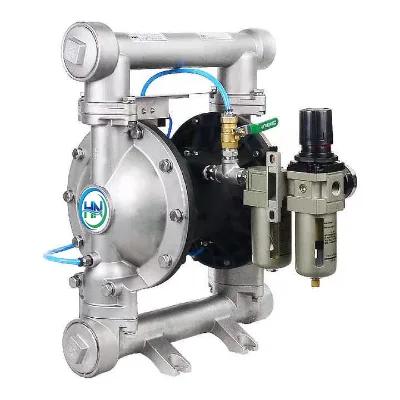



Comprehensive Sourcing Guide
Low Pressure Diaphragm Pump Sourcing Guide
Procuring low pressure diaphragm pumps requires careful attention to the specific fluid dynamics and material compatibility required for your industrial processes. These pumps are frequently utilized in chemical, oil, food, and acid handling applications where leak prevention and compact size are critical operational priorities. Buyers must distinguish between pneumatic and other power sources, as the observed market data indicates a strong prevalence of pneumatic models designed for no-lube and no-stall performance.
When evaluating listings, it is essential to recognize that product attributes vary significantly even within the same category. While some units feature stainless steel bodies for durability, others utilize plastic or aluminum alloy constructions to reduce weight or resist specific corrosive agents. The observed range of maximum flow rates, from 57 to 358 liters per minute, suggests that a single pump model rarely satisfies all potential throughput needs, necessitating a precise match between your flow requirements and the specific pump model specifications provided by the supplier.
Product Scope and Observed Listing Signals
The market for these pumps displays a wide variance in physical specifications, with observed models ranging from compact units to larger industrial assemblies. Buyers should note that packing standards differ, with some products shipped in simple cartons while others require foam packaging or wooden cases to protect delicate components during transit. This variation in packaging often correlates with the pump's intended application environment, such as acid pumps requiring extra protection compared to general-purpose units.
Listing signals also reveal diverse valve seat and body material combinations, including PTFE seats with Kynar bodies or polyethylene constructions. These material choices directly influence the pump's suitability for handling aggressive chemicals or food-grade fluids. Procurement teams must verify that the listed porting options, such as NPT, BSPT, or flange connections, align with existing piping infrastructure, as the availability of multiple porting standards indicates a need for careful system integration planning before finalizing any purchase order.
Technical Specifications to Verify
Technical verification begins with confirming the maximum head and suction lift capabilities, which are critical for ensuring the pump can overcome system resistance and lift fluids from the source. Observed data indicates maximum heads reaching 84 meters, with dry suction lifts of 4 meters and wet lifts of 8 meters, though these figures are specific to certain models and may not apply universally. Buyers must cross-reference these numbers against their specific system elevation requirements to avoid underpowered installations that fail to deliver the necessary pressure.
Flow rate consistency is another vital parameter, with observed models offering capacities ranging from 57 to 157 liters per minute and up to 358 liters per minute for larger units. It is imperative to validate whether the listed flow rate represents the theoretical maximum or the practical operating point under your specific pressure conditions. Additionally, the air distribution valve design, often described as no-lube and no-stall, should be confirmed to ensure it matches the maintenance capabilities and air supply quality available at your facility.
Compliance and Safety Documentation
Safety and compliance documentation for these pumps typically includes CE and ISO9001 certifications, which serve as indicators of adherence to international manufacturing and safety standards. However, buyers must verify that these certifications are current and specifically cover the model in question, as the presence of a certification on a listing does not guarantee that every unit in a batch meets the same rigorous testing criteria. The distinction between standard and non-standard products also plays a role in determining the level of regulatory scrutiny required for your specific industry.
In addition to general certifications, specific performance claims such as explosion-proof capabilities or no-leak guarantees require careful scrutiny of the provided test data. While some listings explicitly mention explosion performance or no-leak attributes, these are often tied to specific material constructions like stainless steel or specialized plastics. Procurement teams should request detailed safety data sheets and performance test reports to confirm that the pump's design meets the hazardous environment requirements of your application, particularly when handling volatile chemicals or flammable substances.
Cost Drivers and Commercial Terms
The cost of low pressure diaphragm pumps is heavily influenced by the materials used in construction, with stainless steel and aluminum alloy models often commanding higher prices than plastic alternatives. The observed price range of 14 to 3500 USD reflects this material diversity, as well as the complexity of the internal components like valve seats and air distribution systems. Buyers should understand that the lowest price point may correspond to basic plastic models with limited flow rates, while higher costs are associated with robust, high-flow units designed for demanding industrial environments.
Commercial terms such as minimum order quantities (MOQ) and customization availability also significantly impact the total cost of ownership. The market shows an MOQ range from 1 to 100 units, offering flexibility for small-scale projects while potentially requiring bulk commitments for larger industrial deployments. Customization options are frequently available, allowing buyers to tailor porting, packing, or material specifications to their needs, but these bespoke requirements often incur additional costs and extended lead times that must be factored into the budget planning phase.
Supplier Qualification and Quality Control
Supplier qualification should focus on verifying the origin of the products, with observed listings indicating origins in Shanghai and Jiangsu, China. While these regions are known for manufacturing capabilities, buyers must ensure that the specific supplier maintains consistent quality control processes rather than relying solely on the general reputation of the region. The presence of OEM applicability suggests that suppliers are capable of producing custom-branded units, but this capability should be validated through site audits or third-party quality assessments to ensure adherence to your specific quality standards.
Quality control measures must extend beyond the initial purchase to include verification of the warranty terms and after-sales support. Listings often mention a one-year warranty, but the scope of this coverage regarding parts, labor, and shipping costs varies by supplier. Buyers should establish clear protocols for handling defects or performance issues, ensuring that the supplier provides timely technical support and replacement parts. This proactive approach to supplier qualification helps mitigate the risks associated with equipment failure and ensures long-term operational reliability.
Long-Term Procurement Checks
Long-term procurement success depends on establishing a robust framework for monitoring pump performance and maintenance requirements over time. Buyers should track key performance indicators such as flow rate consistency, leak frequency, and energy consumption to identify any deviations from the initial specifications. Regular maintenance checks are essential for pneumatic pumps, particularly regarding the air distribution valve and muffler options, which can degrade over time and affect overall system efficiency if not addressed promptly.
Future-proofing your procurement strategy involves maintaining a relationship with suppliers who can provide updated models or spare parts as technology evolves. The observed diversity in product models, from HY25-SS to HY40B/N/F, indicates a dynamic market where new configurations are frequently introduced. By staying informed about these developments and maintaining a flexible supply chain, buyers can ensure their operations remain adaptable to changing process requirements and regulatory standards without the need for costly system overhauls.
FAQs
What certifications do these pumps hold?
These pumps hold CE and ISO9001 certifications. This ensures compliance with international safety and quality management standards. Buyers can rely on these marks for regulatory approval in various regions. The documentation supports traceability and consistent manufacturing processes for industrial applications.
Can the pumps handle chemical fluids?
Yes, the pumps are suitable for chemical, oil, food, and acid applications. Materials like plastic, stainless steel, and PVDF resist corrosion. This versatility allows safe transfer of aggressive liquids. Users should select the specific body material based on the fluid's chemical properties for optimal durability.
What is the maximum flow rate available?
The maximum flow rate reaches 358 L/Min for specific models. Other variants offer lower rates like 57 L/Min or 157 L/Min. This range accommodates diverse throughput requirements. Buyers should match the flow rate to their specific process needs to ensure efficient operation without over-specifying the equipment.
Are customization options available for these pumps?
Customization is available for these pneumatic diaphragm pumps. OEM requirements are applicable, allowing tailored solutions. Buyers can request specific porting options like NPT or flanges. This flexibility ensures the pump integrates seamlessly into existing piping systems and meets unique operational constraints.
What is the typical packaging method?
Pumps are packed in carton boxes, often with foam for protection. Some models use wooden cases for added safety. This packaging prevents damage during transit. The standard dimensions help optimize shipping volume. Buyers receive secure packaging that maintains product integrity upon arrival at their facility.
Where are these pumps manufactured?
These pumps originate from Shanghai and Jiangsu in China. This location indicates established manufacturing hubs for fluid handling equipment. Buyers can expect consistent production capabilities from these regions. The origin supports supply chain logistics for international orders requiring reliable sourcing from major industrial centers.