Source Low Temperature Impact Testing Machine for LED, Electronics, and Labs
Find 30 verified Low Temperature Impact Testing Machine options for LED components, electronic parts, and industrial laboratories. Buyers can compare specifications like temperature ranges, load methods, and certifications to select the right equipment for their quality control needs.
Key considerations
Products List

Computer-Controlled Low Temperature Testing Machine for Impact Testing
$5999.00 - $16999.00
MOQ: 1 Sets

Efficient Low Temperature Testing Machine for Impact Testing Applications
$5999.00 - $16999.00
MOQ: 1 Sets

Efficient Low Temperature Testing Machine for High-Performance Impact Testing
$5999.00 - $16999.00
MOQ: 1 Sets

Low Temperature Chamber Testing Machine for Computer-Controlled Impact Testing
$5999.00 - $16999.00
MOQ: 1 Sets

Customized Low Temperature Chamber Testing Machine for Impact Testing
$5999.00 - $16999.00
MOQ: 1 Sets

Customized Low Temperature Testing Machine for Impact Testing Applications
$5999.00 - $16999.00
MOQ: 1 Sets


$2058.00 - $2647.00
MOQ: 1 Pieces

Lab Equipment High-Low Temperature Thermal Shock Impact Test Machine
$15000.00 - $50000.00
MOQ: 1 Pieces


Comprehensive Sourcing Guide
Strategic Sourcing Guide for Low Temperature Impact Testing Machines
Procuring a Low Temperature Impact Testing Machine requires a disciplined approach that balances technical precision with supply chain reliability. These specialized instruments are critical for validating material integrity under extreme thermal and mechanical stress, particularly in sectors where safety and durability are non-negotiable. The market presents a diverse array of configurations, ranging from static load systems to dynamic impact solutions, each governed by specific operational parameters. Buyers must navigate a landscape where attributes such as control accuracy, temperature ranges, and loading methods vary significantly between models. This guide outlines the essential factors for evaluating suppliers and selecting equipment that meets rigorous industrial standards without relying on unverified claims or speculative data.
Technical Specifications and Operational Parameters
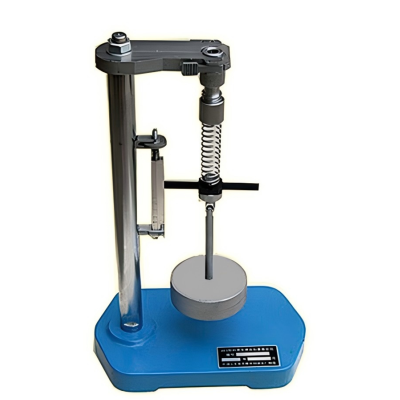
The core functionality of a Low Temperature Impact Testing Machine is defined by its ability to subject specimens to controlled thermal environments and precise mechanical forces. When evaluating potential units, buyers must scrutinize the specific loading method and control systems. Available configurations in the current market include both static and dynamic load mechanisms. Static load systems are often designed for gradual force application, whereas dynamic load systems, such as impact testing machines, deliver rapid energy transfer to assess material fracture toughness. The distinction is critical, as the intended test protocol dictates the necessary hardware architecture.
Control systems further differentiate these machines. Options range from manual control to advanced computer control, with the latter offering higher precision and data logging capabilities. For applications requiring strict adherence to thermal profiles, the temperature range is a primary specification. Verified operational ranges in the sector span from -65 degrees Celsius to +150 degrees Celsius. Within this envelope, control accuracy is paramount; high-end units demonstrate a control accuracy of +/- 0.5 degrees Celsius, ensuring that the test environment remains stable. Furthermore, distribution uniformity of temperature must be verified, with acceptable tolerances often cited around +/- 2.0 degrees Celsius to prevent thermal gradients that could skew test results.
Power requirements also vary based on the machine's scale and control complexity. While some compact units operate on AC220V, larger industrial models frequently require AC380V to support high-capacity compressors and heating elements. The compressor itself is a vital component; sourcing units equipped with reputable brands, such as those identified as Germany Bizer Brand, can indicate a higher standard of thermal efficiency and reliability. Weight specifications provide insight into the machine's stability and installation requirements. Observed mass ranges vary from approximately 150 kg to over 2000 kg, with specific models falling between 450 and 1300 kg. This variance necessitates careful planning for facility floor loading and structural support.
Compliance, Certification, and Standard Verification
In the realm of impact testing, compliance is not merely a regulatory formality but a prerequisite for data validity. Buyers must verify that the equipment carries recognized certifications such as ISO, TUV, and CE. These marks indicate that the manufacturer has undergone scrutiny regarding safety, electromagnetic compatibility, and quality management systems. Additionally, specific test certificates like SGS may be available for certain models, providing an extra layer of assurance regarding performance claims.
While general standards like ISO 148 and ASTM E23 are frequently referenced in the industry for impact testing methodologies, buyers should not assume a machine automatically complies with them without explicit verification. Instead, the procurement process should focus on confirming that the machine's design and calibration procedures align with these standards. The machine's standard specifications, such as volume capacities ranging from 49 liters to 910 liters or physical dimensions like 420250650mm, must be cross-referenced against the intended testing protocols.
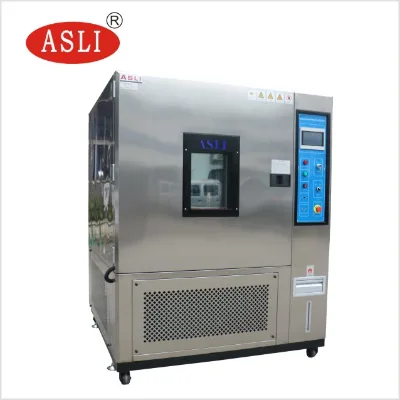
It is also essential to examine the materials of construction. High-quality units often utilize SUS 304 Stainless Steel for internal chambers and structural components, ensuring resistance to corrosion and maintaining integrity over repeated thermal cycling. The presence of a viewing window, often available as a special order, allows for real-time observation of the test process without compromising the thermal seal. Buyers should request documentation proving that the machine's construction materials and safety features meet the specific regulatory requirements of their target market, whether it be automotive, aerospace, or general manufacturing.
Cost Drivers and Pricing Structures
Understanding the cost structure of low temperature impact testing machines is vital for budgeting and total cost of ownership analysis. The observed price range in the market spans from $200 to $100,000, a wide disparity that reflects differences in capacity, automation, and brand reputation. The lower end of the spectrum typically corresponds to smaller, manual control units with basic functionality, while the upper end encompasses fully automated, computer-controlled systems with advanced thermal management and higher load capacities.
Several factors drive these costs. First, the accuracy grade and control system play a significant role; computer-controlled units with high-precision temperature regulation command a premium over manual counterparts. Second, the inclusion of specialized accessories, such as viewing windows or specific test holes with a diameter of 50mm, can increase the base price. Third, the quality of internal components, such as the compressor brand, directly impacts the cost. Machines featuring German-engineered compressors generally carry higher price tags due to their reliability and efficiency.
Buyers should also consider the packaging and shipping implications. The choice between non-solid wood packaging boxes and standard export plywood cases can affect logistics costs and compliance with international phytosanitary regulations. Furthermore, the weight of the unit, which can range from 150 kg to 2000 kg, influences freight charges and the need for specialized handling equipment upon delivery. It is crucial to evaluate the minimum order quantity (MOQ), which in many cases is set at 1 unit, allowing for flexibility in procurement without the need for bulk purchasing.
Typical Applications and Industry Use Cases
The versatility of low temperature impact testing machines makes them indispensable across a broad spectrum of industries. The primary application areas include the LED manufacturing sector, where thermal shock testing ensures the longevity of light-emitting diodes under fluctuating environmental conditions. Electronic parts manufacturers also rely on these machines to validate the durability of components against extreme cold, which can cause material brittleness and failure.
Beyond electronics, these machines serve the broader industrial sector, including automotive, aerospace, and construction materials testing. Educational institutions and research laboratories utilize them for academic studies and material science experiments, requiring high precision and repeatability. Hospitals may employ similar thermal testing principles for medical device validation, although the specific impact testing applications are less common in clinical settings compared to industrial R&D.
The structure of the machine, often a vertical model, supports a wide range of workpiece masses, typically up to 900 kg. This capacity allows for testing of large structural components or assemblies. The ability to customize the machine, indicated by "Customized: Yes" and "Customization: Available," enables manufacturers to tailor the equipment to specific industry needs, such as adjusting the test hole diameter or modifying the temperature range for specialized materials.
Supplier Evaluation and Geographic Considerations
When selecting a supplier, geographic origin is a key factor to consider. The majority of the observed products originate from China, with specific manufacturing hubs identified in Jiangsu province. This concentration suggests a mature supply chain with established expertise in producing industrial testing equipment. However, buyers must look beyond the country of origin to evaluate the specific capabilities of the manufacturer.
Key evaluation criteria include the supplier's ability to provide customization, their warranty terms, and their quality assurance processes. A standard warranty of 1 year is common, but buyers should verify the scope of coverage and the availability of technical support. The presence of a "100% Inspection" policy indicates a rigorous internal quality control process, which is essential for ensuring that every unit meets the specified performance criteria before shipment.
Lead times are another critical metric. A standard delivery time of 30 days should be anticipated, but buyers must confirm this with the specific supplier, as it can vary based on customization requirements and current production schedules. The supplier's responsiveness to inquiries regarding technical specifications, such as the accuracy grade or power source, is also a strong indicator of their professionalism and reliability.
Quality Control and Long-Term Procurement Considerations
Ensuring the long-term reliability of a Low Temperature Impact Testing Machine requires a proactive approach to quality control and maintenance. The initial purchase is only the beginning; the total cost of ownership includes ongoing calibration, component replacement, and potential downtime. Buyers should prioritize suppliers who offer comprehensive after-sales support, including training for operators and access to spare parts.
The quality of the machine's construction, such as the use of stainless steel and high-grade compressors, directly impacts its lifespan. Regular maintenance of the temperature control system is essential to maintain the specified accuracy of +/- 0.5 degrees Celsius and distribution uniformity of +/- 2.0 degrees Celsius. Buyers should establish a maintenance schedule that includes checking the integrity of the viewing window, verifying the test hole dimensions, and calibrating the temperature sensors.
Furthermore, the packaging method, whether non-solid wood or plywood cases, should be evaluated for its ability to protect the equipment during transit. Proper packaging ensures that the machine arrives in pristine condition, minimizing the risk of damage that could affect performance. By focusing on these long-term considerations, buyers can secure a reliable asset that continues to deliver accurate test results for years, supporting their quality assurance and R&D initiatives effectively.
Comparative Analysis of Key Attributes
To facilitate a clearer decision-making process, the following table summarizes the key attributes observed in the market for low temperature impact testing machines. This comparison highlights the variability in specifications and helps buyers identify the features most relevant to their specific needs.
| Attribute | Observed Range / Options | Significance for Buyer |
|---|---|---|
| Loading Method | Static Load, Dynamic Load | Determines the type of stress applied; Dynamic is essential for impact testing. |
| Control System | Manual Control, Computer Control | Computer control offers higher precision and data management capabilities. |
| Temperature Range | -65°C to +150°C | Must cover the specific thermal conditions required for the material being tested. |
| Control Accuracy | +/- 0.5°C | Critical for ensuring test validity and repeatability. |
| Power Source | AC220V, AC380V | Must match facility power infrastructure; higher voltage often supports larger units. |
| Weight | 150kg to 2000kg | Impacts floor loading requirements and shipping logistics. |
| Certification | ISO, TUV, CE, SGS | Indicates compliance with international safety and quality standards. |
| Warranty | 1 Year (Standard) | Defines the period of manufacturer liability for defects and repairs. |
| Origin | China (Jiangsu) | Indicates supply chain location and potential lead times. |
| Customization | Available / Yes | Allows for tailoring the machine to specific test protocols or dimensions. |
By carefully analyzing these attributes against project requirements, buyers can make informed decisions that align with their technical and operational goals. The diversity of options available in the market underscores the importance of a thorough evaluation process, ensuring that the selected machine not only meets immediate testing needs but also supports long-term quality assurance objectives.
FAQs
What is the temperature range for these machines?
The temperature range spans from -65 degrees Celsius to +150 degrees Celsius. This wide operational envelope allows for testing materials under extreme thermal shock conditions while maintaining stability within a +/- 0.5 degree control accuracy.
Can I customize the loading method for my needs?
Yes, customization is available for loading methods including static and dynamic load options. Buyers can select between mechanical or electronic load systems depending on whether they require gradual force application or rapid energy transfer for impact testing.
Which certifications do these machines typically hold?
These machines commonly hold ISO, TUV, CE, and SGS certifications. These marks indicate compliance with international safety and quality management standards, ensuring the equipment meets rigorous regulatory requirements for industrial and laboratory use.
How long is the delivery time for an order?
The standard delivery time is approximately 30 days. This lead time applies to most configurations, though it may vary slightly if specific customizations like special viewing windows or unique test hole dimensions are requested.
What is the minimum order quantity for these units?
The minimum order quantity is one unit for most models. This flexible MOQ allows buyers to procure a single machine for testing without needing to commit to bulk purchases, making it suitable for small labs or pilot projects.
Where are these machines manufactured?
These machines are manufactured in China, with specific production hubs located in Jiangsu province. This geographic concentration supports a mature supply chain capable of delivering equipment with verified quality inspection processes and standard export packaging.
What power source is required for operation?
Power requirements vary between AC220V for compact units and AC380V for larger industrial models. The specific voltage depends on the machine's capacity and the complexity of its control system, such as computer-controlled versus manual operation.