Source Lower Placement Gear Shift Pedal for Auto Repair, Racing, and Custom Builds
Find and compare 30 listings for the Lower Placement Gear Shift Pedal across various automotive applications. Buyers can evaluate options made from aluminum, steel, or plastic, with customization available for specific vehicle brands like Toyota.
Key considerations
Products List


Front End Loader Drive-Train Transmission Assembly Power Shift Gearbox
$1000.00 - $12000.00
MOQ: 1 Pieces
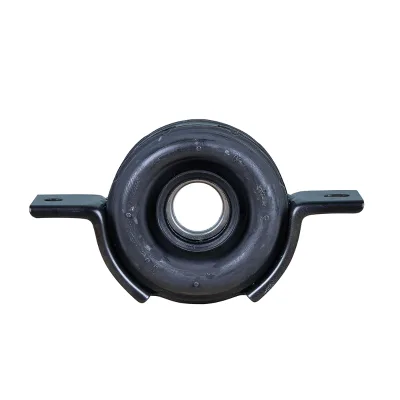


$150.00 - $15000.00
MOQ: 1 Sets
Comprehensive Sourcing Guide
Lower Placement Gear Shift Pedal Sourcing Guide
Procuring lower placement gear shift pedals requires a nuanced understanding of automotive interior ergonomics and mechanical linkage systems. These components are critical for driver interaction, serving as the primary interface for gear selection in manual and certain automatic transmission vehicles. The design must balance tactile feedback with durability, ensuring that the pedal withstands repeated actuation without mechanical failure or excessive wear. Buyers must recognize that "lower placement" often refers to the mounting position relative to the dashboard or floor pan, which can influence legroom, pedal feel, and overall cabin aesthetics. This positioning is not merely cosmetic; it affects the leverage ratio and the force required to engage gears, making precise engineering essential for a satisfactory user experience.
The sourcing landscape for these components is diverse, ranging from direct replacement parts for specific vehicle models to custom-designed units for aftermarket modifications or specialized industrial machinery. Suppliers may offer standardized units that fit universal mounting patterns or bespoke solutions tailored to specific OEM requirements. It is crucial for procurement teams to distinguish between off-the-shelf replacements and custom-engineered parts, as the latter involves significantly different lead times, tooling costs, and quality assurance protocols. Understanding the specific application context—whether for a consumer automobile, a commercial truck, or a piece of heavy machinery—will dictate the necessary material properties, finish requirements, and certification standards.
Product Scope and Observed Listing Signals
Market listings for gear shift mechanisms and related control arms reveal a wide spectrum of product types and material compositions. Observed data indicates that suppliers often categorize these items under broader headings such as "Control Arms," "Short Gear Shifters," or general "Auto and Motorcycle Accessories." This categorization ambiguity requires buyers to scrutinize product descriptions carefully to ensure they are sourcing the correct component. For instance, some listings highlight "Front Lower Forward & Rearward Control Arms" or "Lower Position Front Control Arms," which may be structurally related to the pedal assembly or part of the suspension system that influences pedal geometry. Buyers must verify that the listed item is indeed the shift pedal itself and not a supporting structural element, as confusion between these parts can lead to costly procurement errors.
Material selection is a key differentiator in the observed market, with listings citing Aluminum, Plastic, Leather, Stainless Steel, and various alloys. The choice of material directly impacts the pedal's weight, durability, and aesthetic appeal. Aluminum and stainless steel are frequently preferred for their strength-to-weight ratio and resistance to corrosion, while plastic components may be used for internal linkages or non-contact surfaces to reduce noise and cost. Some suppliers offer customization options, including logo acceptance and specific packaging formats like OPP packs or plywood cases, indicating a readiness for OEM branding and bulk distribution. Buyers should pay close attention to these material specifications to ensure compatibility with their vehicle's interior design and functional requirements.
Technical Specifications to Verify
When evaluating technical specifications, the first priority is to confirm the exact model number and compatibility with the target vehicle or machinery. Listings often provide specific model codes, such as 114014, 115118, or 115022, which serve as unique identifiers for the part. Buyers must cross-reference these codes with their vehicle's service manual or OEM parts catalog to ensure a direct fit. Additionally, the "Universal" standard mentioned in some listings suggests that certain components may be adaptable to multiple platforms, but this requires careful measurement of mounting hole patterns, pedal arm length, and pivot point dimensions. Verifying these physical dimensions is critical to avoid installation issues that could compromise the vehicle's operation or safety.
Surface treatment and machining methods are also vital technical considerations. Processes such as CNC turning and surface treatments like anodizing are commonly employed to enhance the durability and appearance of metal components. Anodizing, in particular, provides a hard, corrosion-resistant finish that is ideal for high-touch areas like gear shift pedals. Buyers should inquire about the specific machining tolerances and surface roughness values to ensure the component meets the required precision standards. Furthermore, the drawing formats provided by suppliers, such as PDF, STP, or Step files, should be reviewed to assess the complexity of the design and the feasibility of manufacturing. These technical details help buyers determine whether a supplier has the necessary engineering capabilities to produce a high-quality, reliable product.
Compliance and Safety Documentation
Compliance with international and regional safety standards is non-negotiable for automotive components. Buyers must verify that suppliers hold relevant certifications, such as ISO, CCC, CE, and TUV, which indicate adherence to quality management and safety regulations. These certifications are particularly important for components that interact directly with the driver, as they ensure that the product has undergone rigorous testing for durability, load-bearing capacity, and environmental resistance. Suppliers claiming "Universal" or "Customization" standards should be asked to provide documentation proving that their products meet the specific regulatory requirements of the destination market, whether it is the European Union, North America, or Asia.
In addition to product certifications, buyers should request evidence of material compliance, particularly regarding the use of hazardous substances. Regulations such as REACH in Europe and RoHS globally restrict the use of certain chemicals in manufacturing processes. Suppliers should be able to provide material safety data sheets (MSDS) and declarations of conformity for all materials used in the pedal assembly, including metals, plastics, and any leather or fabric coverings. This documentation is essential for ensuring that the final product does not pose health risks to occupants and meets environmental standards. Buyers should also inquire about the supplier's quality control processes, including in-process inspections and final testing protocols, to ensure consistent compliance across production batches.
Cost Drivers and Commercial Terms
The cost of lower placement gear shift pedals is influenced by several factors, including material costs, manufacturing complexity, and order volume. Observed price ranges vary significantly, from low-cost plastic components to high-end aluminum or stainless steel units with custom finishes. Buyers should be aware that prices listed on platforms may represent a broad range, and the actual cost will depend on the specific configuration, quantity, and customization requirements. Minimum Order Quantities (MOQs) also play a crucial role in pricing, with some suppliers requiring orders as low as 100 pieces, while others may set MOQs at 500 or even 10,000 pieces. Understanding these thresholds helps buyers negotiate better terms and plan their inventory management effectively.
Commercial terms such as packaging, lead times, and payment conditions are equally important in the procurement process. Suppliers may offer various packaging options, from simple OPP packs to more protective plywood cases or palletized shipments, which can impact shipping costs and product protection during transit. Lead times can vary based on the production type, with single production runs potentially taking longer than standard stock items. Buyers should clarify these details upfront to avoid delays in their supply chain. Additionally, understanding the supplier's return policy and warranty terms is essential for mitigating risks associated with defective products or non-conforming deliveries.
Supplier Qualification and Quality Control
Supplier qualification is a critical step in ensuring the reliability of the supply chain. Buyers should conduct thorough due diligence on potential suppliers, verifying their business licenses, manufacturing capabilities, and past performance. Suppliers located in regions known for automotive component manufacturing, such as Zhejiang or Ningbo in China, may offer competitive advantages in terms of cost and expertise. However, buyers should not rely solely on location; they must assess the supplier's technical competence, including their ability to handle CNC turning, anodizing, and other specialized processes. Requesting samples and conducting factory audits can provide valuable insights into the supplier's quality management systems and production standards.
Quality control measures should be clearly defined and agreed upon before production begins. Buyers should specify the acceptable quality limits (AQL) for defects and require pre-shipment inspections to ensure that the products meet these standards. Suppliers should have robust in-process quality control procedures, including dimensional checks, surface finish inspections, and functional testing of the pedal mechanism. Buyers should also inquire about the supplier's traceability systems, which allow for the tracking of components from raw material to finished product. This level of transparency is essential for identifying and addressing any quality issues that may arise during production or after delivery.
Long-Term Procurement Checks
Long-term procurement success depends on establishing a sustainable and resilient supply chain. Buyers should regularly review supplier performance metrics, including on-time delivery rates, product quality, and responsiveness to issues. Building strong relationships with suppliers can lead to better pricing, priority production scheduling, and collaborative problem-solving. Buyers should also stay informed about industry trends and technological advancements that may impact the design and manufacturing of gear shift pedals. This proactive approach allows buyers to anticipate changes in demand and adjust their sourcing strategies accordingly.
Continuous improvement is key to maintaining high standards in procurement. Buyers should encourage suppliers to adopt best practices in manufacturing and quality management, such as Lean production or Six Sigma methodologies. Regular communication and feedback loops can help identify areas for improvement and foster a culture of excellence. Additionally, buyers should consider diversifying their supplier base to mitigate risks associated with single-source dependencies. By maintaining a flexible and adaptive sourcing strategy, buyers can ensure a steady supply of high-quality lower placement gear shift pedals, supporting the long-term success of their operations.
FAQs
Can I get custom packaging for the gear shift pedal?
Yes, customized packaging is available for this product. The standard options include OPP packs, while buyers can request specific customized packages to meet their branding or shipping needs.
What is the minimum order quantity for this item?
The minimum order quantity varies by product model, ranging from 100 pieces to 500 pieces. Some listings specify an MOQ of 500 pieces, while others accept orders starting at 100 pieces.
Which materials are used to manufacture this pedal?
Major materials include aluminum, plastic, leather, and stainless steel. Some variations also utilize iron, copper, alloy, brass, nylon, or steel depending on the specific model and application requirements.
How long does production take for custom orders?
Production time is approximately 40 days for standard orders. This lead time applies to the manufacturing process before the goods are packed and ready for shipment to the buyer.
What certifications do the products hold?
Products may hold ISO, CCC, CE, and TUV certifications. These standards ensure quality and safety compliance for automotive accessories and hardware tools used in various industrial applications.
Where are these products manufactured?
Products originate from Zhejiang and Ningbo in China. These locations serve as the primary production hubs for the aluminum, plastic, and steel components used in the gear shift pedals.