Source LPG Coriolis Flow Meter for Gas, Water, and Fuel Applications
Find 30 LPG Coriolis Flow Meter options for industrial production, energy metering, and wastewater management. Buyers can compare specifications including accuracy, flow rates, and sensor types from verified suppliers in China.
Key considerations
Products List

$500.00 - $5000.00
MOQ: 1 Pieces
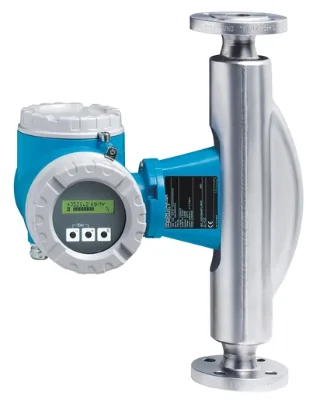


Hot Selling LPG Flowmeter High Viscosity Fuel Oil Liquid Coriolis Mass Flow Meter
$1000.00 - $5000.00
MOQ: 1 Pieces


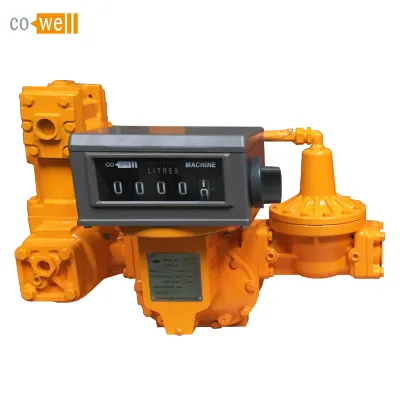
High Accuracy Industry LNG LPG Coriolis Mass Flowmeter for Oil Gas Industry
$1000.00 - $4000.00
MOQ: 1 Pieces




Comprehensive Sourcing Guide
Strategic Sourcing Guide for LPG Coriolis Flow Meters
Understanding Coriolis Technology for LPG Applications
The procurement of a Coriolis mass flow meter for Liquefied Petroleum Gas (LPG) requires a precise understanding of the underlying measurement physics and the specific operational demands of the fluid. Unlike volumetric meters that measure the space a fluid occupies, Coriolis meters measure mass directly by detecting the phase shift in vibrating tubes caused by the flowing mass. This distinction is critical for LPG, where density fluctuates significantly with temperature and pressure changes. The supplied data indicates that the measuring principle relies on Atomic Physics, a specific technical classification for the sensor technology employed in these high-precision instruments. The core attribute of these devices is their ability to measure the mass flow rate with high accuracy, typically cited in the observed range of ±0.2% to ±0.5%, with some specific models achieving accuracy levels as high as 0.05%.
For LPG applications, the fluid properties are complex. The meter must handle media that can be corrosive, and the supplied facts confirm that the measuring media includes Nature Gas, Diesel Fuel, Fuel Oil, and Corrosive Liquid/Gas. The technology supports both open channel and closed pipeline measurement objects, though LPG distribution typically utilizes closed pipeline systems. The sensor type is identified as "Plug-in," which suggests a specific installation methodology where the sensor is inserted into the flow stream, potentially allowing for maintenance without full system shutdown. The operating voltage range observed is broad, accommodating AC85265V and DC24V or DC1228V, ensuring compatibility with various industrial power grids and control systems. The output signal is standardized at 0~20mA, a universal analog signal compatible with most programmable logic controllers (PLCs) and data acquisition systems used in industrial production environments.
Technical Specifications and Performance Parameters
When evaluating potential suppliers, buyers must scrutinize the technical specifications to ensure the meter can withstand the rigors of LPG handling. The supplied product data reveals a wide range of Nominal Diameters (DN), from DN10 to DN3800, indicating that manufacturers offer solutions for both small-scale laboratory applications and large-scale industrial pipelines. Specific models listed include the HYCG-50, CNG-15, and CG-25, each tailored to different flow capacities. For instance, the observed Max. Flow Rates vary significantly, ranging from 70kg/Min to 0~1000kg/Min, allowing procurement teams to select a unit that matches their specific throughput requirements without oversizing or undersizing the equipment.
Temperature tolerance is another vital specification. The data indicates an operating fluid temperature range of -200°C to 200°C. This wide thermal window is essential for LPG, which can exist in cryogenic states or be heated for vaporization. The pressure rating is equally critical, with a Maximum Working Pressure (Mwp.) observed at 4MPa. This ensures the meter can handle the high pressures often found in LPG storage and transfer lines. The wetted parts, which are the components in direct contact with the fluid, are specified as Stainless Steel 316L. This material choice is a standard industry best practice for LPG due to its excellent corrosion resistance and ability to maintain structural integrity under pressure.
The physical dimensions and weight of the unit are also factors in the procurement process. The single package size is noted as 64x41.5x21 cm, and the single gross weight is 19.600 kg. These figures are important for logistics planning, particularly when shipping from the place of origin, which is identified as China, specifically from regions like Zhejiang and Wenzhou. The standard package size is listed as 0.05CBM, which helps in calculating freight costs. Additionally, the loss of pressure across the meter is specified as less than 0.2MPa, a low value that minimizes energy loss and pressure drop in the pipeline, ensuring efficient system operation.
Compliance, Certification, and Regulatory Standards
Navigating the regulatory landscape is a non-negotiable aspect of sourcing industrial flow meters. The supplied facts explicitly list ISO and CE certifications as available attributes for these products. ISO certification indicates that the manufacturer adheres to international quality management standards, while CE marking confirms compliance with European health, safety, and environmental protection standards. For buyers operating in or exporting to the European market, the CE mark is a mandatory requirement. However, buyers must verify that the specific unit they are purchasing carries these certifications for the intended application, as certification status can vary by model and production batch.
Beyond the listed certifications, the procurement of LPG meters often requires adherence to specific industry standards that may not be explicitly detailed in the general product summary. Buyers should verify if the meter meets local metrological regulations, such as those from the National Institute of Standards and Technology (NIST) in the US or the Measuring Instruments Directive (MID) in the EU. The standard for the product is listed as 0.05CBM, which likely refers to packaging volume, but the manufacturing standard for the meter itself should be cross-referenced with the supplier's documentation. The model number, such as 80F50 or CG-25, serves as a unique identifier that buyers should use to request specific test reports and calibration certificates.
Cost Drivers and Economic Considerations
The price range for LPG Coriolis flow meters is substantial, with observed listed prices spanning from $60 to $200,000. This vast disparity is driven by several key factors, including the nominal diameter, the complexity of the electronics, the materials used for the wetted parts, and the level of customization required. A small DN10 meter for a laboratory setting will naturally be at the lower end of the spectrum, while a large DN3800 unit for a major industrial terminal will command a premium price. The accuracy level is another significant cost driver; models offering 0.05% accuracy are typically more expensive than those with ±0.5% accuracy due to the tighter tolerances and advanced calibration processes involved.
The Minimum Order Quantity (MOQ) is another economic factor to consider. The observed MOQ range is 1 to 100 units. For small projects or pilot installations, an MOQ of 1 allows for flexibility and risk mitigation. However, for large-scale infrastructure projects, buyers may need to negotiate volume discounts, though the data suggests that single-item selling units are available. The warranty period is also a critical component of the total cost of ownership. The supplied data shows warranty periods of 1 year and 2 years. A longer warranty can reduce long-term maintenance costs and provide greater peace of mind, but it may also be reflected in a higher initial purchase price. Buyers should carefully evaluate the trade-off between upfront cost and long-term warranty coverage.
Supplier Evaluation and Customization Capabilities
Selecting the right supplier involves more than just comparing price and specifications; it requires a deep dive into their manufacturing capabilities and support services. The supplied facts indicate that customization is available, with specific support for OEM (Original Equipment Manufacturer), ODM (Original Design Manufacturer), OBM (Original Brand Manufacturer), and Software Reengineering. This suggests that suppliers are flexible enough to adapt the meter to specific client branding or integration needs. For example, a buyer might require the meter to interface with a proprietary SCADA system, necessitating software reengineering capabilities.
The brand name "QLX" is mentioned in the data, but buyers should not limit their search to a single brand. Instead, they should evaluate the supplier's track record in the energy metering and industrial production sectors. The place of origin is consistently listed as China, with specific hubs in SHG, Zhejiang, and Wenzhou. These regions are known for their manufacturing clusters, but buyers should verify the specific factory location to ensure quality control standards are met. The packing method, listed as "Carton" or "1 Set/Carton," is a basic indicator of shipping readiness, but buyers should also inquire about the packaging for high-value, sensitive instruments to ensure they are protected during transit.
Quality Control and Long-Term Procurement Strategy
Ensuring the quality of the flow meter is paramount, especially when dealing with hazardous materials like LPG. The supplier's quality control processes should be rigorously audited. Buyers should request documentation on the calibration procedures used to achieve the stated accuracy of ±0.2% to ±0.5%. The fact that the sensor is a "Plug-in" type suggests that the design allows for easy replacement or maintenance, which is a positive quality indicator. However, the buyer must verify the sealing integrity of the plug-in mechanism to prevent leaks, a critical safety concern for LPG.
Long-term procurement considerations extend beyond the initial purchase. The operating voltage range of AC85265V and DC24V/1228V ensures broad compatibility, but buyers should plan for power redundancy and surge protection. The output signal of 0~20mA is standard, but the buyer should confirm the resolution and response time of the signal to ensure it meets the dynamic requirements of their process control. The warranty period, whether 1 or 2 years, should be clearly defined in the contract, including what is covered (e.g., manufacturing defects vs. wear and tear).
Furthermore, the availability of spare parts and technical support is crucial. Given the wide range of models and the specific nature of LPG applications, buyers should ensure that the supplier has a robust supply chain for replacement parts, such as sensors or electronics modules. The ability to perform software reengineering is a significant advantage, as it allows for future upgrades without replacing the entire hardware unit. Buyers should also consider the environmental impact and disposal protocols for the meter at the end of its lifecycle, although this is often a secondary concern compared to immediate operational safety and accuracy.
Comparative Analysis of Model Capabilities
To assist in the decision-making process, the following table summarizes the key technical differences observed in the supplied product data. This comparison highlights the variability in flow rates, diameters, and pressure ratings across different models, aiding buyers in selecting the most appropriate unit for their specific LPG application.
| Feature | Model A (e.g., HYCG-50) | Model B (e.g., CNG-15) | Model C (e.g., CG-25) |
|---|---|---|---|
| Nominal Diameter | DN10 - DN3800 | 25mm (1 Inch) | 50mm (2 Inch) |
| Max. Flow Rate | Up to 1000kg/Min | 0~200kg/Min | 0~1000kg/Min |
| Accuracy | ±0.2-0.5% | 0.05% | Variable |
| Pressure Rating | <0.2MPa Loss | 4MPa (Mwp.) | Variable |
| Temperature Range | -200~200°C | -200~200°C | -200~200°C |
| Wetted Parts | Stainless Steel 316L | Stainless Steel 316L | Stainless Steel 316L |
| Output Signal | 0~20mA | 0~20mA | 0~20mA |
| Warranty | 1-2 Years | 1-2 Years | 1-2 Years |
This table illustrates that while the core technology and materials remain consistent, the scale and specific performance metrics vary significantly. Buyers must align these specifications with their operational requirements to avoid costly mismatches.
Final Procurement Recommendations
In conclusion, sourcing an LPG Coriolis Flow Meter is a complex process that demands a thorough understanding of technical specifications, regulatory compliance, and supplier capabilities. The observed data provides a solid foundation for evaluating potential products, but buyers must remain vigilant in verifying all claims against independent test data and certification documents. The wide range of prices, flow rates, and diameters offers flexibility, but it also requires careful analysis to ensure the selected meter is fit for purpose. By prioritizing accuracy, material integrity, and long-term support, buyers can secure a reliable solution for their LPG measurement needs. The availability of customization and software reengineering further enhances the value proposition, allowing for tailored solutions that integrate seamlessly into existing industrial infrastructure. Ultimately, a disciplined approach to supplier evaluation and quality control will ensure a successful procurement outcome.
FAQs
What is the accuracy range for these flow meters?
The accuracy ranges from ±0.2% to ±0.5%, with some specific models achieving 0.05%. This high precision ensures reliable mass flow measurement for LPG applications where density fluctuates with temperature and pressure changes.
Which certifications are available for these products?
ISO and CE certifications are available for these flow meters. These certifications indicate adherence to international quality management standards and compliance with European health, safety, and environmental protection requirements for industrial use.
Can the sensor be customized for specific needs?
Yes, customization is available with support for OEM, ODM, OBM, and software reengineering. This flexibility allows buyers to adapt the meter to specific branding or integrate it with proprietary SCADA systems and control requirements.
What is the operating voltage range for the device?
The operating voltage supports AC85~265V and DC24V or DC12~28V. This broad range ensures compatibility with various industrial power grids and control systems, facilitating installation in diverse energy metering and production environments.
How is the product packaged and shipped?
The product is packed in cartons with a single package size of 64x41.5x21 cm and a gross weight of 19.6 kg. This packaging standard helps in calculating freight costs and planning logistics for shipments from China.
What warranty periods are offered for these meters?
Warranty periods of 1 year and 2 years are offered depending on the specific model. A longer warranty can reduce long-term maintenance costs, though it may be reflected in a higher initial purchase price for the unit.