Source Luggage Tags for Travel, Hotels, and Airports
Source 30 Luggage Tag options for travel, hotel, and airport use. Compare PVC and PU materials, custom logo printing, and eco-friendly features to find the right fit for your needs; compare the available evidence and request quotations based on your requirements.
Key considerations
Products List


Factory Price Real Leather Luggage Tag Suitcase Hang Tag Travel Luggage Tag
$0.85 - $1.08
MOQ: 1000 Pieces


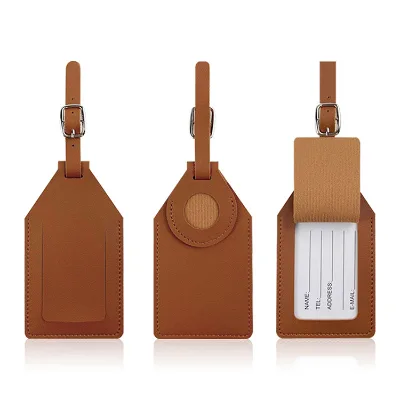
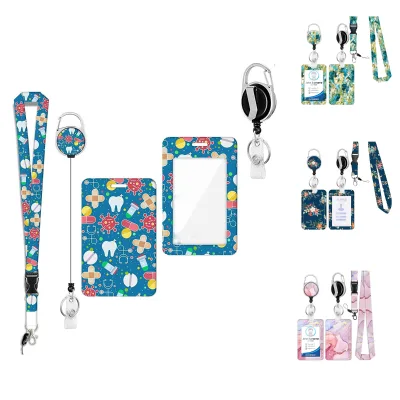
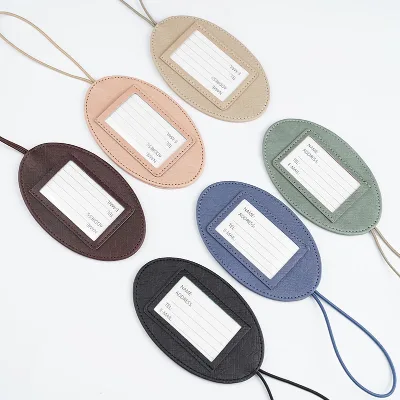


Comprehensive Sourcing Guide
Luggage Tag Sourcing Guide
The global market for luggage tags has expanded significantly to meet the needs of travelers, hotels, and exhibition organizers who require durable identification solutions. Based on current listings, these products are frequently manufactured from PVC or PU materials, offering a balance between flexibility and resistance to wear. Buyers should note that while some items are designed for single-use novelty, the majority of commercial-grade tags are non-disposable and built for repeated travel cycles. The observed product range includes simple, retro, and fashion styles, with specific applications tailored for airport transit, hotel amenities, and home decoration purposes.
Procurement strategies must account for the diverse customization options available, as most suppliers accept OEM requests and offer logo printing services. The standard size of 85x50mm is common, yet many vendors provide customized magnet sizes to fit specific luggage types or branding requirements. Color availability typically spans nine standard options, though custom color matching is often possible. When sourcing, buyers must verify whether the attachment mechanism is a plastic belt or another style, as this impacts the tag's security and ease of use during transit.
Product Scope and Observed Listing Signals
Current market listings indicate a wide variance in product attributes, ranging from basic plastic sheets to more complex PU leather designs with stitching details. Buyers should carefully distinguish between items marketed for general decoration and those engineered for high-traffic travel environments. The observed data shows that while some products are explicitly labeled as eco-friendly and recyclable, others focus on waterproof capabilities or specific hardness levels like soft PU. This diversity requires a clear definition of the intended use case, whether it is for a festival occasion, daily travel, or promotional giveaways.
The commercial signals in the market also highlight significant differences in packaging and logistics. Some suppliers pack items individually in polybags, while others utilize carton packaging with specific weight limits, such as 25kg per carton. The presence of a warehouse inventory of over 4000 square meters suggests that some vendors can handle large volume orders with rapid dispatch. However, buyers must verify if the "one per polybag" standard applies to their specific order or if bulk carton packing is the default for larger quantities.
Technical Specifications to Verify
Technical due diligence is essential when selecting between the various material and structural options available in the market. Buyers must confirm the exact material composition, as PVC and PU offer different tactile and durability profiles. The standard specification of 100G weight or specific dimensions like 85x50mm should be validated against the actual product samples to ensure they meet the required physical standards. Additionally, the hardness rating, whether soft or rigid, directly influences the tag's ability to withstand the rigors of baggage handling without tearing or losing its shape.
Verification of the attachment system and logo application method is equally critical for functional reliability. The observed data points to plastic belts as a common attachment style, but the strength of this connection must be tested to prevent loss during transit. For branding, the printing process should be confirmed as either standard or customizable, ensuring that the logo remains legible and does not fade after exposure to moisture or friction. Buyers should also check if the product includes specific features like waterproofing or if it is merely water-resistant, as this distinction affects suitability for outdoor or wet environments.
Compliance and Safety Documentation
Regulatory compliance is a non-negotiable aspect of sourcing luggage tags, particularly for products entering markets with strict safety standards. The observed listings frequently cite certifications such as ISO, CE, RoHS, and FCC, which indicate adherence to international quality and environmental norms. For products intended for children or specific regional markets, verifying compliance with EN-71 and non-phthalate standards is crucial to avoid regulatory hurdles. Buyers must request current test reports to confirm that the materials used do not contain harmful substances that could violate local import regulations.
Beyond material safety, documentation regarding the manufacturing process and origin must be scrutinized to ensure supply chain transparency. Many suppliers list their origin as Zhejiang, China, and some provide BSCI certification, which addresses social compliance and labor standards. It is vital to confirm that the claimed certifications are valid and applicable to the specific product model, such as the GS14256 or PH-01 series. Buyers should also verify if the product standards, such as the 100G weight specification, are part of a formal quality control protocol rather than just a marketing claim.
Cost Drivers and Commercial Terms
Pricing in the Luggage Tag market is influenced by material costs, customization complexity, and order volume. The observed price range of 0.05 to 2.11 USD reflects the spectrum from basic plastic tags to premium PU leather items with intricate designs. Buyers should anticipate that higher customization levels, such as specific logo printing or unique color matching, will push costs toward the upper end of this range. Additionally, the choice of packaging, whether individual polybags or bulk cartons, can impact the final unit cost and shipping efficiency.
Commercial terms regarding minimum order quantities (MOQ) and lead times are significant factors in procurement planning. The market shows an MOQ range from 10 to 10,000 units, allowing flexibility for both small startups and large enterprises. Lead times typically vary between 10 to 15 days, but this can extend based on the complexity of the order and the supplier's current production capacity. Buyers must clarify if sample availability is included in the initial negotiation and whether the supplier offers a warranty or replacement policy for defective units upon delivery.
Supplier Qualification and Quality Control
Selecting a qualified supplier requires a thorough assessment of their production capabilities and quality assurance protocols. The presence of certifications like ISO9001 and BSCI suggests a commitment to standardized processes, but buyers should verify these claims through third-party audits or recent inspection reports. It is important to confirm that the supplier has the technical capacity to handle the specific production techniques required, such as handmade stitching or specific printing methods, to ensure the final product matches the design specifications.
Quality control measures should be established before production begins to mitigate the risk of defects. Buyers should request pre-production samples to validate the material hardness, color accuracy, and attachment strength. During production, regular in-line inspections can help identify issues early, ensuring that the final batch meets the agreed-upon standards. Given the diverse applications from home decoration to airport use, the supplier must demonstrate a consistent ability to maintain quality across different product lines and customization requests.
Long-Term Procurement Checks
Sustainable procurement practices are increasingly important for maintaining a competitive edge and ensuring supply chain resilience. Buyers should evaluate the supplier's commitment to eco-friendly practices, such as the use of recyclable materials and non-phthalate formulations, to align with corporate sustainability goals. Long-term partnerships are often built on the ability of the supplier to adapt to changing market demands, such as new fashion elements or seasonal requirements, while maintaining consistent quality and compliance.
Continuous monitoring of supplier performance is essential to ensure that the relationship remains beneficial over time. Buyers should establish key performance indicators (KPIs) related to delivery times, defect rates, and responsiveness to customization requests. Regular reviews of the supplier's inventory levels and production capacity can help anticipate potential bottlenecks and ensure timely fulfillment of large orders. By maintaining open communication and conducting periodic audits, buyers can secure a reliable supply of high-quality luggage tags that meet their evolving business needs.
FAQs
Can I customize the logo on the Luggage Tag?
Yes, logo printing is available for this product. You can choose from nine different colors to match your brand identity. The customization process accepts OEM requests, allowing for tailored designs. This feature ensures your Luggage Tag stands out while maintaining a simple and professional style for hotel or travel use.
What materials are used for the Luggage Tag?
The Luggage Tag is primarily made from PVC and PU materials. Some variants feature a stitching bag fashion element with a retro style. These materials ensure the tag is durable, waterproof, and soft to the touch. The construction supports both daily use and home decoration applications while remaining eco-friendly and recyclable for sustainable sourcing.
What certifications does the Luggage Tag hold?
The product holds ISO, CE, RoHS, FCC, and BSCI certifications. It also meets En-71 standards and is non-phthalate. These credentials verify safety and quality for international markets. The manufacturing origin is in Zhejiang, China, ensuring compliance with global standards. Buyers can rely on these documented certifications for regulatory approval in various countries.
What is the typical lead time for orders?
The standard delivery time is 10-15 days. This timeframe applies to customized orders and bulk purchases. Samples are available for quality verification before full production. The efficient lead time supports timely procurement for exhibitions, airports, and travel sectors. Buyers should plan their inventory accordingly to align with this production schedule.
What is the minimum order quantity for this tag?
The minimum order quantity ranges from 10 to 10,000 units. This flexibility accommodates both small sample requests and large commercial orders. The packaging is typically one piece per polybag, with 200 pieces per carton. This structure supports efficient logistics and storage for distributors and retailers seeking varied order sizes.
Is the Luggage Tag suitable for international travel?
Yes, the tag is designed for travel, airport, and hotel use. It features a plastic belt attachment for secure fastening. The product covers over 200 countries, ensuring global compatibility. Its durable PVC and PU construction withstands handling during transit. The customizable logo helps travelers identify their luggage quickly in busy international hubs.