Source Luxury 7ft Air Hockey Table for home, arcade, and party
Compare 30 listings for a Luxury 7ft Air Hockey Table from verified Chinese manufacturers. Buyers can review electronic features, custom sizes, and OEM services for indoor or outdoor game rooms.
Key considerations
Products List


7FT Deluxe Air Hockey Table with High Quality Big Size Air Hockey Table
$160.00 - $168.00
MOQ: 50 Pieces


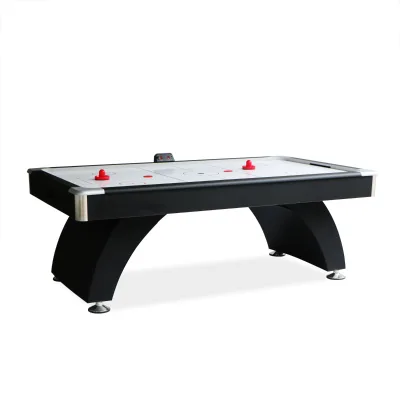
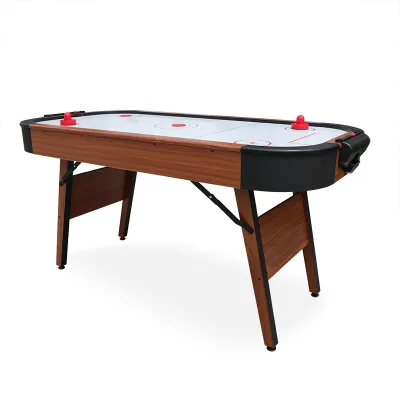
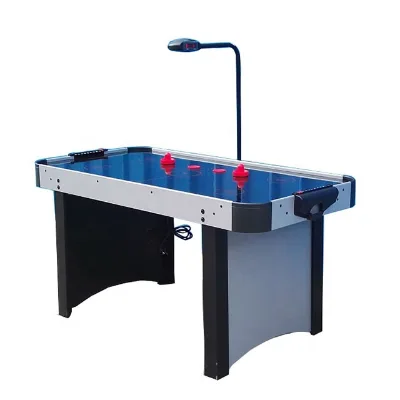
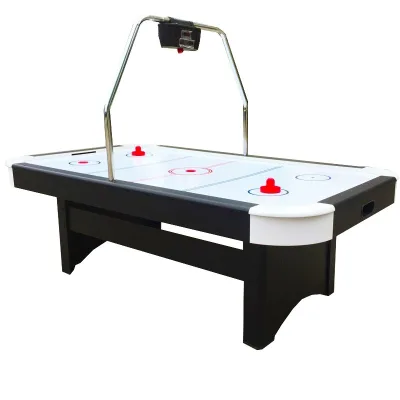
Hot Sale Classic MDF High Quality 7ft Air Hockey Table With Electronic Scorers
$223.16 - $293.15
MOQ: 1 pieces


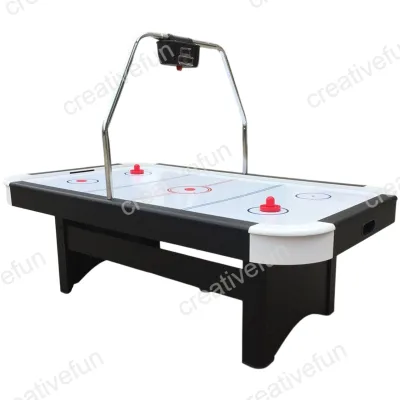
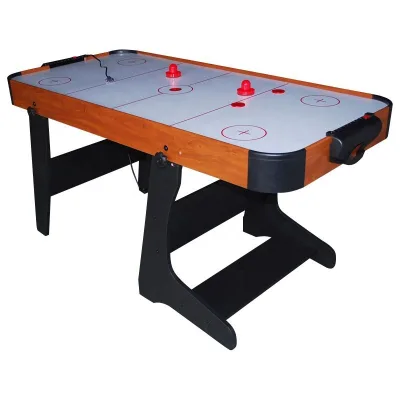
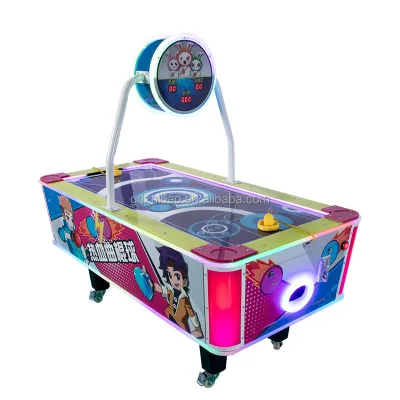
Commercial professional air hockey table top superior auto air hockey table for amusement park
$1121.90 - $1529.87
MOQ: 1 Minimum
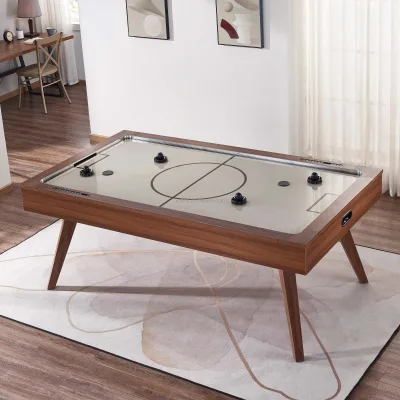
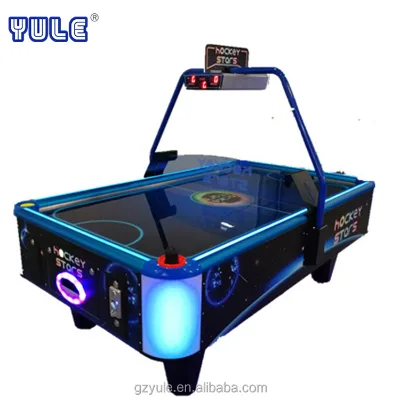


Factory Custom Wholesale7FT Air Hockey Table Rec Room Games Arcade Table Games
$145.00 - $169.00
MOQ: 100 Sets


Factory Wholesale 7 Foot Air Hockey Table, Indoor Home Entertainment Game Room
$168.00 - $188.00
MOQ: 100 Sets
Comprehensive Sourcing Guide
Strategic Sourcing Guide for Luxury 7ft Air Hockey Tables
Defining the Product Category and Technical Baseline
Sourcing a Luxury 7ft Air Hockey Table requires a precise understanding of the technical baseline that distinguishes high-end recreational equipment from standard commercial units. The core keyword "Luxury 7ft Air Hockey Table" implies a specific dimensional standard, typically aligning with the 7-foot (approximately 72 inches) playing surface length observed in the current market data. While some listings reference alternative dimensions such as 84 inches or 60 inches, the 7ft specification remains the industry benchmark for residential and semi-commercial installations where space is a premium but performance is paramount.
The structural integrity of these units is often defined by the material composition. Available data indicates that high-quality tables frequently utilize Medium Density Fiberboard (MDF) or solid wood construction. MDF is preferred for its smooth playing surface and resistance to warping, which is critical for maintaining the consistent air flow required for puck movement. In contrast, wood construction offers a distinct aesthetic appeal often associated with luxury finishes. The playing surface itself must be engineered to minimize friction, allowing the electronic scoring systems to function without mechanical interference.
Electronic features are a significant differentiator in the luxury segment. Unlike basic models, high-end units often integrate electronic scorers and digital displays. These systems provide real-time tracking of goals and game statistics, enhancing the competitive experience. The presence of electronic components necessitates careful attention to power requirements and wiring protection, ensuring that the table remains safe for use in various environments, including family homes and dedicated game rooms.
Compliance Standards and Certification Verification
When procuring luxury air hockey tables, verifying compliance with safety and quality standards is essential to mitigate liability and ensure product longevity. The supplied data references specific dimensional standards, such as 72" x 38" x 32" or 84" x 48" x 32", which serve as critical benchmarks for buyers to validate against manufacturer specifications. These dimensions are not merely aesthetic choices but are often tied to the internal structural engineering required to support the air blower system and the playing surface tension.
Buyers must verify that the product meets relevant safety standards for recreational equipment. While specific certification names are not universally mandated in the provided context, the presence of a "Standard" attribute in product listings suggests that manufacturers adhere to defined size and construction protocols. It is imperative to request documentation confirming that the table's electrical components, particularly the electronic scorers and blower motors, comply with regional safety regulations. This includes checking for proper grounding, insulation, and overload protection.
Furthermore, the origin of the product plays a role in compliance. The data indicates that many units originate from Guangdong, China, a major manufacturing hub. Buyers should ensure that the supplier can provide proof of origin and that the manufacturing process adheres to international quality management systems. This verification is crucial for luxury goods, where consistency and adherence to global safety norms are expected. The "7FT" standard mentioned in the data serves as a reference point, but buyers must confirm that the specific model they are purchasing meets this standard exactly, as deviations can affect gameplay and structural stability.
Cost Drivers and Pricing Structure Analysis
Understanding the cost drivers for a Luxury 7ft Air Hockey Table is vital for budgeting and negotiation. The observed price range in the market spans from $30 to $2,240, a wide spectrum that reflects significant variations in quality, features, and customization. The lower end of this range typically corresponds to basic models with minimal features, while the upper end represents fully customized, electronic, and premium material units.
Several factors influence the final cost. First, the material composition is a primary driver. Tables constructed from solid wood or high-grade MDF with luxury finishes will command a higher price than those using standard particle board. Second, the inclusion of electronic scoring systems adds complexity and cost to the manufacturing process. These systems require specialized components, wiring, and software integration, all of which contribute to the overall price.
Customization is another significant cost factor. The data confirms that customization is available, with options for specific colors, sizes, and branding. Luxury buyers often seek bespoke solutions, such as custom logos, unique color schemes, or tailored dimensions. These customizations increase production time and material costs, which are reflected in the final price. Additionally, the packaging method can impact costs. Export cartons and specialized packing methods like "1PC/CTN Half K/D" (Knock-Down) ensure safe transport but may incur higher packaging expenses compared to plain cardboard.
Buyers should also consider the Minimum Order Quantity (MOQ) as a cost driver. The observed MOQ range is 1 to 500 units. For a single luxury unit, the per-unit cost will be higher due to the lack of economies of scale. However, for bulk procurement, the per-unit cost may decrease significantly. Understanding these dynamics allows buyers to negotiate effectively and select the most cost-effective option for their specific needs.
Typical Applications and Usage Environments
The application of luxury 7ft air hockey tables extends beyond simple recreation. The data indicates that these units are suitable for "Family House," "Indoor Place," and "Game or Racing" environments. This versatility makes them ideal for a wide range of settings, from private residences to commercial establishments.
In a family home, the table serves as a centerpiece for entertainment, providing a high-quality gaming experience for children and adults alike. The "Children" age group attribute suggests that these tables are designed with safety and durability in mind, making them suitable for family use. The electronic scoring feature adds an educational element, teaching children about competition and statistics.
Commercial applications are equally important. The "Indoor" and "Outdoor" usage attributes indicate that some models are designed for versatility, though the majority are intended for indoor use. In commercial settings such as arcades, bars, and entertainment centers, the table's durability and aesthetic appeal are crucial. The "Luxury" designation implies a high-end finish that can enhance the ambiance of these venues. The "Sports" and "Party" game types further suggest that these tables are suitable for events and gatherings where entertainment is a priority.
The "Air" application attribute in the data likely refers to the air cushion system that lifts the puck, reducing friction and enabling smooth gameplay. This feature is essential for maintaining the high performance expected of a luxury table. Buyers should ensure that the table's air blower system is robust enough to handle continuous use in commercial environments without overheating or failing.
Supplier Evaluation and Service Capabilities
Selecting the right supplier is critical for securing a high-quality luxury air hockey table. The data highlights several key service capabilities, including OEM (Original Equipment Manufacturer) and ODM (Original Design Manufacturer) services. These capabilities indicate that suppliers are equipped to produce custom-branded products or design tables to specific client requirements.
When evaluating suppliers, buyers should prioritize those with a proven track record in manufacturing air hockey tables. The "Brand Name" attribute shows that some suppliers operate under their own brands, while others offer OEM services. This distinction is important for buyers who may want to white-label the product or create a unique brand identity.
The "Customization" attribute is a key indicator of a supplier's flexibility. Suppliers that offer customization can tailor the table's color, size, and features to meet specific client needs. This is particularly important for luxury buyers who may have unique design requirements. The "Service" attribute, listing OEM and ODM, suggests that suppliers are capable of handling complex orders and providing end-to-end support.
Buyers should also consider the supplier's location and logistics capabilities. The data indicates that many suppliers are based in Guangdong, China, a region known for its manufacturing expertise. However, buyers should verify the supplier's ability to handle international shipping and ensure that the packaging is sufficient to protect the product during transit. The "Plain Cardboard" and "Export Carton" packing options suggest that suppliers offer various packaging solutions, but buyers should confirm that the chosen method meets their specific shipping requirements.
Quality Control and Long-Term Procurement Considerations
Ensuring the quality of a luxury air hockey table requires a rigorous quality control (QC) process. Buyers should implement a multi-stage QC strategy that includes pre-production, in-production, and post-production checks. Pre-production checks should focus on verifying the material specifications, such as the use of MDF or wood, and the accuracy of the dimensions. In-production checks should monitor the assembly process, ensuring that the electronic components are installed correctly and that the air blower system functions as intended.
Post-production checks are essential to verify the final product's performance. This includes testing the electronic scorer, checking the playing surface for smoothness, and ensuring that the table is stable and level. Buyers should also request sample units for testing before committing to a large order. This allows them to verify the quality and functionality of the product in a real-world setting.
Long-term procurement considerations involve planning for maintenance and spare parts. The electronic components, such as the scorer and blower motor, may require replacement over time. Buyers should ensure that the supplier provides a warranty and a supply of spare parts. The "Customized" attribute suggests that some parts may be unique, making it essential to secure a reliable source for replacements.
Additionally, buyers should consider the environmental impact of their procurement. The use of sustainable materials and eco-friendly packaging can enhance the brand's reputation and align with corporate social responsibility goals. The "Export Carton" and "Plain Cardboard" options suggest that suppliers offer various packaging solutions, but buyers should inquire about the recyclability and environmental impact of these materials.
Final Procurement Strategy and Decision Framework
To conclude the sourcing process, buyers should develop a comprehensive decision framework that balances technical requirements, cost, and supplier capabilities. The framework should include a detailed specification sheet that outlines the required dimensions, materials, features, and customization options. This sheet serves as a reference point for evaluating potential suppliers and ensuring that the final product meets the buyer's expectations.
Buyers should also establish a clear communication channel with the supplier to facilitate the customization process. Regular updates and feedback loops are essential to ensure that the product is being manufactured according to the agreed specifications. The "Service" attribute, listing OEM and ODM, suggests that suppliers are capable of handling complex orders, but buyers should confirm the supplier's responsiveness and willingness to collaborate.
Finally, buyers should plan for the logistics and installation of the table. The "Single gross weight" of 52.000 kg and the "Single package size" of 193X101X16 cm indicate that the table is a substantial piece of equipment. Buyers should ensure that they have the necessary resources for transportation and installation, including the appropriate lifting equipment and space for assembly.
By following this structured approach, buyers can successfully source a Luxury 7ft Air Hockey Table that meets their specific needs and delivers a high-quality gaming experience. The combination of technical precision, supplier evaluation, and quality control ensures that the final product is both functional and aesthetically pleasing, making it a valuable addition to any setting.
FAQs
What materials are used for luxury 7ft air hockey tables?
High-quality tables typically use Medium Density Fiberboard or solid wood construction. MDF is preferred for its smooth surface and warping resistance, while wood offers a distinct aesthetic appeal for luxury finishes.
Can these tables feature electronic scoring systems?
Yes, luxury models often integrate electronic scorers and digital displays for real-time tracking. These systems enhance the competitive experience but require careful attention to power requirements and wiring protection.
What is the standard size for a 7ft air hockey table?
The industry benchmark for a 7ft table is approximately 72 inches in length. Specific dimensions may vary, such as 72x38x32 inches or 84x48x32 inches depending on the manufacturer's standard.
Are customization options available for these tables?
Customization is available for colors, sizes, and branding to meet specific client needs. Buyers can request bespoke solutions like custom logos or unique color schemes, which may increase production time and costs.
Where are these luxury tables typically manufactured?
Many units originate from Guangdong, China, a major manufacturing hub for recreational equipment. Buyers should verify the supplier's ability to handle international shipping and ensure adherence to international quality norms.
What is the typical price range for these tables?
The observed price range spans from 30 to 2240 USD depending on features and quality. Lower prices correspond to basic models, while the upper end represents fully customized units with electronic components.