Source Luxury Black Gift Bag with Gold Logo for Retail, Events, and Shipping
Find a Luxury Black Gift Bag with Gold Logo from 30 verified suppliers. Compare options featuring custom sizes, eco-friendly materials like kraft and art paper, and various sealing methods to meet your specific packaging needs.
Key considerations
Products List

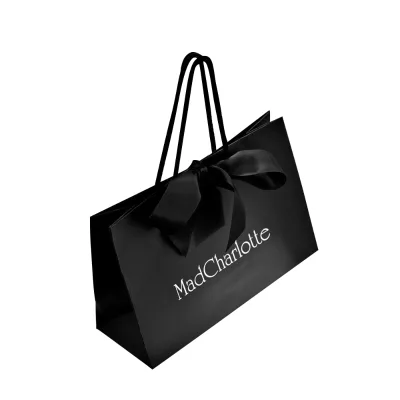

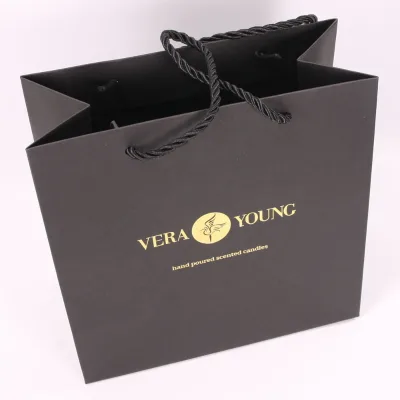
custom design gold foil gold stamp black gift paper bag with your own logo
$0.10 - $0.80
MOQ: 500 Minimum


High Quality Black Velvet Gift Bag with Gold Logo Premium Jewelry Pouch
$0.30 - $0.60
MOQ: 1000 Pieces


Luxury Custom Logo Gold Stamping Printed White Gift Paper Shopping Bags with Logos
$0.10 - $0.15
MOQ: 10000 Pieces
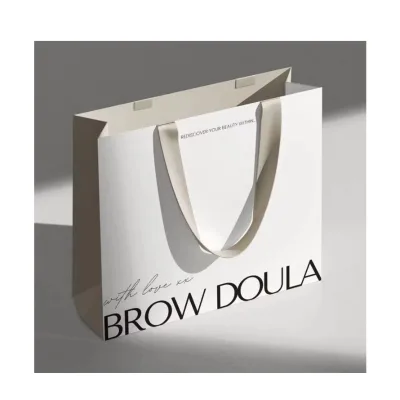


Premium Logo Paper Bags Luxury Paper Shopping Bags for Fashion and Gifts
$0.11 - $0.16
MOQ: 1000 Pieces

Comprehensive Sourcing Guide
Luxury Black Gift Bag with Gold Logo Sourcing Guide
Sourcing luxury black gift bags with gold logos requires a strategic balance between aesthetic precision and structural integrity. These items are not merely containers but critical components of brand identity, often used in high-end retail, cosmetics, and consumer electronics to elevate the unboxing experience. The visual impact relies heavily on the contrast between the deep black substrate and the metallic gold finish, which demands rigorous quality control during production. Buyers must understand that "luxury" is a subjective term in manufacturing; therefore, defining specific tactile and visual benchmarks is essential before placing orders. This guide outlines the technical, commercial, and compliance factors necessary to secure high-quality packaging that aligns with premium brand standards.
The procurement process for these specialized bags involves navigating a complex supply chain, primarily centered in manufacturing hubs like Anhui, China, where a concentration of packaging expertise exists. Suppliers in this region often offer extensive customization capabilities, including bespoke sizing and logo placement, which are standard requirements for luxury branding. However, the availability of such customization comes with varying minimum order quantities (MOQs) and lead times. Buyers need to assess their volume requirements against the supplier’s production capacity to ensure timely delivery without compromising on the intricate details of the gold foil application or the structural durability of the bag.
Product Scope and Observed Listing Signals
The market for luxury black gift bags encompasses a wide range of materials and structural designs, with paper-based substrates being the most prevalent. Common materials include art paper, coated paper, ivory board, and kraft paper, each offering different levels of rigidity and surface finish. The observed product listings indicate a strong preference for rigid or semi-rigid structures that maintain their shape, often utilizing grey board or cardboard cores for added strength. These materials are selected not only for their durability but also for their ability to hold intricate prints and embossing, which are key elements in achieving a luxury aesthetic. Buyers should verify the specific paper type and weight to ensure the bag can support the intended product weight without deformation.
Visual customization is a dominant feature in this category, with gold logo application being a primary differentiator. The gold finish is typically achieved through hot stamping or foil printing, processes that require precise temperature and pressure control to avoid uneven coverage or peeling. Listings also highlight various surface treatments such as matte or glossy lamination, UV coating, and embossing, which enhance the tactile experience and visual depth. The color palette is predominantly black, but options for white, gold, and custom CMYK colors are available. Buyers must specify the exact shade of black and gold to ensure consistency across batches, as slight variations in ink or foil can significantly alter the perceived quality of the final product.
Technical Specifications to Verify
Dimensional accuracy is critical for luxury packaging, as even minor deviations can affect the fit of the product and the overall presentation. Standard sizes observed in the market include dimensions such as 15x21x8 cm, 21x27x11 cm, and 26x32x12 cm, but custom sizing is widely accepted and often necessary for unique product shapes. Buyers should provide precise internal and external dimensions to their suppliers, accounting for the thickness of the material and any internal inserts or padding. The thickness of the paper or board is another key specification, with options ranging from standard weights to customized thicknesses that provide a more substantial feel. Verifying these specifications through physical samples is essential before mass production.
The handling and sealing mechanisms of the bag also play a significant role in its functionality and perceived value. Common handle types include drawstring, ribbon cord, and patch handles, each offering different aesthetic and practical benefits. Drawstring handles are popular for their simplicity and ease of use, while ribbon cords add a touch of elegance and luxury. The sealing method, whether it be heat seal, self-adhesive, or zipper top, must be compatible with the bag’s material and intended use. Buyers should test the durability of the handles and seals to ensure they can withstand the weight of the product and the rigors of transportation without failing.
Compliance and Safety Documentation
Regulatory compliance is a non-negotiable aspect of sourcing packaging materials, particularly when they are intended for food, cosmetic, or consumer electronics applications. Certifications such as FSC (Forest Stewardship Council) indicate that the paper materials are sourced from responsibly managed forests, which is increasingly important for brands with sustainability commitments. Other relevant certifications include GRS (Global Recycled Standard) and OK COMPOST, which verify the use of recycled materials and biodegradability. Buyers should request valid certification documents from their suppliers and verify their authenticity through the respective certification bodies to ensure compliance with international standards.
In addition to environmental certifications, safety and chemical compliance are crucial, especially for products that come into direct contact with consumers. Certifications like REACH, ROHS, and EN 71 ensure that the materials and inks used in the packaging do not contain harmful substances. For products sold in specific markets, additional certifications such as CPC (Children’s Product Certificate) or BRC (British Retail Consortium) may be required. Buyers must clearly communicate the target market and end-use of the packaging to their suppliers to ensure that all necessary compliance documentation is provided and that the materials meet the relevant regulatory requirements.
Cost Drivers and Commercial Terms
The cost of luxury black gift bags with gold logos is influenced by several factors, including material selection, customization complexity, and order volume. The use of premium materials such as ivory board or specialty papers, along with intricate surface treatments like hot stamping and embossing, significantly increases the unit price. Custom sizing and unique handle designs also add to the production costs due to the additional labor and setup time required. Buyers should request detailed quotations that break down the costs of materials, printing, and finishing to understand the cost drivers and identify areas for potential savings without compromising quality.
Minimum order quantities (MOQs) are a significant commercial term in this industry, with typical ranges observed between 100 and 10,000 pieces. Higher MOQs often result in lower unit prices due to economies of scale, but they also require greater capital investment and storage capacity. Buyers with smaller volume requirements may need to accept higher unit prices or negotiate flexible MOQ terms with their suppliers. Payment terms, lead times, and shipping arrangements are also critical commercial considerations. Buyers should establish clear agreements on these terms to avoid unexpected costs or delays and ensure a smooth procurement process.
Supplier Qualification and Quality Control
Selecting a reliable supplier is paramount to ensuring the quality and consistency of luxury packaging. Buyers should conduct thorough due diligence on potential suppliers, including verifying their business licenses, production capabilities, and past performance. Certifications such as ISO, BSCI, and SEDEX indicate that the supplier adheres to international standards for quality management, social responsibility, and ethical labor practices. Requesting references and conducting factory audits can provide valuable insights into the supplier’s operational efficiency and quality control processes. Buyers should prioritize suppliers with a proven track record in producing high-end packaging for reputable brands.
Quality control measures must be implemented at every stage of the production process, from material sourcing to final inspection. Buyers should establish clear quality standards and acceptance criteria, including specifications for color accuracy, print quality, and structural integrity. Pre-production samples should be approved before mass production begins, and in-process inspections should be conducted to identify and rectify any issues early. Final random inspections (FRI) should be performed before shipment to ensure that the delivered goods meet the agreed-upon quality standards. Buyers may also consider hiring third-party inspection agencies to provide an unbiased assessment of the product quality.
Long-Term Procurement Checks
Building a long-term relationship with a reliable supplier requires continuous monitoring and evaluation of performance. Buyers should regularly review key performance indicators (KPIs) such as on-time delivery, defect rates, and responsiveness to issues. Establishing a feedback loop with the supplier can help identify areas for improvement and foster a collaborative partnership. Regular communication and periodic site visits can strengthen the relationship and ensure that both parties remain aligned on quality and service expectations. Buyers should also stay informed about industry trends and technological advancements to leverage new opportunities for innovation and cost savings.
Sustainability and ethical sourcing are becoming increasingly important in the long-term procurement strategy. Buyers should work with suppliers who are committed to reducing their environmental footprint and improving social responsibility. This may involve transitioning to more sustainable materials, optimizing production processes to reduce waste, and ensuring fair labor practices throughout the supply chain. By prioritizing sustainability and ethical sourcing, buyers can enhance their brand reputation and meet the growing demands of environmentally conscious consumers. Long-term procurement checks should include regular assessments of the supplier’s sustainability initiatives and progress towards their goals.
FAQs
Can I get a Luxury Black Gift Bag with Gold Logo customized?
Yes, customization is available for this product including customer logos and specific sizes. The product supports customized dimensions and features gold foil printing options to match your branding requirements.
What materials are used for Luxury Black Gift Bag with Gold Logo?
The product is made from various paper types such as art paper, cardboard, kraft paper, and rigid paper. These materials ensure durability while maintaining a premium look suitable for luxury packaging applications.
Which certifications do Luxury Black Gift Bag with Gold Logo suppliers hold?
Suppliers often hold certifications like FSC, GRS, and ISO for management and product quality. These credentials verify that the manufacturing processes meet international standards for sustainability and safety.
How much is the minimum order quantity for Luxury Black Gift Bag with Gold Logo?
The minimum order quantity ranges from 100 to 10,000 pieces depending on the specific supplier and customization level. Small orders are accepted, allowing flexibility for buyers with varying volume needs.
What printing techniques are used for Luxury Black Gift Bag with Gold Logo?
Available surface techniques include gold foil, offset printing, embossing, and UV coating. These methods allow for high-quality branding and decorative elements on the black packaging surface.
Can I find Luxury Black Gift Bag with Gold Logo suppliers in China?
Yes, the product origin is listed as China with specific locations like Anhui. This indicates a strong supply base for sourcing these customized packaging solutions directly from the manufacturing region.