Source Luxury Bodycon Maxi Bandage Dress for events, parties, and formal wear
Explore 30 listings for the Luxury Bodycon Maxi Bandage Dress featuring vintage styles, high waistlines, and materials like polyester or rayon. Buyers can compare specifications including sleeve styles, necklines, and fabric weights to find suitable options for summer events or formal occasions.
Key considerations
Products List
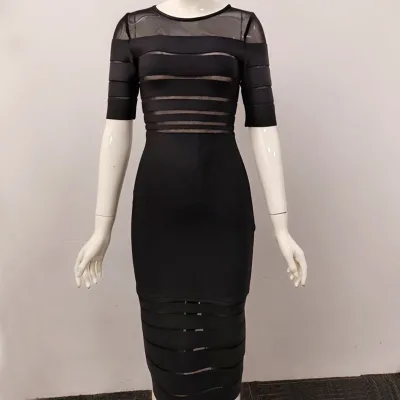
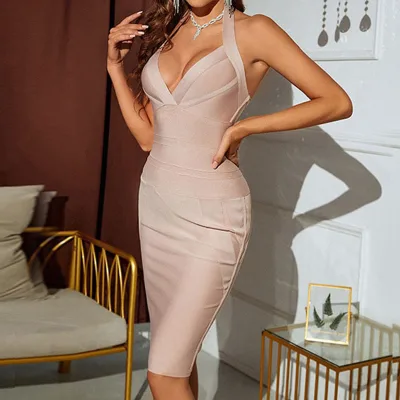
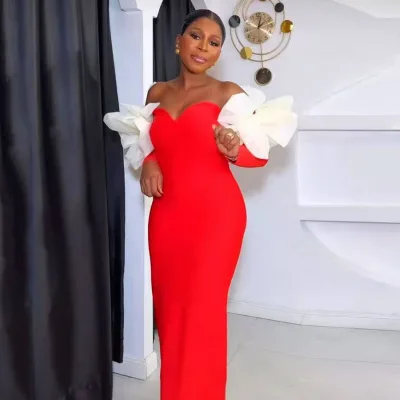
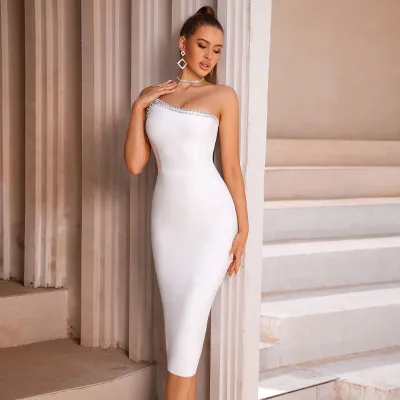




Comprehensive Sourcing Guide
Luxury Bodycon Maxi Bandage Dress Sourcing Guide
Sourcing luxury bodycon maxi bandage dresses requires a nuanced understanding of both aesthetic expectations and technical manufacturing constraints. The term "luxury" in this context often signals a demand for premium fabric hand-feel, precise tailoring, and sophisticated detailing, yet the underlying supply chain frequently relies on accessible materials like polyester-cotton blends or rayon. Buyers must navigate the gap between marketing terminology and physical product reality, ensuring that the "bandage" construction delivers the intended silhouette without compromising comfort or durability. This guide provides a structured approach to evaluating suppliers, verifying technical specifications, and managing commercial risks associated with this specific apparel category.
The procurement process for these garments involves balancing style elements such as vintage aesthetics, asymmetric cuts, and specific necklines against functional requirements like breathability and fit. Observed market signals indicate a wide variance in product attributes, ranging from solid colors like black and champagne to complex decorative elements like mesh, beads, and zippers. Successful sourcing depends on the buyer’s ability to define clear acceptance criteria early in the engagement, distinguishing between casual vintage styles and formal evening wear, while ensuring that the supplier’s capabilities align with the desired level of finish and quality control.
Product Scope and Observed Listing Signals
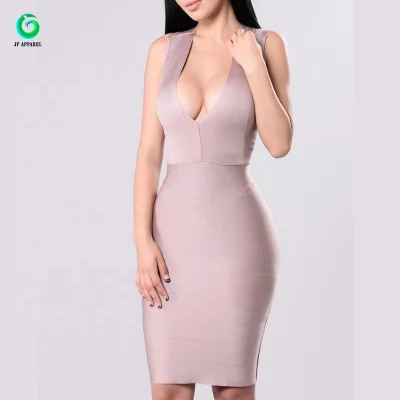
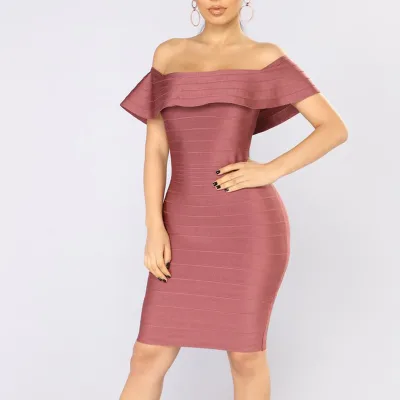
The current market landscape for bodycon maxi bandage dresses exhibits significant diversity in design language and material composition. Listings frequently highlight vintage and formal styles, with common fashion elements including simple, asymmetric, and bandage constructions. The observed product range includes variations in neckline, such as O-neck and V-neck designs, and sleeve options that span from short sleeves to sleeveless and off-the-shoulder styles. Buyers should note that while the core keyword emphasizes "luxury," the actual product attributes often include casual dress types and materials like polyester-cotton blends or rayon, suggesting that the "luxury" designation may refer more to the cut and styling than to exclusive fabric origins.
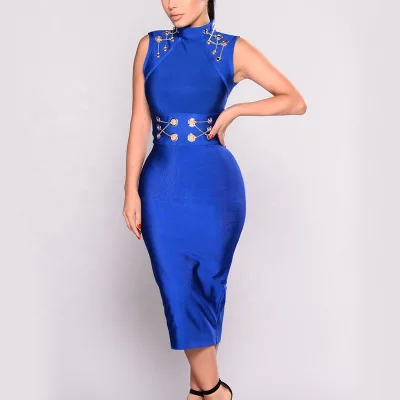
Material specifications and decorative details play a critical role in defining the final product’s character and performance. Fabric types observed include woven structures and worsted weaves, with fabric weights around 160 grams, which influences the drape and structure of the bandage effect. Decorative elements such as mesh overlays, ruffles, zippers, and beading are common, adding complexity to the manufacturing process. Additionally, features like anti-static properties, breathability, and eco-friendly claims are frequently advertised, requiring buyers to verify these assertions through tangible evidence rather than relying solely on product descriptions. The presence of high-waist fits and regular fits further diversifies the scope, catering to different body types and style preferences.
Technical Specifications to Verify
Technical verification must begin with precise dimensional and structural parameters, as the "bandage" style relies heavily on exact fit and tension. Buyers should confirm the dress length specifications, which can vary from midi to floor-length or maxi, ensuring alignment with the target market’s expectations. The single package dimensions, typically observed around 40x30x5 cm or 35x30x8 cm, are crucial for logistics planning and cost estimation. Furthermore, the gross weight of individual items, ranging from 1.000 kg to 1.200 kg, provides insight into the material density and potential packaging requirements, which can impact shipping costs and handling procedures.
Construction details and finishing techniques require rigorous scrutiny to ensure quality consistency. The use of digital printing, needle detection processes, and specific lining materials like polyester are key indicators of manufacturing standards. Buyers must verify the accuracy of size ranges, which often extend from S to 4XL, and confirm that the pattern type remains consistent, typically solid, across the production run. The placement of logos, whether on the front or back, and the specific hem shape, such as pencil hems, must be validated against approved samples. Additionally, the fabric weight and type should be tested to ensure they meet the claimed properties, such as breathability and washability, which are essential for customer satisfaction in this category.
Compliance and Safety Documentation
Compliance documentation is a non-negotiable aspect of sourcing apparel, particularly when dealing with international markets that have strict safety and environmental regulations. Buyers must request and verify certificates related to fabric safety, such as OEKO-TEX or similar standards, to ensure that materials like polyester, cotton, and rayon are free from harmful substances. The claim of eco-friendly attributes requires substantiation through recognized certifications, as generic marketing terms do not guarantee environmental compliance. Additionally, the presence of needle detection in the manufacturing process is a critical safety feature that must be documented and verified to prevent metal contamination in the final product.
Labor and ethical compliance standards are equally important, especially given the observed place of origin in China and Guangdong. Buyers should ensure that suppliers adhere to local labor laws and international ethical trading standards, requesting audit reports or compliance certificates as needed. The washable and dry cleaning features claimed for the garments must be supported by care label instructions that are accurate and compliant with regional labeling laws. Furthermore, any claims regarding plus-size suitability or specific fit characteristics should be backed by detailed size charts and fit testing results to minimize return rates due to sizing discrepancies.
Cost Drivers and Commercial Terms
Cost structures for bodycon maxi bandage dresses are influenced by multiple factors, including material costs, labor intensity, and decorative complexity. The use of bandage techniques, beading, and mesh decorations significantly increases production time and cost compared to standard woven dresses. Buyers should analyze the price range, which typically spans from 5 to 80 USD, understanding that lower prices may correlate with simpler designs or lower-grade materials, while higher prices reflect intricate detailing and premium finishes. The minimum order quantity (MOQ), ranging from 2 to 500 units, also impacts unit costs, with larger orders generally benefiting from economies of scale.
Commercial terms and lead times are critical for inventory planning and cash flow management. The support for 7-day sample order lead times is a positive indicator of supplier responsiveness, allowing for rapid prototyping and approval processes. However, bulk production lead times can vary significantly based on order volume and complexity. Buyers should negotiate clear terms regarding payment schedules, shipping responsibilities, and return policies for defective goods. Additionally, the supply type, often listed as in-stock items, may offer faster delivery but limited customization options, whereas made-to-order items provide greater flexibility but longer lead times.
Supplier Qualification and Quality Control
Supplier qualification involves a thorough assessment of manufacturing capabilities, quality control systems, and past performance. Buyers should verify the supplier’s experience with bandage and bodycon styles, as these require specialized sewing techniques and pattern-making skills. Requesting references or case studies from previous clients can provide insights into the supplier’s reliability and consistency. Additionally, the supplier’s ability to handle complex decorations like zippers, ruffles, and beading should be evaluated through sample reviews and factory audits.
Quality control processes must be robust and transparent, with clear protocols for inspection at various stages of production. Buyers should establish a detailed quality assurance plan that includes pre-production, during-production, and pre-shipment inspections. The use of needle detection and fabric weight verification should be integrated into the QC checklist to ensure consistency. Furthermore, suppliers should provide clear communication channels for addressing quality issues and implementing corrective actions. Regular performance reviews and feedback loops are essential for maintaining high standards and fostering a collaborative partnership with the supplier.
Long-Term Procurement Checks
Long-term procurement success depends on continuous monitoring of supplier performance and market trends. Buyers should track key performance indicators such as on-time delivery rates, defect rates, and responsiveness to changes in design or volume. Regular audits and site visits can help identify potential issues early and ensure that quality standards are maintained over time. Additionally, staying informed about emerging trends in bodycon and bandage dress styles, including new materials and decorative techniques, can help buyers stay competitive and meet evolving customer demands.
Building a resilient supply chain involves diversifying suppliers and developing contingency plans for potential disruptions. Buyers should maintain relationships with multiple suppliers to mitigate risks associated with capacity constraints or quality issues. Regular communication and collaboration with suppliers can also lead to innovations in design and production processes, enhancing the overall value proposition. Finally, buyers should continuously evaluate the total cost of ownership, including logistics, duties, and potential returns, to ensure that the procurement strategy remains cost-effective and aligned with business objectives.
FAQs
What materials are used for the Luxury Bodycon Maxi Bandage Dress?
The dress is constructed from a blend of polyester and cotton, with some variants using rayon. The fabric type is woven, and the lining is made of polyester to ensure comfort. This combination supports the bandage technique while maintaining breathability for the wearer.
Can I order a sample of the Luxury Bodycon Maxi Bandage Dress quickly?
Yes, a sample order lead time of 7 days is supported for this product. This allows buyers to verify quality before committing to larger quantities. The sample process is designed to be efficient for those evaluating the vintage and formal style options available.
Which sizes are available for the Luxury Bodycon Maxi Bandage Dress?
The dress is available in sizes ranging from Small to 4 XL to accommodate various body types. The fit is regular, and the waistline is high. These sizing options ensure that the maxi length and bandage style fit correctly for adult buyers seeking a vintage look.
How is the Luxury Bodycon Maxi Bandage Dress decorated?
Decoration features include mesh elements, ruffles, and zippers depending on the specific style. The logo position can be on the front or back. These details enhance the vintage and formal aesthetic while maintaining the structured bandage silhouette required for a bodycon fit.
What is the minimum order quantity for the Luxury Bodycon Maxi Bandage Dress?
The minimum order quantity ranges from 2 to 500 units depending on the specific supplier and item configuration. This flexibility allows buyers to start with small batches or scale up for bulk needs. The supply type is in-stock items, facilitating quicker fulfillment.
Where is the Luxury Bodycon Maxi Bandage Dress manufactured?
The product originates from China, specifically from the Guangdong region. This location is a known hub for textile manufacturing. Buyers can expect the production to adhere to local standards while meeting international requirements for woven fabric and digital printing techniques.
What features does the Luxury Bodycon Maxi Bandage Dress offer?
Key features include anti-static properties, breathability, and eco-friendly attributes. The dress is also washable and suitable for dry cleaning. These functional benefits ensure the garment remains durable and comfortable, aligning with the requirements for both casual and formal vintage styles.