Source Luxury Classic Dining Room Chairs for hotels, homes, and studies
Find 30 options for Luxury Classic Dining Room Chairs featuring modern styles and materials like genuine leather or fabric. Compare specifications, prices, and customization details for bar, hotel, and dining room applications.
Key considerations
Products List


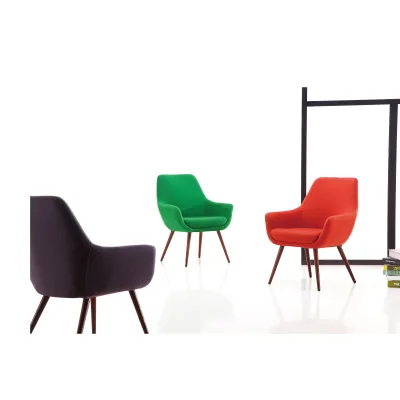
Contemporary Dining Chairs with Comfortable Backrest for Luxury Spaces
$10.00 - $15.00
MOQ: 100 Pieces


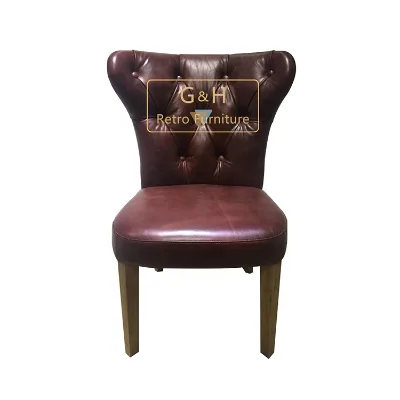
Elegant Classic Design Golden Dining Chair for Modern Homes Hotels Villa
$10.00 - $20.00
MOQ: 100 Pieces






Comprehensive Sourcing Guide
Strategic Sourcing Guide for Luxury Classic Dining Room Chairs
Procuring high-end dining furniture requires a nuanced understanding of market variables, material integrity, and supply chain reliability. For buyers targeting the "Luxury Classic Dining Room Chairs" segment, the objective extends beyond simple acquisition to establishing a partnership that guarantees consistency in design, durability, and aesthetic appeal. The global market for such furniture is vast, yet the specific attributes that define a "luxury" classification often hinge on precise material selection, craftsmanship standards, and the ability to customize. This guide synthesizes available market data and technical observations to provide a structured approach for sourcing these items effectively.
Understanding Material Composition and Construction Standards
The foundation of any luxury dining chair lies in its material composition. In the current market, buyers encounter a diverse range of materials, from genuine leather to synthetic alternatives and fabric blends. When evaluating potential products, it is critical to distinguish between "Genuine Leather" and "Synthetic Leather," as these terms denote different price points, maintenance requirements, and longevity. Genuine leather is often preferred for its natural texture and aging characteristics, while synthetic leather offers cost efficiency and uniformity. Additionally, the structural integrity of the chair is frequently determined by the frame material. Observations in the market indicate the use of Solid Wood combined with Fabric, as well as Metal frames, each offering distinct aesthetic and functional properties.
The construction standards for these chairs are often defined by specific dimensional requirements. For instance, standard specifications may include dimensions such as 453892cm or 460510810mm. Buyers must verify that the product's standard dimensions align with their intended space, particularly regarding seat height and backrest proportions. The shape of the chair also plays a pivotal role in the "classic" designation. While modern designs often feature sharp angles, classic styles may incorporate Oval or Rectangle shapes. Furthermore, the presence or absence of armrests is a key differentiator; some models are designed "Without Armrest" to maximize seating density, while others feature "With Armrest" configurations for enhanced comfort and formality.
Technical Specifications and Customization Capabilities
Customization is a defining feature of the luxury furniture sector, allowing buyers to tailor products to specific brand identities or interior design schemes. Market data confirms that customization is generally available for these products, with options to adjust colors, materials, and specific design elements. For example, fabric choices may be customizable, allowing for a "Can Choose" approach where the buyer selects from a palette of options. The design style often leans towards "Light Luxury" or "Modern" interpretations of classic forms, blending traditional silhouettes with contemporary finishes.
When reviewing technical specifications, buyers should pay close attention to the product model numbers, which serve as unique identifiers for specific configurations. Models such as DYTEMP030008, DYCH010045, and DS01171 represent distinct variations in the market. It is essential to verify the "Condition" of the product, which is typically listed as "New," ensuring that the items are not refurbished or second-hand. The "Folded" status is another technical attribute to note; most luxury dining chairs are designed as "Unfolded" units, meaning they are not collapsible, which impacts storage and shipping logistics.
The following table summarizes key technical attributes observed in the current market landscape:
| Attribute Category | Observed Variations | Sourcing Consideration |
|---|---|---|
| Material | Genuine Leather, Synthetic Leather, Solid Wood+Fabric, Metal | Verify material origin and durability; request samples for texture assessment. |
| Shape | Rectangle, Oval | Ensure shape complements the table geometry and room layout. |
| Armrest | With Armrest, Without Armrest | Determine based on seating density needs and comfort requirements. |
| Dimensions | 453892cm, 460510810mm, W41D52H82cm | Cross-reference with room measurements and ergonomic standards. |
| Customization | Available (Color, Fabric, Design) | Confirm lead time implications for custom orders versus stock items. |
Cost Drivers and Pricing Dynamics
The pricing structure for luxury dining chairs is influenced by several factors, including material quality, production complexity, and order volume. The observed price range in the market spans from $7 to $247.31 USD, indicating a significant variance based on the specific model and material composition. Lower-priced items often utilize synthetic materials or simpler designs, while higher-priced units typically feature genuine leather, solid wood frames, and intricate detailing.
Minimum Order Quantity (MOQ) is a critical cost driver. The market shows an MOQ range from 1 to 500 units. For buyers seeking to test the market or fulfill small-scale projects, suppliers with an MOQ of 1 or 100 units are preferable. However, larger orders often benefit from economies of scale. Some suppliers list their pricing as "Negotiable," suggesting that the final cost is dependent on the volume of the order and the specific customization requirements. Buyers should also consider the "Factory Price" attribute, which indicates that the supplier may be the direct manufacturer, potentially offering more competitive rates than intermediaries.
Typical Applications and Usage Scenarios
Luxury Classic Dining Room Chairs are versatile and find application in a variety of settings. The primary usage scenarios include Bar, Hotel, Study, Dining Room, and Bedroom environments. This versatility suggests that the design must be robust enough to withstand high-traffic commercial use while maintaining the elegance required for residential settings. For instance, chairs intended for hotel dining rooms must balance aesthetic appeal with durability and ease of maintenance.
The "Specific Use" classification often points to "Dining Chair" functionality, while the "General Use" may be categorized as "Home Furniture." Additionally, some models are designed for "Outdoor" applications, though this requires verification of material resistance to weather elements. The "Weight Capacity" is another crucial specification, with some models supporting up to 150kgs, ensuring safety and stability for a wide range of users. Buyers should match the chair's intended application with the specific durability requirements of the environment, such as the difference between a private dining room and a high-volume hotel banquet hall.
Supplier Evaluation and Geographic Origins
When evaluating suppliers, geographic origin plays a significant role in logistics and quality perception. The majority of the observed products originate from China, with specific regions like Fujian noted as production hubs. This concentration of manufacturing in China often correlates with competitive pricing and a wide variety of design options. However, buyers must conduct thorough due diligence to ensure that the supplier maintains consistent quality standards.
Key factors in supplier evaluation include the "Warranty" period, which can range from standard terms to extended coverage like 3 Years. A longer warranty often indicates the supplier's confidence in their product's durability. Additionally, the "Packing" method is vital for preventing damage during transit. Common packing methods include "Carton" or "Caron Packing," with specific configurations like "4PCS/CTN" to optimize shipping efficiency. Buyers should also verify the "Mail Packing" status; if listed as "N" (No), it implies that the product is not designed for direct mail shipping and requires specialized freight handling.
Quality Control and Compliance Verification
Ensuring product quality is paramount in the luxury segment. While specific certifications like CE are mentioned in background data, buyers should not assume all products possess these certifications without verification. Instead, the focus should be on requesting documentation for relevant safety and quality standards. The "Standard" attribute, often listed as dimensions or specific product codes, serves as a baseline for quality control. Buyers must verify that the delivered goods match the specified dimensions and material descriptions exactly.
Quality control processes should also include checks for the "Feature" attribute, which may include "Other" or specific design elements. It is advisable to request pre-shipment samples to inspect the finish, stitching, and structural integrity. For products with a "Rotary" feature, buyers should test the mechanism to ensure smooth operation, whether it is "Rotary" (swivel) or "Fixed." The "Delievery" time, often cited as 20-30 Days, should be factored into the procurement timeline to avoid delays.
Long-Term Procurement Considerations
Sourcing luxury furniture is a long-term investment that requires strategic planning. Buyers should consider the "Lead Time" and "Delivery" schedules carefully, as these can impact project timelines. A lead time of 20-30 days is common, but custom orders may extend this period. The "MOQ" of 100 units for certain models suggests that buyers need to plan their inventory levels accordingly to meet minimum thresholds.
Furthermore, the "Usage" of the chairs in different environments, such as "Dining, Outdoor, Hotel," necessitates a maintenance plan. Buyers should inquire about the care instructions for different materials, such as leather cleaning or fabric protection. The "Warranty" of 3 Years provides a safety net for defects, but understanding the terms and conditions is essential. Finally, maintaining a relationship with a supplier who offers "Factory Price" and flexible customization can provide a competitive advantage in the market, allowing for adjustments in design and volume as market trends evolve.
In conclusion, sourcing Luxury Classic Dining Room Chairs requires a meticulous approach that balances aesthetic desires with technical realities. By focusing on material authenticity, verifying technical specifications, understanding cost drivers, and conducting rigorous supplier evaluations, buyers can secure high-quality products that meet their specific needs. The market offers a wide array of options, from genuine leather to metal frames, and from fixed to rotary designs, providing ample opportunity for tailored procurement strategies.
FAQs
What materials are used for Luxury Classic Dining Room Chairs?
These chairs are constructed from genuine leather, synthetic leather, solid wood with fabric, or metal frames. Buyers should verify the specific material composition as options vary by model to ensure durability and aesthetic alignment.
Can buyers customize the design and fabric of these chairs?
Yes, customization is available for color, fabric, and design elements to match specific brand identities. Buyers can often choose from a palette of fabrics, though lead times may extend for custom orders compared to stock items.
What is the typical minimum order quantity for these dining chairs?
The minimum order quantity ranges from 1 to 500 units depending on the supplier and model. Some specific models require a minimum of 100 units, while others allow for smaller trial orders starting at just one piece.
How long does delivery take for orders of these chairs?
Standard delivery times are typically between 20 to 30 days from the order date. This lead time applies to most models, but custom specifications or large volume orders may require additional processing time beyond this standard window.
Which dimensions are standard for Luxury Classic Dining Room Chairs?
Common dimensions include 45*38*92cm, 460*510*810mm, and W41*D52*H82cm. Buyers must verify specific model standards to ensure the chair fits the intended space and meets ergonomic requirements for seat height and backrest proportions.
Are these chairs suitable for outdoor and hotel use?
Yes, many models are designed for applications in dining rooms, hotels, and outdoor settings. However, buyers should confirm material resistance to weather elements for outdoor use and check weight capacity, which can reach up to 150kgs for stability.