Source Luxury Classic Dart Case with 12 Compartments for clubs, events, and travel
Compare 30 listings for a Luxury Classic Dart Case with 12 Compartments designed for clubs, events, and travel. Buyers can evaluate plastic and leather options, custom branding, and varied sizes from Guangdong suppliers.
Key considerations
Products List


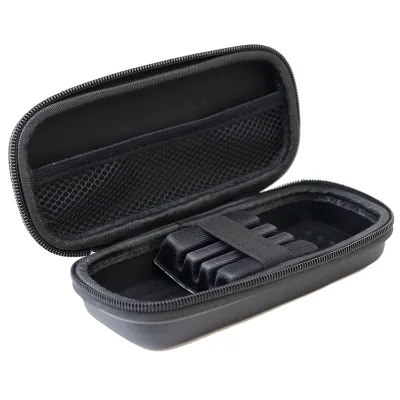
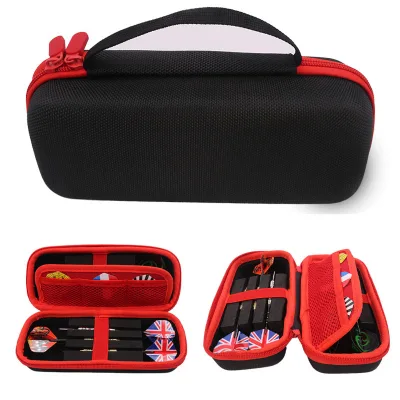

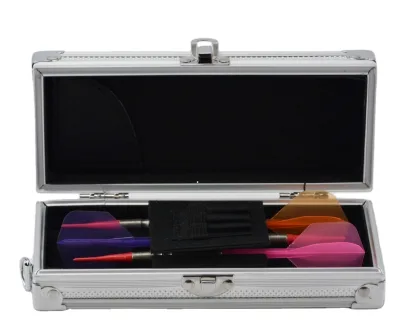
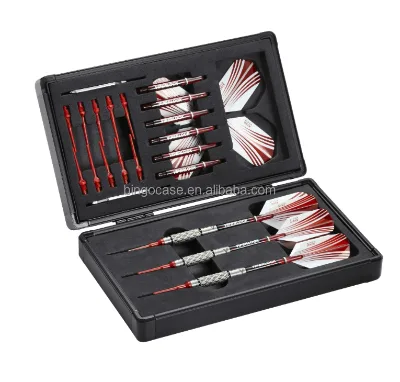
Comprehensive Sourcing Guide
Strategic Sourcing Guide for Luxury Classic Dart Cases with 12 Compartments
Sourcing a Luxury Classic Dart Case with 12 Compartments requires a disciplined approach that balances aesthetic expectations with rigorous functional specifications. In the B2B procurement landscape, the term "luxury" often implies high-quality materials, precise craftsmanship, and durable construction, while "classic" suggests a timeless design suitable for professional or high-end recreational use. The specific requirement for 12 compartments indicates a need for organized storage, likely for darts, accessories, and potentially cue sticks or other billiards-related items. Buyers must navigate a market where product attributes vary significantly between listings, necessitating a verification process that relies on observed data rather than marketing claims. This guide outlines the critical factors for identifying, evaluating, and procuring dart cases that meet these exacting standards.
Defining Technical Specifications and Structural Integrity
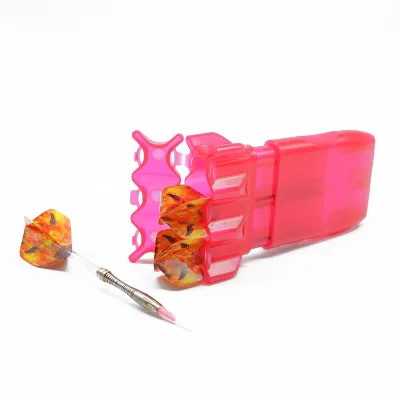
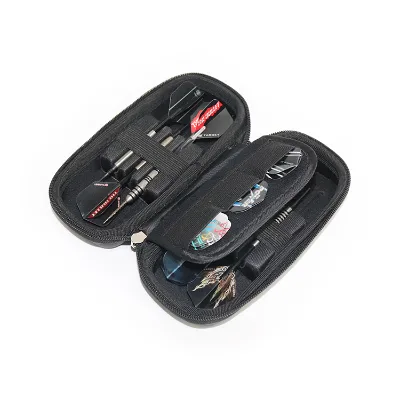
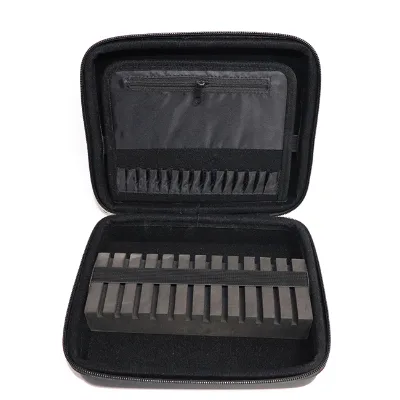
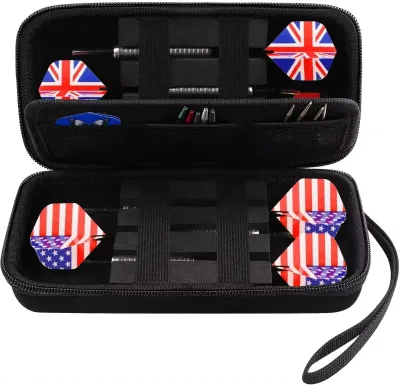
The foundation of a successful procurement strategy lies in the precise definition of technical specifications. When searching for a dart case with 12 compartments, the internal architecture is paramount. The product must offer sufficient segmentation to protect individual darts and accessories from collision damage. Based on observed market data, the number of compartments is a critical differentiator. Buyers should verify that the product explicitly states a capacity of "12 & above" to ensure it meets the core requirement. Furthermore, the overall dimensions of the case must align with the volume of darts and accessories to be stored.
Observed specifications in the current market indicate that dart cases often range in size from approximately 13 cm to 17 cm in width, with depths around 8.4 cm and heights near 3.2 cm. However, for a "luxury" classification, the overall size may be larger to accommodate a more robust build. A specific observed model, the LDC-2, lists an overall size of 156mm * 84mm * 34mm, which serves as a benchmark for compact yet functional storage. Conversely, other listings suggest a size of 7 inches (17.78 cm) for specific components. The single package size for these items typically ranges from 15x12x5 cm to 15x15x15 cm, which impacts shipping logistics and cost calculations.
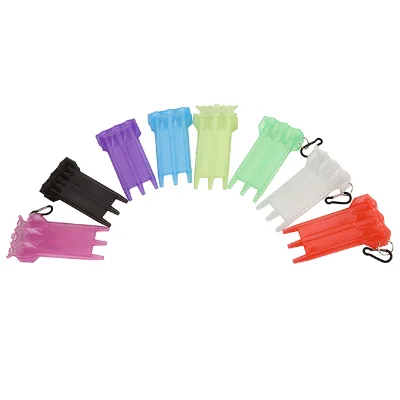
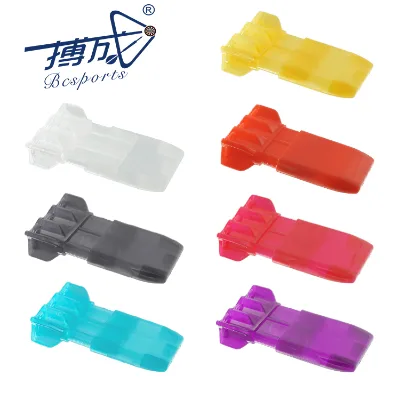
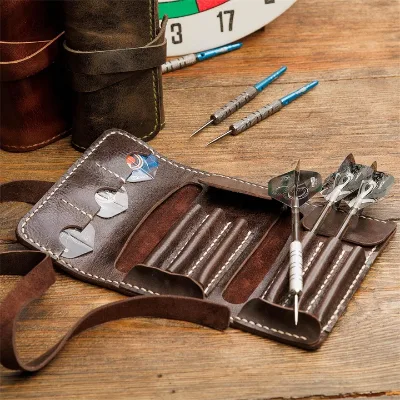
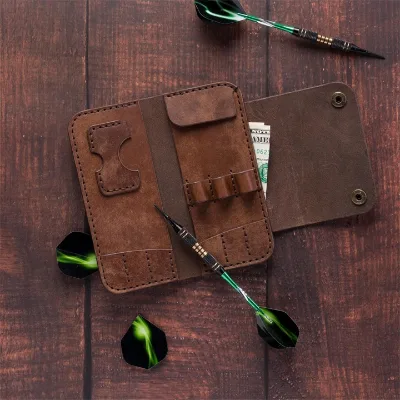
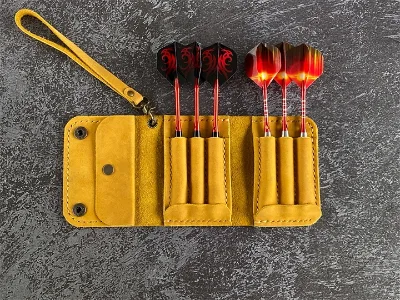
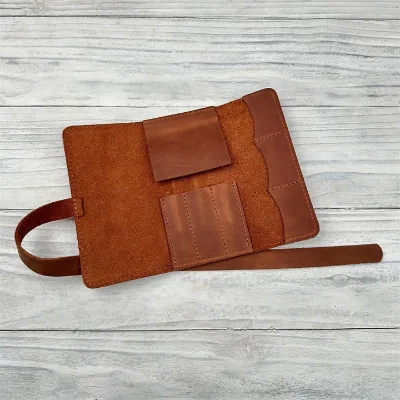
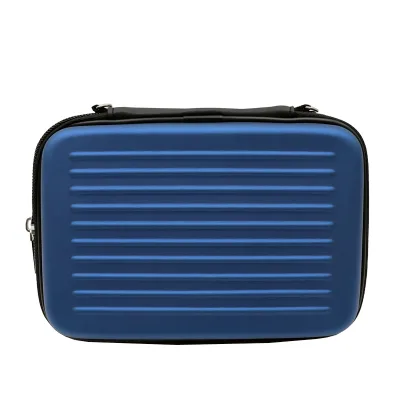
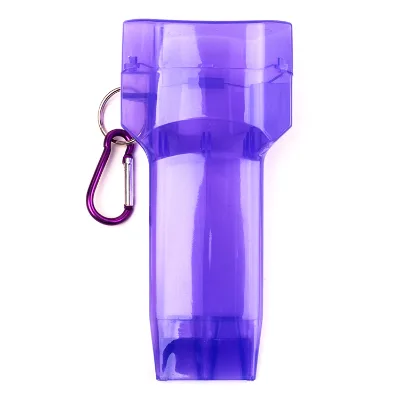
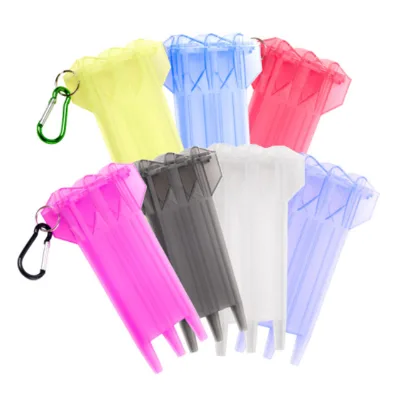
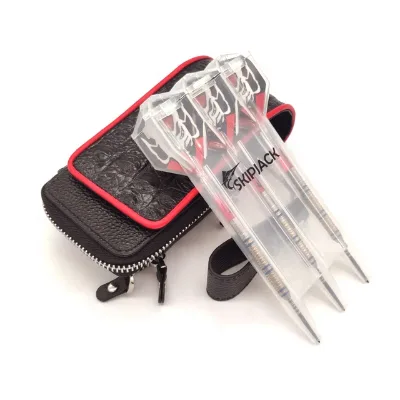
Material selection is equally critical for defining the "luxury" and "classic" attributes. The market presents a dichotomy between plastic and leather options. Plastic cases, such as those identified as "Bcsports case" or "GENTRY LIVE," offer durability and water resistance, with some products explicitly claiming "Waterproof" features. These are often made from high-grade plastics designed to withstand impact. On the other hand, leather cases provide a more traditional, premium aesthetic. One observed material specification lists "Leather" as the primary component, which aligns with the "classic" descriptor. Buyers must determine whether the priority is the rugged utility of plastic or the aesthetic appeal of leather, as this decision dictates the subsequent material verification process.
Compliance, Certification, and Safety Standards
In the realm of B2B procurement, compliance is not merely a formality but a safeguard against liability and product rejection. While specific certification names were not universally observed in the provided data, buyers must verify that products meet relevant safety standards for the target market. The age recommendation is a primary indicator of safety compliance. Observed data lists age ranges of ">6 Years" and ">8 Years," suggesting that these products are designed for older children and adults, minimizing the risk of small parts choking hazards associated with younger demographics.
The origin of the product is a significant factor in compliance verification. The majority of observed listings indicate "Guangdong, China" or simply "China" as the place of origin. While this is a major manufacturing hub, it requires buyers to conduct due diligence regarding the specific factory's adherence to international standards. The product standard is noted as "different" in some listings, which implies a lack of uniformity. Buyers should not assume that a product labeled as "New" or "Popular" automatically meets international safety certifications. Instead, they must request specific test reports or certification documents from the supplier to confirm compliance with standards such as EN71 (for toys) or relevant industrial safety regulations, depending on the intended end-user.
Furthermore, the customization aspect of the product introduces additional compliance considerations. Many listings indicate that the product is "Customized" and that the "Logo/graphic design" can be tailored. When customizing, buyers must ensure that any added materials, such as inks for logos or specific hardware, do not introduce hazardous substances. The "OEM ODM" branding suggests that suppliers are capable of manufacturing to specific client requirements, but this also means the buyer assumes responsibility for verifying that the custom specifications do not violate safety regulations.
Cost Drivers and Pricing Dynamics
Understanding the cost drivers for a luxury dart case with 12 compartments is essential for budgeting and negotiation. The price range observed in the market is broad, spanning from $0.46 to $50 USD. This wide variance reflects differences in material quality, brand positioning, and production complexity. The lower end of the spectrum likely corresponds to basic plastic cases with standard manufacturing processes, while the higher end represents leather options or cases with advanced features like waterproofing and superior compartmentalization.
Several factors influence the final unit cost. Material is a primary driver; leather cases generally command a higher price point than plastic ones due to the cost of raw materials and the labor-intensive nature of leatherworking. The number of compartments also affects cost; a case with 12 or more compartments requires more intricate internal molding or stitching, increasing production time and complexity. The "Single gross weight" observed ranges from 0.300 kg to 0.500 kg, which impacts shipping costs. Heavier items, particularly those made of leather or containing dense internal structures, will incur higher freight charges.
Minimum Order Quantity (MOQ) is another critical cost factor. The observed MOQ ranges from 1 to 1000 units, with a specific high-confidence fact noting an MOQ of 500 pcs for certain models. Buyers seeking smaller quantities may face higher per-unit costs or may need to source from suppliers with lower MOQ thresholds, potentially sacrificing the economies of scale. Production time, observed between 5 to 15 days, also plays a role in cost management. Rush orders or complex customizations that extend the production timeline can lead to expedited shipping fees or higher labor costs. Buyers should factor in the "Production time" when planning their inventory to avoid stockouts or the need for costly air freight.
Typical Applications and Usage Scenarios
The application of a luxury classic dart case extends beyond simple storage; it serves as a functional accessory for various environments. The primary usage identified is "For dart games," indicating that these cases are designed for enthusiasts and professionals who participate in organized play. The "Type" of product varies, with listings identifying them as "Plastic dart case/box," "DartBoard cabinet," and "Dart case." This variety suggests that the product can be used in dedicated dart rooms, bars, or recreational centers.
The "Usage" field also lists "Racing" and "Travel," which expands the potential application scope. A travel-oriented case would prioritize durability and compactness, ensuring that darts remain organized and protected during transit. The "Application: Travel" specification confirms that some models are specifically engineered for portability. For racing or competitive environments, the "Durable" and "Waterproof" features become essential to protect equipment from the rigors of transport and varying environmental conditions.
Additionally, the "Billiards Accessories" classification suggests that these cases may be part of a broader ecosystem of gaming equipment. A case with 12 compartments could theoretically store not only darts but also accessories for other cue sports, such as chalk, tips, or cleaning tools. The "Cue Stick Structure" being "Customized" further supports the idea that these cases are versatile storage solutions for multi-sport enthusiasts. Buyers should consider the end-user's environment when selecting a case; a case designed for a permanent installation in a club may differ from one intended for a player who travels frequently to tournaments.
Supplier Evaluation and Verification Protocols
Evaluating suppliers for a specialized product like a 12-compartment dart case requires a multi-faceted approach. The "Brand Name" varies significantly, with options like "Bcsports," "GENTRY LIVE," and "OEM ODM" appearing in the data. This diversity indicates a market populated by both established brands and contract manufacturers. Buyers should prioritize suppliers who can provide clear documentation of their manufacturing capabilities and quality control processes.
The "Sample" availability is a crucial verification tool. Multiple listings confirm that samples are "Available" or "Avalabale," which allows buyers to physically inspect the product before committing to a large order. When evaluating a sample, buyers should focus on the quality of the compartments, the durability of the material, and the precision of the customization options. The "Condition: New" attribute is standard, but buyers must ensure that the sample is not a refurbished or damaged unit.
Supplier reliability is also indicated by the "Production time" and "MOQ" consistency. A supplier that consistently meets the 5-15 day production window and adheres to the stated MOQ of 500 pcs demonstrates operational stability. Conversely, a supplier with vague lead times or fluctuating MOQs may pose a risk to the supply chain. The "Place of Origin" being consistently "Guangdong, China" suggests a concentrated manufacturing region, which can be advantageous for logistics but requires careful vetting of individual factories to ensure they meet the buyer's specific quality standards.
Quality Control and Long-Term Procurement Considerations
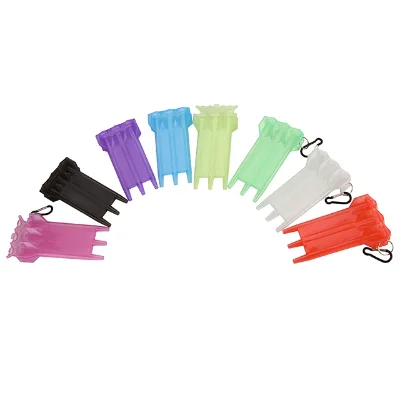
Implementing a robust quality control (QC) strategy is vital for maintaining the integrity of the procurement process. Given the variation in product attributes, such as "Color" ranging from "White/Black/Green/Red/Blue" to "Navy Blue" and "Colorful," buyers must establish clear color standards and tolerance levels. The "Packaging" details, such as "1pc/bag, 100pcs/ctn," provide a baseline for inspection, but buyers should verify that the packaging protects the product during transit, especially for items with delicate compartments.
Long-term procurement considerations involve building a sustainable relationship with suppliers. The "Custom Products" and "Product Styles: Custom Products" attributes highlight the potential for ongoing collaboration. Buyers should look for suppliers who are flexible in adapting to design changes and who can maintain consistent quality over multiple production runs. The "Feature: Popular" and "Feature: Durable" attributes suggest that market trends favor long-lasting products, so suppliers who prioritize durability in their design will be better partners for long-term contracts.
Finally, buyers must remain vigilant about the "Standard" of the product. Since the observed standard is listed as "different," there is no single universal benchmark. Buyers should define their own quality criteria based on the specific needs of their market, focusing on the strength of the compartments, the resilience of the material, and the precision of the fit. By combining these technical, compliance, and operational factors, buyers can successfully source luxury classic dart cases with 12 compartments that meet the highest standards of quality and functionality.
| Attribute Category | Observed Variations | Verification Requirement |
|---|---|---|
| Material | Plastic, Leather | Confirm material grade and durability tests. |
| Compartments | 12 & above | Verify internal layout and protection mechanisms. |
| Dimensions | 13~17cm width, 156mm84mm34mm | Measure actual sample against spec sheet. |
| MOQ | 1-1000 pcs, specifically 500 pcs | Negotiate based on order volume and budget. |
| Origin | Guangdong, China | Verify factory audit and compliance certificates. |
| Customization | Logo, Color, Design | Review proof of concept and sample approval. |
FAQs
What materials are used for luxury classic dart cases?
Luxury classic dart cases are primarily constructed from high-grade plastic or leather. Observed listings confirm the use of plastic for durability and leather for a traditional aesthetic, with some models offering waterproof features for enhanced protection during travel.
Which dimensions are standard for these dart cases?
Standard dimensions typically range from 13 to 17 centimeters in width with depths around 8.4 centimeters. Specific models like the LDC-2 measure 156mm by 84mm by 34mm, while others may reach 17.78 centimeters to accommodate larger storage needs.
Can buyers customize the logo and design on these cases?
Yes, customization is widely available for logos and graphic designs on these dart cases. Many suppliers offer OEM and ODM services, allowing buyers to tailor the product style and branding to meet specific corporate or personal requirements.
How many compartments do these cases typically hold?
These cases are designed with 12 or more compartments to organize darts and accessories effectively. This capacity ensures individual protection for equipment, making them suitable for professional play and organized storage in various environments.
What is the typical minimum order quantity for these products?
The minimum order quantity varies, with observed ranges starting from 1 unit up to 1000 units. Specific models often require an MOQ of 500 pieces, though some suppliers may offer lower thresholds for sample orders or smaller batches.
Where are these dart cases manufactured?
The majority of these products are manufactured in Guangdong, China. This region is a major hub for production, offering a concentration of factories capable of meeting the diverse specifications and customization needs of international buyers.
What is the production lead time for custom orders?
Production lead times generally range from 5 to 15 days depending on order complexity. Customized designs and specific material requirements may influence the timeline, so buyers should confirm exact schedules before finalizing their procurement plans.