Source Luxury Chocolate Kraft Paper for Gifts and Food
Find 30 listings for Luxury Chocolate Kraft Paper suitable for gift wrapping, food packaging, and industrial applications. Compare options featuring moisture-proof, waterproof, and greaseproof properties in white, brown, or printed finishes to meet your specific sourcing needs; compare the available evidence and request quotations based on your requirements.
Key considerations
Products List


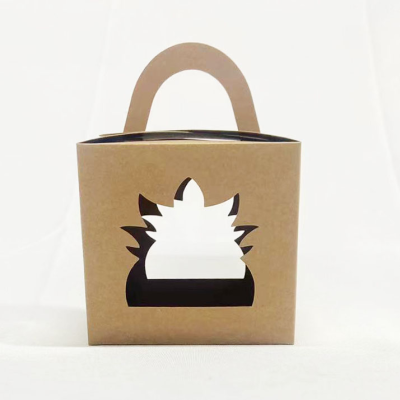


Luxury Custom Size Package Paper Handle Paper Bag Kraft Paper Shopping Bag
$0.95 - $1.26
MOQ: 1000 Pieces


Recycled Cardboard Paper Chocolate Kraft Paper Food Packaging Box Gift Box
$0.15 - $0.52
MOQ: 1000 Pieces
Comprehensive Sourcing Guide
Luxury Chocolate Kraft Paper Sourcing Guide
Sourcing Luxury Chocolate Kraft Paper requires distinguishing between standard packaging and premium finishes that elevate brand perception. The available market data indicates a diverse range of options, including uncoated and coated variants with specific surface states like single light aluminum foil or matte brown paper. Buyers must carefully evaluate whether the raw material is pure wood pulp or a composite, as this directly impacts the tactile quality and structural integrity required for high-end confectionery presentation.
Procurement decisions should prioritize the specific application context, such as gift wrapping, food wrapping, or industrial envelopes, to ensure the selected material meets functional needs. The observed listings show customization capabilities for logos, colors, and roll sizes, allowing for tailored branding solutions. However, buyers must verify that the chosen grade, whether labeled as A or customized, aligns with the moisture-proof and grease-proof requirements essential for protecting chocolate products during storage and transit.
Product Scope and Observed Listing Signals
The product landscape for luxury chocolate packaging includes distinct categories ranging from kraft paper rolls to corrugated boxes and specialized foil laminates. Listings reveal variations in type, such as roll formats, box structures, and specific models like KP or TP-21, each serving different packaging stages from primary wrapping to secondary gift presentation. The presence of embossing and offset printing capabilities suggests that suppliers can offer textured surfaces and high-fidelity graphics to enhance the visual appeal of the final chocolate product.
Buyers should note the significant variance in observed price points and minimum order quantities, which range from nominal values to substantial commercial thresholds. This disparity often reflects differences in material composition, such as the use of wood pulp versus other paper grades, and the complexity of surface treatments like coating or printing. Understanding these signals helps in filtering suppliers who can deliver the specific aesthetic and functional attributes required for a luxury chocolate line without compromising on budget constraints.
Technical Specifications to Verify
Technical verification must begin with the raw material composition, specifically confirming if the product utilizes wood pulp or a specific kraft paper grade to ensure sustainability and strength. The surface state is critical, with options ranging from uncoated to coated or single light aluminum foil, each offering different barrier properties against moisture and grease. Buyers should explicitly request samples to test the temper, ensuring the material is soft enough for easy folding yet robust enough to maintain the shape of the chocolate packaging under pressure.
Further scrutiny is required for the printing and finishing processes, including the mode of offset printing and the availability of customized logos or colors. Specifications such as thickness, described here as double zero foil in some contexts, and roll sizes must be validated against the physical dimensions of the chocolate bars or gift sets. Additionally, the shape of the final product, whether square or other configurations, and the weight capacity, often exceeding 1.5 kg, must be confirmed to prevent structural failure during shipping and handling.
Compliance and Safety Documentation
Ensuring food safety compliance is paramount when sourcing materials intended for direct or indirect contact with chocolate products. Buyers must verify that the paper or foil meets relevant food-grade standards, particularly for applications involving food use, household items, and cosmetics. The documentation should confirm that the printing inks and coatings used in the offset or surface handling processes are non-toxic and safe for food contact, preventing any chemical migration that could compromise product safety.
Beyond food safety, environmental and manufacturing standards require validation to support sustainable procurement goals. While some listings mention standard mill sizes or customized standards, buyers should request specific certification documents proving adherence to international safety and quality benchmarks. This includes verifying the origin of the raw materials and ensuring that the production process in China, or any other location, adheres to strict hygiene protocols to maintain the integrity of the luxury chocolate brand.
Cost Drivers and Commercial Terms
Cost structures for Luxury Chocolate Kraft Paper are heavily influenced by the complexity of customization, including logo printing, embossing, and specific color requirements. The choice between uncoated and coated finishes, as well as the inclusion of aluminum foil layers, significantly impacts the base price and minimum order quantity. Buyers should anticipate that premium features like double zero foil thickness or specialized matte brown paper finishes will command higher unit costs compared to standard kraft paper options.
Commercial terms must be negotiated with clarity regarding packing methods, which range from carton and box formats to reel pallets and container loads. The observed MOQs vary widely, requiring buyers to balance inventory costs with the need for sufficient stock to meet production schedules. Lead times and shipping logistics should be explicitly defined in the contract, especially when dealing with customized roll sizes or specific shapes that may require longer manufacturing cycles to ensure precision and quality.
Supplier Qualification and Quality Control
Supplier qualification should focus on their ability to consistently deliver customized products that meet strict aesthetic and functional standards. Buyers must assess the supplier's track record in handling complex orders involving offset printing, embossing, and specific surface states like single light aluminum foil. It is essential to verify their capacity for quality control at every stage, from raw material sourcing to the final packing in cartons or pallets, to ensure that every batch meets the luxury brand's expectations.
Quality control protocols must include rigorous testing for moisture proofing, waterproofing, and grease resistance, which are critical features for chocolate packaging. Buyers should request detailed test results or third-party verification reports to confirm that the paper or foil maintains its integrity under various storage conditions. Establishing a clear communication channel for addressing defects or deviations in color, shape, or weight ensures that any issues are resolved promptly before the products reach the end consumer.
Long-Term Procurement Checks
Establishing a long-term partnership requires regular audits of the supplier's production capabilities and adherence to evolving quality standards. Buyers should schedule periodic reviews to ensure that the customized features, such as logos and colors, remain consistent over time and that the raw material quality does not degrade. This proactive approach helps in maintaining the brand's reputation for excellence and ensures that the packaging continues to protect the luxury chocolate products effectively.
Continuous monitoring of market trends and technological advancements in paper and foil manufacturing is also necessary to stay competitive. Buyers should engage with suppliers to explore new innovations in surface handling, coating technologies, or sustainable material options that could enhance the product offering. By maintaining a dynamic procurement strategy, companies can adapt to changing consumer preferences and regulatory requirements while securing a reliable supply chain for their luxury chocolate lines.
FAQs
Can Luxury Chocolate Kraft Paper be customized with logos?
Yes, customization is available for Luxury Chocolate Kraft Paper products. Buyers can request customized logos and specific printing modes such as offset printing. The material supports various surface states and treatments, allowing for tailored branding solutions that meet specific packaging requirements for high-end confectionery items.
What is the typical thickness of double zero foil packaging?
The thickness is specified as Double Zero Foil for certain aluminum foil variants. This thin gauge is suitable for lightweight packaging applications. It is often paired with soft temper and finish rolling characteristics to ensure flexibility and ease of use in automated packaging lines for food and gift products.
Which features make kraft paper suitable for food wrapping?
Kraft paper offers moisture proof, waterproof, and greaseproof features, making it ideal for food wrapping. It is available in white or brown colors and can be coated or uncoated depending on the need. These properties ensure product protection while maintaining the aesthetic appeal required for luxury chocolate packaging.
How is the packaging box for luxury chocolate typically structured?
Packaging boxes are often made from corrugated paper and feature a square shape. They are designed for gifts, cosmetics, and electronic products. The boxes can include logo printing and are packed in containers or pallets. This structure provides sturdy protection for delicate items during shipping and storage.
What raw materials are used for kraft paper production?
The raw material is primarily wood pulp, classified under grade A. This material ensures high quality and durability for packaging applications. The paper is processed into rolls or reels and can be printed with various colors and designs to suit different branding needs for luxury chocolate and other premium goods.
Are there options for embossed Luxury Chocolate Kraft Paper?
Yes, embossing is available as an attribute for certain paper products. This feature adds texture and visual appeal to the packaging. Combined with printed surfaces and customized roll sizes, embossed kraft paper enhances the premium feel of luxury chocolate boxes, making them more attractive for gifting and retail display purposes.