Source Luxury Damask Curtain Material for Home Textiles
Find and compare 30 Luxury Damask Curtain Material options for upholstery, sofa covers, and home textile applications. Review specifications including width, weight, and material composition to select the right fabric for your project.
Key considerations
Products List


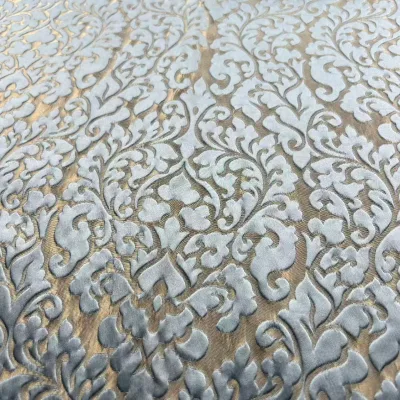


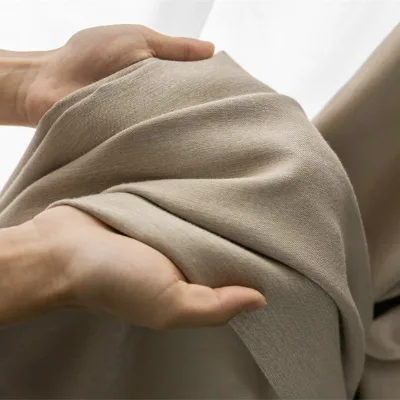


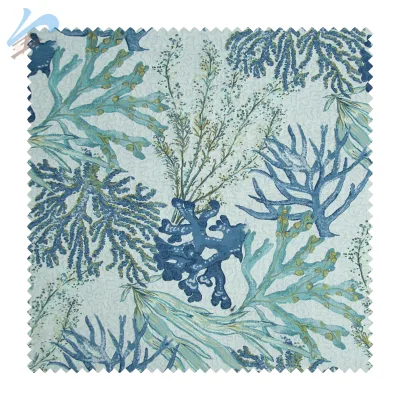


Comprehensive Sourcing Guide
Luxury Damask Curtain Material Sourcing Guide
Sourcing Luxury Damask Curtain Material requires a strategic approach that balances aesthetic requirements with technical performance, particularly when dealing with complex blends of metallic, lyocell, and polyester fibers. The market offers distinct variations ranging from heavy, classical damask weaves suitable for upholstery to lighter, modern textures designed for natural light filtration. Buyers must navigate a landscape where customization is a standard offering, allowing for specific pattern requests and tailored widths that often exceed standard industry dimensions of 280cm or 290cm.
The procurement process is heavily influenced by the specific material composition and the intended application, whether for residential curtains, sofa upholstery, or broader home textile projects. While some listings highlight eco-friendly attributes and waterproof capabilities, others focus on the intricate jacquard or embroidery techniques that define the luxury aesthetic. Understanding these distinctions is critical, as the performance characteristics of a 100% polyester fabric differ significantly from a blend containing 55% cotton or 15% lyocell, affecting both the drape and the cleaning protocols required for the final installation.
Product Scope and Observed Listing Signals
The current market for luxury damask curtain materials presents a diverse range of product models, each defined by specific keyword signals such as "Luxury Damask Curtain," "Embroidery Curtain Fabric," and "Thick Damask Curtain Fabric." These signals indicate a spectrum of products that cater to different design eras, from classical and luxury damask styles to modern, natural, and textured finishes. Buyers should expect to encounter models like MZ-86177 or JK13-28, which explicitly denote the fabric type and often include specific GSM weights ranging from 230GSM for lighter silk-like options to 340GSM for heavyweight applications.
Listing signals also reveal the availability of customization, with many suppliers offering pattern acceptance and the ability to produce fabrics in specific widths up to 290cm (114 inches). The observed product scope includes materials with unique compositions, such as blends featuring 10% metallic and 15% lyocell, which provide a distinct sheen and texture compared to standard 100% polyester or cotton-polyester mixes. This variety allows procurement teams to select materials that align with specific project needs, ensuring that the chosen fabric meets both the visual demands of the design and the functional requirements of the space.
Technical Specifications to Verify
When evaluating luxury damask curtain materials, verifying the material composition is the primary technical step, as the blend of fibers dictates the fabric's durability, drape, and care requirements. Buyers must confirm whether the product is a 100% polyester weave, a 40% polyester and 60% cotton blend, or a complex mix involving lyocell and metallic threads, as these components directly influence the fabric's weight and texture. For instance, a 330GSM embroidery fabric offers a different structural integrity compared to a 230GSM silk curtain fabric, and these weight differences must be matched to the specific load-bearing needs of the curtain rod or upholstery frame.
Width and weight specifications are equally critical, as standard widths often vary between 280cm and 290cm, with some products requiring custom cutting or joining to achieve the desired coverage. The technology used in production, such as dyeing, jacquard patterning, or weaving, further defines the visual depth and tactile quality of the material. Procurement teams should verify that the listed width and GSM align with the project's design specifications, ensuring that the fabric will hang correctly and maintain its shape over time without excessive sagging or stiffness.
Compliance and Safety Documentation
Ensuring the safety and compliance of luxury damask curtain materials is essential, particularly when the fabric is intended for residential use or environments with strict health regulations. While specific certification statuses like Oeko-Tex or BSCI are noted in background data, buyers must request explicit documentation to confirm that the formaldehyde concentration in the fabric remains below critical thresholds, such as the observed <0.15mg/m³ level found in certain listings. This verification is crucial for preventing off-gassing issues and ensuring the material is safe for prolonged human contact, especially in bedrooms or living areas.
Beyond chemical safety, buyers should verify the product's adherence to standard specifications or customized standards provided by the manufacturer. The production process, including dyeing and weaving techniques, must be documented to ensure that no harmful residues or non-compliant substances are present in the final product. It is advisable to request test reports that specifically address the material composition and finishing processes, confirming that the fabric meets the necessary safety benchmarks for the intended market and application.
Cost Drivers and Commercial Terms
The cost of luxury damask curtain materials is driven by several factors, including the complexity of the material blend, the weight of the fabric, and the level of customization required. Products with metallic threads, lyocell, or intricate jacquard patterns typically command higher prices due to the specialized production processes involved. Additionally, the MOQ (Minimum Order Quantity) can vary significantly, ranging from 1 meter for sample orders to 1000 meters for bulk in-stock items, which directly impacts the unit cost and the overall budget allocation for the project.
Commercial terms and payment structures are also key cost drivers, with many suppliers requiring specific payment methods such as TT (Telegraphic Transfer) and defining clear terms for in-stock versus custom orders. Buyers should be aware that custom patterns and specific widths may incur additional charges or longer lead times, affecting the total cost of ownership. Understanding the relationship between the MOQ, the production technology, and the payment terms is essential for negotiating favorable commercial agreements that align with the project's financial constraints.
Supplier Qualification and Quality Control
Selecting a qualified supplier for luxury damask curtain materials involves verifying their production capabilities and their ability to maintain consistent quality across different batches. Suppliers in regions like Zhejiang, China, often offer a wide range of products, but buyers must ensure that the supplier can consistently deliver on the specified material composition, weight, and width. The ability to provide samples and conduct pre-shipment inspections is a critical indicator of a supplier's reliability and their commitment to meeting the buyer's quality standards.
Quality control measures should include a thorough review of the fabric's physical properties, such as color fastness, tensile strength, and the integrity of the damask pattern. Buyers should request evidence of the supplier's quality assurance processes, including how they handle defects and ensure that the final product matches the approved sample. Establishing a clear communication channel for quality feedback and setting up a protocol for handling non-conforming goods is essential for maintaining the integrity of the supply chain and ensuring that the luxury aesthetic is preserved throughout the production run.
Long-Term Procurement Checks
Establishing a long-term procurement strategy for luxury damask curtain materials requires regular audits of supplier performance and ongoing verification of product consistency. Buyers should implement a system for tracking the performance of different fabric batches over time, monitoring for any deviations in material composition, weight, or color that could affect the final installation. This proactive approach helps in identifying potential supply chain risks early and ensures that the supplier remains capable of meeting the evolving demands of the project.
Continuous engagement with suppliers to discuss new technologies, material innovations, and market trends is also vital for maintaining a competitive edge. As the demand for eco-friendly and sustainable materials grows, buyers should stay informed about advancements in fabric technology, such as new blends or finishing techniques that enhance durability and environmental compliance. By fostering a collaborative relationship with suppliers and maintaining a rigorous quality control framework, procurement teams can ensure a steady supply of high-quality luxury damask curtain materials that meet both current and future project requirements.
FAQs
What materials are used in luxury damask curtain fabric?
Luxury damask curtain materials typically blend polyester, rayon, lyocell, and metallic threads for a rich texture. Common compositions include 75% polyester with 15% lyocell and 10% metallic, or blends with cotton and rayon. These combinations provide durability, a subtle sheen, and a heavy drape suitable for high-end home textile applications.
What is the standard width for damask curtain fabric?
The standard width for luxury damask curtain fabric is typically 280cm to 290cm, which equals approximately 110 to 114 inches. This wide format minimizes seams in large window treatments. Buyers should verify specific model widths, as some embroidery or jacquard variants may differ slightly from the standard damask roll dimensions.
Can I customize the pattern for damask curtain fabric?
Yes, customization is available for many luxury damask curtain fabrics. Suppliers often accept custom patterns and offer styles ranging from classical to modern textures. Buyers can request specific designs or colorways, though minimum order quantities may apply. It is advisable to confirm customization capabilities and lead times directly with the manufacturer before placing an order.
What is the minimum order quantity for curtain fabric?
The minimum order quantity varies by supplier and product type. Some manufacturers offer an MOQ of just one meter, while others may require larger bulk orders, such as 1000 units. Rolls often contain around 60 meters. Buyers should check the specific MOQ for their chosen model, as in-stock items may have different requirements than custom orders.
What features make damask curtain fabric eco-friendly?
Eco-friendly damask curtain fabrics often use lyocell and polyester blends that meet low formaldehyde concentration standards, typically under 0.15mg/m³. These materials are designed to be waterproof, easy to clean, and durable. The production processes may include dyeing techniques that reduce environmental impact, making them suitable for health-conscious home textile projects.
What is the weight range for luxury damask curtains?
Luxury damask curtain fabrics generally weigh between 230GSM and 340GSM. Heavier weights, such as 330GSM or 340GSM, provide a substantial drape and opacity, ideal for blackout or formal settings. Lighter options around 230GSM or 250GSM offer a softer flow. The weight influences the fabric's texture and suitability for upholstery versus drapery.