Source Luxury Die Cast Car Model for collectors, dealers, and retailers
Find 30 Luxury Die Cast Car Model options from verified suppliers. Buyers can compare metal materials, certifications, and customization features for indoor or outdoor recreational use.
Key considerations
Products List


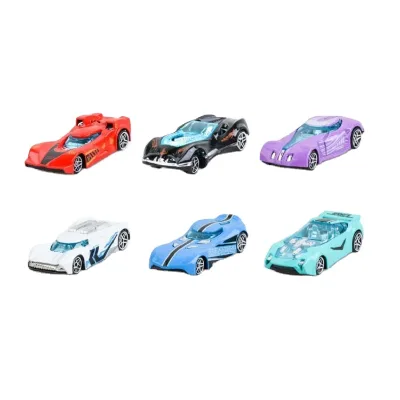
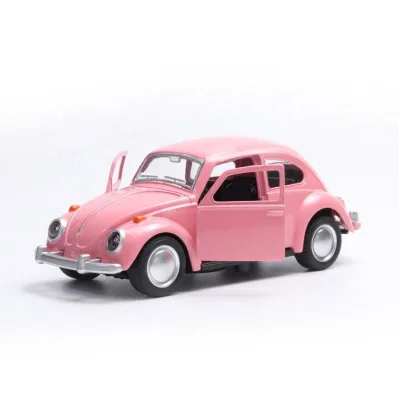
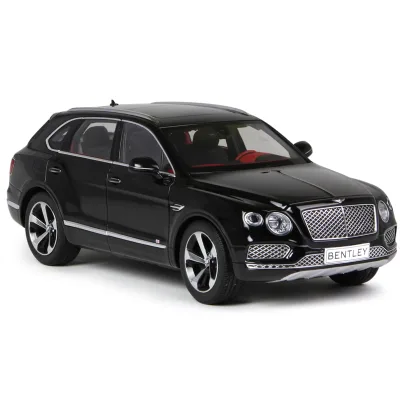
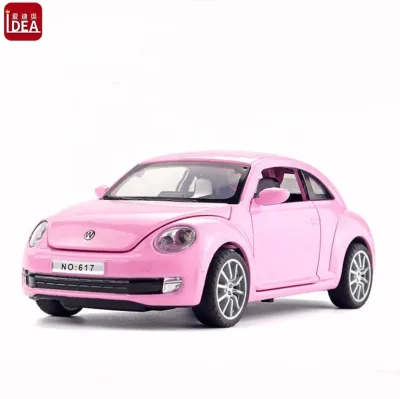
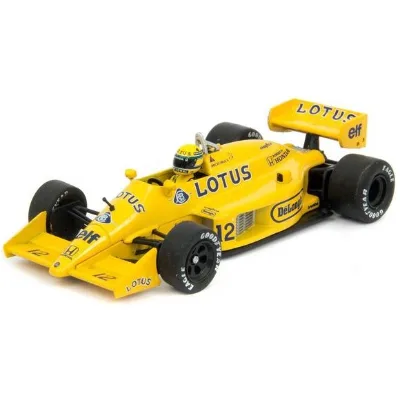
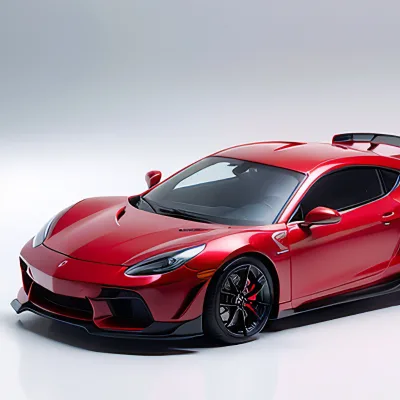
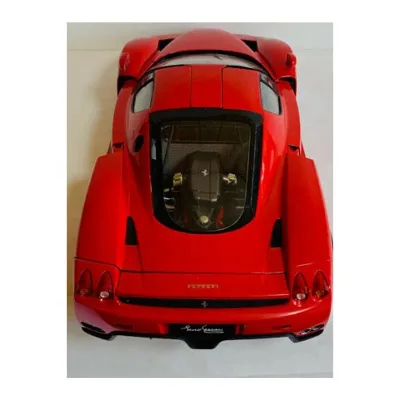


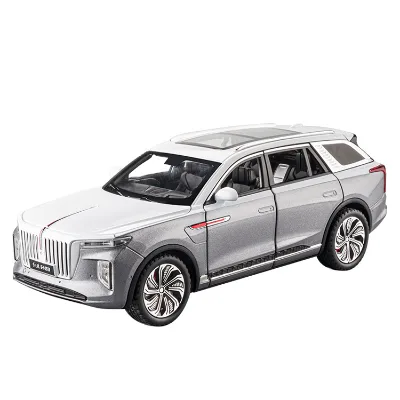
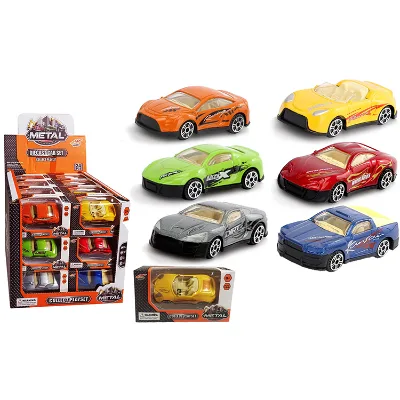
Customization Metal Car Toys Diecast Toy Vehicles 1/18 Diecast Model Cars
$2.50 - $18.00
MOQ: 50 Pieces



Comprehensive Sourcing Guide
Strategic Sourcing Guide for Luxury Die Cast Car Models
The global market for luxury die cast car models represents a sophisticated intersection of automotive heritage, precision engineering, and high-end collectibility. For B2B procurement professionals, sourcing these items requires a nuanced understanding of material composition, dimensional standards, and regulatory compliance. Unlike mass-market toys, luxury die cast models demand rigorous quality control and adherence to specific aesthetic and structural specifications. This guide synthesizes available product data and industry standards to provide a disciplined framework for evaluating suppliers and securing high-quality inventory.
Technical Specifications and Material Composition
The foundation of any luxury die cast product lies in its material integrity and dimensional precision. Based on observed product attributes, the primary construction material for these models is consistently identified as metal. This metal composition is critical for achieving the weight, feel, and durability associated with premium collectibles. The manufacturing process typically involves die casting, a method where molten metal is injected into a mold under high pressure, allowing for intricate detailing that defines the "luxury" classification.
Dimensional consistency is another paramount technical factor. The data indicates a wide variance in product standards, ranging from compact units to larger display pieces. Specific observed standard dimensions include configurations such as 813081cm, 723765cm, 823091cm, 882893cm, and 813175cm. Buyers must verify that the supplier's production capabilities align with these specific volumetric requirements, as the packaging and logistics costs are directly tied to these dimensions. Furthermore, scale accuracy is a defining characteristic of the luxury segment. Observed product attributes highlight scales ranging from 1/12 to 1/18, with specific models designated as "Medium" scale while others fall into "Small" categories. The procurement strategy must ensure that the selected models maintain the precise geometric ratios required by collectors, where a deviation of even a fraction of a millimeter can significantly impact the item's market value.
Compliance and Certification Protocols
Navigating the regulatory landscape is essential for importing luxury die cast models, particularly when targeting markets with strict safety and environmental standards. The observed product data reveals a diverse array of certifications, indicating that suppliers must be capable of meeting multiple international benchmarks simultaneously. Key certifications identified in the market include EN, ASTM, CE, CPC, CD, CPSIA, 10p, and HR4040. The presence of these certifications suggests that the supply chain must be robust enough to handle compliance for both European and North American markets.
For luxury segments, the distinction between "toy" and "collectible" often hinges on the certification depth. While some products are certified for general play with standards like ASTM and CE, others targeting adult collectors or specific regional markets may require compliance with more stringent regulations such as CPSIA (Consumer Product Safety Improvement Act) or HR4040. Buyers should not assume that a single certification covers all product lines. Instead, the procurement process must involve a line-by-line verification of the Certificate of Compliance (CoC) for each specific model number, such as NH726291 or ZQ-022. The data also notes that some products carry specific certification tags like "EN" alongside material specifications, reinforcing the need to cross-reference the certification status with the material composition to ensure the metal alloys used are non-toxic and safe for handling.
Cost Drivers and Pricing Dynamics
Understanding the cost structure of luxury die cast models requires an analysis of the observed price ranges and minimum order quantities (MOQs). The market data indicates a price range spanning from $0.10 to $270.00 USD. This wide disparity reflects the spectrum from entry-level promotional items to high-end, limited-edition collector pieces. The lower end of the spectrum likely corresponds to smaller scale models or those with simpler packaging, while the upper end is driven by complex engineering, proprietary molds, and premium branding.
MOQs present another significant variable in the cost equation. The observed MOQ range extends from 1 unit to 12,000 units. This flexibility allows buyers to tailor their procurement strategy based on their inventory turnover rates and capital allocation. For a luxury niche, a low MOQ of 1 unit might be suitable for sampling or testing a new design, whereas a bulk order of 12,000 units would be necessary to achieve economies of scale for mass distribution. However, buyers must be cautious; a low unit price at a high MOQ does not always equate to a lower total cost of ownership if the inventory holding costs or obsolescence risks are high. The pricing strategy must also account for the "Customization" attribute, which is listed as available. Customization, such as OEM/ODM support or specific packaging requirements, will invariably increase the unit cost and may alter the MOQ structure.
Typical Applications and Usage Scenarios
The application of luxury die cast models extends beyond simple play, encompassing a variety of commercial and recreational uses. The data specifies usage in both "Outdoor" and "Indoor" environments, suggesting versatility in placement. However, the "Luxury" designation often implies a primary use case of indoor display, where the models serve as decorative elements or investment assets. The "Function" attribute lists "Artificial Toys" and "Cool Style Die Cast Car Model," indicating that while they are functional as toys, their primary value proposition is aesthetic and stylistic.
Target demographics also play a crucial role in application. The data identifies "Adults" as a primary user group, alongside specific age ranges like "<3 Years" for certain toy variants. This divergence highlights the need for precise market segmentation. For adult collectors, the "Style" attributes such as "European & American" and "Race Car" are significant selling points. The "Shape" attributes, including "Car/Truck" and "Motorcycle," further define the specific niche within the broader category. Buyers must align their procurement with the intended application; for instance, models intended for outdoor display may require enhanced weather-resistant coatings, while those for indoor use can focus on fine paint details and intricate mechanical features like "Pullback Action."
Supplier Evaluation and Origin Verification
Selecting the right supplier is a critical step in the sourcing process. The product data indicates that the origin of these goods is primarily "China," with specific mentions of "Shenzhen, China" as a manufacturing hub. Shenzhen is a well-known center for electronics and precision manufacturing, which often translates to high-quality die casting capabilities. However, the mere location does not guarantee quality. Buyers must evaluate suppliers based on their ability to provide the specific "prod_model" numbers observed in the market, such as NH726256 or XR-017.
The availability of "OEM/ODM" support is a key indicator of a supplier's flexibility and capability. Suppliers that support Original Equipment Manufacturing (OEM) and Original Design Manufacturing (ODM) can tailor products to specific brand requirements, which is often essential for luxury positioning. Additionally, the "Customization" attribute being available suggests that suppliers are willing to modify molds, colors, or packaging. When evaluating potential partners, buyers should request samples of the "Metal" material and inspect the finish quality. The "Packaging" attributes, ranging from "Paper Carton" to "Box" and "Dust Cover," are also vital. Luxury products require packaging that protects the item during transit while enhancing the unboxing experience. A supplier offering "Dust Cover" packaging demonstrates an understanding of the preservation needs of collectible items.
Quality Control and Long-Term Procurement Considerations
Maintaining quality consistency across large orders is a persistent challenge in the die cast industry. The data shows a variety of "prod_packing" methods, including "Carton," "Box," and "Packing Bag." The choice of packaging directly impacts the risk of damage during shipping. For luxury items, the "Dust Cover" and "Box" options are generally preferred over simple "Packing Bag" solutions to prevent scratches and dust accumulation. Quality control protocols should include rigorous inspection of the "Scale" accuracy and the "Assembly Required" status. Most luxury models are designed with "No Assembly Required," ensuring they arrive in perfect condition.
Long-term procurement considerations involve managing the lifecycle of the product line. The "Style" attributes, such as "European & American" and "Race Car," suggest that trends can shift. Buyers should monitor the "Function" of the models, such as "Mechanics-driven" or "Pullback Action," to ensure they remain relevant to consumer preferences. Furthermore, the "Standard" dimensions observed (e.g., 813081cm) must be maintained consistently over time to ensure compatibility with display cases and shelving units. Buyers should establish clear acceptance criteria based on the "Certification" and "Material" specifications to avoid receiving substandard goods. Finally, the "Usage" context, whether for "Recreation" or "Indoor" display, should guide the frequency of restocking and the selection of specific models to ensure a balanced inventory that meets diverse customer needs without overstocking niche items.
Comparative Analysis of Product Attributes
To facilitate decision-making, the following table summarizes key attributes observed in the luxury die cast market, highlighting the variance in specifications that buyers must navigate.
| Attribute Category | Observed Variations | Procurement Implication |
|---|---|---|
| Material | Metal | Essential for weight and durability; verify alloy composition. |
| Scale | Small, Medium, 1/12, 1/18 | Must match collector expectations; 1/18 is common for luxury. |
| Certification | EN, ASTM, CE, CPC, CPSIA | Verify specific market compliance; not all models have all certs. |
| Packaging | Paper Carton, Box, Dust Cover, Bag | Luxury items require Box or Dust Cover for protection. |
| Origin | China, Shenzhen, China | Verify factory capabilities and logistics from these hubs. |
| Customization | Available, OEM/ODM Support | Critical for branding; confirm lead times for custom molds. |
| Usage | Indoor, Outdoor, Recreation | Ensure durability matches the intended environment. |
| Age Group | Adults, <3 Years | Segregate inventory based on target demographic safety. |
This structured approach ensures that procurement decisions are grounded in verified data and industry best practices, minimizing risk and maximizing the value of the Luxury Die Cast Car Model inventory.
FAQs
What materials are used for luxury die cast car models?
The primary construction material for these models is consistently identified as metal. This metal composition is critical for achieving the weight, feel, and durability associated with premium collectibles. Buyers should verify the specific alloy composition to ensure safety and quality.
Which certifications are required for importing these models?
Key certifications identified in the market include EN, ASTM, CE, CPC, CD, CPSIA, 10p, and HR4040. Buyers must verify that the supplier's production capabilities align with these specific regulatory benchmarks for both European and North American markets before placing orders.
How do pricing and MOQs vary for these products?
The market data indicates a price range spanning from $0.10 to $270.00 USD. MOQs extend from 1 unit to 12,000 units, allowing buyers to tailor procurement strategies based on inventory turnover rates and capital allocation for either sampling or bulk distribution.
Can suppliers provide customization for these car models?
Customization is available, and suppliers support OEM and ODM services. This allows buyers to tailor products to specific brand requirements, modify molds, colors, or packaging, though such customization will invariably increase the unit cost and may alter the MOQ structure.
What packaging options are available for these models?
Observed packaging attributes range from Paper Carton to Box and Dust Cover. Luxury items require packaging like Box or Dust Cover to protect the item during transit while enhancing the unboxing experience and preventing scratches or dust accumulation on the collectibles.
Where are these luxury die cast models manufactured?
The origin of these goods is primarily China, with specific mentions of Shenzhen, China as a manufacturing hub. Buyers must evaluate suppliers based on their ability to provide specific model numbers and verify factory capabilities in these known centers for precision manufacturing.
What scales are commonly found in these die cast models?
Observed product attributes highlight scales ranging from 1/12 to 1/18, with specific models designated as Small or Medium scale. The procurement strategy must ensure that the selected models maintain the precise geometric ratios required by collectors to maintain market value.