Source Luxury Custom Packaging Boxes for jewelry, food, and cosmetics
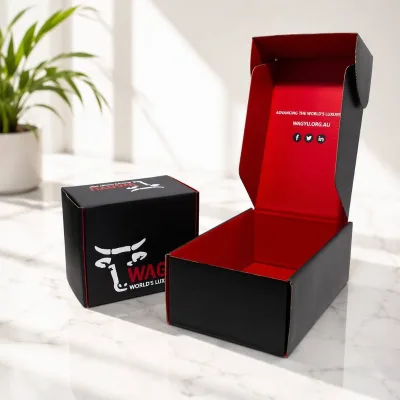
Explore 30 listings for Luxury Custom Packaging Boxes designed for jewelry, food, and cosmetics. Buyers can compare folding options, printing methods, and customization features to find suitable suppliers for various product needs.
Key considerations
Products List




Comprehensive Sourcing Guide
Strategic Sourcing Guide for Luxury Custom Packaging Boxes
The global demand for Luxury Custom Packaging Boxes has surged as brands recognize that unboxing experiences are integral to product value perception. For procurement professionals, sourcing these items requires a disciplined approach that balances aesthetic customization with rigorous technical and compliance verification. This guide outlines the critical factors for evaluating suppliers, understanding material specifications, and managing the procurement lifecycle for high-end packaging solutions.
Understanding Material Specifications and Structural Integrity
The foundation of any luxury packaging solution lies in the material composition and structural design. In the current market, paper-based materials remain the dominant choice due to their versatility and recyclability. Buyers must verify that the core material is specified as high-grade paper or cardboard, often constructed in multi-ply configurations to ensure durability. A common observation in the supply chain involves 3-ply export cartons, which provide a robust barrier against damage during transit while maintaining a premium feel.
Structural integrity is further defined by the box type and production standards. Luxury boxes often utilize a folding mechanism designed to reduce storage space and transportation costs when empty, yet they must expand to a rigid form upon assembly. Dimensions vary significantly based on application; while some standard configurations exist, such as 280mm by 170mm by 50mm or 235mm by 125mm by 50mm, the industry trend strongly favors fully customized sizes to fit specific product contours. Buyers should expect thickness specifications ranging from 1mm to 3mm, with heavier applications potentially exceeding 1.5kg in weight, while lighter, smaller units may fall between 0.5kg and 1kg.
The shape of the box is another critical specification. While rectangular and square forms are the most prevalent for general luxury goods, the ability to customize the geometry is a key differentiator. Procurement teams must confirm that the supplier can produce the exact shape required, whether it is a standard rectangle or a more complex custom form, without compromising the structural rigidity of the 3-ply or similar paper construction.
Technical Capabilities in Printing and Surface Finishing
Visual appeal is the primary driver for luxury packaging, necessitating advanced printing and surface finishing capabilities. High-end suppliers typically offer a comprehensive suite of printing technologies, including CMYK four-color process printing alongside Pantone spot colors to ensure brand color accuracy. The ability to print on both sides of the material is often a standard requirement for double-sided branding or informational content.
Surface handling techniques elevate the tactile experience of the box. Common processes observed in the market include gloss or matte lamination, which provides a smooth finish and protects the print. For added luxury, hot stamping and foil stamping are frequently utilized to create metallic accents or embossed textures. Buyers should verify that the supplier supports these specific finishing options and can handle the file requirements, typically demanding high-resolution artwork in formats such as PDF, AI, CDR, or Photoshop at 300dpi.
The production timeline for these customized items is a crucial logistical factor. While standard lead times can vary, a typical window for production is 7 to 10 working days. This duration accounts for the complexity of custom artwork, the setup of printing plates, and the application of various surface finishes. Procurement planners must factor in this lead time alongside shipping durations to ensure inventory availability aligns with product launch schedules.
Compliance, Certification, and Environmental Standards
Sustainability is no longer a niche preference but a core requirement for modern luxury packaging. Buyers must prioritize suppliers who can demonstrate compliance with environmental standards. The use of recyclable and environmentally friendly materials is a baseline expectation. Furthermore, specific certifications serve as proof of responsible sourcing and manufacturing practices.
Key certifications to verify include FSC (Forest Stewardship Council), SGS, and BV (Bureau Veritas). These documents validate that the paper used is sourced from responsibly managed forests and that the manufacturing processes meet international quality and safety benchmarks. While some suppliers may list these certifications, buyers should request current certificates rather than relying on general claims. The presence of these certifications often correlates with the use of eco-friendly inks, which are increasingly demanded by brands aiming to reduce their carbon footprint.
In addition to material certifications, the functional design of the box should align with waste reduction goals. Features such as the ability to fold flat for shipping reduce the volume of empty boxes in transit, thereby lowering carbon emissions associated with logistics. This "fold to ship" functionality is a technical specification that directly contributes to the sustainability profile of the packaging solution.
Cost Drivers and Minimum Order Quantity Considerations
The pricing structure for Luxury Custom Packaging Boxes is influenced by several variables, including material grade, printing complexity, and order volume. The observed market price range for these items can be quite broad, starting from very low entry points up to higher tiers depending on the level of customization. However, the unit cost is heavily dependent on the Minimum Order Quantity (MOQ).
MOQs for custom packaging typically range from 50 units to as high as 50,000 units. Lower MOQs allow for smaller brands to test the market with custom designs, while higher volumes significantly reduce the per-unit cost. Buyers must balance their budget constraints with the need for sufficient stock to meet demand. It is essential to understand that custom sizes and complex surface treatments like foil stamping or embossing will incur higher setup costs and potentially higher per-unit prices compared to standard off-the-shelf options.
When evaluating cost, procurement teams should also consider the total cost of ownership, which includes packaging for the boxes themselves. High-quality export cartons, often 3-ply, are used to protect the finished products during shipping. The weight of the packaging, which can range from 0.5kg to over 1.5kg depending on the size and material, also impacts freight costs. A detailed cost analysis should factor in the weight and dimensions of the packed goods to optimize logistics expenses.
Typical Applications and Functional Versatility
Luxury Custom Packaging Boxes serve a diverse array of industries, each with unique functional requirements. The versatility of these products allows them to be adapted for various sectors, including electronics, cosmetics, jewelry, food, garments, and greeting cards. The specific application dictates the internal features and structural needs of the box.
For electronic products and cosmetics, the box must often provide protection against moisture and physical damage while presenting a premium image. In these cases, internal inserts made of EVA, sponge, paper, or plastic are commonly used to secure the product and prevent movement. The "fold to reduce storage space" feature is particularly valuable for brands with large product lines, as it allows for efficient warehousing of empty inventory.
The application also influences the choice of printing and finishing. For food products, safety and hygiene are paramount, requiring materials that are food-safe and compliant with relevant standards. For jewelry and gifts, the emphasis is on aesthetics, with a focus on intricate printing, embossing, and the use of high-quality paper stocks. The ability to support customer logos and custom artwork is a universal requirement across all these sectors, ensuring brand consistency.
Supplier Evaluation and Quality Control Protocols
Selecting the right supplier is critical to ensuring the quality and consistency of luxury packaging. Buyers should evaluate potential partners based on their technical capabilities, production capacity, and adherence to quality standards. A reliable supplier will offer full customization services, including ODM (Original Design Manufacturer) and OEM (Original Equipment Manufacturer) options, allowing for complete control over the design and branding.
Quality control protocols must be rigorous. Buyers should verify that the supplier has established processes for checking print quality, color accuracy, and structural integrity. The ability to provide samples before mass production is a key indicator of a supplier's confidence in their quality. Additionally, the supplier should be transparent about their production location, with many high-quality manufacturers based in regions like Shandong, China, known for their paper processing expertise.
When evaluating suppliers, procurement teams should look for evidence of their ability to handle complex file formats and their responsiveness to design changes. The availability of customer support for artwork adjustments and the clarity of communication regarding production timelines are also important factors. A supplier that can provide a clear production schedule and maintain consistent quality across large batches is essential for long-term success.
Long-Term Procurement and Strategic Partnerships
Building a long-term relationship with a packaging supplier offers significant strategic advantages. Beyond the immediate cost benefits of volume discounts, a trusted partner can provide valuable insights into material innovations and design trends. This collaboration can lead to continuous improvements in packaging quality and sustainability.
Buyers should consider the scalability of their supplier. As the brand grows, the ability to increase order volumes without compromising quality or lead times is crucial. A supplier with a robust production capacity and a flexible supply chain can accommodate these fluctuations. Furthermore, maintaining a consistent relationship allows for better planning and inventory management, reducing the risk of stockouts during peak seasons.
In conclusion, sourcing Luxury Custom Packaging Boxes requires a meticulous approach that balances aesthetic desires with technical and logistical realities. By focusing on material specifications, printing capabilities, compliance standards, and supplier reliability, procurement professionals can secure packaging solutions that enhance brand value and meet the rigorous demands of the modern market. The key lies in thorough verification of all claims and a commitment to quality at every stage of the procurement process.
FAQs
What customization options are available for Luxury Custom Packaging Boxes?
Customization is available for size, shape, and branding. Suppliers support ODM and OEM services with customer logos, allowing for unique designs in various shapes like rectangles or squares to fit specific product needs.
How long does production take for custom Luxury Custom Packaging Boxes?
Production typically requires 7 to 10 working days. This timeline accounts for the setup of printing plates and the application of surface finishes like lamination or foil stamping on the specified paper materials.
Which certifications verify the environmental standards of these boxes?
Certifications such as FSC, SGS, and BV are available to verify standards. These documents confirm that materials are recyclable, sourced responsibly, and manufactured using eco-friendly inks and processes.
Can I order Luxury Custom Packaging Boxes with specific printing requirements?
Yes, printing supports CMYK four-color process and Pantone spot colors. Artwork files in PDF, AI, or CDR formats are accepted, and options include two-sided printing with gloss or matte lamination.
What is the minimum order quantity for Luxury Custom Packaging Boxes?
Minimum order quantities range from 50 to 50,000 units depending on the supplier. Lower MOQs allow for market testing, while higher volumes reduce per-unit costs for large-scale distribution needs.
Where are these Luxury Custom Packaging Boxes manufactured?
Manufacturing originates from locations like Feicheng, Taian, Shandong, China. Suppliers in this region are known for paper processing expertise and offer export-ready packing in 3-ply cartons for safe transit.
What materials are used to construct these Luxury Custom Packaging Boxes?
Boxes are constructed from recyclable paper or cardboard, often in 3-ply configurations. The material thickness ranges from 1 to 3mm, ensuring structural integrity while maintaining an eco-friendly profile.