Source Luxury Fish Pitcher for Picnic, Household, and Outdoor Use
Compare 30 Luxury Fish Pitcher options from verified Chinese manufacturers. Buyers can evaluate high borosilicate glass models with lids, varying volumes from 1.3L to 1.8L, and thermal resistance features suitable for household and picnic applications; compare the available evidence and request quotations based on your requirements.
Updated
Key considerations
Products List




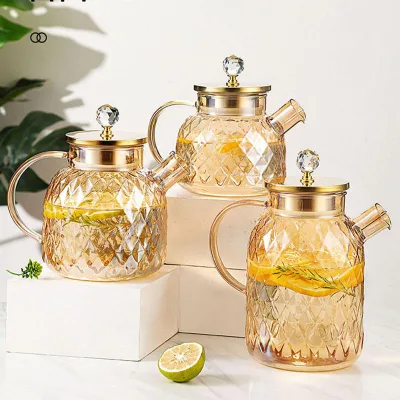


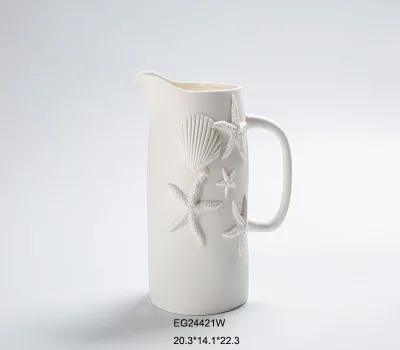
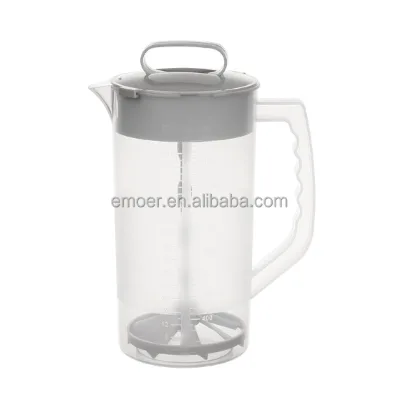
Comprehensive Sourcing Guide
Luxury Fish Pitcher Sourcing Guide
Sourcing high-end glass drinkware requires a disciplined approach to material verification and supplier transparency. Buyers must prioritize suppliers who provide clear evidence of thermal resistance and structural integrity, as these are critical for products intended to hold hot liquids. The market offers various options, but distinguishing between standard soda-lime glass and premium borosilicate glass is essential for ensuring product longevity and safety. This guide outlines the key factors to consider when evaluating potential suppliers for luxury glass pitchers, focusing on technical specifications, compliance, and commercial terms.
Procurement teams should establish a rigorous vetting process that includes sample testing and factory audits. It is crucial to verify that the supplier’s production capabilities align with the buyer’s quality standards and volume requirements. By focusing on evidence-based decision-making, buyers can mitigate risks associated with product failure, regulatory non-compliance, and supply chain disruptions. This guide provides a framework for making informed sourcing decisions, ensuring that the final product meets the high expectations of luxury consumers while maintaining operational efficiency.
Product Scope and Observed Listing Signals
The current market landscape for glass pitchers includes a diverse range of products, from basic household items to specialized designs. Observed listings indicate a price range of $0.18 to $10.26 USD, reflecting significant variation in quality, branding, and volume. Minimum order quantities (MOQs) vary widely, from as low as 1 unit to 9,300 units, allowing buyers to scale their orders based on demand forecasts and inventory strategies. This flexibility is particularly useful for testing new designs or fulfilling small-batch luxury orders without committing to large initial investments.
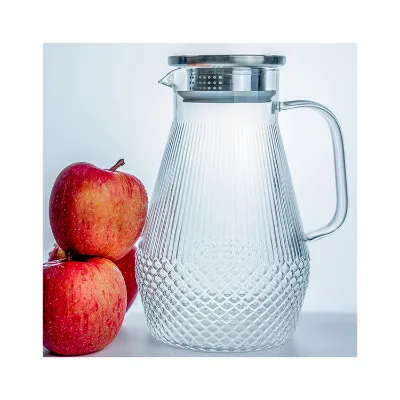
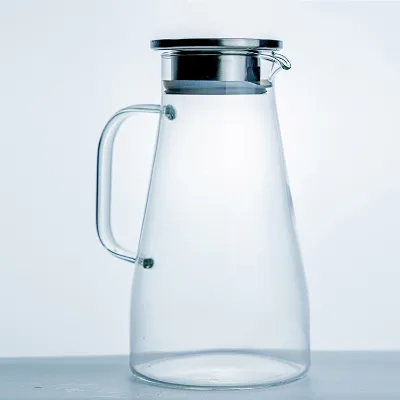
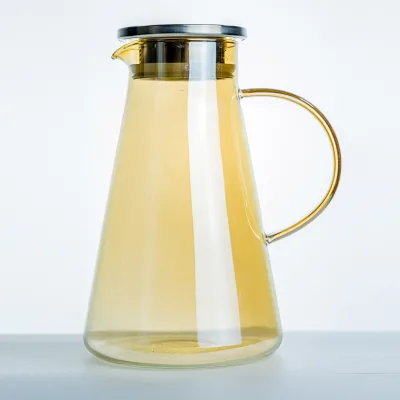
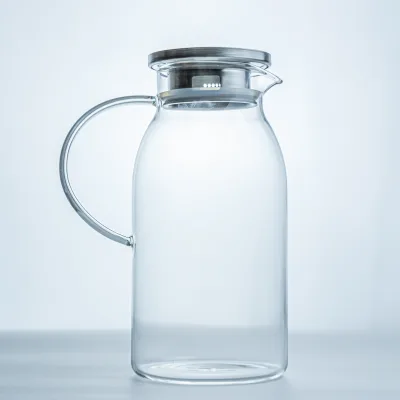
Product attributes observed in listings include materials such as high borosilicate glass and standard glass, with volumes ranging from 1 to 2 liters. Specific models like the 58811 and 50816 highlight the importance of verifying model numbers and specifications. Some products are designed for household use, while others cater to outdoor activities like picnics. Buyers should carefully review product names, shapes, and colors to ensure alignment with their brand identity and target market preferences, avoiding assumptions about features not explicitly stated in the product details.
Technical Specifications to Verify
Verifying technical specifications is paramount to ensuring product performance and safety. Buyers must confirm the material composition, specifically whether the glass is high borosilicate, which offers superior thermal resistance compared to standard glass. The observed thermal insulation performance of 0-6 hours suggests that some products are designed to maintain temperature, a key feature for luxury pitchers. Additionally, the presence of lids and specific shapes, such as round designs, should be verified to ensure they meet functional and aesthetic requirements.
Packaging and weight specifications are also critical for logistics and cost estimation. Observed single gross weights range from 1.3 kg to 2.0 kg, and package sizes vary, impacting shipping costs and storage requirements. Buyers should verify the single package size and gross weight for each model to accurately calculate freight costs. Furthermore, checking the surface finish, whether coated or uncoated, and the presence of accessories like lids, ensures that the product meets the expected quality and functionality standards for the luxury market.
Compliance and Safety Documentation
Compliance with international safety standards is non-negotiable for glass drinkware. Buyers must request and verify certifications such as LFGB, FDA, and CE/EU, which indicate that the product meets stringent safety and quality requirements. These certifications are crucial for accessing regulated markets and ensuring that the product is safe for contact with food and beverages. Without proper documentation, buyers risk facing regulatory hurdles, product recalls, and damage to their brand reputation.
In addition to certifications, buyers should inquire about the manufacturing processes and quality control measures implemented by the supplier. Understanding the surface treatment, such as powder coating or lack thereof, helps in assessing the product’s durability and safety. Buyers should also verify the origin of the materials and the manufacturing location, as these factors can influence compliance and quality. Ensuring that all documentation is up-to-date and valid is essential for maintaining a compliant and reputable supply chain.
Cost Drivers and Commercial Terms
Understanding the cost drivers is essential for effective budgeting and negotiation. The observed price range of $0.18 to $10.26 USD is influenced by factors such as material quality, design complexity, and volume. High borosilicate glass and specialized features like thermal insulation typically command higher prices. Buyers should analyze the cost structure to identify areas for potential savings, such as optimizing order quantities or selecting simpler designs without compromising quality.
Commercial terms, including MOQs and payment conditions, also impact the overall cost. The wide range of MOQs, from 1 to 9,300 units, offers flexibility but requires careful planning to balance inventory costs and cash flow. Buyers should negotiate favorable terms, such as discounts for larger volumes or flexible payment schedules, to improve profitability. Additionally, considering the packaging and shipping costs, which are influenced by package size and weight, is crucial for accurate total cost estimation.
Supplier Qualification and Quality Control
Supplier qualification is a critical step in mitigating supply chain risks. Buyers should conduct thorough due diligence, including factory audits and performance reviews, to assess the supplier’s capabilities and reliability. Verifying the supplier’s production capacity, quality control processes, and past performance is essential to ensure consistent product quality. Suppliers with a proven track record of meeting deadlines and maintaining high standards are preferable for luxury product sourcing.
Quality control measures should be integrated into the procurement process to prevent defects and ensure product consistency. Buyers should implement incoming inspection protocols and request pre-shipment inspections to verify that the products meet the specified standards. Collaborating with the supplier to establish clear quality benchmarks and feedback loops can help in continuously improving product quality. Regular communication and joint problem-solving efforts are key to maintaining a strong and productive supplier relationship.
Long-Term Procurement Checks
Long-term procurement success depends on continuous monitoring and adaptation. Buyers should regularly review supplier performance metrics, including delivery times, product quality, and responsiveness to issues. Establishing key performance indicators (KPIs) and conducting periodic supplier evaluations helps in identifying areas for improvement and maintaining high standards. Proactive management of supplier relationships ensures that any potential issues are addressed promptly, minimizing disruptions to the supply chain.
Additionally, buyers should stay informed about market trends and regulatory changes that may impact sourcing decisions. Adapting to new technologies, materials, and consumer preferences is essential for maintaining a competitive edge. Building a diversified supplier base can also mitigate risks associated with single-source dependencies. By fostering a culture of continuous improvement and strategic planning, buyers can ensure long-term success in sourcing luxury glass pitchers.
FAQs
What material is used for the Luxury Fish Pitcher?
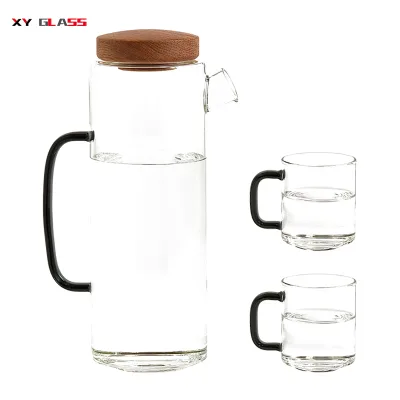
The Luxury Fish Pitcher is crafted from high borosilicate glass, ensuring durability and clarity. This material offers excellent temperature resistance, making it suitable for boiling water applications. The transparent finish highlights the contents, while the classic design style fits well in household settings. It is a reliable choice for both everyday use and special occasions like picnics.
Can the Luxury Fish Pitcher handle boiling water safely?
Yes, the Luxury Fish Pitcher is applicable for boiling water due to its high borosilicate glass construction. This material provides strong thermal insulation performance, lasting between zero to six hours. The design ensures that the pitcher remains safe and functional when handling hot liquids, making it a versatile option for serving beverages in various household environments.
Which certifications does the Luxury Fish Pitcher hold?
The Luxury Fish Pitcher holds LFGB, FDA, and CE / EU certifications. These standards confirm that the product meets rigorous safety and quality requirements for food contact. Buyers can trust that the glass material and manufacturing processes adhere to international regulations, ensuring the pitcher is safe for daily use and suitable for export to markets with strict compliance needs.
What is the volume capacity of the Luxury Fish Pitcher?
The Luxury Fish Pitcher has a volume of 1800 milliliters, which is equivalent to 1.8 liters. This capacity falls within the 1-2 liter range, making it ideal for serving multiple guests. The round shape and transparent color enhance its aesthetic appeal, while the included lid ensures hygiene and prevents spills during transport or storage in household settings.
How is the Luxury Fish Pitcher packaged for shipping?
The Luxury Fish Pitcher is packaged in a single item box with dimensions of 40x30x30 cm. The single gross weight is 2.0 kg, ensuring secure handling. Some variants may use a 5-layer carton for added protection. The packaging is designed to safeguard the glass material during transit, maintaining the product's integrity until it reaches the buyer's destination.
Is customization available for the Luxury Fish Pitcher?
Yes, customization is available for the Luxury Fish Pitcher. Buyers can request specific modifications to meet their unique requirements. This flexibility allows for tailored solutions in terms of design or branding. The classic design style serves as a versatile base for customization, ensuring that the final product aligns with the buyer's vision while maintaining high-quality standards.