Source Luxury Mirror Polish Chafing Dish for Hotels, Restaurants, and Catering
Find 30 luxury mirror polish chafing dish options for hotel buffets, restaurant serving, and catering events. Compare stainless steel models with fuel heating, square and round shapes, and various capacities to select the right equipment for your business needs.
Key considerations
Products List


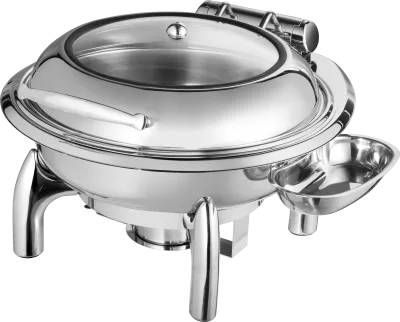


Chafer Shaffing Dish Luxury Square Hammered Hammered Buffet Chafing Dishes for Catering
$145.00 - $165.00
MOQ: 10 Pieces


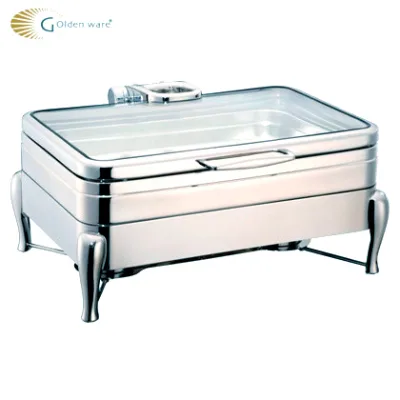


Comprehensive Sourcing Guide
Luxury Mirror Polish Chaffing Dish Sourcing Guide
Sourcing high-end chafing dishes for hotel buffets and restaurant serving requires a careful balance of aesthetic appeal, functional durability, and material integrity. The term "luxury mirror polish" typically refers to a surface finish that offers a high-gloss, reflective appearance, often associated with premium stainless steel products. Buyers must distinguish between marketing terminology and actual metallurgical properties, as the visual appeal of a mirror finish is directly tied to the quality of the steel and the precision of the polishing process. This guide outlines the critical verification steps, technical specifications, and commercial considerations necessary to secure reliable supply chains for these specialized food service equipment items.
The procurement of chafing dishes involves evaluating multiple product attributes, including shape, capacity, and heating methods. Observed market listings indicate a variety of configurations, from square and rectangular designs to unique roll-top styles, catering to diverse buffet layouts. Understanding the specific operational needs of your establishment, such as the required fuel type (e.g., alcohol fuel) and the desired capacity (ranging from 6L to 9L), is essential before engaging with suppliers. This guide focuses on the key decision points that ensure the selected equipment meets both aesthetic standards and rigorous hygiene and safety requirements.
Product Scope and Observed Listing Signals
The product scope for luxury chafing dishes encompasses a range of serving equipment designed for hotel buffets and restaurant settings. Observed listings highlight specific models such as XX-733GW, XX-733W, and CS-G105, which vary in dimensions and packaging. For instance, some units measure approximately 39x43.5x29 cm, while others offer larger dimensions like 64.5x34.5x38 cm. Buyers should note that these dimensions often refer to the outer casing or the complete set, including the fuel holder and water pan, rather than just the food pan. Verifying the exact internal capacity and the footprint of the unit is crucial for ensuring it fits within your existing buffet infrastructure.
Material composition is a primary differentiator in this category, with stainless steel being the standard for durability and hygiene. Listings frequently specify materials such as Stainless Steel 201 or generic S/S (Stainless Steel), with thicknesses around 0.55 mm. While "mirror polish" suggests a high-quality finish, the underlying steel grade significantly impacts corrosion resistance and longevity. Buyers must verify whether the product uses 201 or 304 grade stainless steel, as 201 is more prone to rusting over time, especially in high-moisture environments. The surface finish, described as high mirror polishing, should be inspected for uniformity and absence of scratches or pits, which can harbor bacteria and detract from the luxury aesthetic.
Technical Specifications to Verify
Dimensional accuracy and structural integrity are paramount when evaluating chafing dishes. Key specifications to verify include the overall size, carton dimensions, and the specific model number associated with each variant. For example, models like BS-730R and CS-H811G may have distinct packing sizes, such as 65.5x36.5x39.5 cm, which directly impact shipping costs and storage requirements. Buyers should request detailed technical drawings or CAD files to confirm that the external dimensions align with their buffet table sizes and that the internal pans fit securely within the frame. Discrepancies in dimensions can lead to installation issues and compromised functionality during service.
The heating mechanism and fuel compatibility are critical technical aspects that must be clearly defined. Most luxury chafing dishes utilize alcohol fuel for consistent, gentle heating, which is ideal for maintaining food temperature without overcooking. Buyers should verify the type of fuel holder included and ensure it is stable and secure to prevent tipping. Additionally, the presence of optional accessories, such as lids, serving utensils, or additional pans, should be confirmed. The ability to customize logos or colors, such as gold or rose finishes, adds to the luxury appeal but requires precise specification to ensure brand consistency across all units.
Compliance and Safety Documentation
Food safety compliance is non-negotiable for any equipment used in direct contact with food. Buyers must ensure that the stainless steel used in the chafing dishes is food-grade and free from harmful contaminants. While specific certification statuses may vary by supplier, buyers should request documentation confirming that the materials comply with relevant food contact regulations, such as FDA or EU standards, depending on the destination market. The mirror polish finish should be smooth and non-porous to facilitate easy cleaning and sanitization, reducing the risk of bacterial growth.
Safety features related to the heating element are equally important. The fuel holder should be designed to minimize the risk of spills and leaks, and the overall structure should be stable to prevent accidents during service. Buyers should verify that the product includes clear instructions for safe fuel handling and ignition. Additionally, the packaging should protect the delicate mirror finish during transit, as damage to the surface can compromise both aesthetics and hygiene. Ensuring that the supplier provides comprehensive safety guidelines and maintenance instructions is essential for long-term operational safety.
Cost Drivers and Commercial Terms
Several factors influence the cost of luxury chafing dishes, including material quality, surface finish complexity, and customization options. The use of higher-grade stainless steel, such as 304 instead of 201, will increase the unit cost but offer better durability and corrosion resistance. Similarly, a high mirror polish finish requires more labor and precision, contributing to higher prices. Buyers should also consider the cost of customization, such as logo engraving or color coating, which may incur additional fees. Understanding these cost drivers allows for more accurate budgeting and value assessment.
Commercial terms, including minimum order quantities (MOQ), payment terms, and delivery lead times, vary among suppliers. Observed listings indicate MOQs ranging from 1 to 100 units, with delivery times typically within 35 days after deposit. Buyers should negotiate favorable terms based on their order volume and relationship with the supplier. It is also important to clarify who bears the cost of shipping and insurance, as well as the process for handling defective items. Clear communication of these terms helps avoid unexpected expenses and ensures a smooth procurement process.
Supplier Qualification and Quality Control
Supplier qualification is a critical step in ensuring the reliability of your supply chain. Buyers should assess the supplier’s manufacturing capabilities, quality control processes, and track record in producing stainless steel food service equipment. Visiting the factory or requesting third-party audit reports can provide valuable insights into their production standards. Suppliers with a history of exporting to reputable markets are often more reliable, as they are likely to adhere to international quality and safety standards.
Quality control measures should be implemented throughout the production process, from raw material inspection to final packaging. Buyers should specify acceptance criteria for the mirror polish finish, ensuring it is free from defects such as scratches, dents, or uneven polishing. Random sampling and pre-shipment inspections are recommended to verify that the products meet the agreed-upon specifications. Establishing a clear communication channel with the supplier for addressing any quality issues is essential for maintaining high standards and customer satisfaction.
Long-Term Procurement Checks
Long-term procurement success depends on continuous monitoring of supplier performance and product quality. Buyers should establish key performance indicators (KPIs) to track metrics such as on-time delivery, defect rates, and responsiveness to issues. Regular feedback loops with the supplier can help identify areas for improvement and strengthen the partnership. Additionally, staying informed about industry trends and technological advancements in chafing dish design can help buyers make informed decisions about future purchases.
Sustainability and environmental considerations are increasingly important in procurement. Buyers should inquire about the supplier’s environmental policies, such as waste management and energy efficiency practices. Choosing suppliers who prioritize sustainable manufacturing can enhance brand reputation and align with corporate social responsibility goals. Finally, maintaining a diversified supplier base can mitigate risks associated with supply chain disruptions, ensuring continuity of operations for your food service business.
FAQs
What materials are used for luxury mirror polish chafing dishes?
These chafing dishes are primarily constructed from stainless steel, including grades like 201 and standard S/S. The surface undergoes high mirror polishing to achieve a reflective, premium finish. This material choice ensures durability and resistance to corrosion, making it suitable for high-traffic hotel buffet environments and professional restaurant serving applications.
Can I customize the logo on these chafing dishes?
Yes, customization is available for these units. Buyers can typically request specific branding, such as CS or OEM logos, to be applied to the product. This service allows hotels and catering businesses to maintain brand consistency across their serving equipment. The customization options help in creating a cohesive and professional presentation for buffet displays and special events.
What are the standard dimensions for these square chafing dishes?
Standard models often feature dimensions around 39x43.5x29 cm or 580x440x305 mm. Some variants measure 64.5x34.5x38 cm. These sizes are designed to fit standard buffet tables and holding warmers. The specific dimensions ensure adequate food capacity while maintaining a sleek, square or rectangular profile that complements modern dining aesthetics and maximizes table space efficiency.
How is the heating method for these chafing dishes?
These units typically utilize alcohol fuel as the heating source. This method provides a consistent and safe heat distribution for keeping food warm during service. The fuel-based system is preferred in many hotel and restaurant settings for its reliability and ease of use. It allows for continuous cooking and serving without the need for complex electrical connections at the buffet line.
What is the typical lead time for ordering these chafing dishes?
The delivery time is generally within 35 days after the deposit is received. This timeframe allows for production, quality control, and packaging preparation. Buyers should plan their procurement schedules accordingly to ensure timely arrival for events or inventory replenishment. The lead time may vary slightly based on order volume and specific customization requirements requested by the purchaser.
Which capacities are available for these stainless steel chafing dishes?
Available capacities include 6L, 8L, and 9L options. These volumes cater to different serving needs, from individual portions to larger buffet displays. The capacity choice depends on the specific model, such as the 9L rectangular or 8L round variants. Selecting the appropriate capacity ensures efficient food management and reduces the need for frequent refilling during high-volume service periods.