Source Luxury Modern Aroma Reed Diffuser for hotels, homes, and offices
Explore 30 listings of Luxury Modern Aroma Reed Diffuser options featuring glass bottles, natural rattan sticks, and varying capacities. Buyers can compare scent strength, duration, and customization options for hotels, homes, and offices.
Key considerations
Products List


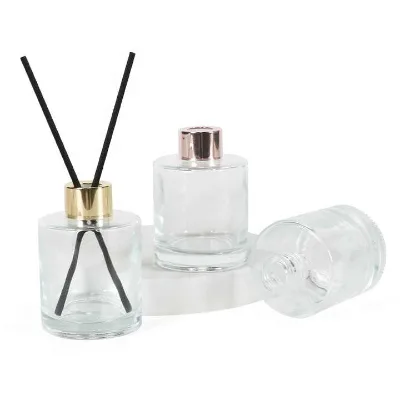


Custom Luxury Decoration Home Fragrance Aroma Reed Diffuser for Home Decor
$1.87 - $2.16
MOQ: 1000 Pieces


Customize 100ml 200ml Round Aroma Diffuser Reed Diffuser with Luxury Box
$0.20 - $1.00
MOQ: 2000 Pieces


Comprehensive Sourcing Guide
Strategic Sourcing Guide for Luxury Modern Aroma Reed Diffusers
The global market for home fragrance has evolved significantly, with luxury modern aroma reed diffusers emerging as a premium category that blends aesthetic design with functional air purification. For B2B procurement professionals, sourcing these items requires a nuanced understanding of technical specifications, material integrity, and supply chain logistics. This guide synthesizes observed market data and product attributes to provide a disciplined framework for evaluating suppliers and selecting products that meet high-end commercial standards. The focus remains on evidence-based criteria, ensuring that procurement decisions are grounded in verifiable facts rather than marketing assertions.
Technical Specifications and Material Composition
The foundation of a luxury reed diffuser lies in its precise technical specifications and the quality of its constituent materials. When evaluating potential products, buyers must scrutinize the dimensions, capacity, and the nature of the reed sticks, as these factors directly influence the diffusion rate and visual appeal. Observed data indicates a specific model, identified by the reference code ODMF17-092116, features a capacity of 150 ml and utilizes a glass bottle with a reed stick length of 10 inches. In contrast, other market entries, such as the model ODM18-125-3-01, present a smaller 100 ml capacity with an 8-inch reed stick length. These variations necessitate a clear definition of the target application before engaging with suppliers.
Material selection is equally critical for defining the "luxury" status of the product. The supply chain data highlights two distinct stick materials: natural rattan and artificial fiber. Natural rattan is often preferred for its traditional aesthetic and ability to absorb and release fragrance oils effectively, while artificial fiber offers consistency in shape and potentially lower cost. The product composition for the 150 ml unit is explicitly described as a "Glass Bottle + Ratten Stick," suggesting a specific construction method that buyers should verify. Furthermore, the working mechanism is consistently identified as "Volatilize," a process where the liquid fragrance evaporates through the reeds into the surrounding air. Buyers should confirm that the liquid form is stable and that the glass bottle dimensions, such as the D10.3*H8.8cm standard observed in one model, align with their packaging and display requirements.
Design Aesthetics and Functional Versatility
In the luxury segment, design is not merely decorative; it is a functional element that dictates the product's suitability for various environments. The observed product attributes reveal a range of usage scenarios, including "Home," "Hotel," and "Universal" applications. This versatility is a key selling point for B2B buyers targeting hospitality or retail sectors. The design language observed includes "Fashion" and "White" color options, which suggest a modern, minimalist aesthetic that aligns with contemporary interior trends. However, the data also notes a "Decoration" type with specific usage for "Gifts" and "Holiday" events, indicating that the product line may span multiple design tiers.
The scent strength is another critical design parameter. Market observations show a dichotomy between "Mild" and "Strong" scent strengths, with corresponding duration differences. A product with a mild scent may offer a 90-day duration, whereas a strong scent variant might last only 30 days. This inverse relationship between intensity and longevity is a vital technical consideration for procurement. Buyers must align the scent profile with the intended space; a hotel lobby may require a strong, immediate impact, while a residential bedroom might benefit from a mild, long-lasting presence. The "Feature" of being "Eco-Friendly" is also noted, which should be verified against specific material claims rather than assumed as a universal attribute across all SKUs.
Packaging Standards and Logistics Configuration
Effective logistics planning for reed diffusers depends heavily on understanding the packaging hierarchy and weight distribution. The supply data provides concrete figures for packing configurations that directly impact shipping costs and inventory management. One observed configuration lists a "3-Layer Corrugated Box with Paper Insert" as the primary outer packaging, with an inner packing of "350g/Paper Box." Another entry specifies a "PVC Box with Paper Insert," highlighting the variability in premium presentation. The weight of the units varies significantly, with observed values of 0.88kg and 0.34kg, likely corresponding to the different capacities and bottle sizes.
The carton-level specifications are essential for calculating container load and freight expenses. Data indicates a "PCS/CTN" (Pieces per Carton) range of 4 to 12 units. A configuration of 4PCS/CTN with a total weight of 0.88kg suggests a bulkier, perhaps more premium, single-unit presentation, while 12PCS/CTN with 0.34kg per unit implies a more compact, cost-effective shipping method. The outer carton is described as a "3-Layer Corrugated Box," which provides a baseline for structural integrity during transit. Buyers should verify that the "Cmyk Printing" capability mentioned in the packing specifications allows for custom branding on the 350g paper box, as this is a common requirement for luxury private label projects.
Compliance, Certification, and Quality Verification
Navigating the compliance landscape for fragrance products requires rigorous due diligence. While the provided data mentions "ISO 9001:2015" as a background standard, it is categorized as low-confidence background information and should not be treated as a guaranteed certification for specific suppliers. Instead, buyers must treat certification status as a variable to be verified. The "prod_standard" field lists specific dimensions like D6.5H9.2 and D8H10.5cm, which serve as physical quality benchmarks rather than regulatory standards.
When evaluating suppliers, procurement teams should request independent test results for the liquid fragrance, particularly regarding flammability and skin safety, as these are not explicitly detailed in the provided facts. The "Customization" attribute is marked as "Available" or "Customized," and the "Logo" capability includes options for stickers or direct printing on the box. This flexibility allows for brand alignment but introduces a quality control checkpoint: the adhesion and durability of the logo application must be tested. Buyers should not assume that all listed products meet specific safety standards without explicit documentation. The "Feature" of being "Eco-Friendly" requires substantiation through material safety data sheets (MSDS) or specific eco-certifications, which are not currently confirmed in the high-confidence facts.
Cost Drivers and Economic Considerations
The economic landscape of sourcing luxury reed diffusers is influenced by several dynamic factors, including material costs, customization levels, and order volume. The observed MOQ (Minimum Order Quantity) ranges from 50 to 3000 units, with a specific model citing an MOQ of 1000PCS. This wide range indicates that suppliers cater to both small boutique orders and large-scale commercial contracts. The price range observed in the market is 0.11 to 15.6 USD, a span that reflects the vast difference between basic utility products and high-end luxury items.
Several variables drive these costs. The choice of stick material—natural rattan versus artificial fiber—is a primary cost driver, as natural materials often command a premium. The capacity of the bottle, ranging from 100 ml to 150 ml, also impacts the unit price. Customization adds another layer of cost; the ability to apply a custom logo or modify the box design typically incurs additional setup fees and higher per-unit costs. The packaging complexity, such as the inclusion of a PVC box versus a simple paper box, further influences the final landed cost. Buyers must balance the desire for premium features against the budget constraints, ensuring that the selected configuration aligns with the target retail price point.
Supplier Evaluation and Long-Term Procurement Strategy
Selecting a reliable supplier for luxury reed diffusers requires a holistic evaluation of their capabilities beyond the basic product specifications. The data indicates that the product origin is primarily Shanghai or China, which suggests a concentration of manufacturing expertise in this region. However, the "Sample Time" of 7-15 days is a critical metric for supply chain planning. Buyers should assess whether this timeline is consistent across potential suppliers, as delays in sample approval can significantly impact time-to-market.
Long-term procurement considerations involve the stability of the supply chain and the ability to scale. The "Customization" availability suggests that suppliers are equipped for private label work, but buyers must verify the consistency of the "Working Way" and "Duration" claims over repeated production runs. The "Usage" scenarios, including "Fresh Air," "Health Care," and "Decoration," imply that the product must perform reliably in diverse environments. A robust supplier evaluation should include a review of their quality control processes, specifically how they handle the "Volatilize" mechanism to ensure consistent fragrance release. Additionally, the "Packing" specifications must be consistent to prevent damage during shipping, especially given the fragile nature of glass bottles.
Comparative Analysis of Product Attributes
To facilitate decision-making, the following table summarizes the key technical and logistical attributes observed in the market data. This comparison highlights the diversity in specifications that buyers must navigate when sourcing luxury reed diffusers.
| Attribute | Observation A (Model ODMF17-092116) | Observation B (Model ODM18-125-3-01) | Observation C (Model ODMF22-072537) |
|---|---|---|---|
| Capacity | 150 ml | 100 ml | Not Specified |
| Reed Stick Length | 10 inches | 8 inches | Not Specified |
| Stick Material | Natural Rattan | Artificial Fiber | Not Specified |
| Scent Strength | Mild | Strong | Not Specified |
| Duration | 90 days | 30 days | Not Specified |
| Bottle Material | Glass Bottle | Glass Bottle + Ratten Stick | Not Specified |
| Packaging Type | 3-Layer Corrugated Box | PVC Box with Paper Insert | 350g Paper Box with Cmyk Printing |
| Weight | 0.88kg | 0.34kg | Not Specified |
| PCS/CTN | 4PCS/CTN | 12PCS/CTN | Not Specified |
| Origin | Shanghai | China | Not Specified |
| Customization | Available | Customized | Not Specified |
This table underscores the necessity of defining precise requirements before engaging with suppliers. The variation in weight, capacity, and packaging configuration directly impacts logistics and cost. For instance, the 0.88kg unit with 4PCS/CTN suggests a higher value-per-unit strategy, while the 0.34kg unit with 12PCS/CTN points toward a volume-driven approach. Buyers must align these technical realities with their strategic goals, whether that is maximizing shelf presence or optimizing freight efficiency.
Conclusion
Sourcing luxury modern aroma reed diffusers is a complex process that demands attention to detail across technical, logistical, and commercial dimensions. The available data reveals a market rich in variability, from the choice of natural versus artificial reeds to the specific dimensions of glass bottles and the complexity of packaging. By rigorously verifying specifications, understanding the drivers of cost, and maintaining a disciplined approach to supplier evaluation, procurement professionals can secure high-quality products that meet the demands of the luxury market. The focus must remain on evidence-based decision-making, ensuring that every claim regarding scent strength, duration, and material composition is substantiated before finalizing any procurement agreement.
FAQs
What are the standard capacities for luxury reed diffusers?
Standard capacities observed range from 100 ml to 150 ml depending on the model. Buyers should verify specific bottle dimensions like D10.3*H8.8cm to ensure they match their display requirements before ordering.
Which stick materials are available for these diffusers?
Products are available with either natural rattan or artificial fiber sticks. Natural rattan is often preferred for traditional aesthetics, while artificial fiber offers consistent shape and potentially lower costs.
How long does the fragrance typically last?
Duration varies by scent strength, ranging from 30 days for strong scents to 90 days for mild scents. Buyers must align the scent profile with the intended space to ensure optimal performance.
Can suppliers provide custom packaging for these products?
Customization is available with options including stickers or direct printing on boxes. Inner packaging often uses 350g paper boxes with CMYK printing, while outer cartons are typically 3-layer corrugated boxes.
What is the minimum order quantity for these items?
Minimum order quantities range from 50 to 3000 units, with some specific models requiring 1000 pieces. Buyers should confirm the exact MOQ for their chosen model to plan inventory effectively.
Where are these products typically manufactured?
Products originate primarily from Shanghai and other locations in China. Buyers should verify the specific origin for each model to understand shipping logistics and potential lead times.
What are the typical sample times for approval?
Sample times generally range from 7 to 15 days for production and approval. This timeline is critical for supply chain planning and should be confirmed with the supplier before finalizing orders.