Source Luxury Milk Solid Perfume for Retail Gifting, Private Label Lines, and Boutique Displays
Browse 30 listings for Luxury Milk Solid Perfume and compare capacity options including 30ml and 100ml formats, glass bottle types, floral and woody scent profiles, unisex and female targeting, and OEM/ODM private label services. Review listed MOQ ranges and prices to identify suppliers matching your retail or wholesale program.
Key considerations
Products List






Comprehensive Sourcing Guide
Luxury Milk Solid Perfume Sourcing Guide
Sourcing luxury solid perfumes requires a nuanced understanding of the intersection between traditional fragrance chemistry and modern, portable delivery systems. Unlike conventional liquid eau de parfum or eau de cologne, solid perfumes utilize a wax-based matrix to hold fragrance oils, offering a distinct user experience characterized by targeted application and reduced spillage risk. For procurement professionals, the term "milk" in this context often refers to the creamy, opaque appearance of the finished product or the inclusion of emollient ingredients like shea butter or coconut milk derivatives, which contribute to a luxurious skin feel. Buyers must distinguish between marketing terminology and the actual physical state of the product, ensuring that the supplier’s definition of "solid" aligns with regulatory definitions for cosmetics in the target market. The procurement strategy must account for the unique packaging requirements, such as tins or jars, which differ significantly from the glass bottles and spray mechanisms associated with liquid perfumes.
The global market for solid perfumes is driven by a demand for travel-friendly, eco-conscious, and high-end personal care items. Luxury positioning in this category is achieved through premium raw materials, sophisticated scent profiles, and high-quality packaging materials. Procurement teams should focus on suppliers who demonstrate expertise in fragrance formulation stability, as solid perfumes are prone to issues such as melting in high temperatures or separation of oils and waxes. The sourcing guide below outlines the critical verification steps, technical specifications, and commercial considerations necessary to secure a reliable supply chain for luxury solid perfumes. By adhering to these guidelines, buyers can mitigate risks associated with product integrity, regulatory compliance, and supplier capability, ensuring that the final product meets the high standards expected of luxury brands.
Product Scope and Observed Listing Signals
The observed market signals indicate a diverse range of product attributes, with listings frequently highlighting features such as "long-lasting" effects, "floral bouquet" scents, and "unisex" or gender-specific targeting. While the core keyword focuses on solid perfumes, the supplied data reveals a significant overlap with liquid perfume categories, including eau de parfum and eau de cologne, suggesting that many suppliers offer a hybrid portfolio. Buyers must carefully filter listings to identify those specifically describing solid formats, often indicated by terms like "balm," "stick," or "tin." The presence of keywords such as "luxury brand perfume" and "wholesale" suggests a B2B focus, but the variability in product types requires rigorous verification to ensure the supplier can deliver the specific solid format required. The observed price range of $0.5 to $36 USD reflects this diversity, with lower prices likely corresponding to basic liquid sprays and higher prices associated with complex solid formulations or premium packaging.
Customization services, including OEM, ODM, and private labeling, are prominently advertised, indicating that many manufacturers are equipped to handle bespoke luxury projects. The observed minimum order quantities (MOQs) range from 6 to 1000 pieces, offering flexibility for both small boutique brands and larger distributors. However, the variability in MOQs and product types necessitates clear communication with suppliers to confirm their capacity for solid perfume production. Buyers should note that some listings mention "vegetable origin" raw materials, which aligns with the growing demand for natural and eco-friendly ingredients in luxury cosmetics. This attribute can be a key differentiator for brands targeting environmentally conscious consumers, but it requires verification of the specific ingredients used, such as beeswax, candelilla wax, or plant-based alternatives. The observed shelf life of 5 years is a positive indicator of formulation stability, but buyers should confirm that this applies specifically to solid formats, as liquid perfumes may have different stability profiles.
Technical Specifications to Verify
Technical verification begins with the fragrance concentration and oil-to-wax ratio, which directly impacts the scent throw and longevity of the solid perfume. Luxury solid perfumes typically contain a higher percentage of fragrance oils compared to standard balms, requiring a precise balance of waxes and butters to maintain structural integrity at room temperature. Buyers should request detailed formulation sheets that specify the types of waxes used, such as beeswax, carnauba, or candelilla, and the percentage of fragrance oil. The observed data mentions "glass bottle" containers, which are more common for liquid perfumes; for solid perfumes, buyers must verify that the supplier uses appropriate packaging, such as metal tins, plastic jars, or refillable compacts, that protect the product from heat and physical damage. The "single gross weight" of 0.500 kg observed in some listings likely refers to bulk packaging or multi-unit shipments, and buyers should clarify the net weight of individual units to ensure accurate cost calculations.
Packaging and presentation are critical components of the luxury value proposition, and buyers must verify the quality of materials and finishing. The observed "modern luxurious" style and "mist" or "body shape" descriptions suggest a focus on aesthetic appeal, but buyers should request physical samples to assess the tactile quality of the packaging and the ease of application. The observed "carton" packing indicates standard export packaging, but luxury brands often require custom inner packaging, such as velvet-lined boxes or magnetic closures, to enhance the unboxing experience. Buyers should also verify the "prod_standard" dimensions, such as 30ml, 75ml, or 100ml, although these volumes are more typical for liquid perfumes; for solid perfumes, weights in grams (e.g., 10g, 15g) are more common. The "original" model designation suggests that some suppliers may offer white-label products, but buyers should confirm that the formulation is exclusive or customizable to avoid market saturation.
Compliance and Safety Documentation
Compliance with international cosmetic regulations is non-negotiable for luxury perfume sourcing, and buyers must ensure that suppliers provide comprehensive safety documentation. This includes the Cosmetic Product Safety Report (CPSR) for the European market, which assesses the safety of each ingredient and the finished product. Buyers should verify that the supplier has conducted rigorous stability testing, including accelerated aging tests, to confirm the product’s shelf life and resistance to temperature fluctuations. The observed "5 years" shelf life is a significant claim that must be substantiated by test data, particularly for solid perfumes which are sensitive to heat. Buyers should also request information on the supplier’s quality management systems, such as ISO 22716 (Good Manufacturing Practices for Cosmetics), to ensure that production processes meet international standards for hygiene and consistency.
Allergen disclosure and ingredient transparency are critical for consumer safety and regulatory compliance, especially in markets with strict labeling requirements. Buyers must ensure that the supplier provides a complete ingredient list, including INCI names, and highlights any known allergens such as limonene, linalool, or citral, which are common in floral and fruity fragrances. The observed "vegetable origin" raw materials suggest a potential for natural formulations, but buyers should verify that any synthetic components are also fully disclosed. For the US market, buyers must ensure compliance with the Fair Packaging and Labeling Act (FPLA) and the Modernization of Cosmetics Regulation Act (MoCRA), which require accurate labeling and facility registration. Buyers should also check if the supplier conducts patch testing or has data on skin irritation potential, particularly for products marketed as "luxurious" or "elegant," which may imply higher sensitivity to skin reactions.
Cost Drivers and Commercial Terms
The cost of luxury solid perfumes is driven by several key factors, including the quality of raw materials, the complexity of the fragrance formulation, and the packaging design. High-grade fragrance oils and natural waxes, such as beeswax or shea butter, significantly increase the unit cost compared to synthetic alternatives. Buyers should request a detailed cost breakdown to understand the proportion of material costs versus labor and overhead. The observed MOQs of 6 to 1000 pieces offer flexibility, but higher volumes typically result in lower unit costs due to economies of scale. Buyers should negotiate tiered pricing structures that reward larger orders, while also considering the costs of custom packaging, which can add a significant premium to the initial production run.
Commercial terms such as payment methods, lead times, and shipping arrangements are critical for managing cash flow and supply chain reliability. Buyers should verify the supplier’s production lead time, which can vary based on the complexity of the formulation and the availability of packaging materials. The observed "China" origin suggests that buyers should factor in international shipping costs and potential tariffs, which can impact the final landed cost. Buyers should also clarify the terms for sample orders, including whether samples are free or charged, and whether the sample cost is deductible from the final order. Payment terms, such as a deposit followed by balance upon shipment, are common, but buyers should negotiate favorable terms to mitigate financial risk. Additionally, buyers should confirm the supplier’s policy on defective goods and returns, ensuring that there is a clear process for addressing quality issues.
Supplier Qualification and Quality Control
Supplier qualification is a multi-step process that begins with a thorough review of the supplier’s capabilities and reputation. Buyers should verify the supplier’s experience in producing solid perfumes, specifically asking for references or case studies from previous luxury brand clients. The observed "OEM ODM Private Label Service" indicates that the supplier is equipped for custom projects, but buyers should assess their design and development capabilities to ensure they can translate brand concepts into tangible products. Buyers should also check the supplier’s production capacity and facility conditions, preferably through a third-party audit or video tour, to ensure that hygiene and quality control measures are in place. The observed "single item" selling units suggest that the supplier can handle small orders, but buyers should confirm their ability to scale up production without compromising quality.
Quality control protocols must be clearly defined and agreed upon before production begins. Buyers should establish a quality assurance plan that includes pre-production sample approval, in-process inspections, and final random inspections before shipment. The observed "fresh florals" and "woody" scent profiles require rigorous olfactory testing to ensure consistency between batches. Buyers should specify acceptable tolerances for scent strength, color, and texture, and request that the supplier conduct batch-to-batch consistency tests. Additionally, buyers should verify the supplier’s packaging quality control processes, including checks for defects in tins, jars, and closures. Establishing a clear communication channel for addressing quality issues is essential, and buyers should define the steps for corrective action if products fail to meet specifications.
Long-Term Procurement Checks
Long-term procurement success depends on continuous monitoring of supplier performance and market trends. Buyers should conduct regular performance reviews, assessing metrics such as on-time delivery, product quality, and responsiveness to issues. The dynamic nature of the fragrance industry requires buyers to stay informed about emerging trends, such as new scent profiles, sustainable packaging materials, and regulatory changes. Buyers should maintain a pipeline of alternative suppliers to mitigate risk and ensure continuity of supply. The observed "long time lasting smell" and "deodorant" functions suggest that buyers should also monitor consumer feedback on product performance, using this data to refine future orders and specifications.
Sustainability and ethical sourcing are increasingly important factors in luxury procurement, and buyers should regularly assess their suppliers’ environmental and social practices. Buyers should verify that raw materials are sourced responsibly, with certifications such as Fair Trade or organic standards where applicable. The observed "vegetable origin" materials align with sustainability goals, but buyers should request documentation to verify the origin and processing methods. Buyers should also explore opportunities for reducing the environmental impact of packaging, such as using recycled materials or designing for recyclability. By integrating sustainability into their procurement strategy, buyers can enhance brand value and meet the growing consumer
FAQs
What bottle sizes are available for Luxury Milk Solid Perfume orders?
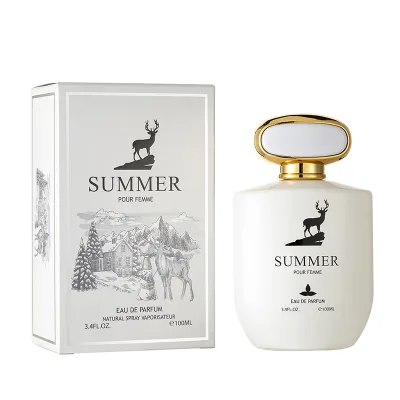
Listed products come in 30ml, 75ml, and 100ml formats, so you can choose a size that matches your retail positioning or sampling strategy. Smaller 30ml bottles suit travel retail and trial purchases, while 75ml and 100ml formats work well for flagship gift sets. Confirm exact size availability per model before placing a bulk order.
Can I order Luxury Milk Solid Perfume with my own private label?
Yes, OEM and ODM private label service is available, allowing you to customize branding and packaging to your specification. Customization typically covers bottle design elements, labels, and carton packing, so discuss artwork files and approval samples with suppliers early. Note that private label projects may affect minimum order quantities and production lead times.
How many pieces is the minimum order for Luxury Milk Solid Perfume?
Observed minimum order quantities range from 6 to 12 pieces, making the category accessible for small boutiques and first-time buyers. Some configurations may require up to 1,000 pieces depending on the specific product and customization level. Always confirm the MOQ for your chosen model and private label option before ordering.
What packaging do suppliers use for Luxury Milk Solid Perfume?
Products are packed in cartons, with individual units supplied in a box, and a typical single package measures about 15x10x10cm with a gross weight of roughly 0.5 kg. Glass luxury bottles are standard, so request protective inner packing for bulk shipments. Confirm carton dimensions and master carton counts to plan freight accurately.
How long does the fragrance last on the skin?
Concentration levels vary by product, including Eau de Parfum, Eau de Cologne, and Light Parfum formats, which affects longevity. Some listed items advertise a lasting time of 12 to 24 hours, and Eau de Parfum generally outlasts lighter cologne formulations. Request fragrance concentration details and longevity expectations for the specific model you intend to purchase.
Which scents and genders do the listed luxury milk solid perfumes target?
The range covers floral bouquets, fresh florals, fruity florals, woody, and sweet fragrance types. Gender positioning varies by product, with unisex, female, and male options all represented in the listings. Choose the scent profile and gender target that aligns with your market before committing to a bulk purchase.
What is the shelf life of Luxury Milk Solid Perfume from these listings?
Listed products state a shelf life of 5 years when stored properly, which supports long retail cycles and warehouse stocking. Store bottles away from direct sunlight and extreme temperatures to preserve fragrance quality. Verify the production date on each batch so you can track remaining shelf life at the point of sale.