Source Luxury Metal Perfume Cap for bottles, sprayers, and closures
Compare 30 listings for Luxury Metal Perfume Cap options including aluminum-plastic and plastic materials. Buyers can evaluate screw caps, smart lids, and pump sprayers with customizable colors and logos from suppliers in China.
Key considerations
Products List


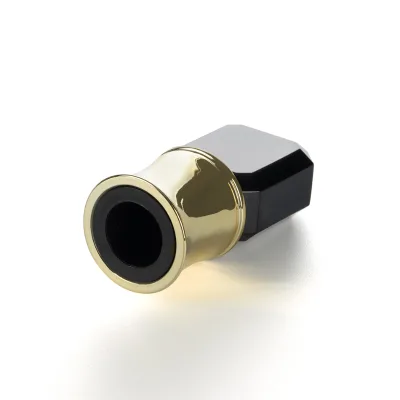
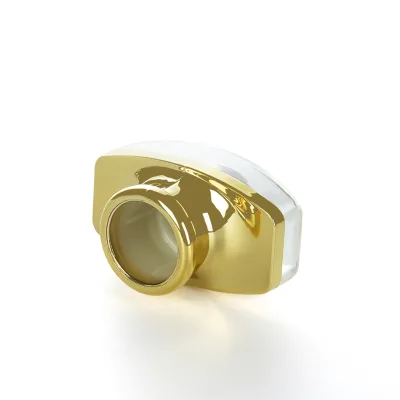
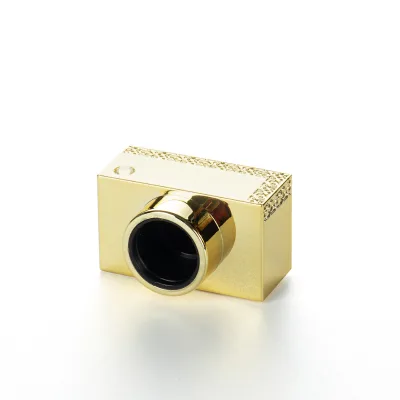
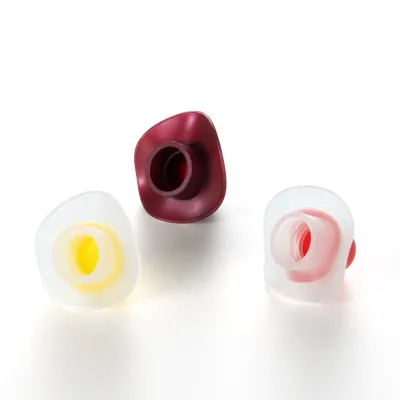
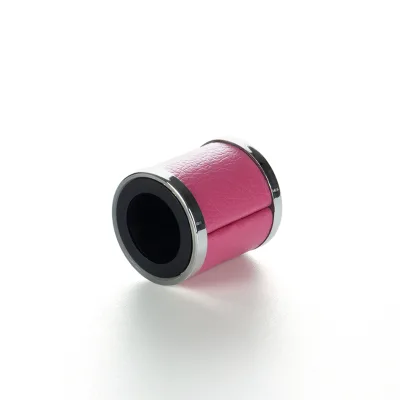
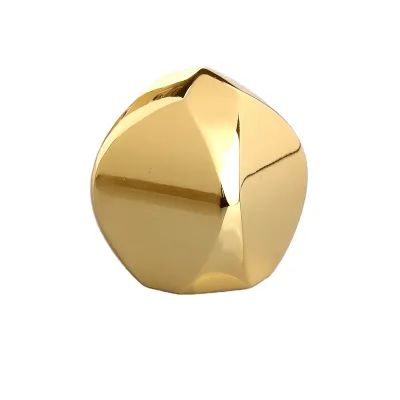


Creative Perfume Bottle Caps Metal Parfum Cap Lid Luxury Cap for Perfume Bottle
$0.65 - $0.85
MOQ: 1000 Pieces


Comprehensive Sourcing Guide
Luxury Metal Perfume Cap Sourcing Guide
Sourcing high-end closures for fragrance packaging requires a nuanced understanding of material properties, aesthetic finishes, and functional reliability. While the broader market offers a wide array of plastic and aluminum-plastic hybrid options, the specific demand for luxury metal caps involves distinct procurement considerations regarding weight, tactile feel, and visual prestige. Buyers must navigate a landscape where "metal" often refers to specific alloys or plated finishes rather than solid metal construction, necessitating clear communication with suppliers to avoid misalignment on material expectations. This guide provides a structured approach to evaluating suppliers, verifying technical specifications, and ensuring that the final product meets the rigorous standards expected in the premium perfume industry.
The procurement process for these components is heavily influenced by customization capabilities and minimum order quantities (MOQs). Suppliers frequently differentiate between standard stock colors and bespoke finishes, with significant implications for lead times and initial investment. Understanding the distinction between off-the-shelf inventory and custom-manufactured items is critical for budgeting and timeline management. Furthermore, the integration of smart features or specific collar types adds layers of complexity that require early-stage technical validation to ensure compatibility with existing bottle molds and filling lines.
Product Scope and Observed Listing Signals
The current market landscape for perfume closures reveals a diverse range of materials and types, with aluminum-plastic composites and pure plastic variants being prevalent. Listings often highlight screw caps and smart lids as primary categories, with customization being a standard offering across most suppliers. The observed price range is notably low, spanning from $0.07 to $2.00 USD, which suggests that many offerings are mass-produced items rather than exclusive luxury pieces. Buyers should interpret these prices as indicative of base unit costs for standard configurations, recognizing that premium metal finishes or complex mechanical designs will likely command higher premiums not reflected in the broadest market averages.
Color options and surface treatments are significant differentiators in this category. Suppliers commonly offer shiny silver, gold, and black finishes as stock items, while custom colors are available upon request. However, the availability of custom colors often triggers higher MOQs, typically around 10,000 pieces, compared to standard colors which may have no MOQ or lower thresholds. This tiered approach to customization allows smaller brands to test market responses with standard finishes while providing larger enterprises the flexibility to develop unique brand identities through bespoke color matching. The presence of "shiny" finishes indicates a focus on visual appeal, which is crucial for luxury positioning.
Technical Specifications to Verify
Material composition is the first technical parameter to verify, as the term "metal" can be ambiguous. While some listings specify aluminum-plastic or plastic materials, true luxury metal caps may involve ABS, PP, or specific aluminum alloys. Buyers must confirm whether the cap is solid metal, metal-plated plastic, or a composite structure, as this affects both the weight and the perceived value of the final product. The collar type, whether normal round or step, must also be verified to ensure it matches the bottle neck specifications. Mismatches in collar design can lead to functional failures, such as loose fits or difficulty in screwing the cap on and off, which are unacceptable in luxury packaging.
Model numbers and threading standards provide essential technical anchors for procurement. Common models observed include CY, CY-001, C1880, C1775, C1779, C1774, C1801, and SH-209-3, each potentially corresponding to different dimensions or functional features. Threading standards such as 28/410, 24/410, 20/410, and 18/410 are critical for ensuring compatibility with existing bottle inventory. Buyers should request detailed dimensional drawings and thread profiles for each candidate model to prevent integration issues during the assembly phase. Additionally, features like non-spill mechanisms or smart lid functionalities require specific functional testing to validate performance claims.
Compliance and Safety Documentation
Safety and regulatory compliance are paramount when sourcing components that come into direct contact with cosmetic products. Buyers must ensure that all materials used in the cap, including any coatings or platings, are compliant with relevant international standards for cosmetic packaging. This includes verifying that the materials do not leach harmful substances into the perfume formulation, which could alter the scent or pose health risks. Documentation such as Material Safety Data Sheets (MSDS) and compliance certificates for heavy metal restrictions should be requested from suppliers to confirm adherence to regulations like REACH in Europe or FDA guidelines in the United States.
Environmental and sustainability considerations are increasingly influencing procurement decisions. While the supplied facts do not explicitly detail eco-certifications, buyers should inquire about the recyclability of the materials used, particularly for aluminum-plastic composites. Suppliers who offer OEM services and customized logos should also provide evidence of responsible sourcing practices for any metals or plastics used. Ensuring that the supplier has a robust quality management system in place is essential for maintaining consistent compliance across production batches, reducing the risk of regulatory violations or product recalls.
Cost Drivers and Commercial Terms
The cost structure for luxury metal perfume caps is driven by several key factors, including material choice, customization level, and order volume. Standard colors and models typically offer the most competitive pricing, with MOQs as low as 100 pieces for some items, while special colors and complex designs may require MOQs of 5,000 to 10,000 pieces. The lead time for production is another significant cost driver, with standard items potentially available within 15 days, while custom orders may require 20 to 30 days. Buyers should factor in these lead times when planning their inventory to avoid stockouts or excess inventory costs.
Packaging and logistics also contribute to the total cost of ownership. Suppliers typically use carton boxes or standard boxes for packaging, with specific dimensions and quantities per carton provided to optimize shipping efficiency. For example, some listings indicate packing dimensions of 573840cm with 3,000 pieces per carton. Buyers should evaluate the packaging integrity to ensure that the caps arrive without damage, particularly for shiny finishes that are prone to scratching. Negotiating clear terms for sample costs, shipping responsibilities, and payment methods is essential to manage cash flow and mitigate financial risks during the procurement process.
Supplier Qualification and Quality Control
Supplier qualification involves assessing their manufacturing capabilities, quality control processes, and responsiveness to custom requests. Buyers should prioritize suppliers who offer free samples, allowing for physical evaluation of the cap's weight, finish, and functionality. The sample time, typically 2-3 days, provides a quick opportunity to verify that the supplier can meet specific aesthetic and technical requirements. Additionally, suppliers who accept customized logos and OEM orders demonstrate flexibility and a willingness to collaborate on brand-specific designs, which is crucial for luxury positioning.
Quality control measures should be clearly defined and agreed upon before placing large orders. Buyers should request information on the supplier's inspection processes, including in-line checks and final random inspections. The ability to produce consistent finishes, such as shiny silver or gold, without defects like scratches or uneven plating is a key indicator of manufacturing quality. Suppliers located in regions like Zhangjiagang and Jiangsu, China, often have established supply chains for plastic and metal components, but buyers should verify their specific capabilities and track record in producing high-end closures to ensure reliability.
Long-Term Procurement Checks
Establishing a long-term partnership with a supplier requires ongoing monitoring of performance metrics, including delivery consistency, quality stability, and responsiveness to issues. Buyers should implement a system for tracking defect rates and customer feedback related to the caps, using this data to drive continuous improvement discussions with the supplier. Regular audits or third-party inspections may be necessary for high-volume orders to ensure that the supplier maintains the required quality standards over time. Building a strong relationship with the supplier can also facilitate better pricing and priority treatment during peak production periods.
Adaptability to market trends and technological advancements is another critical aspect of long-term procurement. As consumer preferences evolve, suppliers may introduce new materials, finishes, or functional features. Buyers should stay informed about these developments and work with suppliers who are proactive in offering innovative solutions. This collaborative approach ensures that the packaging remains competitive and aligned with brand values. Additionally, maintaining open communication channels for feedback and issue resolution helps to prevent small problems from escalating into major disruptions, ensuring a smooth and efficient procurement process over the long term.
FAQs
What materials are used for luxury metal perfume caps?
Luxury metal perfume caps are typically made from aluminum-plastic composites or pure plastic materials like K-Resin and Surlyn. Some options also include aluminum, PP, and ABS plastics to ensure durability and a premium finish for various bottle types.
Can I customize the color of the perfume cap?
Yes, customization is available for both standard and special colors. While shiny silver, gold, and black are common stock options, you can request any other color through a customized order, though special colors may require a higher minimum order quantity.
What is the minimum order quantity for special colors?
The minimum order quantity for special colors is 10,000 pieces. Normal colors generally have no minimum order requirement, allowing for smaller trial orders, while other standard models might have a baseline MOQ of 5,000 pieces depending on the specific product model.
How long does it take to receive samples?
Samples are available for free and typically take 2 to 3 days to prepare. Once the sample is ready, the overall delivery time for bulk orders is usually within 15 days, though some specific models may have a lead time of 20 to 30 days.
Which packaging methods are used for these caps?
Products are packed in carton boxes or standard boxes depending on the specific item. Bulk shipments often follow a standard carton size of 57 by 38 by 40 centimeters, which can hold up to 3,000 pieces per carton for efficient logistics and storage.
Are these caps compatible with standard perfume bottle sizes?
Yes, the caps are designed to fit standard bottle neck sizes such as 28/410, 24/410, 20/410, and 18/410. Customized sizes are also available to ensure a perfect fit for unique bottle designs or specific client requirements.
Can I add my own logo to the perfume cap?
Customized logos are acceptable and can be applied to the caps through OEM services. This allows brands to personalize their packaging with unique branding, ensuring the cap matches the overall aesthetic and identity of the perfume product.