Source Luxury Minimalist Birthday Greeting Cards for weddings, business, and parties
Explore 30 listings for Luxury Minimalist Birthday Greeting Cards featuring customizable designs, various paper types, and diverse printing methods. Buyers can compare specifications, pricing, and customization options from suppliers in China to find the ideal cards for weddings, business events, and parties.
Key considerations
Products List


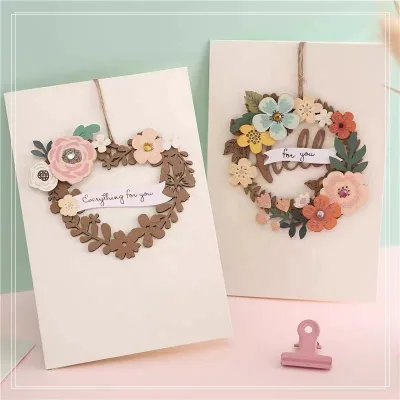

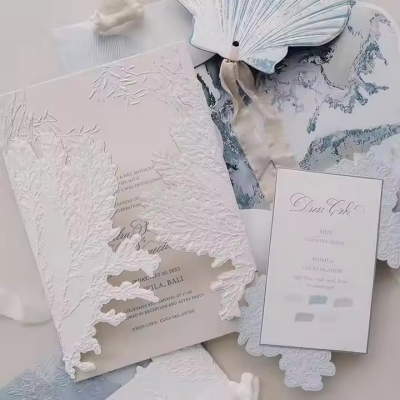


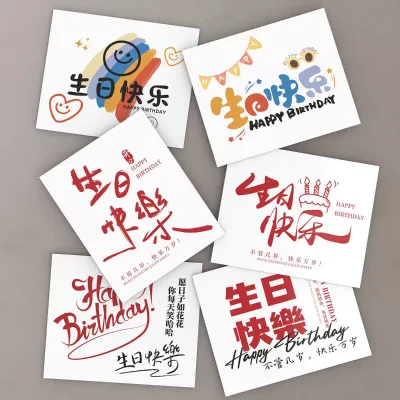
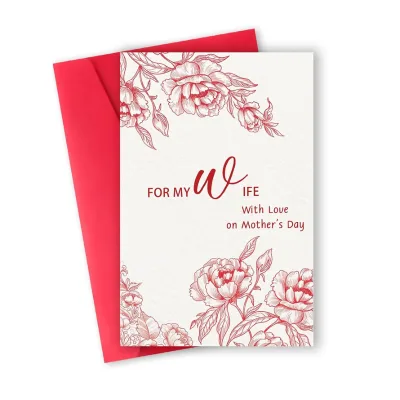
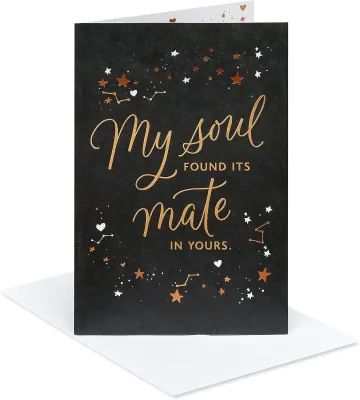
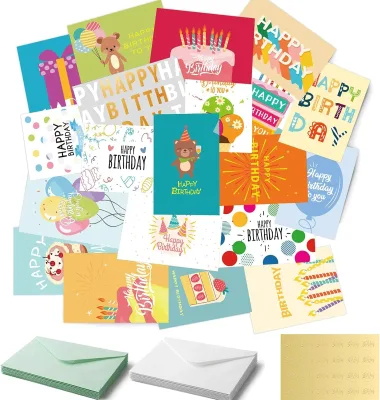


Custom Colorful Paper Thank You Cards Greeting Wedding Business Card with Logo
$0.03 - $0.09
MOQ: 1000 pieces

Custom Luxury Business Card Printing/ New Design Business Card/Thank You Card
$0.03 - $0.10
MOQ: 1000 pieces
Comprehensive Sourcing Guide
Luxury Minimalist Birthday Greeting Cards Sourcing Guide
Sourcing high-quality paper goods requires a nuanced understanding of how aesthetic minimalism intersects with functional durability. While the market offers a vast array of decorative options, the "luxury minimalist" segment demands strict adherence to material purity, precise finishing, and restrained design language. Buyers must navigate a landscape where terms like "fashionable" or "Korean style" may conflict with the clean, uncluttered aesthetic required for premium branding. The following guide provides evidence-based procurement strategies to help buyers identify suppliers who can deliver consistent, high-end results without compromising on ethical sourcing or production transparency.
Product Scope and Observed Listing Signals
The observed market data reveals a wide spectrum of product attributes that buyers must carefully filter to align with minimalist design principles. Listings frequently cite diverse styles such as "Flower," "Cartoon," "Kpop," and "Folk Art," which are inherently incompatible with a minimalist aesthetic. Procurement teams should prioritize suppliers who explicitly offer "Customized Design" capabilities and allow for specific color palettes like "White," "Black," or "Mixed Color" rather than those pushing pre-designed, busy themes. The presence of "Art Paper" and "Offset Printing" in the data suggests a baseline for quality, but buyers must verify that the final output avoids excessive visual noise, focusing instead on typography, negative space, and subtle texture.
Material selection is a critical signal of product tier, with "Paper" being the primary substrate and "Eco-friendly paper" appearing as a specific standard in some listings. While "Small" sizes like 8x14cm are common, the availability of "customization" in size and model numbers (e.g., CY1, RAJ-PB-012) indicates flexibility. Buyers should look for suppliers who offer "Embossing" or "Gold stamping" as surface finishes, as these tactile elements can convey luxury without relying on complex graphics. However, caution is advised when suppliers list extensive printing methods like "Laser Engraving" or "Hand-painted" processes, as these may introduce variability that conflicts with the precision required for minimalist branding.
Technical Specifications to Verify
Verifying technical specifications is essential to ensure that the physical product matches the digital mockups and brand expectations. Buyers must confirm the exact paper weight and type, as "Art Paper" can vary significantly in density and finish. The data indicates that "Offset Printing" is a standard method, but for luxury applications, buyers should also inquire about "UV Printing" or "Letterpress Printing" for enhanced depth and clarity. It is crucial to verify that the supplier can maintain color consistency across large runs, especially when using specific colors like "Chocolate," "Red," or "White," which may require precise ink mixing and calibration.
Surface finishing techniques play a pivotal role in the perceived value of minimalist cards. The observed list includes "Matte varnishing," "Gloss Varnishing," and "Embossing," all of which can elevate a simple design. Buyers should request physical samples to assess the quality of "Hot Stamping" or "Gold stamping" to ensure edges are sharp and adhesion is secure. Additionally, the "prod_packing" attribute varies from "OPP Bag" to "Double Wall Export Carton," indicating that packaging quality is not standardized. Procurement teams must specify packaging requirements to prevent damage during transit, as minimalist designs often rely on pristine condition to maintain their aesthetic appeal.
Compliance and Safety Documentation
Compliance with environmental and safety standards is increasingly important for luxury brands, particularly when targeting eco-conscious consumers. The data mentions "eco-friendly paper" as a standard, but buyers must verify specific certifications to ensure this claim is substantiated. While "FSC" is noted in the background knowledge, its status is low-confidence, meaning buyers cannot assume all suppliers hold this certification. It is imperative to request valid FSC or PEFC certificates from suppliers to confirm that the paper originates from responsibly managed forests, which is a key selling point for minimalist, sustainable branding.
Safety documentation should also cover the inks and adhesives used in production. Although not explicitly detailed in the provided facts, buyers should inquire about compliance with international standards for paper products, such as REACH in Europe or CPSIA in the United States, depending on the target market. Suppliers using "Digital" or "Offset" printing should confirm that their inks are non-toxic and suitable for direct contact with skin, especially if the cards are intended for gifts or close handling. Requesting Material Safety Data Sheets (MSDS) for all printing materials can help mitigate liability and ensure alignment with corporate social responsibility goals.
Cost Drivers and Commercial Terms
Understanding the cost structure of luxury greeting cards requires analyzing the interplay between material quality, customization, and order volume. The observed MOQ range of 10 to 10,000 units suggests that suppliers are flexible, but lower MOQs may come with higher per-unit costs due to setup fees for printing and finishing processes. Buyers should note that "Customization" is widely available, but complex designs or unique finishes like "Hand-painted" elements can significantly increase production time and cost. It is advisable to negotiate tiered pricing structures that reward larger orders while maintaining quality control standards.
Commercial terms also include packaging and logistics, which can impact the total landed cost. The variation in packing methods, from simple "OPP Bag" to robust "Carton" or "Double Wall Export Carton," directly affects shipping efficiency and product protection. Buyers should clarify whether packaging costs are included in the unit price or billed separately. Additionally, the origin of production, with mentions of "Quanzhou City," "Qingdao," and "GUANFDONG," may influence shipping routes and duties. Establishing clear Incoterms and lead time expectations is crucial, as rush orders for customized designs may incur premium charges.
Supplier Qualification and Quality Control
Supplier qualification should focus on their ability to maintain consistency in minimalist designs, which often leave no room for error. Buyers should assess the supplier's quality control processes, particularly for "Embossing" and "Stamping" accuracy, as misalignment can ruin the clean aesthetic of a card. Requesting a detailed quality assurance plan that includes pre-production samples and in-line inspections can help ensure that defects are caught early. Suppliers who offer "Small Orders" and "Customized" services should also demonstrate robust communication channels to handle design revisions and feedback efficiently.
Experience in producing luxury paper goods is a key differentiator among suppliers. Buyers should inquire about the supplier's portfolio, specifically looking for examples of minimalist designs that utilize similar materials and finishes. The presence of "Brand Name" fields in some listings suggests that some suppliers are accustomed to working with established brands, which can be a positive indicator of reliability. However, buyers must verify that the supplier has the capacity to handle their specific volume requirements without compromising on attention to detail, especially when dealing with intricate processes like "Die Cutting" or "Laser Cutting."
Long-Term Procurement Checks
Long-term procurement success depends on establishing a sustainable supply chain that can adapt to changing market trends and consumer preferences. Buyers should regularly review supplier performance metrics, including on-time delivery rates, defect rates, and responsiveness to design changes. Given the "Customized" nature of many products, maintaining a strong relationship with the supplier's design team can facilitate faster turnaround times for new collections. It is also important to monitor the supplier's commitment to sustainability, ensuring that their "eco-friendly" claims remain valid and aligned with evolving regulatory requirements.
Continuous improvement in product quality and cost efficiency should be a shared goal between the buyer and supplier. Buyers should encourage suppliers to invest in new technologies that enhance production efficiency without sacrificing the tactile quality of the cards. Regular audits of the supplier's facilities, particularly focusing on environmental practices and labor standards, can help mitigate reputational risks. By maintaining a proactive approach to supplier management, buyers can ensure a steady supply of high-quality, minimalist birthday greeting cards that meet the expectations of discerning customers.
FAQs
Can I customize the design and logo on these cards?
Yes, customization is available for both design and logo printing. The product supports custom designs and accepts logo printing, allowing buyers to tailor the cards for specific occasions like birthdays or business events.
What is the minimum order quantity for these greeting cards?
The minimum order quantity varies by supplier but typically starts at 50 pieces. Some listings indicate an MOQ of 200 pieces, so buyers should verify specific requirements before placing an order for bulk purchases.
Which materials are used to make these birthday cards?
These cards are primarily made from paper, specifically art paper. The material is described as eco-friendly, ensuring a sustainable option for various greeting card needs while maintaining a fashionable and high-quality appearance.
What printing types are available for these custom cards?
Multiple printing types are available including offset, digital, and embossing. Additional options like gold stamping, UV printing, and letterpress printing can be selected to achieve specific finishes and styles for the cards.
How are these cards packaged for shipping and export?
Cards are packaged in OPP bags or double wall export cartons. This packaging ensures protection during transit, with some options offering carton packing to meet international shipping standards and customer requirements.
What occasions are these cards suitable for besides birthdays?
These cards are suitable for weddings, business events, Christmas, Easter, and Mother's Day. The versatile design supports various themes including holidays, graduations, and thank you notes, making them ideal for multiple gifting scenarios.
Where are these greeting cards manufactured and shipped from?
The products originate from cities in China, including Quanzhou, Qingdao, and Guangdong. Buyers can expect shipping from these locations, which are known for producing paper-based greeting cards with various customization capabilities.