Source Luxury No Slip Velvet Hangers for Tops, Pants, and Underwear
Find and compare 30 Luxury No Slip Velvet Hangers designed for displaying tops, trousers, and underwear. Options include velvet and plastic materials with chrome hooks, available in standard or custom lengths to suit various retail and home storage needs.
Key considerations
Products List


Non Slip Clothes Hangers, Heavy Duty Coat Suit Velvet Hangers with Clips
$0.25 - $0.65
MOQ: 5000 Pieces


Gloryhanger Skirt Hanger with Clips, Top Hanger and Bottom Hanger Wholesale
$0.62 - $1.50
MOQ: 5000 Pieces


Luxury Velvet Flocked Hanger for Boutique, Non-Slip Shoulder Pads, Gold Metal Hook
$0.08 - $0.12
MOQ: 20000 pieces

Velvet Hanger 50 Pack -Non-Slip and Seamless Black Suit Hangers Suitable
$0.10 - $0.17
MOQ: 200 pieces


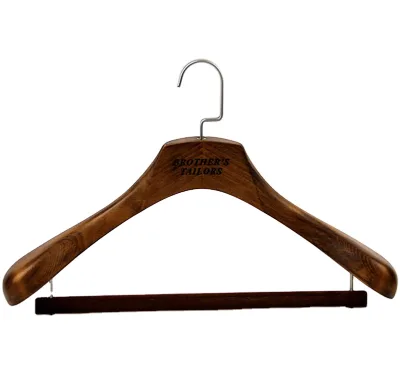


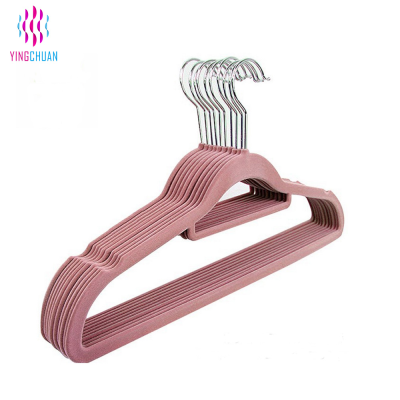
Comprehensive Sourcing Guide
Luxury No Slip Velvet Hangers Sourcing Guide
Sourcing high-quality velvet hangers requires a nuanced understanding of material properties, surface treatments, and structural integrity. These hangers are primarily designed to prevent garments from slipping off smooth fabrics while maintaining the shape of delicate items. The core appeal lies in the combination of a soft, non-abrasive velvet coating and a robust internal structure that supports heavy loads without bending. Buyers must distinguish between standard plastic cores and premium wooden or reinforced variants, as the choice directly impacts durability and aesthetic appeal.
The procurement process involves evaluating multiple variables, including hook finish, shoulder curvature, and overall dimensions. Luxury positioning often dictates specific design elements such as chrome-plated hooks, custom branding capabilities, and precise length specifications. Understanding these technical distinctions is essential for aligning product selection with brand identity and functional requirements. This guide outlines the critical steps for verifying product quality, managing commercial terms, and ensuring long-term supply chain reliability.
Product Scope and Observed Listing Signals
The market for luxury no-slip velvet hangers encompasses a diverse range of models, each tailored to specific garment types and retail environments. Observed listings indicate a wide variety of applications, including tops, trousers, and underwear, with some models featuring multifunctional designs that accommodate multiple clothing categories. The presence of specific characteristics, such as "With Trouser Press" or "Non Trouser Press," highlights the importance of selecting hangers that match the intended use case. Retailers and brands must carefully evaluate whether a hanger is designed for display purposes in shops or for practical home use, as this influences the required durability and aesthetic finish.
Material composition varies significantly across suppliers, with plastic, velvet, and wooden cores being the most common options. While many products are labeled as "Velvet Hangers," the underlying structure may be plastic or wood, which affects weight, cost, and environmental impact. Surface treatments also differ, with some hangers offering a velvet finish for grip and others providing a smooth plastic surface. Buyers should verify the actual material composition rather than relying solely on product titles, as inconsistencies between marketing descriptions and physical attributes are common. Additionally, color options range from standard black to customizable shades, allowing for brand-specific customization.
Technical Specifications to Verify
Dimensional accuracy is a critical factor in ensuring that hangers fit standard garment racks and closet systems. Observed specifications include lengths of 37cm, 38.5cm, and customized sizes up to 44.5cm, with some models featuring specific width and height dimensions such as 383829 cm or 363541 cm. Buyers must confirm the exact dimensions required for their inventory, as deviations can lead to fitting issues in retail displays or home closets. The shape of the hanger, whether flat or curved, also plays a role in how garments are displayed and stored, with curved designs often preferred for maintaining the shoulder structure of shirts and jackets.
The hook mechanism is another vital technical specification, with chrome silver and chrome finish hooks being prevalent in luxury segments. These hooks must be securely attached to the hanger body to prevent detachment under load, and their finish should resist corrosion and tarnishing. Additionally, the presence of features like trouser presses or clips can enhance functionality but may add complexity to the manufacturing process. Buyers should request detailed technical drawings or samples to verify these specifications, ensuring that the hangers meet both aesthetic and functional requirements. Customization options for logos and colors should also be confirmed, as these elements contribute to brand identity and product differentiation.
Compliance and Safety Documentation
While specific certification requirements may vary by region and end-use, buyers should prioritize suppliers who adhere to international safety and quality standards. For products intended for retail display or consumer use, compliance with material safety regulations is essential to ensure that the velvet coating and underlying materials do not pose health risks. Buyers should request documentation such as material safety data sheets (MSDS) or test reports from accredited laboratories to verify the absence of harmful substances like lead, phthalates, or formaldehyde. These documents provide assurance that the hangers meet regulatory requirements in target markets.
Environmental considerations are increasingly important in the procurement of hangers, with many brands seeking sustainable or recyclable materials. Buyers should inquire about the recyclability of the plastic or wooden cores and the sourcing practices for the velvet fabric. Suppliers who demonstrate a commitment to environmental responsibility may offer products made from recycled materials or those that are biodegradable. Additionally, compliance with labor standards and ethical sourcing practices should be verified, particularly for products manufactured in regions with varying regulatory enforcement. Requesting evidence of compliance with international labor standards can help mitigate reputational risks associated with supply chain practices.
Cost Drivers and Commercial Terms
Pricing for luxury no-slip velvet hangers is influenced by several factors, including material quality, customization options, and order volume. Observed price ranges vary significantly, reflecting differences in product specifications and supplier positioning. Buyers should expect higher costs for hangers with wooden cores, chrome hooks, and custom branding, as these elements require more complex manufacturing processes. Minimum order quantities (MOQs) also play a role in pricing, with larger orders typically benefiting from economies of scale. Understanding the cost structure helps buyers negotiate favorable terms and align procurement budgets with product expectations.
Payment terms and shipping methods are additional commercial considerations that impact the overall cost of procurement. Common payment methods include T/T (Telegraphic Transfer) and L/C (Letter of Credit), each offering different levels of security and flexibility for buyers. Shipping options, such as sea, air, or express freight, affect lead times and logistics costs, with air freight being faster but more expensive than sea freight. Buyers should evaluate these factors in the context of their supply chain strategy, balancing cost efficiency with delivery speed. Sample times, typically ranging from 1-3 workdays, allow buyers to assess product quality before committing to large orders, reducing the risk of receiving substandard goods.
Supplier Qualification and Quality Control
Evaluating supplier capabilities is essential for ensuring consistent product quality and reliable delivery. Buyers should assess suppliers based on their manufacturing capacity, quality control processes, and experience in producing luxury hangers. Suppliers with established quality management systems, such as ISO certifications, are more likely to deliver products that meet specified standards. Additionally, buyers should request references or case studies from previous clients to verify the supplier’s track record. Visiting the manufacturing facility, if possible, can provide valuable insights into production practices and quality assurance measures.
Quality control measures should be implemented throughout the production process, from raw material inspection to final packaging. Buyers should define clear quality criteria, including dimensional accuracy, surface finish, and hook strength, and communicate these requirements to the supplier. Regular inspections, either in-house or through third-party agencies, can help identify and address defects early in the production cycle. Packaging standards, such as carton box or carton packaging, should also be verified to ensure that products arrive in good condition. Establishing a robust quality control framework minimizes the risk of receiving defective goods and ensures customer satisfaction.
Long-Term Procurement Checks
Building a sustainable supply chain requires ongoing monitoring and evaluation of supplier performance. Buyers should establish key performance indicators (KPIs) to track metrics such as on-time delivery, product quality, and responsiveness to issues. Regular communication with suppliers helps maintain alignment on expectations and addresses any emerging challenges promptly. Additionally, buyers should periodically review market trends and technological advancements to identify opportunities for product improvement or cost reduction. Staying informed about industry developments ensures that procurement strategies remain competitive and aligned with brand goals.
Continuous improvement initiatives, such as supplier development programs or joint innovation projects, can strengthen the buyer-supplier relationship and drive mutual value creation. Buyers should encourage suppliers to adopt best practices in manufacturing, sustainability, and quality management, fostering a culture of excellence. Regular audits and performance reviews provide opportunities to reinforce standards and address areas for improvement. By investing in long-term supplier relationships, buyers can secure a reliable source of high-quality luxury hangers that support their brand identity and customer expectations.
FAQs
What customization options are available for luxury velvet hangers?
Customization is available for these luxury velvet hangers, allowing buyers to specify colors and logos. The product page confirms custom colors and logo acceptance are supported. Buyers can request specific dimensions or finishes to match their brand identity without needing a minimum order for samples.
How long does it take to receive samples of these hangers?
Sample time is typically 1 to 3 workdays for these velvet hangers. This rapid turnaround allows buyers to verify quality before placing larger orders. The service supports both male and female clients seeking quick prototyping for their clothing shop or home display needs.
Which specifications define the standard luxury velvet hanger models?
Standard specifications include lengths of 37cm, 38.5cm, or 44.5cm depending on the model. Some models feature a chrome silver hook and come in a carton box packing. The product line includes models like 2276 and WSVA02003 designed for tops and trousers.
Can I source these hangers from manufacturers in China?
Yes, these luxury velvet hangers originate from China, with some products specifically sourced from Guilin. Buyers can find suppliers offering T/T and L/C payment methods. The products are available in various materials including plastic and velvet for different usage occasions.
What is the minimum order quantity for velvet hangers?
The minimum order quantity ranges from 20 to 35,000 units depending on the specific supplier and model. This flexibility allows small boutiques and large retailers to source effectively. Buyers should check specific product pages for the exact MOQ applicable to their chosen model.
How are these hangers packaged for international shipping?
These hangers are packaged in carton boxes for safe transport. The standard packing dimensions vary by model, with some measuring 38x38x29 cm or 36x35x41 cm. Shipping options include sea, air, or express delivery to accommodate different logistics needs.