Find Luxury Party Flatware Sets for Weddings, Restaurants, and Events
Explore 21 Luxury Party Flatware Set options for wedding, party, and restaurant occasions. Buyers can compare materials such as stainless steel and plastic, MOQs from 10 to 3000 sets, certifications including FDA and LFGB, reusable or disposable features, and customization availability before requesting supplier quotes.
Key considerations
Products List


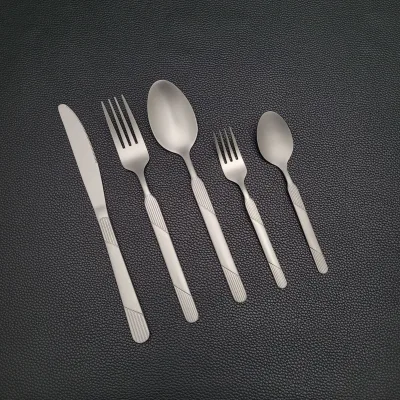
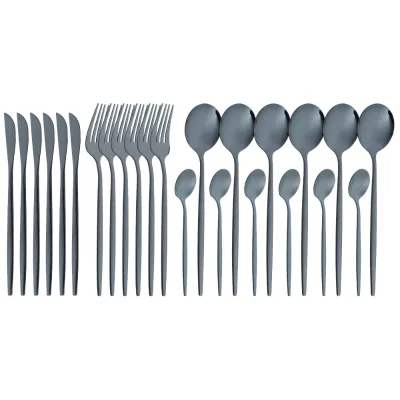


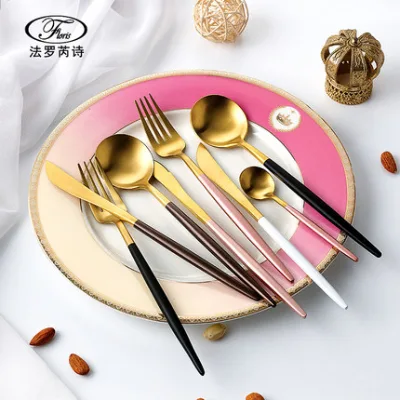
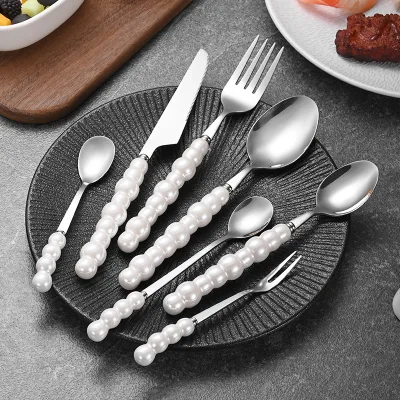
Comprehensive Sourcing Guide
Luxury Party Flatware Set Sourcing Guide
Sourcing high-end flatware for events requires balancing aesthetic appeal with functional durability. Buyers must distinguish between decorative pieces intended for single-use occasions and reusable sets designed for repeated hospitality use. The market offers a wide spectrum of options, ranging from disposable plastic sets for large-scale weddings to premium stainless steel collections for fine dining. Understanding these distinctions is critical for aligning procurement with the specific needs of the event, whether it involves short-term rental, permanent venue acquisition, or bulk distribution for catering services.
This guide focuses on the technical, commercial, and compliance aspects of sourcing luxury flatware. It draws on observed market data to highlight key variables such as material composition, certification requirements, and production timelines. By examining these factors, procurement professionals can make informed decisions that mitigate risk, ensure regulatory compliance, and achieve the desired visual impact for their events. The following sections provide a structured approach to evaluating suppliers and products in this specialized category.
Product Scope and Observed Listing Signals
The observed market for luxury party flatware includes both reusable and disposable options, with stainless steel and plastic being the primary materials. Stainless steel sets are often marketed as durable, eco-friendly, and dishwasher-safe, making them suitable for high-end venues or long-term inventory. These products frequently feature hand-polished finishes and come in various models, such as FL24015 or LO-0007, indicating a range of design complexities. In contrast, plastic sets are typically non-durable and disposable, targeting cost-sensitive events like weddings or parties where bulk quantity is prioritized over longevity.
Listing signals reveal significant variation in customization and packaging. Many suppliers offer custom colors, including black or unicolor options, and provide flexible packaging solutions ranging from inner boxes to outer cartons. Some products are explicitly labeled as non-customized, while others allow for tailored specifications. The presence of "Stocked" items suggests immediate availability for urgent orders, whereas custom orders may require production times of one week or more. Buyers should carefully review these signals to determine if a supplier can meet their specific timeline and aesthetic requirements.
Technical Specifications to Verify
Material composition is the most critical technical specification, directly impacting durability and safety. Stainless steel flatware is generally preferred for luxury settings due to its resistance to corrosion and ability to withstand repeated washing. Buyers should verify the grade of stainless steel and confirm whether the surface finish is hand-polished or machine-finished, as this affects both appearance and maintenance. For plastic alternatives, it is essential to confirm that the material is food-grade and suitable for the intended use, whether disposable or reusable. The distinction between these materials should drive the selection process based on the event's scale and sustainability goals.
Dimensions and set configurations vary widely across different product models. Standard sets may include knives, forks, and spoons with specific lengths, such as 19.9 cm for knives and 18.8 cm for forks. Some products are sold as complete sets, such as a 5-piece collection, while others may be sold individually. Packaging dimensions, such as 28 cm x 24 cm x 16 cm, are important for logistics and storage planning. Buyers must verify these specifications to ensure that the flatware fits their existing table settings and storage facilities, avoiding unexpected costs related to oversized packaging or incompatible dimensions.
Compliance and Safety Documentation
Certification requirements are non-negotiable for food-contact products, particularly in international markets. Products must comply with relevant safety standards, such as CE/EU, FDA, LFGB, CIQ, and EEC certifications. These certifications ensure that the materials used in the flatware are safe for human consumption and do not leach harmful substances. Buyers should request valid certification documents from suppliers and verify their authenticity, as counterfeit certificates are a known risk in the industry. Compliance with these standards is essential for avoiding legal liabilities and ensuring the safety of guests at luxury events.
In addition to certifications, buyers should verify the product's compliance with specific regional regulations. For example, LFGB certification is particularly stringent and is often required for products sold in Germany and other European countries. FDA compliance is crucial for products intended for the US market. The presence of these certifications indicates that the supplier has undergone rigorous testing and quality control processes. Buyers should prioritize suppliers who can provide comprehensive documentation, as this reduces the risk of customs delays or product recalls.
Cost Drivers and Commercial Terms
Pricing in the luxury flatware market is influenced by material quality, customization, and order volume. Observed price ranges vary significantly, from low-cost disposable plastic sets to premium stainless steel collections. The minimum order quantity (MOQ) is a key commercial term, with some suppliers requiring as few as 10 sets for custom orders, while others may demand 3000 units for standard items. Buyers should negotiate MOQs based on their actual needs, considering the balance between cost efficiency and inventory risk. Smaller MOQs may result in higher per-unit costs but offer greater flexibility for trial orders or small-scale events.
Production time is another critical factor affecting procurement planning. Standard items may be available immediately, while custom orders can take anywhere from one week to ten days to produce. Buyers must account for these lead times when scheduling events, ensuring that orders are placed well in advance to avoid delays. Additionally, packaging costs and logistics should be considered, as custom packaging solutions may incur additional fees. Clear communication with suppliers regarding these terms is essential to avoid misunderstandings and ensure timely delivery.
Supplier Qualification and Quality Control
Supplier qualification involves assessing their production capabilities, quality control processes, and reputation. Buyers should verify the supplier's origin, with many manufacturers located in Zhejiang, China, a hub for metal and plastic product manufacturing. It is important to confirm that the supplier has experience in producing luxury flatware and can provide references or case studies. Quality control measures, such as hand-polishing and rigorous inspection processes, should be clearly defined in the contract. Buyers should request samples before placing large orders to evaluate the product's finish, durability, and overall quality.
Packaging and labeling are also key aspects of quality control. Products should be packaged securely to prevent damage during transit, with inner boxes and outer cartons providing adequate protection. Labels should clearly indicate the product model, material, and certification status. Buyers should verify that the packaging meets their branding requirements, especially for custom orders. Effective quality control ensures that the final product meets the expected standards, reducing the risk of defects and customer dissatisfaction.
Long-Term Procurement Checks
Long-term procurement success depends on establishing strong relationships with reliable suppliers and maintaining consistent quality standards. Buyers should conduct regular audits of their suppliers to ensure ongoing compliance with safety and quality requirements. This includes verifying that certifications remain valid and that production processes have not changed without notification. Building a relationship with a trusted supplier can lead to better pricing, priority production, and improved customer service. Regular communication and feedback are essential for maintaining these relationships and addressing any issues promptly.
Sustainability is becoming an increasingly important factor in procurement decisions. Buyers should consider the environmental impact of their flatware choices, opting for durable, reusable options where possible. Eco-friendly materials and recyclable packaging can enhance the brand's reputation and align with corporate social responsibility goals. By prioritizing sustainability, buyers can contribute to a more responsible supply chain while meeting the aesthetic and functional needs of their luxury events. Long-term planning should include strategies for managing inventory, disposing of waste, and evaluating the total cost of ownership for flatware sets.
FAQs
What certifications do these luxury party flatware sets typically carry?
Many listed sets carry CE/EU, FDA, LFGB, CIQ, and EEC certifications, with some listings showing FDA and LFGB only. Certification can vary by product, so confirm the exact certificates and test reports for the specific model before ordering. Ask suppliers for current documentation to support food-contact compliance in your destination market.
How is the flatware packed for shipment?
Listings describe inner box packing with an outer carton box, and some mention an inner box with safe outcarton. Packaging can often be customized, and one listing notes customized packaging availability. Confirm carton dimensions, such as the listed 28cm by 24cm by 16cm standard, and request packaging samples before bulk production.
What is the minimum order quantity for these flatware sets?
Listed MOQs range from 10 sets to 3000, with some stainless steel sets at 200 sets per order and disposable plastic items at 1000 boxes. MOQ depends on the model, material, and customization level. Negotiate trial quantities first, then scale to full production runs once samples and quality are approved.
How long does production take for a customized set?
Several listings state a production time of 7 days, with others quoting 7 to 10 days or about 1 week. Customized colors, hand polish finishes, or packaging may extend this timeline. Confirm the production schedule in writing and account for sample approval time before the clock starts.
Which materials are available in these flatware sets?
Listed options include stainless steel and plastic. Stainless steel sets are described as non-disposable, durable, eco-friendly, dishwasher safe, and finished with hand polish. Plastic options are disposable and suit weddings, parties, and restaurant occasions. Choose based on whether you need reusable event tableware or single-use service pieces.
Can I customize the color and finish of the sets?
Yes, customization is available on many listings, with colour options described as available or unicolor, and black specified for some models. Hand polish finishes are noted on stainless steel items. Provide Pantone references and finish samples early, since customized orders may affect MOQ, unit pricing, and the production timeline.
What sizes are included in a typical set?
One reusable listing specifies five pieces per set as pictured, while another reusable set includes a 19.9cm knife, an 18.8cm fork, and a 17.5cm spoon. Set composition varies by model, so request a detailed packing list showing each piece and its dimensions before confirming your order specification.
Where are these flatware sets produced?
Listings indicate origins in Zhejiang, China, and China generally. Regional clustering gives access to stainless steel finishing, plastic molding, and packaging services in one supply base. Confirm the exact production location for your chosen model, since it affects logistics costs, lead time, and factory audit arrangements.