Source Water Ring Swimming Pool Pump for Filtration, Circulation, and Drainage
Explore 30 Water Ring Swimming Pool Pump options featuring centrifugal and self-priming designs. Compare specifications including stainless steel construction, electric motor power, and flow rates to find suitable units for residential and commercial water management systems.
Key considerations
Products List


$180.00 - $220.00
MOQ: 20 Pieces


$500.00 - $50000.00
MOQ: 1 Pieces


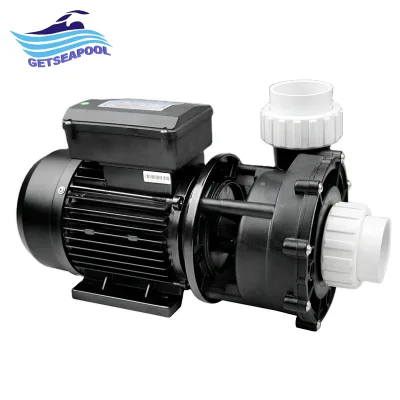
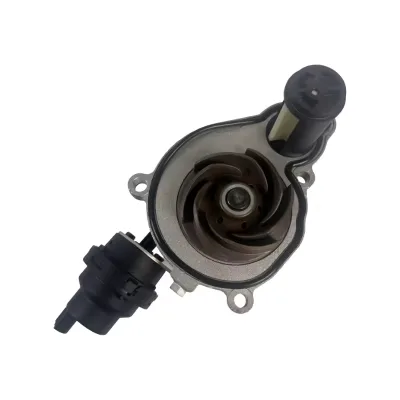
Comprehensive Sourcing Guide
Water Ring Swimming Pool Pump Sourcing Guide
Sourcing water ring swimming pool pumps requires a nuanced understanding of centrifugal pump mechanics, specifically those designed for submersible or circulating applications. The market offers a diverse array of configurations, ranging from single-stage electric motors to complex horizontal split designs. Buyers must distinguish between general-purpose circulating pumps and specialized units intended for high-head or high-flow environments. The observed product landscape includes models with varying horsepower ratings, from small 0.35 HP units to robust 15.0 HP industrial-grade motors, indicating that pool size and hydraulic requirements dictate the appropriate selection. Understanding these mechanical distinctions is the first step in avoiding procurement errors that lead to inefficient circulation or premature motor failure.
The procurement process is further complicated by the variability in material composition and structural design. Stainless steel construction is a common feature in observed listings, offering corrosion resistance essential for pool environments, yet other materials may be present in different product tiers. Buyers should verify whether the pump casing is designed for horizontal or vertical mounting, as this impacts installation logistics and space requirements within the pool equipment room. Additionally, the distinction between self-priming pumps with outer recirculation and standard submersible units is critical, as it determines the ease of maintenance and the pump’s ability to handle air pockets in the suction line.
Product Scope and Observed Listing Signals
The current market signals indicate a wide price range, observed between $1.55 and $50,000 USD, reflecting the disparity between small residential components and large industrial circulation systems. Minimum Order Quantities (MOQ) vary significantly, starting from single units for prototype or replacement needs up to 5,000 units for large-scale distribution. This variance suggests that buyers should align their order volume with their specific project scale, as small businesses may benefit from flexible MOQs while large contractors might negotiate bulk pricing. The presence of customization options in many listings allows for tailored solutions, such as specific voltage configurations or custom inlet/outlet dimensions, which can be crucial for integrating pumps into existing pool infrastructure.
Observed technical parameters reveal a strong emphasis on electric motor-driven centrifugal pumps, with power ratings spanning from 2.25 kW to 11.0 kW. Flow rates are typically capped at under 50 L/min for certain submersible models, while other configurations offer higher capacities suitable for larger pools. Head pressures range from 10 to 30 meters, indicating that these pumps are designed for moderate to high-lift applications. Buyers should carefully match these hydraulic characteristics to their pool’s depth and filtration system requirements. The availability of models with specific suction heights, such as 8 meters, further highlights the need for precise hydraulic calculations to ensure the pump can effectively draw water without cavitation.
Technical Specifications to Verify
When evaluating technical specifications, the motor type and phase configuration are paramount. Most observed pumps utilize electric motors with three-phase power at 380V, which is standard for commercial and large residential installations, though single-phase 220V options are also available. Buyers must verify the voltage compatibility with their local electrical grid to prevent motor damage. Additionally, the horsepower ratings, which include options like 3HP, 5HP, and 7.5HP, should be cross-referenced with the pump’s flow and head requirements. Selecting a motor that is undersized will result in poor circulation, while an oversized motor may lead to energy inefficiency and unnecessary operational costs.
The physical dimensions and port sizes of the pump must align with the pool’s plumbing layout. Inlet and outlet diameters vary, with common sizes including 2-inch, 3-inch, and 4-inch ports, allowing for flexibility in pipe connections. The length, width, and height of the pump units, which can range from 160mm to over 1000mm in length, must be considered for installation space constraints. Buyers should also verify the impeller type, such as single-suction closed impellers, which are common in these designs for efficient water transfer. Ensuring that the mounting height and shaft position match the installation plan is essential for maintaining proper alignment and reducing vibration during operation.
Compliance and Safety Documentation
Compliance with international standards is a critical aspect of sourcing pool pumps, particularly for export markets. The CE certification is frequently observed in product listings, indicating adherence to European health, safety, and environmental protection standards. Buyers should request valid CE certificates and verify that the documentation matches the specific model numbers being ordered. This certification is often a prerequisite for importing pumps into many regions, ensuring that the electrical components and mechanical structures meet rigorous safety requirements. Without proper certification, buyers risk facing customs delays, fines, or liability issues in the event of equipment failure.
Beyond certification, buyers should inquire about additional safety features and testing protocols. While specific test results are not always listed, reputable suppliers should be able to provide data on insulation class, thermal protection, and leakage current. For submersible pumps, verifying the waterproof rating and the integrity of the cable seals is essential to prevent electrical hazards. Buyers should also confirm that the materials used, such as stainless steel for the casing, are suitable for prolonged exposure to chlorinated or saltwater environments. This verification helps ensure the longevity of the pump and reduces the risk of corrosion-related failures.
Cost Drivers and Commercial Terms
Several factors influence the final cost of water ring swimming pool pumps, with material quality and motor power being primary drivers. Stainless steel construction, while more expensive than plastic or cast iron alternatives, offers superior durability and resistance to corrosion, justifying the higher price point for long-term use. Similarly, pumps with higher horsepower ratings and advanced motor technologies command higher prices due to increased manufacturing costs and energy efficiency benefits. Buyers should evaluate the total cost of ownership, considering not just the initial purchase price but also the expected energy consumption and maintenance requirements over the pump’s lifespan.
Commercial terms, including packaging and shipping logistics, also impact the overall procurement cost. Products are typically packed in cartons, boxes, or specialized packages to protect them during transit, which can affect shipping volume and weight. Buyers should negotiate clear terms regarding packaging standards to minimize damage during shipping. Additionally, the origin of the products, often listed as China or specific provinces like Zhejiang, can influence shipping costs and lead times. Establishing clear agreements on delivery schedules and incoterms is essential for managing inventory and ensuring timely installation of the pool systems.
Supplier Qualification and Quality Control
Supplier qualification is a vital step in ensuring the reliability of the sourced pumps. Buyers should verify the supplier’s manufacturing capabilities, including their production capacity and quality control processes. Suppliers offering customization options should demonstrate a robust engineering team capable of adapting designs to specific client requirements. It is advisable to request samples or conduct factory audits to assess the quality of materials and assembly processes. Suppliers with a history of producing certified products and adhering to international standards are more likely to deliver consistent quality.
Quality control measures should be integrated into the procurement process to mitigate risks. Buyers should specify inspection criteria for incoming goods, focusing on critical attributes such as motor performance, casing integrity, and port dimensions. Implementing a pre-shipment inspection protocol can help identify defects before the goods leave the supplier’s facility. Additionally, establishing a clear communication channel for addressing any quality issues post-delivery is essential. Suppliers who provide comprehensive technical support and warranty terms demonstrate confidence in their products and are better positioned to handle any unforeseen challenges.
Long-Term Procurement Checks
Long-term procurement success depends on establishing a sustainable supply chain relationship. Buyers should regularly review supplier performance metrics, including on-time delivery rates, product quality consistency, and responsiveness to inquiries. Maintaining open communication with suppliers allows for early identification of potential issues, such as supply chain disruptions or changes in material costs. Regularly updating technical specifications and requirements ensures that the sourced pumps remain aligned with evolving pool design trends and regulatory standards.
Continuous monitoring of market trends and technological advancements is also crucial. As energy efficiency standards become more stringent, buyers should stay informed about new motor technologies and materials that offer improved performance. Engaging with suppliers who invest in research and development can provide access to innovative solutions that enhance pool circulation efficiency. By fostering a collaborative relationship with qualified suppliers, buyers can secure a reliable source of high-quality water ring swimming pool pumps that meet their operational needs and support long-term business goals.
FAQs
What is the maximum head for these pumps?
The maximum head ranges from 10 to 30 meters depending on the specific model selected. This capacity ensures efficient water circulation for various pool sizes while maintaining stable pressure levels.
Can I customize the pump specifications?
Yes, customization is available for these water ring swimming pool pumps to meet specific operational needs. Buyers can request tailored configurations for power, flow, or mounting height to suit their project requirements.
What is the minimum order quantity for these pumps?
The minimum order quantity is typically 100 units for standard models. This threshold applies to most configurations, though specific variations may have different requirements based on the manufacturer's production capacity.
Which certifications do these pumps hold?
These pumps hold CE certification, ensuring compliance with European safety and quality standards. This certification validates that the product meets necessary regulatory requirements for electrical and mechanical safety in international markets.
How much power do these pumps consume?
Rated power options range from 2.25kw to 11.0kw depending on the horsepower selected. Available horsepower levels include 3HP, 5HP, 7.5HP, 10.0HP, and 15.0HP to match different flow and head requirements.
What material are the pump casings made of?
The pump casings are constructed from stainless steel for durability and corrosion resistance. This material choice ensures long-term performance in wet environments and protects against degradation from pool chemicals.
Where are these pumps manufactured?
These pumps are manufactured in Zhejiang, China, a major hub for industrial pump production. The origin ensures access to established supply chains and competitive pricing for international buyers seeking reliable equipment.