Source Luxury Round Glass Soap Bottle for Cosmetics, Perfume, and Shower Gel
Find 30 Luxury Round Glass Soap Bottle options with customizable features like pump closures and clear finishes. Buyers can compare capacities from 5ml to 500ml, materials including super flint glass, and MOQs ranging from 2 to 30,000 pieces across suppliers in China.
Key considerations
Products List


Hand Soap Bottle Round Glass Empty Soap Liquid Bottle with Plastic Foam Pump
$0.37 - $0.60
MOQ: 5000 Pieces

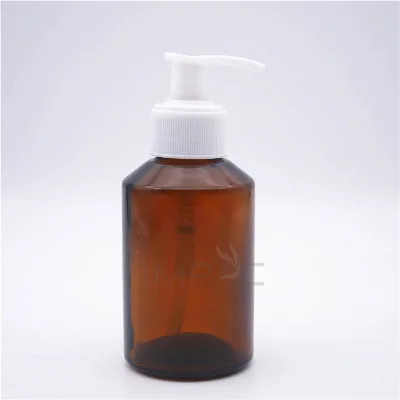
Brown Glass Empty 500ml Shampoo Bottles Round Hand Wash Soap Bottles with Pump
$0.40 - $0.62
MOQ: 1000 Pieces

Brown Glass 500ml Liquid Shampoo Bottles Round Hand Wash Soap Bottles with Pump
$0.37 - $0.60
MOQ: 5000 Pieces

Luxury Purple Liquid Soap Bottle 500ml Empty Recycled Lotion Pump Shampoo Bottles
$0.30 - $0.56
MOQ: 5000 Pieces


Transparent Square Hand Soap Dispenser Glass 400ml Liquid Soap Bottle with Pump
$0.30 - $0.56
MOQ: 5000 Pieces
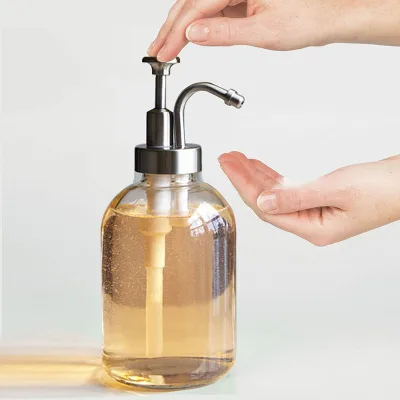
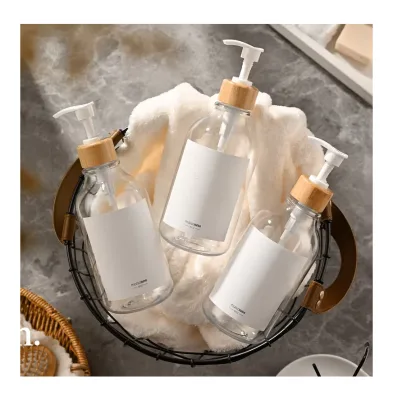
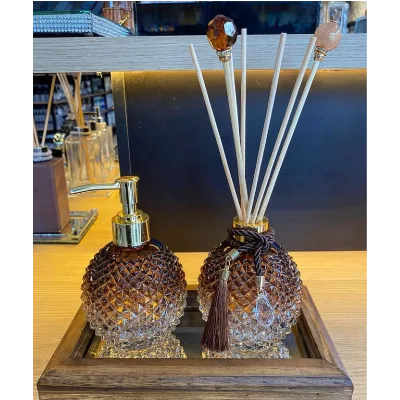
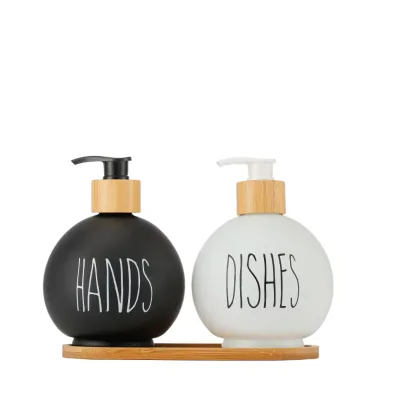



Comprehensive Sourcing Guide
Strategic Sourcing Guide for Luxury Round Glass Soap Bottles
The procurement of luxury round glass soap bottles requires a nuanced understanding of material properties, manufacturing capabilities, and supply chain logistics. In the global market, these containers are not merely vessels but critical components of brand identity, particularly for high-end cosmetics, personal care products, and premium soaps. Buyers must navigate a landscape where "luxury" is defined by clarity, weight, and the precision of the closure system. This guide synthesizes available market data to provide a structured approach for sourcing these specific items, focusing on verified attributes such as glass composition, capacity ranges, and customization options while avoiding unverified claims.
Technical Specifications and Material Composition
The foundation of a luxury glass bottle lies in its material integrity and dimensional precision. Based on observed product data, the primary material for these containers is glass, with specific references to "Super Flint Glass" appearing in high-end listings. Super Flint glass is characterized by its high clarity and resistance to chemical leaching, making it ideal for sensitive formulations like essential oils and perfumes. The standard shape for this category is consistently round, offering a classic aesthetic that aligns with traditional luxury branding. However, the market also presents variations, including heart-shaped or irregular shapes, which buyers must distinguish from the core "round" requirement.
Capacity is a critical specification that dictates the bottle's utility. The observed market data indicates a wide range of capacities, from small 5-50 ml units suitable for travel-sized serums or essential oils, to larger 51-100 ml options for lotions, and even up to 500 ml for shower gels or hand soaps. When sourcing a "luxury round" bottle, buyers should verify the exact capacity tolerance, as the wall thickness required for a 500 ml bottle differs significantly from a 5 ml vial. The closure type is equally important; the data highlights "Pump-on" and "Lotion Pump" mechanisms as standard, with some listings specifying "Spray Pump" for fragrance applications. The lid material is typically plastic, designed to interface seamlessly with the glass neck.
| Feature Category | Observed Standard Attributes | Verification Requirement |
|---|---|---|
| Material | Glass, Super Flint Glass | Confirm glass type and chemical resistance. |
| Shape | Round, Heart-shaped, Irregular | Ensure "Round" geometry matches design specs. |
| Capacity | 5-50 ml, 51-100 ml, 500 ml | Validate volume accuracy and wall thickness. |
| Closure | Pump-on, Lotion Pump, Spray Pump | Check pump mechanism compatibility with viscosity. |
| Color | Clear, Transparent | Verify optical clarity and absence of tints. |
Customization and Branding Capabilities
A defining characteristic of luxury packaging is the ability to customize. The supplied data confirms that customization is widely available, with specific mentions of "Customized" attributes for logos and colors. Buyers seeking a premium product should expect options for logo application, which can range from screen printing to silk screening, though the specific technique is not detailed in the general facts. The "Customizable" attribute suggests that the mold or the surface finish can be altered to meet specific brand requirements.
Furthermore, the "OEM/ODM: Acceptable" status indicates that suppliers are generally willing to engage in Original Equipment Manufacturer or Original Design Manufacturer projects. This allows buyers to develop unique bottle profiles or packaging solutions. The "Refillable" attribute is another significant feature observed in the market, appealing to sustainability trends. When evaluating customization, buyers must consider the impact on the Minimum Order Quantity (MOQ). The data shows a vast range in MOQs, from as low as 2 pieces for samples to 30,000 pieces for mass production. Specific listings cite MOQs of 1000 or 2000 pieces for custom runs. Buyers should verify if the supplier charges extra for mold creation or if the customization fee is amortized over the order volume.
Compliance, Certification, and Regulatory Standards
In the B2B procurement of packaging for personal care and cosmetics, regulatory compliance is non-negotiable. The observed data includes specific certifications such as "CE/SGS/RoHS." These certifications are critical indicators of a supplier's adherence to international safety and environmental standards. CE marking suggests compliance with European health, safety, and environmental protection standards, while RoHS (Restriction of Hazardous Substances) ensures the materials do not contain specific hazardous substances. SGS certification often relates to quality control and product testing.
However, buyers must exercise caution regarding the application of these certifications. The data notes that "ISO 27001" is a low-confidence background item and should not be assumed as a concrete standard for the product itself. Instead, buyers should request valid, current certificates from the supplier that specifically cover the glass material and the closure components. For products intended for the cosmetic industry, compliance with local regulations regarding food-grade or cosmetic-grade materials is essential. The "prod_standard" field in the data lists values like "small," "30ml," "100ml," and "500ml," which appear to be internal or capacity-based standards rather than international regulatory codes. Buyers must verify if the supplier's production standards align with the destination market's requirements, such as FDA regulations in the United States or EU Cosmetics Regulation.
Cost Drivers and Pricing Dynamics
Understanding the cost structure of luxury glass bottles is vital for budget management. The observed price range in the market is between $0.10 and $2.20 USD per unit. This wide variance is driven by several factors, including the capacity of the bottle, the complexity of the shape, and the type of closure included. A 5 ml clear glass bottle with a simple pump will naturally cost less than a 500 ml Super Flint glass bottle with a custom-molded pump.
The MOQ is a primary cost driver. Suppliers often offer tiered pricing where the unit cost decreases as the order volume increases. For instance, an order of 2000 pieces might carry a different unit price than an order of 30,000 pieces. Additionally, customization costs, such as logo printing or unique mold fees, will be added to the base price. The "Sample: Free" attribute suggests that some suppliers may provide samples at no cost, which can reduce the initial risk for buyers, though shipping costs for samples are often borne by the purchaser. Buyers should also factor in packaging costs, as the data mentions "Carton," "Carton or Pallet," and "Box and Pallet" as standard packing methods. Secure packaging is essential for glass products to prevent breakage during transit, and the choice of packaging can influence the overall landed cost.
Supplier Evaluation and Geographic Considerations
Geographic origin plays a significant role in the sourcing strategy. The supplied data indicates that the majority of these products originate from China, with specific mentions of Jiangsu and Hubei provinces. These regions are known for their robust glass manufacturing industries. When evaluating suppliers, buyers should verify the specific location of the factory to assess logistics efficiency and potential tariffs. The "Lead Time" is another critical factor, with observed ranges of 5-10 days for some suppliers. However, this lead time may vary based on the complexity of the order and the current production schedule.
Buyers should look for suppliers who offer "Shipping Ways" such as Air, Sea, and Express Shipment. The choice of shipping method will impact both the cost and the delivery timeline. For urgent orders, air freight may be necessary, while sea freight is more cost-effective for large volumes. The "OEM/ODM" acceptance is a strong indicator of a supplier's flexibility and technical capability. A supplier that accepts OEM/ODM is likely to have the engineering resources to handle custom designs and quality control processes. Buyers should also check the "Product Name" and "Model" consistency; for example, models like "xldp," "JY90," and "FG-B90" represent different product lines. Ensuring that the supplier can consistently produce the specific model required is essential for maintaining brand consistency.
Quality Control and Long-Term Procurement Strategy
Quality control is paramount when dealing with glass products, as breakage and defects can lead to significant financial losses. The "Certification: CE/SGS/RoHS" mentioned in the data suggests that some suppliers have established quality management systems. Buyers should implement a rigorous quality control protocol that includes visual inspection for bubbles, cracks, and surface imperfections. Testing the pump mechanism for leakage and functionality is also crucial. The "Sealing Type: Pump" attribute highlights the importance of the seal integrity, which prevents product evaporation and contamination.
For long-term procurement, buyers should consider the scalability of their supplier. The observed MOQ range of 2 to 30,000 pieces indicates that suppliers can handle both small batch testing and large-scale production. However, buyers must ensure that the supplier can maintain consistent quality as volumes increase. The "Customized" attribute implies that the supplier has the capability to adapt to changing market needs. Establishing a long-term relationship with a supplier who understands the brand's specific requirements can lead to better pricing, priority production scheduling, and improved communication. Buyers should also consider the environmental impact of their packaging choices, as the "Refillable" attribute offers a sustainable solution that can enhance brand reputation.
In conclusion, sourcing luxury round glass soap bottles requires a balanced approach that considers material quality, customization needs, regulatory compliance, and logistical efficiency. By leveraging the observed data on capacity, closure types, and certifications, buyers can make informed decisions that align with their brand's luxury positioning. The key is to verify all claims, particularly regarding standards and certifications, and to maintain open communication with suppliers to ensure that the final product meets the highest expectations of quality and design.
FAQs
What materials are used for luxury round glass soap bottles?
The primary material is glass, with specific high-end options using Super Flint Glass. This material offers high clarity and resistance to chemical leaching, making it suitable for sensitive formulations like essential oils and perfumes.
Which closure types are available for these glass bottles?
Standard closure types include Pump-on, Lotion Pump, and Spray Pump mechanisms. The lid material is typically plastic, designed to interface seamlessly with the glass neck for secure sealing and dispensing.
Can buyers customize the logo and shape of the bottles?
Yes, customization is available for logos, colors, and shapes, including round, heart-shaped, or irregular designs. OEM and ODM services are acceptable, allowing for unique bottle profiles and surface finishes to meet brand requirements.
What is the minimum order quantity for custom glass bottles?
The minimum order quantity ranges from 2 pieces for samples up to 30,000 pieces for mass production. Specific listings often cite MOQs of 1,000 or 2,000 pieces for custom runs, depending on the supplier and product model.
Which certifications do these glass bottle suppliers typically hold?
Suppliers often hold certifications such as CE, SGS, and RoHS to ensure compliance with safety and environmental standards. These indicate adherence to international regulations regarding hazardous substances and product quality control for personal care packaging.
How long does it take to receive an order of glass bottles?
The lead time is typically observed between 5 to 10 days for production. This duration may vary based on the complexity of the order, the specific customization required, and the current production schedule of the factory.
What capacity options are available for round glass soap bottles?
Available capacities range from small 5-50 ml units suitable for travel serums to larger 51-100 ml options for lotions. Some listings also offer 500 ml sizes for shower gels or hand soaps, with wall thickness varying by volume.