Source Luxury Satin Lined Wig Box with Ribbon for retail, salon, and events
Find 30 listings for Luxury Satin Lined Wig Box with Ribbon designed for commercial packaging. Buyers can compare customization options, material types, and lead times from suppliers in Guangdong, Shandong, and Jilin.
Key considerations
Products List
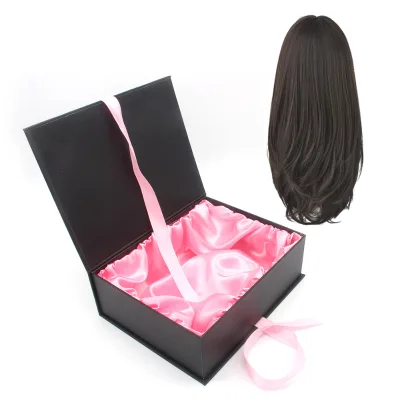
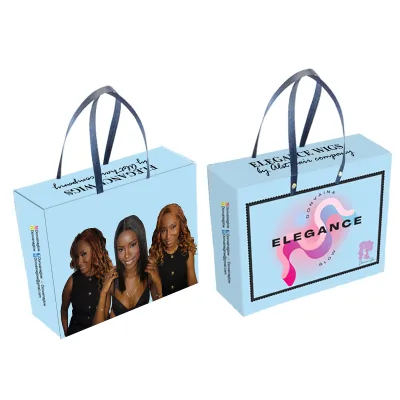
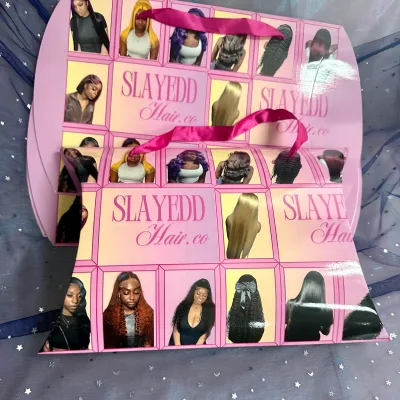
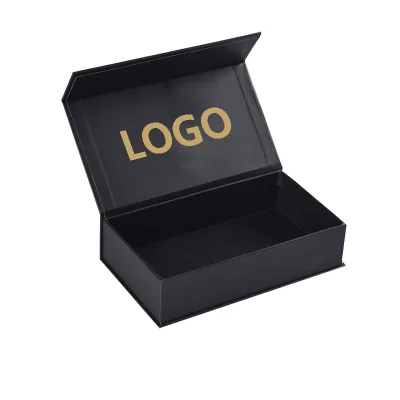
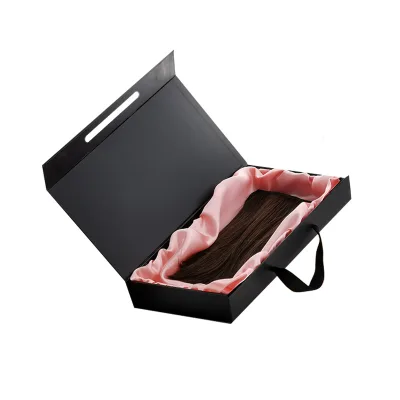
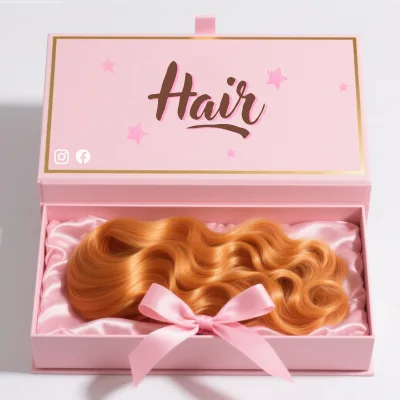
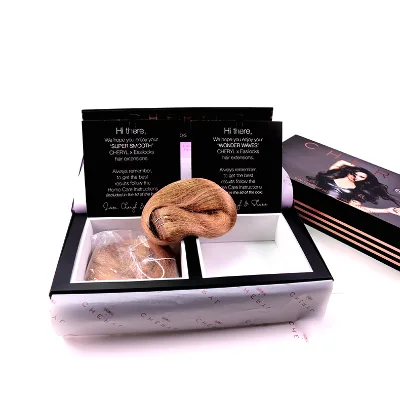
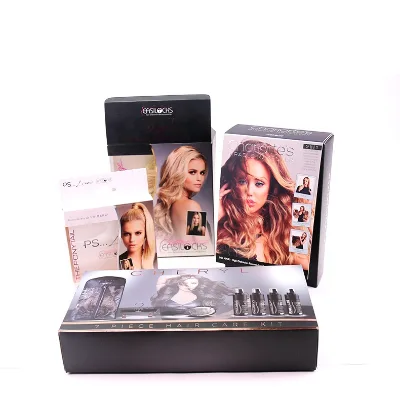
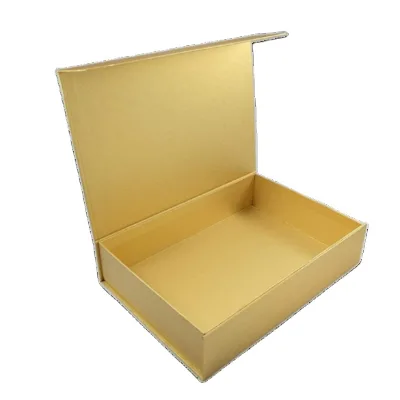


Custom Logo Luxury Paper Satin Hair Bonnet Packaging Boxes for Hair Bonnet
$0.10 - $0.50
MOQ: 1000 Pieces


Hot Selling Magnetic Foldable Paper Box Packaging for Wig with Satin Fabric Insert
$0.38 - $0.78
MOQ: 1000 Pieces
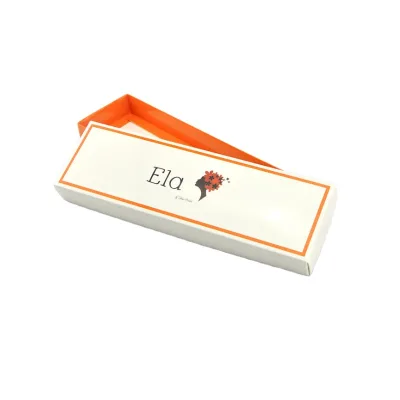

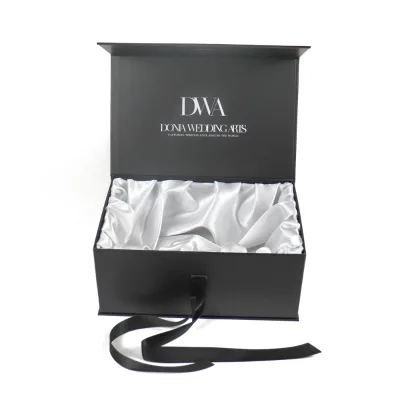


Luxury Custom Digital Printed Single Wig Box Gift Boxes with Magnetic Lid
$0.30 - $1.49
MOQ: 2000 Pieces


Comprehensive Sourcing Guide
Strategic Sourcing Guide for Luxury Satin Lined Wig Boxes with Ribbon
Understanding Product Specifications and Material Composition
When sourcing a luxury satin-lined wig box with a ribbon, the primary objective is to identify packaging that balances structural integrity with premium aesthetic appeal. Based on the available market data, the core material for these rigid boxes is typically recycled paperboard, which offers a sustainable foundation while maintaining the necessary thickness for rigidity. The standard thickness observed in high-quality rigid boxes is approximately 2mm, a dimension that ensures the box can withstand the weight of a wig without collapsing while providing a substantial feel in the hand. The exterior surface finish is critical for the "luxury" designation; buyers should expect options including matte lamination, glossy lamination, UV coating, embossing, and hot stamping. These surface treatments not only enhance visual appeal but also protect the printed graphics from scuffing during transit.
The internal lining is the defining feature of this specific product category. The supplied data indicates that liner types can vary significantly, including satin, cotton, aluminum foil, kraft corrugated, and sponge. For a wig application, satin is the preferred choice due to its smooth texture, which prevents snagging on hair fibers, and its ability to provide a soft, luxurious contrast to the rigid exterior. The box type is consistently categorized as a rigid box or folder, often featuring a magnetic closure mechanism. This magnetic closure is a key functional attribute, allowing for a secure seal that is easy to open and close repeatedly without the need for adhesives or complex locking mechanisms. The presence of a ribbon handle or bow is also a standard accessory, adding to the gift-ready presentation.
| Feature Category | Observed Specifications |
|---|---|
| Primary Material | Recycled Paperboard |
| Thickness | 2mm (Standard Rigid) |
| Closure Type | Magnetic Closure |
| Lining Options | Satin, Cotton, Sponge, Kraft |
| Surface Finish | Matte/Glossy Lamination, UV, Embossing, Stamping |
| Shape | Customizable (Rectangular, Square, etc.) |
| Dimensions | Customized Size (e.g., 18x18x4 cm or 190x120x45mm) |
Compliance, Certification, and Sustainability Verification
In the realm of luxury packaging, sustainability is no longer a niche preference but a core procurement requirement. The product data explicitly notes that the material used is "Recycle Paperboard" and highlights "Recycled Materials" as a key feature. This aligns with global trends where brands seek to reduce their environmental footprint. However, buyers must verify the specific certification status of the paperboard used by the supplier. While the provided context mentions ISO 27001 and FSC as background standards, these should not be assumed to apply to every listing without explicit confirmation from the manufacturer.
Buyers should request proof of FSC (Forest Stewardship Council) certification if the supply chain requires verified sustainable forestry practices. Similarly, if the product is intended for markets with strict chemical regulations, verification of non-toxic inks and adhesives is essential. The printing processes listed, such as UV coating and hot stamping, involve chemical applications that must comply with local safety standards. Since the data indicates the product is "Handmade Luxury Gift Boxes," the manual nature of the assembly can introduce variability in quality control. Therefore, buyers should inquire about the supplier's internal quality assurance protocols regarding the consistency of the satin lining and the strength of the magnetic closure.
Furthermore, the "Industrial Use" is listed as "Gift & Craft," suggesting these boxes are designed for high-value retail presentation rather than bulk industrial shipping. This distinction is vital for compliance checks; a box designed for retail gifting may not meet the same durability standards as a shipping container. Buyers must ensure that the chosen box meets the specific regulatory requirements of the destination market, particularly regarding labeling and material safety. The absence of specific certification data in the general product list means that compliance verification is a proactive step for the buyer, not a passive assumption.
Cost Drivers and Pricing Structure Analysis
The pricing for luxury satin-lined wig boxes is influenced by several dynamic factors, primarily driven by customization levels and order volume. The observed price range in the market is between $0.09 and $3.55 per unit, a wide spectrum that reflects the diversity of options available. The lower end of this range likely corresponds to standard sizes with minimal customization, while the higher end reflects complex designs, premium linings, and extensive printing techniques.
Material costs are a significant driver. The use of recycled paperboard is generally cost-effective, but the addition of specific liners like satin or cotton increases the base cost. The magnetic closure mechanism also adds to the unit price, as it requires precise alignment and high-quality magnets to ensure a secure fit. Printing handling is another major cost component. Techniques such as gold foil stamping, embossing, and UV coating require specialized equipment and additional labor, which will push the price toward the upper limit of the observed range.
Order volume plays a critical role in final pricing. The Minimum Order Quantity (MOQ) ranges from 2 to 2000 units, with a specific observation of 100 pcs for certain product types. Buyers purchasing small quantities may face higher per-unit costs due to the setup time for custom molds and printing plates. Conversely, larger orders can leverage economies of scale to reduce the unit price. Lead times also impact cost; a standard lead time of 7-10 days is observed, but rush orders or complex custom shapes may incur expedited fees. Buyers should factor in the cost of samples, which are generally accepted as custom-made, to ensure the final product meets expectations before committing to a large production run.
Typical Applications and Usage Scenarios
The primary application for these boxes is clearly defined as "Packaging Gift" and "Wig Packaging Box." The design features, such as the magnetic closure and satin lining, make them ideal for high-end retail environments where unboxing is part of the customer experience. The "Handmade Luxury Gift Boxes" classification suggests they are used for premium products where presentation is as important as the product itself.
Beyond wigs, the versatility of the rigid box design allows for use in other luxury sectors. The "Industrial Use" category of "Gift & Craft" indicates suitability for jewelry, cosmetics, and high-end confectionery. The customizable shape and size mean that buyers can tailor the box to fit specific product dimensions, ensuring a snug fit that prevents movement during transit. The inclusion of a ribbon or handle makes the box immediately gift-ready, reducing the need for additional wrapping materials.
The "Commercial" application noted in the data suggests these boxes are suitable for business-to-business transactions as well, such as corporate gifting or promotional campaigns. The ability to accept custom logos and branding through printing techniques like hot stamping and four-color printing allows companies to create a cohesive brand identity. The "Collapsible" nature of some designs, as hinted by the keyword "collapsible gift box," offers logistical advantages for storage and shipping, as flat-packed boxes take up less space before assembly.
Supplier Evaluation and Operational Capabilities
When evaluating potential suppliers for luxury satin-lined wig boxes, buyers must look beyond the basic product listing and assess the supplier's operational depth. The data indicates that suppliers are located in various regions of China, including Guangdong, Shandong, and Jilin. This geographic diversity suggests a robust manufacturing base, but it also means buyers must verify the specific capabilities of the factory they choose.
Key evaluation criteria include the supplier's ability to handle OEM and ODM requests. The data confirms that "OEM ODM Available" and "Custom Logo" printing are standard offerings. Buyers should assess the supplier's design team to ensure they can translate custom concepts into physical prototypes. The acceptance of custom samples is a positive indicator, allowing buyers to test the quality of the satin lining, the strength of the magnets, and the precision of the printing before mass production.
Lead time consistency is another critical factor. While a standard lead time of 7-10 days is observed, buyers should verify the supplier's ability to meet deadlines during peak seasons. The "Delivery time: Shipping within 7 days" suggests a focus on rapid fulfillment, but this may vary based on the complexity of the order. Buyers should also inquire about the supplier's capacity for large-volume orders, given the MOQ range extends up to 2000 units. A supplier with a proven track record in handling both small custom runs and large commercial orders will be better equipped to scale with the buyer's needs.
Quality Control and Long-Term Procurement Strategy
Ensuring consistent quality in luxury packaging requires a rigorous quality control (QC) strategy. Given that the product is described as "Handmade," there is an inherent risk of human error in assembly. Buyers should establish clear QC checkpoints, including visual inspections of the satin lining for tears or misalignment, testing of the magnetic closure for consistent strength, and verification of print quality for color accuracy and registration.
Long-term procurement considerations involve building a sustainable relationship with the supplier. The ability to accept "Custom Order" and "Sample Custom Made" indicates flexibility, which is valuable for iterative product development. Buyers should aim to standardize their packaging requirements over time to reduce costs and improve efficiency. This might involve selecting a specific size, color, and printing technique that can be produced in high volumes with consistent quality.
Sustainability should remain a core component of the long-term strategy. As the market moves towards greener packaging, buyers should prioritize suppliers who can provide verified recycled materials and eco-friendly printing inks. The "Recycled Materials" feature observed in the data is a strong starting point, but continuous improvement and verification of these claims will be necessary to meet evolving consumer expectations.
| Procurement Focus Area | Key Verification Step |
|---|---|
| Material Integrity | Verify recycled paperboard content and thickness consistency |
| Lining Quality | Inspect satin lining for smoothness and tear resistance |
| Closure Function | Test magnetic strength and alignment across multiple units |
| Print Accuracy | Check color matching (Pantone/CMYK) and registration |
| Supplier Capacity | Confirm ability to meet volume and lead time requirements |
By adhering to these guidelines and leveraging the detailed product specifications available, buyers can successfully source luxury satin-lined wig boxes that meet the highest standards of quality and presentation. The combination of rigorous technical verification, strategic supplier evaluation, and a focus on sustainability will ensure a procurement process that delivers value and maintains brand integrity.
FAQs
What material is used for luxury satin lined wig boxes?
The primary material is recycled paperboard with a thickness of 2mm. This rigid structure ensures durability while the satin lining provides a smooth, premium interior finish suitable for protecting hair products.
Can I customize the size and shape of these boxes?
Yes, the size and shape are fully customizable to fit specific product dimensions. Buyers can request tailored specifications such as 18x18x4 cm or other measurements to ensure a snug fit for wigs.
What printing options are available for custom branding?
Available printing options include four-color printing, hot stamping, UV coating, embossing, and gold foil. These surface finishes allow for detailed logos and designs on the exterior of the recycled paperboard box.
How long does it take to produce custom orders?
The standard lead time for production is 7 to 10 days. This timeline applies to custom orders that include specific printing, lining, and magnetic closure assembly as part of the handmade process.
What is the minimum order quantity for these boxes?
The minimum order quantity ranges from 2 to 2000 units depending on the supplier and customization level. Some specific product types may require a minimum of 100 pieces to initiate production.
Are samples available for custom designs before bulk production?
Yes, custom samples are accepted and can be made to verify quality before full production. This allows buyers to check the magnetic closure strength, satin lining, and print accuracy prior to committing to large orders.
What closure mechanism is standard for these luxury boxes?
The standard closure mechanism is a magnetic closure that ensures a secure and easy-to-open seal. This feature is integrated into the rigid paperboard structure to provide a high-end unboxing experience.