Source Luxury Rose Gold Dinner Napkin for Wedding, Restaurant, and Home
Compare 30 listings for Luxury Rose Gold Dinner Napkin from verified Chinese suppliers. Options include polyester, wood pulp, and custom sizes suitable for weddings, restaurants, and home events with eco-friendly and durable features.
Key considerations
Products List
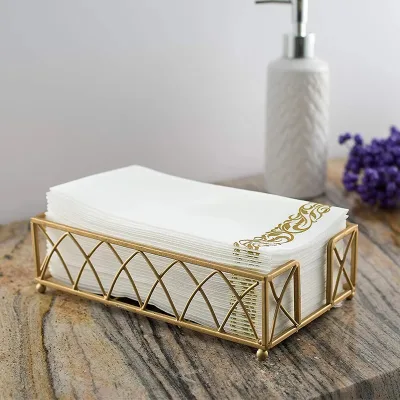
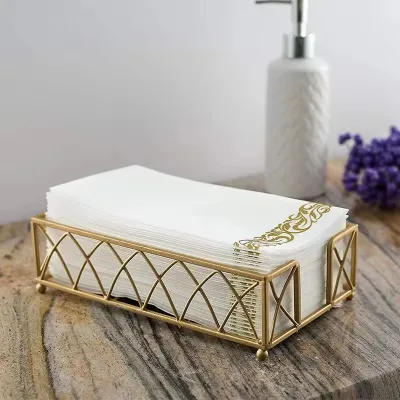
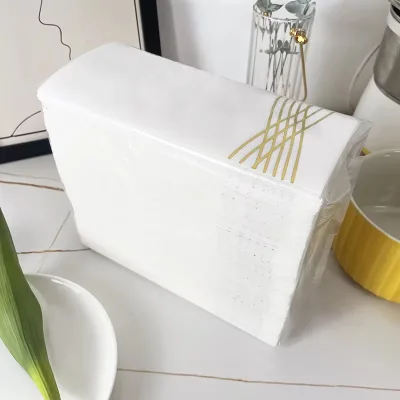
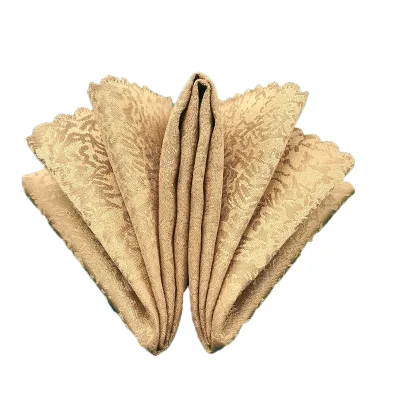
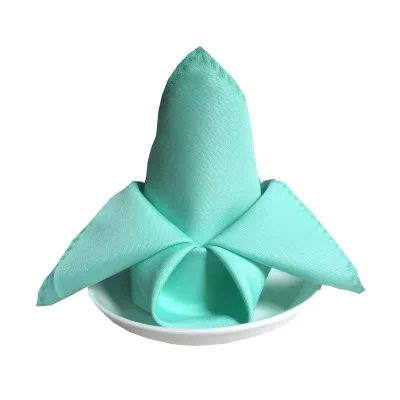
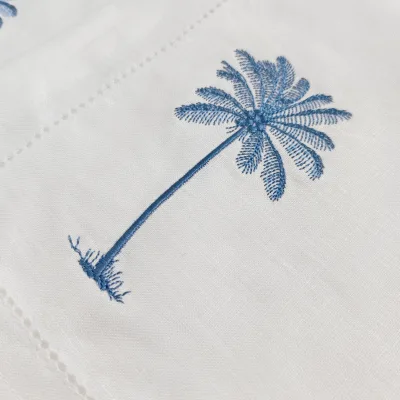
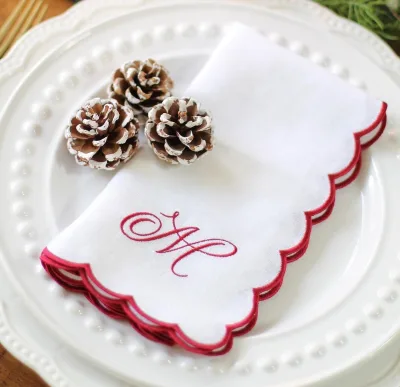
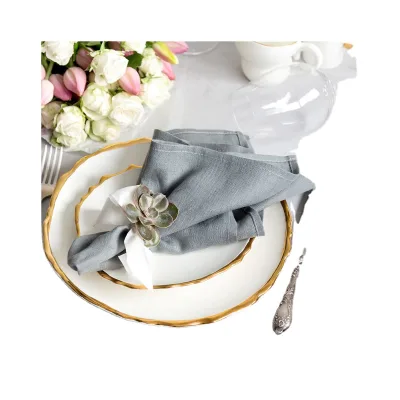
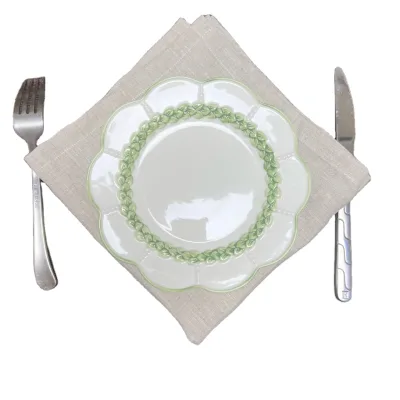
Green Series Cloth Dinner Table Napkins Wedding Table Decoration Fabric Napkin
$0.28 - $0.40
MOQ: 1000 pieces
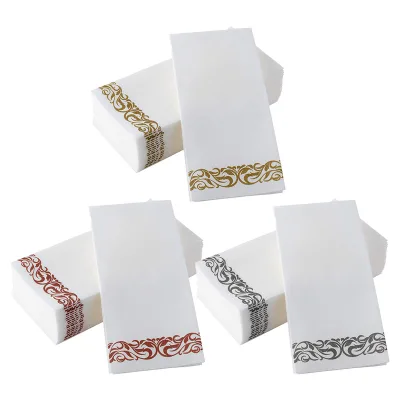
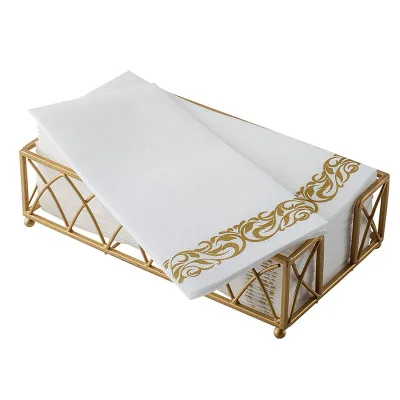
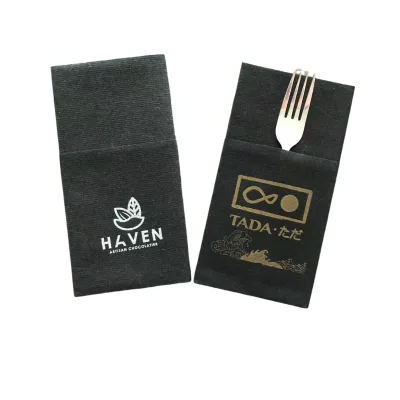
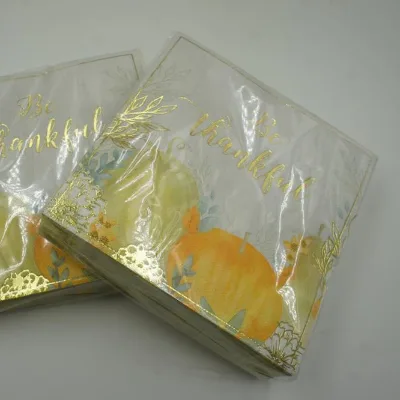
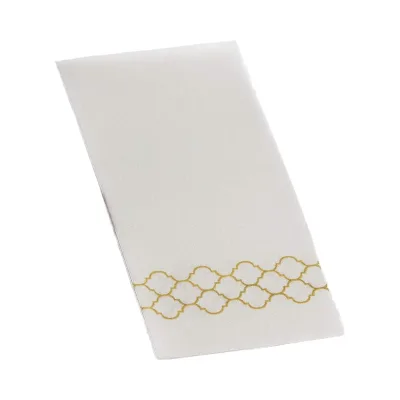
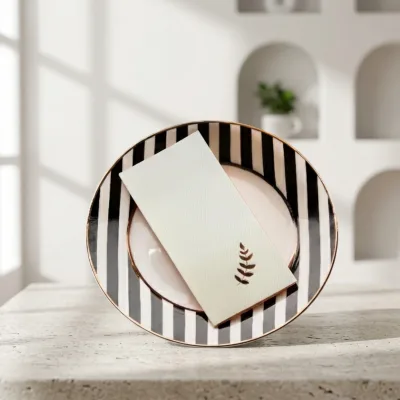



High Quality White Disposable Dinner Paper Napkins with Gold Stamping Logo
$0.01 - $0.60
MOQ: 100000 Pieces


Comprehensive Sourcing Guide
Strategic Sourcing Guide for Luxury Rose Gold Dinner Napkins
Defining Product Specifications and Material Composition
When sourcing luxury rose gold dinner napkins, the primary objective is to align aesthetic requirements with functional durability. The market offers a diverse range of specifications, necessitating a clear definition of what constitutes a "luxury" offering in the context of B2B procurement. Based on available product data, the material composition is a critical differentiator. Buyers may encounter options constructed from polyester/spandex blends, which offer significant stretch and recovery properties, or virgin wood pulp variants, which are typically associated with disposable, high-absorbency applications. For a luxury dining experience, the polyester/spandex blend is often preferred for its ability to maintain a crisp, elegant drape and resist wrinkling during service. The "rose gold" attribute is frequently achieved through specific dyeing techniques or wave gold stamping processes, as observed in listings that distinguish between solid colors and patterned finishes like "Rose gold wave gold stamping."
The physical dimensions of the napkin are equally vital for defining the product's suitability. Specifications vary widely, with common sizes including 40x30 cm, 43x30 cm, and 60x60 cm. The "Regular size or customized" option allows buyers to tailor dimensions to specific table settings, though standard square formats like 60x60 cm are prevalent for formal dining. The shape is another variable, with suppliers offering round, square, or rectangular cuts. The weight of the material, measured in grams per square meter (gsm), serves as a proxy for quality; a listing indicates a weight of 55gsm for certain disposable variants, whereas reusable luxury napkins typically require a higher density to ensure they do not tear or become translucent when wet. Buyers must verify the specific gsm of their target product to ensure it meets the tactile expectations of high-end hospitality environments.
Technical Attributes and Aesthetic Customization
The visual presentation of the napkin is paramount for luxury applications. The "rose gold" finish is not merely a color choice but a specific aesthetic treatment that can be achieved through various methods. Product attributes indicate the availability of "Plain Dyed" and "Printed" patterns, as well as specific stamping techniques like "wave gold stamping." This distinction is crucial because gold stamping often implies a metallic sheen that catches light, enhancing the perceived value of the table setting. The color palette extends beyond rose gold to include gold, silver, and black, but the specific "Rose gold" hue must be verified against physical samples to ensure it matches the intended design scheme.
Customization is a significant driver in this sector. Many suppliers offer "Customized Logo" and "Customized Color" options, allowing brands to integrate their identity directly into the tableware. The "Logo printing" feature is explicitly noted as available, suggesting that embossing, screen printing, or heat transfer methods can be employed. However, the technical feasibility of these processes depends on the base material. For instance, printing on a polyester/spandex blend may yield different results compared to virgin wood pulp. The "technics" of production, such as "crocheted" or "Other" methods, also influence the final texture. A crocheted finish might offer a rustic, artisanal luxury look, while a plain dyed finish provides a sleek, modern elegance. Buyers should request samples to evaluate the consistency of the gold stamping and the clarity of any logo application, as these details define the premium nature of the product.
Compliance, Safety, and Certification Verification
In the B2B procurement of tableware, particularly items intended for food contact or high-traffic hospitality use, compliance and safety are non-negotiable. While specific certification names are not universally listed in the provided data, buyers must rigorously verify that products meet the regulatory standards of their target market. For napkins made from virgin wood pulp, compliance with food safety standards regarding chemical migration and fiber purity is essential. For polyester/spandex blends, verification of textile safety standards, including restrictions on harmful dyes and finishes, is required.
The "Eco-Friendly" attribute observed in some product listings suggests that certain suppliers may adhere to sustainable manufacturing practices or use biodegradable materials. However, this claim requires substantiation. Buyers should request documentation proving the eco-friendly status, such as third-party test reports or certifications from recognized bodies. Similarly, the "Disposable" feature implies a specific usage lifecycle; if a product is marketed as disposable, it must be safe for single-use without leaching harmful substances. The "Durable" attribute, often paired with "Comfortable," indicates a product designed for repeated use, which necessitates different durability testing protocols compared to disposable items.
Buyers must also consider the "place of origin" as a factor in compliance. Products originating from regions like Jiangsu, Zhejiang, or general China manufacturing hubs are common, but the specific factory's adherence to international standards varies. It is the buyer's responsibility to audit the supplier's quality management systems. Key areas to verify include the absence of heavy metals in the gold stamping, the use of approved food-contact materials, and the safety of the dyeing processes. Without explicit certification data in the product listing, the procurement strategy must include a pre-shipment inspection protocol to ensure that the goods meet the required safety thresholds.
Cost Drivers and Economic Considerations
The pricing of luxury rose gold dinner napkins is influenced by a complex interplay of material costs, production complexity, and order volume. The observed price range in the market spans from $0.01 to $5.00 USD, a wide variance that reflects differences in material quality, customization levels, and order quantities. The "MOQ" (Minimum Order Quantity) is a significant cost driver, with listings showing ranges from 1 piece to 100,000 pieces. A single-piece order may carry a premium unit cost due to setup fees and lack of economies of scale, whereas bulk orders of 1,000 pieces or more can significantly reduce the per-unit price.
Material selection is another primary cost factor. Virgin wood pulp napkins may have different cost structures compared to polyester/spandex blends, depending on raw material market fluctuations. The "rose gold" finish, particularly if achieved through gold stamping or specialized dyeing, adds to the production cost. Customization, such as adding a "Customized Logo" or specific "Customized Color," also incurs additional charges for tooling, setup, and quality control. The "Packing" method, such as 500 pieces per carton, affects logistics costs; inefficient packing can increase shipping expenses.
Buyers should analyze the total cost of ownership, not just the unit price. A lower-priced napkin that requires frequent replacement due to poor durability may cost more over time than a higher-priced, durable option. The "Selling Units" being listed as "Single item" suggests flexibility for small buyers, but the "MOQ" of 1,000 pieces indicates that bulk pricing is the standard for commercial procurement. Understanding these economic drivers allows buyers to negotiate effectively and select the right balance between cost and quality for their specific operational needs.
Typical Applications and Usage Scenarios
The versatility of luxury rose gold dinner napkins makes them suitable for a wide array of applications. The product attributes explicitly list "Home," "Airplane," "Restaurant," "Wedding," "Hotel," and "Banquet" as primary use cases. In the hospitality sector, such as hotels and restaurants, the napkin must withstand frequent washing and high-traffic use while maintaining its aesthetic appeal. The "Durable" and "Comfortable" attributes are particularly relevant here, ensuring that the napkin provides a premium feel to guests without tearing or fading.
For event-based applications like weddings and banquets, the aesthetic impact is paramount. The "Rose gold" color, often associated with elegance and modern luxury, fits seamlessly into contemporary wedding themes. The "Plain Dyed" or "Printed" patterns can be selected to match specific color schemes. The "Disposable" nature of some variants makes them ideal for large-scale events where laundering logistics are impractical, while the "Reusable" polyester/spandex options are better suited for high-end venues that prioritize sustainability and long-term value.
The "Airplane" application highlights the need for compactness and ease of handling. In this context, the "Single package size" and "Single gross weight" become critical factors for logistics and storage efficiency. The "Dust-free" attribute mentioned in some listings is particularly relevant for travel and aviation, where hygiene and cleanliness are paramount. Buyers must match the product specifications to the specific environment; a napkin designed for a home setting may not possess the durability required for a commercial airline, and vice versa.
Supplier Evaluation and Quality Control Protocols
Selecting the right supplier is critical to ensuring the quality and consistency of luxury rose gold dinner napkins. The market features various brand names, such as "IDO," "Bonvan," and "Huaao," each potentially offering different levels of quality and service. Buyers should evaluate suppliers based on their ability to meet the specific technical and aesthetic requirements of the order. Key evaluation criteria include the supplier's experience with "Customized Logo" and "Customized Color" projects, their production capacity, and their quality control processes.
Quality control should be implemented at multiple stages of the procurement process. Pre-production samples are essential to verify the "rose gold" color accuracy, the quality of the "wave gold stamping," and the overall finish. During production, in-process inspections can catch issues related to "Plain Dyed" consistency or "Printed" pattern alignment. Post-production inspections should focus on packaging integrity, ensuring that the "500 Pcs/ Carton" packing is secure and that the "Single gross weight" matches the declared specifications.
Buyers should also assess the supplier's flexibility regarding "is_customized" requests. The ability to produce "Regular size or customized" dimensions and shapes demonstrates a supplier's capability to adapt to unique client needs. Additionally, verifying the "place of origin" can provide insights into the supplier's logistical capabilities and potential lead times. A supplier located in Jiangsu or Zhejiang, China, may have established supply chains for specific materials, but the buyer must confirm that the specific factory meets their quality standards.
Long-Term Procurement and Relationship Management
Sourcing luxury rose gold dinner napkins is not a one-time transaction but a long-term relationship that requires strategic planning. Buyers should consider the scalability of their orders, ensuring that the supplier can handle increased volumes as their business grows. The "MOQ" flexibility, ranging from 1 piece to 100,000 pieces, suggests that suppliers can accommodate both initial test orders and large-scale production runs. However, buyers must negotiate terms that allow for volume discounts and consistent pricing over time.
Sustainability and environmental responsibility are becoming increasingly important in long-term procurement. The "Eco-Friendly" attribute observed in some products indicates a growing market trend towards sustainable tableware. Buyers should prioritize suppliers who can demonstrate a commitment to environmental standards, whether through the use of recycled materials, energy-efficient manufacturing, or biodegradable packaging. This alignment with sustainability goals can enhance the buyer's brand reputation and appeal to environmentally conscious consumers.
Finally, maintaining open communication with the supplier is essential for managing expectations and resolving issues promptly. Regular quality audits, feedback loops, and collaborative product development can strengthen the partnership. By focusing on technical specifications, compliance, cost efficiency, and long-term value, buyers can secure a reliable supply of luxury rose gold dinner napkins that meet the highest standards of quality and aesthetics.
FAQs
What materials are used for luxury rose gold dinner napkins?
Luxury rose gold dinner napkins are commonly made from polyester/spandex blends or virgin wood pulp. Polyester/spandex offers durability and a crisp drape, while virgin wood pulp is typically used for disposable, high-absorbency applications in hotels and restaurants.
Can I customize the logo and color of these napkins?
Yes, suppliers offer customized logo printing and customized color options for these napkins. Buyers can request specific colors like rose gold wave gold stamping or plain dyed finishes, with some vendors allowing regular sizes or fully customized dimensions.
What are the standard sizes available for these napkins?
Standard sizes include 40x30 cm, 43x30 cm, and 60x60 cm, with options for regular or customized dimensions. Some listings specify square, rectangular, or round shapes to suit different table settings for weddings, homes, or commercial venues.
How much is the minimum order quantity for these napkins?
Minimum order quantities vary significantly, ranging from 1 piece to 100,000 pieces depending on the supplier. Some vendors list an MOQ of 1000 pieces, while others allow single item purchases, though bulk orders typically yield better pricing.
Where are these napkins manufactured?
These napkins are primarily manufactured in China, with specific origins noted in Jiangsu and Zhejiang provinces. Buyers should verify the specific factory location as it may impact shipping times and compliance with regional safety standards.
Are these napkins suitable for airplane and hotel use?
Yes, these napkins are explicitly listed for use in airplanes, hotels, restaurants, and weddings. They are designed to be durable and comfortable, with some variants offering dust-free properties suitable for travel and high-traffic hospitality environments.