Source Luxury Spanish Cedar Cigar Humidor for storage, display, and travel
Explore 30 Luxury Spanish Cedar Cigar Humidor options with varying capacities and designs. Buyers can compare specifications, materials, and customization features from verified suppliers in Guangdong, China.
Key considerations
Products List
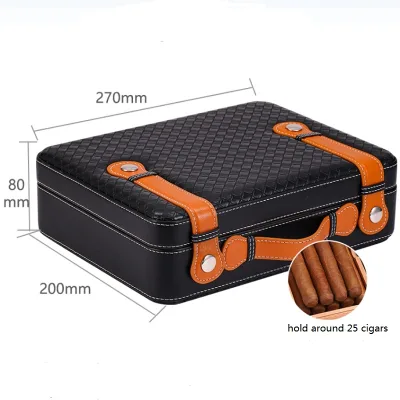
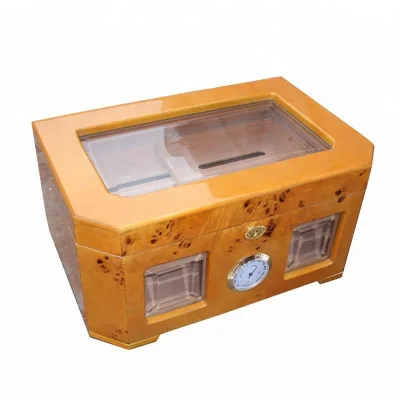
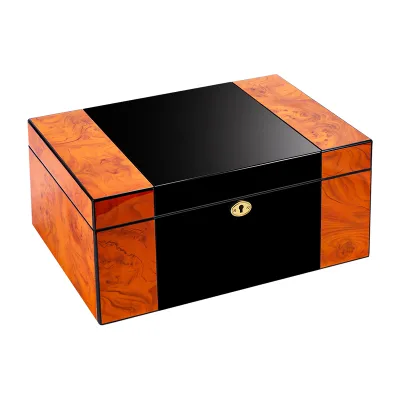
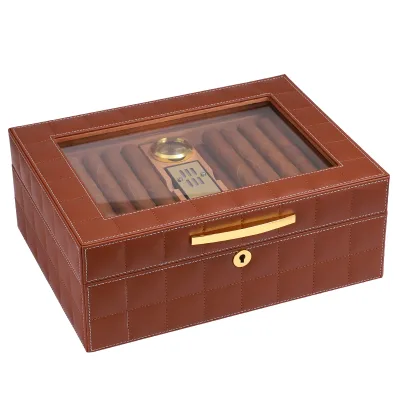
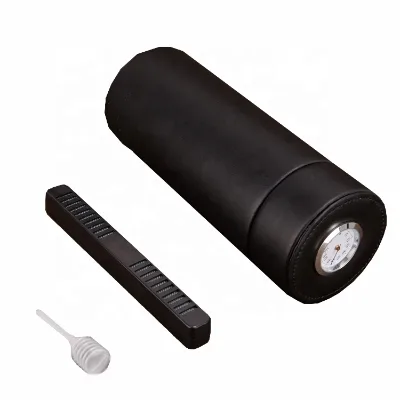
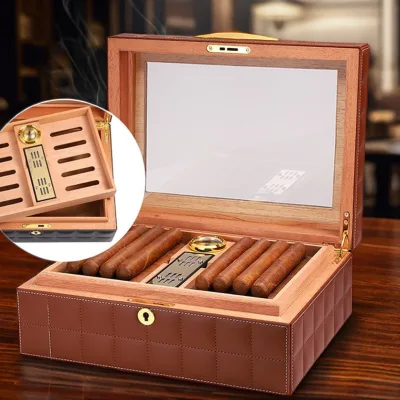
OEM High-End Leather Wrapped Wooden Humidor Box Premium Cigar Storage Solution
$51.17 - $56.29
MOQ: 300 pieces


Customized Luxury Design Wooden Cigar Humidor Storage Box Cedar Cigar Box
$10.43 - $10.86
MOQ: 300 Pieces


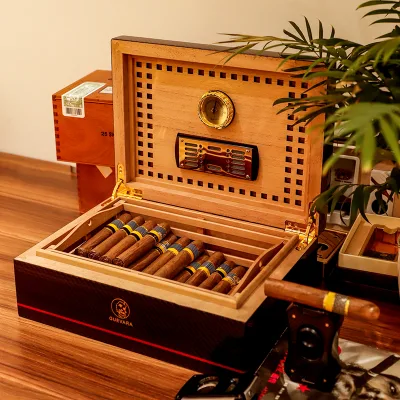
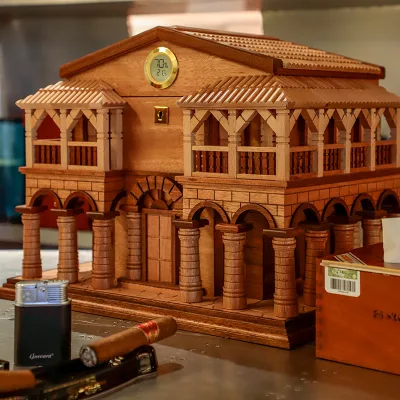
Luxury Cedar Wood Handmade Engraving Cigar House 3 Layers Cigar Wooden Box
$652.91 - $690.78
MOQ: 2 boxes
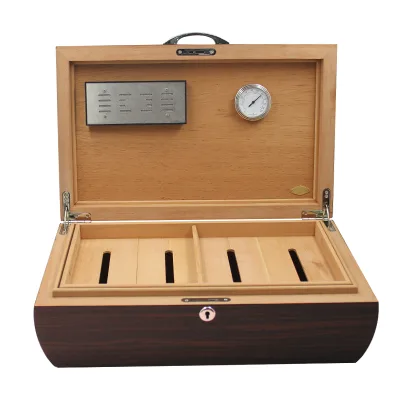
High Inquiry Special Price Large Capacity Desktop Cigar Cedarwood Humidor Boxes
$140.00 - $145.00
MOQ: 1 boxes
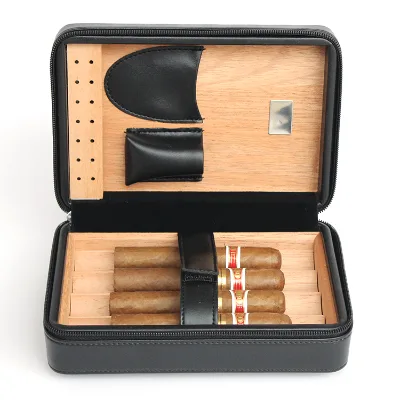
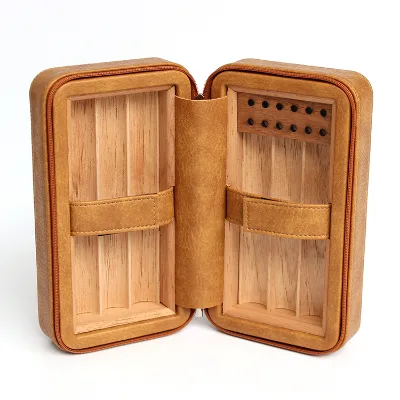
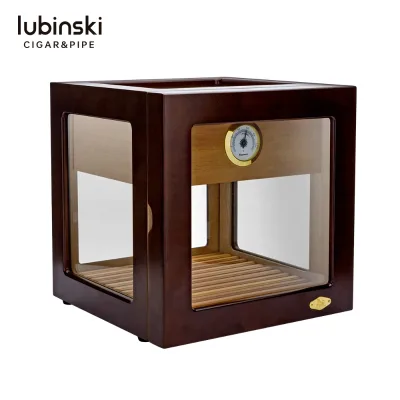
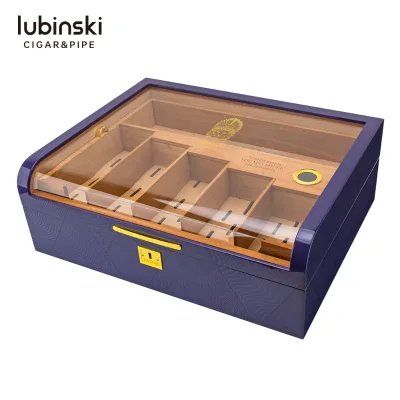
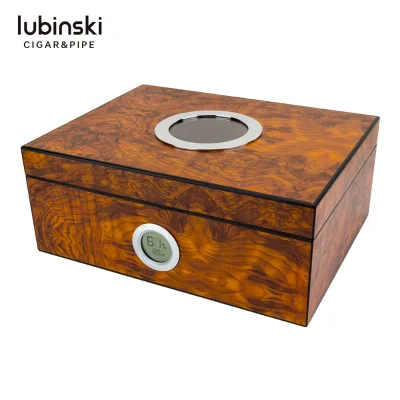


Customized Luxury Design Wooden Cigar Humidor Storage Box Cedar Cigar Box
$10.00 - $35.00
MOQ: 200 Pieces


Luxury Custom Wooden Cigar Box Handmade Cigar Humidor with Metal Lock and Logo
$15.00 - $19.00
MOQ: 100 Pieces


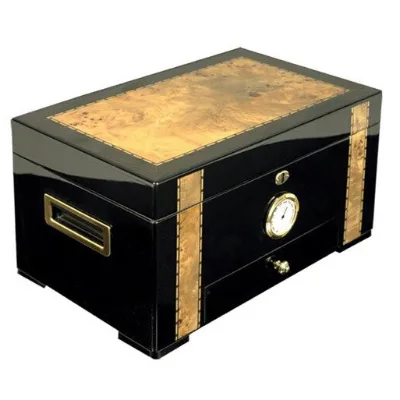
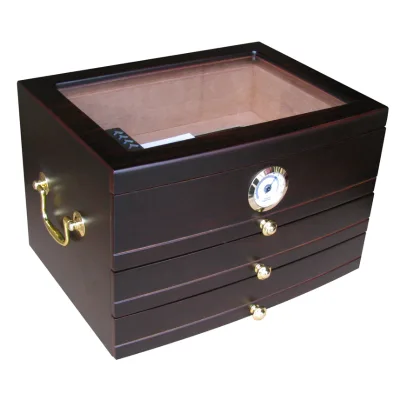
Comprehensive Sourcing Guide
Strategic Sourcing Guide for Luxury Spanish Cedar Cigar Humidors
Understanding the Core Product Architecture
The luxury cigar humidor market demands a precise synthesis of aesthetic elegance and functional preservation. At the heart of this category lies the specific requirement for Spanish cedar, a material renowned for its ability to regulate humidity and impart a subtle, desirable aroma to stored tobacco. When sourcing a "Luxury Spanish Cedar Cigar Humidor," buyers must distinguish between products that merely claim cedar usage and those that integrate it structurally. The supplied data indicates a clear divergence in material specifications among available units. While some listings explicitly identify "Cedar Wood" as the primary material, others describe surfaces as "cedar veneer" or utilize alternative woods like "ebony wood grain" or general "wood" with "wood grain" finishes.
This distinction is critical for procurement strategy. A true luxury humidor intended for long-term aging of premium cigars typically requires a solid cedar interior or a high-density veneer that ensures the wood's natural oils are in direct contact with the air inside the box. The observed product attributes reveal a "Cabinet" shape with varying capacities, ranging from 25 to 100 cigars. This suggests that the sourcing strategy must align the physical dimensions of the unit with the intended inventory volume. For instance, a unit with a capacity of 100 cigars generally presents a larger footprint, with observed dimensions reaching 375245180 mm, whereas smaller units for 25 cigars measure approximately 27020080 mm. Buyers must verify that the "Spanish cedar" designation applies to the internal lining or the primary construction, rather than being a superficial marketing term applied to a veneer over a different core material.
Technical Specifications and Dimensional Analysis
Precision in technical specifications is paramount when evaluating luxury storage units. The physical dimensions of the humidor directly impact its portability, storage requirements, and internal air volume. The provided data highlights a significant variance in single package sizes, ranging from 30X22X10 cm for compact models to 41X30X21 cm for larger, multi-layered units. These external dimensions are essential for calculating shipping costs and determining the necessary warehouse or display space.
Furthermore, the weight of the unit is a key indicator of build quality and material density. The observed single gross weights vary from 1.600 kg for smaller, perhaps lighter-wood or veneer-heavy models, to 5.000 kg for the largest units. A heavier unit often suggests the use of solid wood construction rather than hollow composites, which contributes to better thermal mass and humidity stability. The "Single gross weight" of 5kg for a 100-cigar capacity unit implies a robust construction, likely utilizing thick cedar panels.
Buyers should also scrutinize the "Single package size" relative to the "Size" of the product itself. The difference between the product dimensions and the package dimensions indicates the amount of protective padding used. For luxury items, the presence of "white foam" wrapping and "master carton" packaging, as noted in the supply data, is a positive indicator of care during transit. However, the buyer must ensure that the internal packaging does not compress the humidor's structural integrity, particularly if the unit features delicate finishes like "Lacquer" or "PU leather."
Material Integrity and Surface Finishes
The material composition and surface treatment define the luxury status and functional longevity of the humidor. The data presents a spectrum of finishes, including "PU leather," "ebony wood grain," and "wood grain." While "PU leather" offers a sleek, modern aesthetic and durability against scratches, it is often used on the exterior of cabinet-style humidors to contrast with the natural wood interior. The "cedar veneer" mentioned in one specification suggests a cost-effective method of achieving the cedar aroma without the expense of solid cedar throughout the entire structure.
For a true luxury experience, the interior must be lined with authentic Spanish cedar. The exterior finish, whether it is "Black," "Brown," or a custom "burl wood" color, should be evaluated for its resistance to humidity fluctuations. The "Lacquer" technique observed in the data is a standard high-gloss finish that provides a barrier against moisture, but it must be applied evenly to prevent peeling or cracking in high-humidity environments. The "Morden Luxury" and "Luxury" design styles noted in the attributes suggest that the aesthetic should be minimalist yet opulent, often featuring "with drawer" configurations or "2 layers" of storage to maximize organization.
Buyers must verify the specific type of wood used for the exterior. If the listing claims "ebony wood grain," it is essential to confirm whether this is a real wood veneer or a printed laminate. Real wood grain adds significant value and authenticity, whereas printed laminates may degrade over time. The "Customized logo" and "Color: can be customized" options allow for brand integration, but the customization process should not compromise the structural integrity of the wood or the quality of the cedar lining.
Cost Drivers and Pricing Dynamics
The pricing for luxury cigar humidors is influenced by a complex matrix of material costs, craftsmanship, and customization levels. The observed price range of 8 to 690.78 USD indicates a vast disparity in product tiers. The lower end of the spectrum likely corresponds to smaller units, those with veneer interiors, or those with simpler finishes. Conversely, the higher price points are associated with larger capacities, solid cedar construction, and intricate design elements like "Handmade" features or "Morden Luxury" aesthetics.
The "Handmade" attribute is a significant cost driver. Handcrafted humidors often command a premium due to the labor-intensive nature of joinery, finishing, and the careful selection of wood grain patterns. The "Sample Time" of "Within 20 days" suggests that these units are often produced on a made-to-order basis rather than held in mass inventory, which can impact the final cost due to the lack of economies of scale for small batches.
Additionally, the "OEM/ODM: Acceptale" status implies that buyers can request custom branding and design modifications. These customizations invariably increase the unit cost and may require a higher Minimum Order Quantity (MOQ). The observed MOQ range of 1 to 500 units allows for flexibility, but buyers should be aware that the lowest prices are often reserved for bulk orders, while single-item purchases ("Selling Units: Single item") may carry a higher per-unit cost. The "Payment" methods listed, including "PAYPAL," "TT," and "WESTEN UNION," indicate standard international trade practices, but buyers should negotiate terms that protect their investment, especially for high-value custom orders.
Supplier Evaluation and Operational Verification
Evaluating a supplier for luxury cigar humidors requires a focus on their ability to maintain consistency in material quality and craftsmanship. The "place of origin" is listed as "Guangdong, China," a region known for a robust manufacturing ecosystem for wooden goods and leather accessories. However, the presence of a specific location does not guarantee uniform quality; buyers must assess the supplier's specific track record with cedar products.
Key verification steps include requesting physical samples to test the "cedar veneer" or "Cedar Wood" authenticity. The sample should be inspected for the presence of the characteristic cedar scent and the absence of chemical odors that might taint the cigars. The "Sample Time" of 20 days is a reasonable expectation for custom or semi-custom items, but buyers should confirm if rush options are available for urgent procurement needs.
The "Model number" variations, such as "HCH-124," "HCH-078," and "HCH-070," suggest a catalog of distinct designs. Buyers should ensure that the supplier can consistently reproduce the specific model selected, particularly if the order involves multiple units. The "Customized logo" feature requires a clear understanding of the supplier's capabilities in branding, including the methods used for logo application (e.g., engraving, embossing, or printing) and the durability of the logo under humidity conditions.
Quality Control and Compliance Protocols
Quality control in the luxury humidor sector extends beyond visual inspection to include functional testing of the sealing mechanism and humidity retention. While the provided data does not list specific certification standards, buyers should insist on compliance with relevant international safety and environmental standards. For wooden products, this often includes checks for formaldehyde emissions and the use of non-toxic finishes, especially since the interior will be in direct contact with consumable tobacco products.
The "Surface" treatments, such as "PU leather" and "Lacquer," must be tested for adhesion and resistance to moisture. A common failure point in humidors is the separation of the lining or the warping of the wood due to improper sealing. Buyers should verify that the "Package" includes adequate protection, such as "white foam" and "carton box," to prevent damage during shipping. The "Single gross weight" data can also serve as a quality control metric; significant deviations from the stated weight in a batch of units may indicate inconsistent material density or missing components.
Furthermore, the "Usage: Cigar Tobacco Storage" specification implies that the product must meet the functional requirements of a humidor. This includes the ability to maintain a stable relative humidity, typically between 65% and 75%. Buyers should request test results or performance data demonstrating the unit's ability to retain moisture over time, although specific test results are not currently provided in the source data.
Long-Term Procurement and Strategic Considerations
Sourcing luxury cigar humidors is a long-term investment that requires careful planning for inventory management and supply chain resilience. The "Capacity" of the units, ranging from 25 to 100 cigars, dictates the storage strategy for the buyer's own inventory. A mix of different capacities may be necessary to cater to diverse customer needs or storage environments. The "Style" variations, such as "with drawer" or "2 layers," offer additional organizational benefits that can enhance the user experience and justify a higher price point.
Buyers should also consider the lifecycle of the product. Luxury humidors are often expected to last for decades, making the durability of the materials and the craftsmanship of the joinery critical. The "Handmade" nature of some units suggests a higher level of care in construction, but it also means that replacement parts or repairs may be more difficult to source if the supplier relationship ends. Establishing a strong partnership with a supplier who offers "OEM/ODM" services can ensure a steady supply of custom-branded units that align with the buyer's brand identity.
Finally, the "Payment" terms and "MOQ" flexibility should be negotiated to align with the buyer's cash flow and sales projections. The ability to order single items or small batches allows for market testing, while larger orders can secure better pricing. By carefully analyzing the technical specifications, material integrity, and supplier capabilities, buyers can make informed decisions that ensure the procurement of high-quality, luxury Spanish cedar cigar humidors that meet the rigorous standards of the premium tobacco market.
FAQs
What materials are used for luxury cigar humidors?
Materials include solid cedar wood, cedar veneer, and general wood with wood grain finishes. Some units feature PU leather exteriors or ebony wood grain surfaces to ensure durability and aesthetic appeal for long-term storage.
Which capacities are available for these humidor cabinets?
Available capacities range from 25 to 100 cigars depending on the model size. Smaller units hold 25 cigars while larger multi-layer designs accommodate up to 100 cigars for extensive inventory storage needs.
Can the logo and color be customized for these items?
Yes, the logo can be customized and colors like black or brown are available options. Buyers can also request custom colors to match brand identity while maintaining the luxury design style of the product.
How long is the sample time for these wooden humidors?
The sample time is within 20 days for most custom or standard orders. This timeline applies to producing units with specific features like handmade construction or customized branding before bulk shipment.
What is the minimum order quantity for these products?
The minimum order quantity ranges from 1 to 500 units depending on the supplier and customization level. Single item purchases are accepted, but bulk orders may offer different pricing structures for larger volumes.
Where are these cigar humidors manufactured?
These humidors are manufactured in Guangdong, China, a region known for wooden goods production. The origin ensures access to skilled craftsmanship and established supply chains for luxury wooden storage solutions.
How are these humidors packaged for shipping?
Packaging includes white foam wrapping, carton boxes, and master cartons to ensure safety. This method protects the lacquer finish and structural integrity during transit to international destinations.