Source Boom Spider Crane for Narrow Spaces, Construction, and Warehouses
Find and compare 30 Boom Spider Crane models designed for confined spaces, construction sites, and warehouse logistics. Evaluate specifications such as lifting capacity, hydraulic systems, and compact folding designs to select the right equipment for your operational needs.
Key considerations
Products List


Versatile Spider Crane with Customizable Boom Length Options
$22150.00 - $22350.00
MOQ: 1 Pieces
Xuzhou SKPL-LIFT Heavy Industry Machinery Technology Co., Ltd.

High Efficiency Spider Crawler Crane for Heavy Lifting
$22150.00 - $22350.00
MOQ: 1 Pieces
Xuzhou SKPL-LIFT Heavy Industry Machinery Technology Co., Ltd.
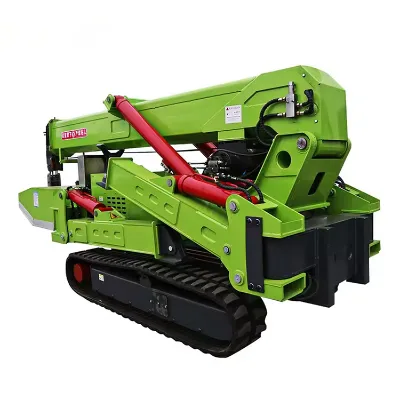
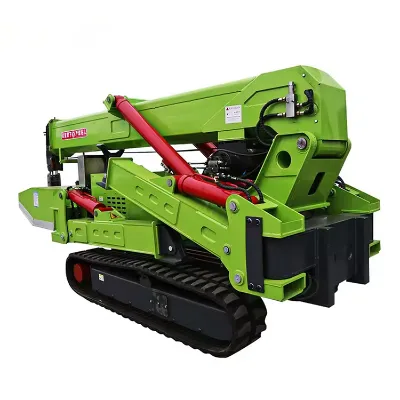
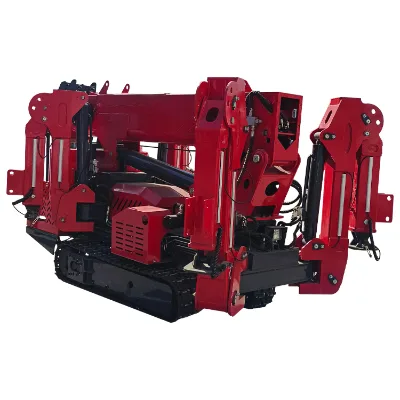


Hot Sale Crane Lifting Equipment 1.5 Ton Mini Spider Crawler Crane
$11800.00 - $11900.00
MOQ: 1 Pieces
Comprehensive Sourcing Guide
Boom Spider Crane Sourcing Guide
Selecting the right Boom Spider Crane requires a careful balance of mechanical capability, spatial constraints, and regulatory compliance. These specialized lifting devices are engineered for environments where traditional cranes cannot operate, offering a compact footprint with significant lifting power. Buyers must navigate a market characterized by diverse configurations, from hydraulic-driven units to electric models, each suited to specific operational needs. Understanding the technical nuances and commercial terms is essential for securing equipment that meets both immediate project demands and long-term safety standards.
The procurement process involves verifying critical attributes such as lifting capacity, reach, and power source against the specific requirements of the job site. With observed listing prices ranging from $2,000 to $90,000 USD, the variance reflects differences in structural design, material grade, and optional features like wireless remote controls or man baskets. Buyers should approach this category with a clear understanding of their operational radius, ground lift requirements, and the nature of the loads being handled to avoid over-specifying or under-performing equipment purchases.
Product Scope and Observed Listing Signals
The market for boom spider cranes encompasses a wide array of models designed for narrow space lifting, indoor confined spaces, and construction work. Observed product names often include specific model identifiers such as MS-WT8.0, CNM-1.2, and SPL30B4, indicating distinct engineering profiles. These machines are typically characterized by a compact structure and foldable style, allowing them to navigate through standard doorways and elevators. The driving type is predominantly hydraulic, providing the necessary torque and control for precise positioning, while some models may offer diesel engine and electric motor power sources for versatile operation in areas with limited electrical infrastructure.
Key performance indicators observed in listings include a rated loading capacity of up to 8 tons, with specific models supporting special weight levels or lower capacities like 1.2 tons. The maximum operating radius can extend to 5.35 meters, and the maximum ground lift may reach 6.3 meters, enabling these cranes to place loads at significant heights and distances from their base. Walking speeds generally range from 0 to 2.5 km/h, ensuring stable movement during lifting operations. Buyers should note that while some listings mention a gradeability of 25 degrees (36%), this capability must be verified against the specific terrain conditions of the intended application to ensure safe operation.
Technical Specifications to Verify
When evaluating technical specifications, the slewing angle is a critical parameter, with many models offering a full 360-degree rotation to maximize coverage area. The hydraulic system pressure, often cited around 20 MPa, directly influences the lifting force and responsiveness of the articulated lift mechanism. Buyers must also consider the crane’s self-weight, which can be approximately 2200 kg, as this affects transport logistics and floor load bearing requirements at the installation site. The voltage requirements, typically AC380V for electric models, must be confirmed to ensure compatibility with the site’s power supply infrastructure.
Additional technical details include the oil tank capacity, which may be around 25 liters for hydraulic systems, and the recommended power output, ranging from 4 kW to 6 kW for electric variants. The start mode is usually electric, contributing to quieter operation and easier maintenance compared to manual starts. Buyers should verify the dimensions of the machine in its folded state, with standard sizes observed around 4950mm x 1560mm x 2235mm or smaller configurations like 2800mm x 825mm x 1600 mm, to ensure it fits within the designated storage and transport spaces. The climbing capacity, noted as 20 degrees in some listings, should be cross-referenced with the site’s slope requirements.
Compliance and Safety Documentation
Safety and regulatory compliance are paramount when sourcing boom spider cranes, particularly for use in workshops, warehouses, and shipboard environments. Listings frequently highlight certifications such as CE, ISO, and RoHS, which indicate adherence to European safety standards and environmental regulations. The presence of GS certification in some contexts suggests additional safety testing for consumer or industrial goods in specific markets. Buyers must request valid certification documents from suppliers to ensure that the equipment meets the legal requirements of the destination country, as these standards can vary significantly between regions.
Beyond certifications, safety features such as explosion-proof and insulating properties are available for specialized applications, such as chemical plants or hazardous environments. Optional accessories like torque limiters and fly jibs can enhance operational safety by preventing overload and extending reach without compromising stability. Buyers should verify that the video outgoing-inspection is provided, allowing for a visual check of the machine’s condition before shipment. This step is crucial for identifying any manufacturing defects or damage that may have occurred during production or packaging.
Cost Drivers and Commercial Terms
The cost of a Boom Spider Crane is influenced by several factors, including the lifting capacity, material quality, and the inclusion of optional features. Models with higher rated loading capacities, such as the 8-ton variant, will naturally command a higher price than those with lower capacities like 1.2 tons. The power source also plays a role, with diesel-electric hybrid systems potentially costing more than purely electric models due to the complexity of the engine and motor integration. Buyers should consider the total cost of ownership, including maintenance, spare parts availability, and energy consumption, rather than just the initial purchase price.
Commercial terms such as MOQ (Minimum Order Quantity) and lead times are critical for planning procurement schedules. Observed MOQs are often set at 1 unit, allowing for flexible purchasing for individual projects or small fleets. The warranty period, typically 1 year, provides a baseline for manufacturer support, but buyers should negotiate extended warranty options if available. Packaging methods, ranging from wooden crates to bubble film and iron pallets, can impact shipping costs and insurance premiums, so these details should be clarified in the contract to avoid unexpected expenses.
Supplier Qualification and Quality Control
Supplier qualification involves assessing the manufacturer’s ability to deliver consistent quality and support. Buyers should verify the place of origin, with Shandong, China, being a common hub for this type of machinery, indicating a concentration of specialized manufacturing expertise. OEM and ODM support is often available, allowing for customization of logos and colors, which can be beneficial for branding or fleet uniformity. However, buyers must ensure that customizations do not compromise the structural integrity or safety certifications of the crane.
Quality control measures should be explicitly defined in the procurement agreement. This includes requesting detailed inspection reports and video evidence of the machine’s functionality before dispatch. Buyers should also inquire about the supplier’s after-sales service capabilities, including the availability of technical support and spare parts. The condition of the product, listed as "New," should be confirmed through serial number verification and physical inspection upon arrival. Establishing a clear communication channel with the supplier for troubleshooting and maintenance guidance is essential for long-term operational success.
Long-Term Procurement Checks
Long-term procurement success depends on the reliability and durability of the Boom Spider Crane over its operational lifespan. Buyers should monitor the performance of key components such as the hydraulic system, articulation joints, and slewing mechanism under various load conditions. Regular maintenance schedules should be established to inspect hoses, seals, and electrical connections, preventing premature wear and potential failures. The availability of replacement parts, such as motors, pumps, and control modules, should be confirmed to minimize downtime during repairs.
Furthermore, buyers should stay informed about updates to safety standards and regulations that may affect the operation of their equipment. As technology evolves, newer models may offer improved efficiency, safety features, or ease of use, making it worthwhile to periodically review the fleet’s performance against current market offerings. Engaging with the supplier for periodic maintenance checks and software updates, if applicable, can extend the life of the crane and ensure it continues to meet operational requirements. Building a strong relationship with the supplier can also facilitate better pricing and priority support for future purchases or expansions.
FAQs
What are the key specifications of the MS-WT8.0 Boom Spider Crane?
The MS-WT8.0 model features a rated loading capacity of 8 tons and a compact structure designed for narrow space lifting. It operates with a hydraulic driven type and includes an articulated lift mechanism. The standard dimensions are 4950mm by 1560mm by 2235mm, ensuring stability in confined areas while maintaining high performance for industrial applications.
Can the Boom Spider Crane be customized for specific branding needs?
Yes, customization is available for branding and operational requirements. Buyers can customize the logo and select from multiple color options including black, yellow, white, red, blue, and green. The product supports OEM and ODM services, allowing for tailored solutions that align with specific corporate identities or safety standards required by the end user.
What certifications do these boom spider cranes typically hold?
These cranes typically hold RoHS, CE, and GS certifications, ensuring compliance with international safety and environmental standards. The ISO certification is also referenced for quality management. These credentials verify that the manufacturing processes and final products meet rigorous regulatory requirements, providing buyers with confidence in the equipment's reliability and legal operability in various global markets.
How is the CNM-1.2 model suited for confined spaces?
The CNM-1.2 model is specifically designed for indoor and confined spaces as well as construction work. It features a compact and foldable style with a maximum operating radius of 5.35 meters. Weighing 2200 kg, it offers a lifting moment of 3.5 ton.meters, making it highly maneuverable and efficient for tight environments where larger cranes cannot operate effectively.
What power sources are available for the SPL30B4 Boom Spider Crane?
The SPL30B4 model utilizes a dual power source system comprising a diesel engine and an electric motor. This flexibility allows operation in various environments, whether indoors with electric power or outdoors with diesel. The recommended power ranges from 4kw to 6kw, ensuring sufficient energy for lifting tasks while maintaining operational efficiency and adaptability for different job site conditions.
What is the warranty period for the new condition boom spider cranes?
The warranty period for these new condition cranes is one year. This coverage applies to the equipment supplied in new condition, providing buyers with assurance regarding the initial operational phase. The warranty supports the reliability of the hydraulic systems and structural components, ensuring that any manufacturing defects are addressed within this timeframe to maintain continuous workflow efficiency.