Source Luxury Square Jewellery Box for Packing, Storage, and Gift
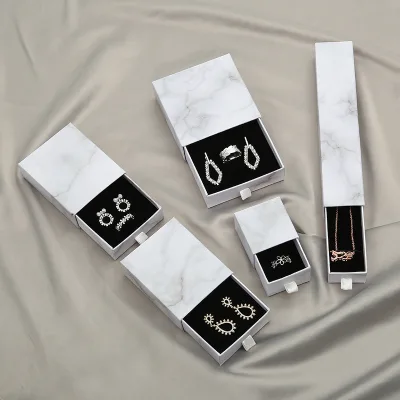
Explore 30 listings for the Luxury Square Jewellery Box designed for packing, storage, and gift collection. Buyers can compare customization options, materials like cardboard, and logo printing methods from verified suppliers.
Key considerations
Products List


Jewelry Box Home Ring Box Earrings Necklace Earrings Storage Jewelry Box
$1.67 - $1.91
MOQ: 100 Pieces


Custom Logo Luxury Cardboard Jewellery Storage Packaging Paper Jewelry Box
$0.20 - $0.50
MOQ: 1000 Pieces


Comprehensive Sourcing Guide
Strategic Sourcing Guide for Luxury Square Jewellery Boxes
The global market for luxury packaging has evolved significantly, with square jewellery boxes representing a dominant segment due to their structural stability and premium aesthetic appeal. For procurement professionals, sourcing these items requires a nuanced understanding of material composition, manufacturing processes, and the specific attributes that define "luxury" in a B2B context. This guide synthesizes available product data and industry standards to provide a disciplined framework for evaluating suppliers and defining technical requirements for luxury square jewellery boxes.
Technical Specifications and Material Composition
The foundation of a luxury jewellery box lies in its material integrity and dimensional precision. Based on observed product attributes, the primary material for these units is typically high-grade paper or cardboard. Specifically, data indicates the use of 1000g cardboard combined with special paper, a specification that ensures the rigidity required to protect delicate items while maintaining a substantial feel. The standard weight for these units is observed to be under 0.5 kg, a critical factor for logistics and shipping cost calculations.
Regarding geometry, the market presents a dichotomy between square and rectangular profiles. While the core keyword specifies "square," observed listings include both square and rectangular shapes. A square configuration is often preferred for its symmetrical presentation, which aligns with the "Luxury" style attribute frequently cited in product descriptions. The dimensions vary, with specific models adhering to standards such as 505040mm, while others offer customized sizing to accommodate unique jewellery sets. Buyers must verify that the internal dimensions align with the specific items they intend to house, as the "Small" and "Medium" size categories observed in the market suggest a need for precise sizing rather than a one-size-fits-all approach.
The internal structure is equally vital. High-end units frequently incorporate foam and velvet inner trays. This combination serves a dual purpose: the foam provides cushioning to prevent movement and scratching, while the velvet offers a soft, tactile surface that enhances the perceived value of the jewellery. The "Insert" attribute is often customizable, allowing buyers to tailor the internal layout to specific product shapes, such as rings, necklaces, or earrings.
Surface Finishing and Branding Capabilities
Visual presentation is the primary differentiator in the luxury segment. The surface handling of these boxes relies heavily on advanced printing and finishing techniques. Observed data highlights a robust suite of logo craft options, including hot stamping, silk screen, embossing, and UV printing. Hot stamping, in particular, is a hallmark of luxury packaging, often used to apply metallic foils that create a shimmering effect on the cardboard surface.
The "Offset Printing" process is also noted as a standard method for applying full-color graphics. This technique allows for high-fidelity reproduction of brand logos and intricate patterns. Furthermore, the "With Logo Printing" attribute confirms that branding is a standard expectation rather than an optional extra. Buyers should note that while "Customized" and "OEM" services are widely offered, the specific application method (e.g., embossed vs. UV) must be explicitly defined in the technical specification sheet to ensure the desired tactile and visual outcome. The "Luxury" style attribute is inextricably linked to these finishing techniques; a box lacking these high-end surface treatments may fail to meet the premium positioning required for high-value jewellery.
Compliance, Certification, and Standards Verification
In the realm of sustainable and safe packaging, compliance is a critical due diligence step. While the provided data does not explicitly confirm certification status for all units, the "FSC" (Forest Stewardship Council) certification is noted in background knowledge as a relevant industry standard. Buyers should actively verify if their potential suppliers hold FSC certification, particularly if they are sourcing from regions where environmental regulations are tightening.
Product standards vary significantly between models. Some listings cite specific dimensional standards like 505040mm, while others refer to "Customized" standards or internal quality control measures. The "inner quality control" standard mentioned in specific product data suggests that manufacturers may have proprietary testing protocols. However, buyers should not assume that a specific numerical standard applies universally. Instead, the procurement strategy should involve requesting a copy of the supplier's quality control checklist and verifying that the physical product matches the agreed-upon standard dimensions and material thickness.
Additionally, the "Standard Export Carton" packing method is observed for bulk shipments, ensuring that the individual boxes are protected during transit. The packing dimensions of 404040cm are noted for specific models, which is essential for calculating container load efficiency. Buyers must confirm that the export packaging meets the destination country's import requirements regarding wood treatment and material composition.
Cost Drivers and Pricing Dynamics
The pricing of luxury square jewellery boxes is influenced by a complex interplay of material costs, customization levels, and order volume. The observed price range in the market spans from $0.01 to $64.20 USD, a wide variance that reflects the difference between basic stock items and highly customized luxury units. The lower end of this spectrum likely corresponds to simple, unbranded cardboard boxes, while the upper end encompasses units with complex velvet inserts, gold foil stamping, and bespoke dimensions.
A primary cost driver is the "MOQ" (Minimum Order Quantity). Data indicates a range from 50 to 5000 units, with specific models requiring an MOQ of 1000 pieces. Higher customization, such as unique inserts or specific logo placements, often necessitates higher MOQs to amortize the setup costs of printing plates and tooling. The "Bulk Lead Time" is another critical cost factor, as it is "Will Be Confirmed by Quantity." Longer lead times can impact cash flow and inventory planning, potentially increasing the total cost of ownership if expedited shipping is required.
Buyers should also consider the cost of samples. The "Samples Lead Time" is typically 3-5 days, which is relatively fast. However, the cost of these samples, which often includes the premium for custom tooling, should be factored into the initial budget. The "Production Time" of about 15 days for bulk orders is a standard benchmark, but this can fluctuate based on the complexity of the surface handling and the availability of raw materials like 1000g cardboard.
Supplier Evaluation and Operational Capabilities
Selecting the right supplier requires a rigorous evaluation of their operational capabilities and geographic location. The majority of observed suppliers originate from China (Mainland), with specific hubs like Guangzhou, Guangdong, noted as production centers. This concentration suggests a mature supply chain ecosystem with access to specialized machinery for offset printing and hot stamping.
When evaluating suppliers, buyers should prioritize those who explicitly offer "Customization" and "OEM" services. The ability to offer "Can Be Custom" inserts and "Customized" sizes is a strong indicator of a flexible manufacturing partner. Furthermore, the "Hand-Made" process noted in some product attributes suggests that certain luxury lines may rely on artisanal craftsmanship, which can be a differentiator for high-end brands. However, buyers must verify if the "Hand-Made" claim applies to the entire unit or just specific decorative elements.
The "Fade ?" attribute, with a "No" response in some data points, indicates a focus on colorfastness. Buyers should request evidence of color retention tests, especially for boxes with UV printing or foil stamping, to ensure the packaging maintains its luxury appearance over time. The "Quality: Best" claim is a common marketing assertion; therefore, it is essential to validate this through physical sample inspection and third-party testing rather than relying on supplier statements alone.
Quality Control and Long-Term Procurement Strategy
Effective quality control (QC) is non-negotiable for luxury packaging. The "inner quality control" standard mentioned in product data implies a systematic approach to defect detection. Buyers should establish a clear QC protocol that includes checks for structural integrity, alignment of printed graphics, and the quality of the velvet and foam inserts. The "Standard Export Carton" packing is a baseline requirement, but for luxury goods, additional protective measures may be necessary to prevent crushing or scuffing during transit.
Long-term procurement considerations involve building a relationship with a supplier who can scale with the brand's growth. The "Bulk Lead Time" being quantity-dependent means that as order volumes increase, the lead time may extend. Buyers should negotiate service level agreements (SLAs) that define maximum lead times for specific volume tiers. Additionally, the "Customized" nature of these products means that design changes can be costly and time-consuming. It is advisable to finalize the design and tooling early in the partnership to minimize future changes.
The "Suitable for: Home" and "Religious Crafts" attributes observed in the data suggest that while the primary use is "Jewelry," the versatility of these boxes allows for broader applications. Buyers should ensure that the supplier can maintain consistency across different product lines if the packaging is to be used for multiple purposes. The "Type: Jewelry Set Box" and "Item: Jewellery Box Design" confirm the primary function, but the ability to adapt the design for "Gift" usage is a valuable secondary feature.
Comparative Analysis of Product Attributes
To facilitate decision-making, the following table summarizes key attributes observed in the market for luxury square jewellery boxes. This comparison highlights the variability in specifications and helps buyers identify the features most relevant to their specific needs.
| Attribute Category | Common Observation | Variability Notes | Procurement Consideration |
|---|---|---|---|
| Material | 1000g Cardboard + Special Paper | Some units use Steel or generic Paper/Card Board | Verify density and rigidity for luxury feel. |
| Shape | Square, Rectangle | "Square" is the keyword, but "Rectangle" is common | Confirm internal dimensions match product shape. |
| Surface Finish | Hot Stamping, UV, Embossing | Offset Printing is standard; specific effects vary | Request physical samples for tactile verification. |
| Internal Insert | Foam + Velvet Inner Tray | "Can Be Custom" is a key feature | Define insert layout to prevent item movement. |
| MOQ | 1000 PCS (Typical) | Range observed: 50 - 5000 | Higher MOQs often correlate with lower unit cost. |
| Lead Time | ~15 Days (Bulk) | Samples: 3-5 Days | Plan inventory buffers for bulk production delays. |
| Origin | China (Mainland) | Specific hubs: Guangzhou, Guangdong | Consider logistics costs and lead time variability. |
| Packing | Standard Export Carton | Dimensions: 404040cm (Specific) | Verify carton strength for heavy or fragile loads. |
Conclusion
Sourcing luxury square jewellery boxes requires a meticulous approach that balances aesthetic requirements with technical specifications and supply chain reliability. The market offers a wide range of options, from basic cardboard boxes to highly customized units with velvet inserts and advanced surface finishes. Buyers must prioritize suppliers who demonstrate flexibility in customization, robust quality control processes, and transparent communication regarding lead times and costs. By focusing on material quality, such as 1000g cardboard, and verifying surface handling techniques like hot stamping, procurement professionals can ensure that the final packaging aligns with the premium positioning of their jewellery brands. The variability in MOQs and lead times necessitates careful planning, but the potential for creating a distinctive and protective packaging solution makes the effort worthwhile. Ultimately, the success of the procurement strategy depends on the ability to translate the abstract concept of "luxury" into concrete, verifiable product attributes.
FAQs
What materials are used for luxury square jewellery boxes?
These boxes typically use 1000g cardboard combined with special paper to ensure rigidity and a premium feel. Some listings also mention steel or generic paper, but high-grade cardboard is the standard for luxury packaging.
Can I customize the inner insert of the jewellery box?
Yes, the inner insert can be customized to fit specific jewellery shapes. High-end units often include foam and velvet inner trays, which provide cushioning and a soft surface to enhance the perceived value of the items.
What is the typical minimum order quantity for these boxes?
The minimum order quantity ranges from 50 to 5000 units, with many models requiring an MOQ of 1000 pieces. Higher customization levels often necessitate higher MOQs to amortize the setup costs for printing plates and tooling.
How long does it take to produce bulk orders?
Bulk production time is typically about 15 days but will be confirmed by the specific order quantity. Sample lead times are faster, usually taking 3 to 5 days, allowing for quick design verification before full-scale manufacturing begins.
Which surface finishing techniques are available for branding?
Available logo crafts include hot stamping, silk screen, embossing, and UV printing. Offset printing is also standard for applying full-color graphics, ensuring high-fidelity reproduction of brand logos and intricate patterns on the cardboard surface.
Where are these luxury jewellery boxes manufactured?
The majority of these products originate from China, with specific production hubs in Guangzhou, Guangdong. Buyers should verify the specific origin location to ensure it aligns with their logistics and import requirements for the destination market.