Source Modern Nordic Ceramic Vase for Home Decor and Gifts
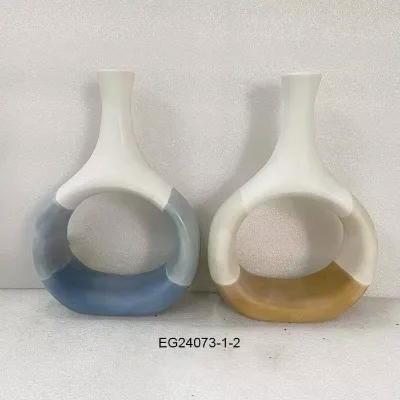
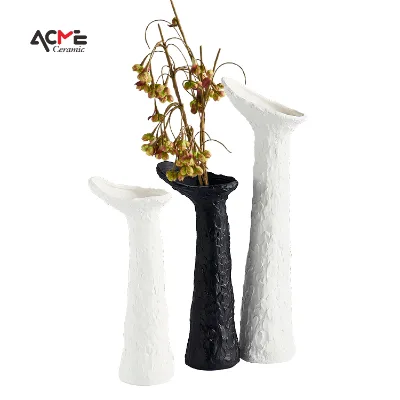
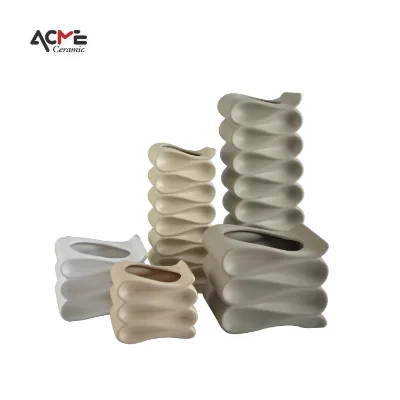
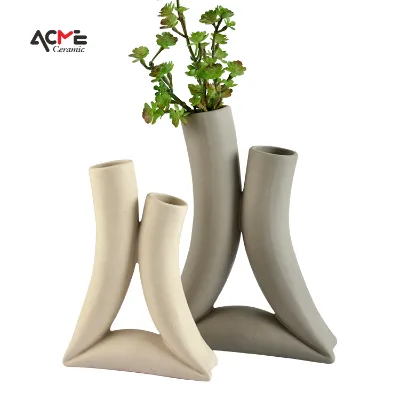
Explore 30 listings of modern nordic ceramic vase options suitable for home decoration, gifts, and collections. Buyers can compare styles, sizes, and customization features from verified suppliers in China; compare the available evidence and request quotations based on your requirements.
Key considerations
Products List




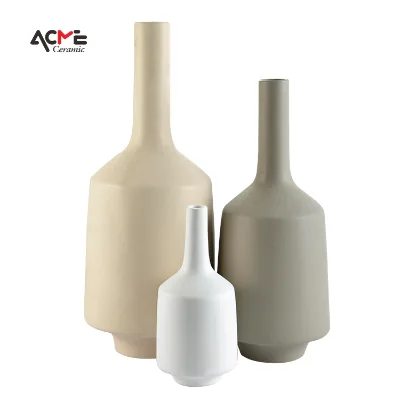
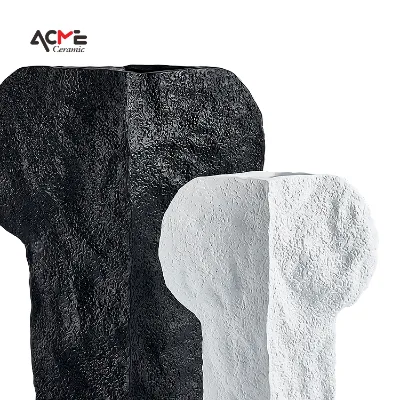


Comprehensive Sourcing Guide
Modern Nordic Ceramic Vase Sourcing Guide
Sourcing modern Nordic ceramic vases requires a nuanced understanding of minimalist design principles and material integrity. These pieces are defined by clean lines, muted earth tones, and functional elegance, making them staples in contemporary home decor. Buyers must distinguish between mass-produced items and artisanal pieces, as the latter often command higher prices due to hand-finished details and unique glaze variations. The aesthetic relies heavily on the interplay between matte and glossy finishes, which can significantly alter the visual weight and texture of the final product.
Procurement teams should prioritize suppliers who demonstrate expertise in both porcelain and stoneware, as these materials offer the durability and refined finish expected in Nordic design. It is crucial to verify that the supplier’s production capabilities align with the specific stylistic requirements, such as the ability to produce subtle color variations or precise geometric forms. Understanding the supply chain’s capacity for customization is equally important, as many buyers seek tailored dimensions or specific glaze colors to match existing interior design schemes.
Product Scope and Observed Listing Signals
The current market landscape for modern Nordic ceramic vases reveals a diverse range of product attributes that buyers must navigate carefully. Observed listings indicate a wide price range, reflecting differences in material quality, production complexity, and brand positioning. Minimum order quantities vary significantly, from small batches suitable for boutique retailers to large volumes for wholesale distributors. This variability suggests that buyers should align their order sizes with their sales velocity and storage capabilities to avoid excess inventory costs.
Key product signals include the use of ceramic and porcelain materials, often finished with color-glazed or transparent coatings. Some listings highlight specific dimensions, such as heights ranging from 13cm to 25cm, which cater to different decorative needs. Buyers should note that customization options are frequently available, allowing for tailored sizes and colors. However, the presence of OEM services does not guarantee immediate stock availability, as many items are produced on demand. Understanding these signals helps in filtering suppliers who can meet specific aesthetic and logistical requirements.
Technical Specifications to Verify
Verifying technical specifications is critical to ensuring that the ceramic vases meet both aesthetic and functional standards. Buyers should confirm the exact dimensions, including diameter and height, as these directly impact the vase’s suitability for specific floral arrangements or display spaces. The finish type, whether matte or gloss, must be explicitly defined in the product specifications, as this affects the visual appeal and tactile experience. Additionally, the glaze type, such as on-glazed or color-glazed, should be verified to ensure consistency across batches and resistance to chipping or fading.
Material composition is another vital specification, with porcelain and ceramic being the primary materials used. Buyers must ensure that the material density and firing temperature meet industry standards for durability. The production process, whether hand-made or machine-blown, influences the final product’s uniqueness and cost. Hand-made items often feature slight variations that add character, while machine-produced items offer uniformity. Clarifying these details with suppliers prevents misunderstandings and ensures that the final products align with the buyer’s quality expectations.
Compliance and Safety Documentation
Compliance and safety documentation are essential for importing ceramic vases, particularly when they are intended for use in homes or commercial spaces. Buyers must ensure that suppliers provide certificates of compliance with relevant food safety standards, even if the vases are primarily decorative, as they may come into contact with water or other substances. Lead-free certification is crucial to prevent contamination, especially if the vases are used for holding flowers with water that might be accessed by children or pets.
Additionally, buyers should request test reports for heavy metal leaching, ensuring that the glazes and pigments used do not contain harmful substances. These tests should be conducted by accredited laboratories to guarantee accuracy and reliability. Documentation regarding the origin of materials and the manufacturing process can also provide insights into the product’s ethical sourcing and environmental impact. Maintaining a complete file of these documents is vital for regulatory compliance and for addressing any potential liability issues in the destination market.
Cost Drivers and Commercial Terms
Understanding the cost drivers behind modern Nordic ceramic vases helps buyers negotiate better terms and manage their budgets effectively. The primary cost factors include material quality, production complexity, and customization requirements. Hand-made items and those with intricate glaze patterns typically incur higher costs due to the labor-intensive processes involved. Buyers should also consider the impact of packaging, as safe carton or pallet packaging adds to the overall cost but is essential for preventing damage during transit.
Commercial terms such as minimum order quantities, payment terms, and lead times significantly influence the total cost of ownership. Suppliers may offer discounts for larger orders, but buyers must balance this with their inventory management capabilities. It is important to clarify whether the quoted prices include shipping and insurance, as these can add substantial costs. Negotiating flexible payment terms, such as partial upfront payments, can help manage cash flow. Understanding these commercial dynamics allows buyers to make informed decisions that align with their financial strategies.
Supplier Qualification and Quality Control
Supplier qualification is a critical step in ensuring the reliability and consistency of modern Nordic ceramic vases. Buyers should conduct thorough due diligence, including verifying the supplier’s business license, production capacity, and quality management systems. Visiting the factory or requesting virtual tours can provide insights into the production environment and the supplier’s commitment to quality. It is also important to assess the supplier’s ability to handle customization requests and their responsiveness to communication.
Quality control measures should be established before production begins, including defining clear acceptance criteria for dimensions, finish, and defects. Buyers should consider implementing pre-shipment inspections to catch any issues before the goods are dispatched. Establishing a robust quality control process helps minimize the risk of receiving substandard products and reduces the likelihood of returns or disputes. Building a strong relationship with the supplier through regular communication and feedback can also enhance the overall procurement experience and ensure long-term partnership success.
Long-Term Procurement Checks
Long-term procurement checks are essential for maintaining the quality and reliability of the supply chain for modern Nordic ceramic vases. Buyers should regularly review supplier performance metrics, including on-time delivery rates, product quality consistency, and responsiveness to issues. Conducting periodic audits or inspections can help identify potential problems early and ensure that the supplier continues to meet agreed-upon standards. This proactive approach helps mitigate risks and maintains the integrity of the product offering.
Additionally, buyers should stay informed about market trends and consumer preferences to ensure that the products remain relevant and competitive. Regularly updating product specifications and designs based on feedback and market analysis can help maintain customer satisfaction. Building a diversified supplier base can also reduce dependency on a single source and provide flexibility in case of supply chain disruptions. By implementing these long-term checks, buyers can sustain a high-quality procurement process and achieve consistent business growth.
FAQs
What materials are used for modern nordic ceramic vase production?
The products are crafted from high-quality ceramic, porcelain, and glass materials. These durable substances ensure longevity and aesthetic appeal for home decoration. The combination of these materials allows for versatile designs suitable for various interior styles while maintaining structural integrity.
Can I customize the color and size of the vases?
Yes, customization is available for both color and size. Buyers can request customized colors to match specific decor themes. Additionally, sizes can be adjusted to fit particular requirements, ensuring the vases integrate seamlessly into any home environment or decorative arrangement.
What is the minimum order quantity for these ceramic vases?
The minimum order quantities vary by product model, ranging from 300 to 800 pieces. Specific models like CRHP406-407-408 have an MOQ of 500 pieces, while others may require 300 or 800 pieces. Buyers should check specific model details for exact requirements.
Are these vases suitable for home decoration and gifts?
Yes, these vases are explicitly designed for home decoration and can serve as gifts. They feature elegant styles suitable for everyday use or special occasions like Easter. Their decorative nature makes them ideal for enhancing interior spaces or presenting as thoughtful, stylish gifts.
What packaging methods are used for shipping these vases?
The vases are packed in safe cartons or pallets to ensure protection during transit. This packaging method minimizes the risk of damage, ensuring products arrive in perfect condition. The use of sturdy cartons or pallets reflects a commitment to quality and safe delivery for buyers.
Where are these modern ceramic vases manufactured?
These vases are manufactured in Fujian, China. This region is known for its expertise in ceramic and porcelain production. The origin ensures access to skilled craftsmanship and established supply chains, providing buyers with reliable sourcing options for high-quality decorative items.