Source Magnetic Base for industrial fixtures, welding, and testing
Explore 30 listings of Magnetic Base products featuring neodymium magnets and aluminum alloy construction. Buyers can compare holding power up to 80kg, customization options, and delivery times from verified Chinese manufacturers.
Key considerations
Products List


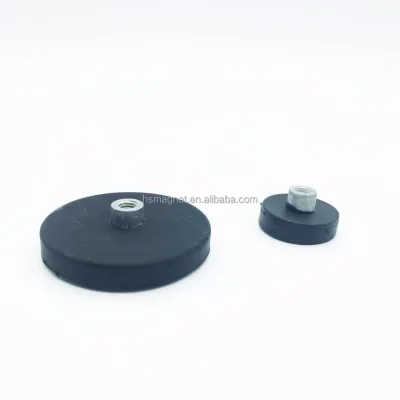
Wholesale black rubber coated magnetic base and rubber coated magnetic mount base
$0.10 - $1.00
MOQ: 100 Minimum


60kgs Force Magnetic Stand/Base with Universal Mechanical Arm & on/off Switch
$8.00 - $15.00
MOQ: 100 Pieces





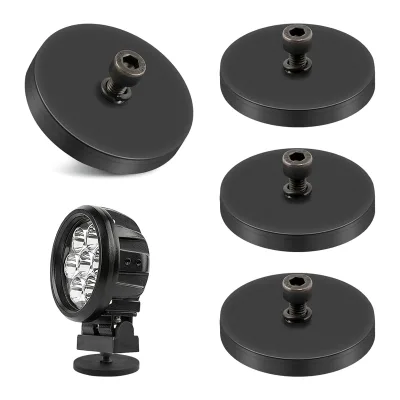


$10.00 - $1000.00
MOQ: 1 Pieces
Comprehensive Sourcing Guide
Strategic Sourcing Guide for Industrial Magnetic Base Systems
Procuring industrial magnetic bases requires a rigorous approach that balances technical performance with supply chain reliability. These components are critical for holding workpieces securely during machining, inspection, and assembly operations. The market offers a diverse array of configurations, from integral units to specialized pot magnets, each serving distinct operational needs. Buyers must navigate a landscape defined by varying magnetic forces, material compositions, and customization capabilities to ensure the selected equipment meets precise engineering requirements without compromising safety or efficiency.
Technical Specifications and Performance Parameters
The core functionality of a Magnetic Base is determined by its magnetic force, material composition, and physical dimensions. In the current market, observed specifications reveal a wide spectrum of capabilities. For instance, certain integral models demonstrate a holding power of 60kg, while others in the heavy-duty category are rated for 80kg. These variations are not merely marketing differentiators but reflect fundamental differences in the internal magnet assembly and the base structure. The magnetic force is often derived from neodymium magnets, which are noted for their high energy density. Specific product attributes indicate the use of Neodymium as the primary composite material, with grades ranging from N35 to N52, and specialized variants like NSH or customized grades available for extreme temperature or corrosion resistance.
Physical dimensions are equally critical for integration into existing workflows. Observed data highlights specific platform sizes, such as 64x50x63mm, alongside base dimensions of 60x50x55mm. The shape of the unit is typically pot-shaped or integral, designed to maximize the contact area with the workpiece. The diameter of the clamp hole is a vital specification for mounting accessories, with observed values including 6.0mm and 8.0mm options. Furthermore, the main pole and sub-pole dimensions, such as 12x176mm and 10x165mm respectively, influence the magnetic field distribution. Buyers must verify that the single package size, often around 60x32x16cm, aligns with their storage and shipping logistics. The tolerance for these components is typically tight, with observed specifications suggesting a tolerance of 0.01mm, ensuring precise alignment during use.
Material Composition and Structural Integrity
The longevity and safety of a Magnetic Base depend heavily on its material construction. The standard material identified in high-quality units is Aluminum Alloy, which provides a robust yet lightweight housing for the internal magnets. This alloy is often selected for its resistance to corrosion and its ability to withstand the mechanical stresses of industrial environments. The color of the finished product is typically a bright silver, which not only aids in visual inspection but also indicates a specific surface treatment or anodization process.
The structural design is often described as "integral," meaning the magnet and the base are constructed as a single, unified piece rather than an assembly of separate parts. This design minimizes the risk of component failure under high load. The magnetic direction is another crucial factor; while some units offer standard orientations, many suppliers provide customized specific requirements for the magnetism direction to suit unique fixture setups. The type of magnetism is permanent, ensuring that the holding power is consistent without the need for external power sources. However, safety is paramount; packaging details explicitly warn that the magnetic force is strong enough to cause injury, necessitating careful handling during transport and installation.
Compliance, Certification, and Quality Standards
Navigating the regulatory landscape is essential for B2B procurement. Buyers should verify that suppliers adhere to recognized quality management systems. Observed certifications include ISO9001:2008 and CE marks, which indicate compliance with international safety and quality standards. Some listings also mention ISO 9001 in a general context, suggesting that modern facilities may be transitioning to newer versions of the standard. It is important to note that certification status can vary; some suppliers offer customized certification options, while others operate with non-customized, standard compliance.
When evaluating compliance, buyers must look beyond the presence of a logo on a datasheet. The certification should be valid and applicable to the specific manufacturing location. For example, origins in Jiangxi and Zhejiang, China, are common, and the certification should cover the specific production lines for these regions. The product standard itself is sometimes listed with dimensions (e.g., 90x110mm) or holding power (e.g., 80kgs), which serves as a reference for the specific model's performance baseline. Buyers should request current certification documents to ensure they are not relying on outdated or expired credentials. Additionally, the absence of logo printing on some units indicates a focus on generic, unbranded components, which may be preferable for private-labeling or specific OEM requirements.
Cost Drivers and Pricing Dynamics
The pricing of magnetic bases is influenced by a complex interplay of factors, including material costs, customization levels, and order volume. The observed price range in the market is extremely broad, spanning from $0.01 to $99,999. This vast disparity reflects the difference between simple, small-scale pot magnets and large, custom-engineered industrial systems. The minimum order quantity (MOQ) also plays a significant role, with observed ranges from 1 to 1000 units. Small buyers may find single-item purchasing options available, while large-scale industrial contracts often require higher volume commitments to secure optimal pricing.
Supply ability is another key cost driver. Suppliers with a stated capacity of 100,000 pieces per month can often offer more competitive rates for large orders due to economies of scale. However, the lead time for production and delivery must be factored into the total cost of ownership. Typical delivery times observed range from 22 to 30 days, which can impact project timelines. The port of dispatch, commonly Shanghai and Ningbo, affects shipping costs and transit times to international destinations. Buyers should also consider the packaging details; specialized transportation packaging solutions are necessary to prevent damage to the strong magnetic components during transit, and this adds to the overall unit cost.
Supplier Evaluation and Verification
Selecting the right supplier requires a thorough vetting process that goes beyond basic product listings. Buyers should prioritize suppliers who offer OEM and ODM support, as indicated by attributes like "Customized Support: OEM" and "Oemodmobm." This capability ensures that the supplier can adapt the product to specific brand requirements, such as logo printing or custom sizing. The brand name, whether it is "HS," "Quantus," or a generic designation, should be verified for reputation and reliability in the market.
Location is a critical factor in supplier evaluation. The observed origins of Jiangxi and Zhejiang, China, represent major manufacturing hubs for magnetic products. However, buyers must verify the specific factory location to ensure it aligns with their quality expectations and logistical needs. The warranty period is another vital metric; a standard one-year warranty is commonly observed, but buyers should negotiate terms that cover manufacturing defects and performance failures. Additionally, the supplier's ability to provide detailed technical documentation, including test results and material certificates, is essential for risk mitigation.
Typical Applications and Operational Use Cases
Magnetic bases are versatile tools used across various industrial sectors. The primary application is identified as "Industrial Magnet," which encompasses a wide range of uses from metalworking to assembly line operations. The integral structure and high holding power make them ideal for securing ferrous workpieces on machine tables, ensuring stability during cutting, grinding, or drilling. The specific dimensions, such as the 64x50x63mm platform, allow for precise positioning in tight spaces.
Beyond standard machining, these bases are used in inspection and measurement setups where a stable, non-magnetic interference environment is required. The pot magnet configuration is particularly useful for temporary holding applications where a quick release is necessary. The customization options, such as specific sizes and magnetic directions, allow for tailored solutions in complex assembly lines. The "Overall Transportation Packaging Solution" suggests that these products are also designed for safe distribution to end-users who may not have specialized handling equipment.
Long-Term Procurement and Quality Control
Sourcing magnetic bases is not a one-time transaction but a long-term partnership that requires ongoing quality control. Buyers should establish clear acceptance criteria based on the observed specifications, such as the 0.01mm tolerance and the specific holding power ratings. Regular audits of the supplier's production process are recommended to ensure consistency in material quality, particularly regarding the neodymium grade and aluminum alloy composition.
The warranty period of one year provides a baseline for accountability, but buyers should consider the total cost of ownership, including maintenance and potential replacement costs. The strong magnetic force, while beneficial for holding power, poses safety risks that must be managed through proper training and handling procedures. Packaging details emphasizing the danger of the magnetic force highlight the need for strict safety protocols. By focusing on suppliers with robust quality management systems and clear communication channels, buyers can ensure a steady supply of high-performance magnetic bases that meet their operational demands.
Summary of Key Specifications for Comparison
To assist in the decision-making process, the following table summarizes the key technical and commercial attributes observed in the market. This comparison helps buyers quickly identify the features that align with their specific project requirements.
| Attribute | Observed Value / Range | Relevance for Procurement |
|---|---|---|
| Holding Power | 60kg - 80kg | Determines load capacity for heavy workpieces. |
| Material | Neodymium, Aluminum Alloy | Affects durability, weight, and corrosion resistance. |
| Grade | N35 - N52, NSH, Customized | Indicates magnetic strength and temperature stability. |
| Dimensions | 64x50x63mm, 60x50x55mm | Ensures fit within existing fixture setups. |
| Certification | ISO9001:2008, CE | Validates quality management and safety compliance. |
| MOQ | 1 - 1000 | Influences inventory strategy and cash flow. |
| Lead Time | 22 - 30 Days | Critical for production scheduling and project timelines. |
| Customization | OEM, ODM, Custom Size | Allows for brand alignment and specific engineering needs. |
| Origin | Jiangxi, Zhejiang, P.R. China | Identifies manufacturing hub and potential logistics costs. |
| Warranty | 1 Year | Defines the period of supplier liability for defects. |
By adhering to these guidelines and verifying the specific attributes against the supplier's documentation, buyers can make informed decisions that optimize performance, safety, and cost-effectiveness in their industrial operations.
FAQs
What is the holding power of the Magnetic Base?
The Magnetic Base offers a holding power ranging from 60kg to 80kg depending on the specific model. Integral units typically provide 60kg, while heavy-duty variants can reach 80kg to secure heavy workpieces effectively.
Which materials are used to construct the Magnetic Base?
These bases are constructed using neodymium magnets housed within an aluminum alloy casing. The neodymium grade varies from N35 to N52, ensuring high energy density and durability for industrial applications.
Can the product be customized for specific requirements?
Yes, the product supports full customization including size, shape, and magnetic direction. Buyers can request OEM services with specific dimensions like 64x50x63mm or customized pot magnet configurations.
What certifications do the manufacturers hold?
Manufacturers typically hold ISO9001:2008 and CE certifications to ensure quality and safety compliance. Some suppliers also offer customized certification options to meet specific regional or industry standards.
How long is the delivery time for orders?
The standard delivery time ranges from 22 to 30 days after order confirmation. This lead time accounts for production and the specialized transportation packaging required for safe shipping of strong magnets.
What is the minimum order quantity for purchasing?
The minimum order quantity varies from 1 unit to 1000 units depending on the supplier. Single item purchases are available for testing, while bulk orders may require higher volume commitments.