Source Magnetic Beads Blood DNA Kit for Lab, Clinical, and Research
Explore 30 listings for the Magnetic Beads Blood DNA Kit designed for genomic extraction. Buyers can compare specifications, pricing, and customization options across verified suppliers offering kits with magnetic bead methods and varying storage requirements.
Key considerations
Products List

Rna DNA Extraction Kit Magnetic Beads Spin Column Methods Purification Kit
$1.15 - $1.30
MOQ: 10000 Pieces


Rna DNA Purification Kit Extraction Kit Magnetic Beads Spin Column Methods
$1.15 - $1.30
MOQ: 10000 Pieces




Comprehensive Sourcing Guide
Strategic Sourcing Guide for Magnetic Beads Blood DNA Extraction Kits
Understanding the Core Technology and Functional Specifications
When sourcing a Magnetic Beads Blood DNA Kit, buyers must first distinguish between the extraction methodology and the specific application context. The core technology relies on the magnetic beads method, a process where silica-coated magnetic particles bind to nucleic acids in the presence of high salt concentrations. This method is favored for its automation compatibility and high purity output. In the current market, products labeled with this methodology often specify their intended use as "Extraction Rna/DNA," indicating versatility in handling different nucleic acid types, though specific kits may be optimized for genomic DNA from blood samples.
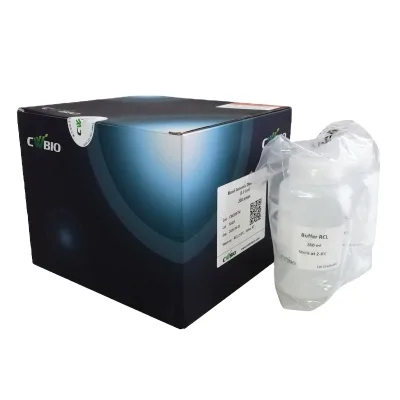
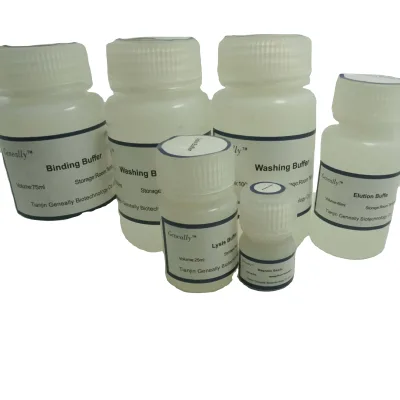
The physical and chemical specifications of these kits vary significantly between manufacturers. Some products are described as containing chemical reagents, while the physical containers are typically made of plastic. A critical observation in the market is the variance in sample volume capacity; some systems are designed to handle up to 200 microliters (UL) of sample, while others may accommodate larger volumes depending on the specific model configuration. Buyers should verify the "Instrument classification" for each unit, as some kits are designed for Class I instruments, while others may require specific Class I or Class II equipment depending on the automation level. The storage requirements are another vital technical parameter; while some reagents require specific temperature ranges like 5-25°C, others may be stable at normal temperature, which impacts cold chain logistics during procurement.
Compliance, Certification, and Safety Standards
Navigating the regulatory landscape is essential for any B2B procurement of medical or laboratory reagents. The market presents a mix of certification statuses. High-confidence data indicates that certain products carry CE and ISO certifications, which are standard markers for compliance with European health, safety, and environmental protection standards. However, buyers must exercise caution, as certification status is not uniform across all listed products. Some entries list CE certification, while others do not explicitly state it in the provided data, suggesting that buyers must verify the specific certification status for the exact model number they intend to purchase.
Safety standards are equally critical. Specific products in the supply chain adhere to the GB 15979-2002 standard, a Chinese national standard for hygiene requirements of disinfection products. This standard is particularly relevant for products intended for clinical examination aids or those involving direct handling of biological samples. When evaluating suppliers, procurement teams should request documentation proving adherence to GB 15979-2002 or equivalent international standards. Additionally, sterilization methods vary; some kits are treated with Ethylene Oxide Sterilization, while others are explicitly marked as "Without Ethylene Oxide Sterilization." This distinction is crucial for laboratories with strict biosafety protocols or those requiring specific residue limits. The "Type" of product is often classified as "Clinical Examination Aids," which further necessitates rigorous compliance verification before integration into a clinical workflow.
Cost Drivers and Pricing Dynamics
The pricing structure for magnetic beads blood DNA kits is highly variable, influenced by factors such as kit format, volume, and brand positioning. The observed market price range is extensive, spanning from approximately 0.40 USD to nearly 13,600 USD. This wide disparity suggests that the "Competitive Price" attribute often cited by suppliers is relative to the specific configuration of the kit. A single item selling unit may differ significantly in cost from bulk orders or specialized models like the CW2087S or RJ-B series.
Minimum Order Quantity (MOQ) is a primary driver of unit cost. The market shows an MOQ range from 1 unit up to 10,000 units. Suppliers often list an MOQ of 1,000 tests for specific extraction kits, which can significantly impact the total cost of ownership for smaller laboratories. Buyers must balance the upfront cost against the volume discount potential. For instance, a supplier offering a "Master Carton Box" with a high MOQ might offer a lower per-test cost compared to a supplier selling "Individual Box Packages" with a lower MOQ. The "Selling Units" attribute, whether listed as single items or bulk packs, directly correlates with the pricing strategy. Procurement teams should analyze the total cost per test rather than just the list price, considering the MOQ constraints and the potential need for inventory storage.
Typical Applications and Operational Use Cases
The primary application for these kits is the extraction of genomic DNA from blood samples, with specific models designed for volumes between 0.1 mL and 1 mL. The functional description often highlights "preservation" and "Virus Samples for Storing & Transportation," indicating that some kits serve a dual purpose of extraction and sample stabilization. This versatility is valuable for laboratories handling both diagnostic testing and research projects involving viral load analysis.
The operational workflow is defined by the "Method" attribute, specifically the Magnetic Beads Method. This method is generally preferred for its ability to process multiple samples simultaneously and its compatibility with automated liquid handling systems. The "Instrument classification" of Class I suggests that these kits are compatible with a broad range of standard laboratory equipment, though specific models may have unique requirements. The "Product Name" often clarifies the specific use case, such as "Blood Genomic DNA Mini Kit," which implies a focus on small-scale or high-throughput applications. Buyers should also consider the "After-sale Service" availability, as online technical support is a common offering that aids in troubleshooting extraction issues. The "Quality Guarantee Period" typically ranges from one to two years, and some suppliers even offer a "Lifetime" warranty, which serves as a strong indicator of product confidence and long-term reliability.
Supplier Evaluation and Quality Assurance Protocols
Evaluating suppliers requires a focus on the consistency of product attributes and the reliability of the supply chain. The "Brand Name" is a significant factor, with known entities like Cowin and JINGE appearing in the market data. However, buyers should not rely solely on brand recognition; they must verify the "Quality" claims, such as "High Accurately," through independent testing or third-party validation. The "Quality Guarantee Period" serves as a contractual metric for quality assurance, with options ranging from one year to two years.
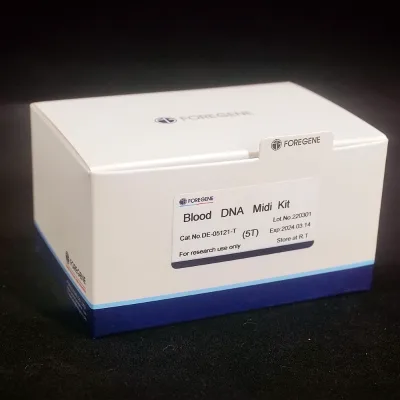
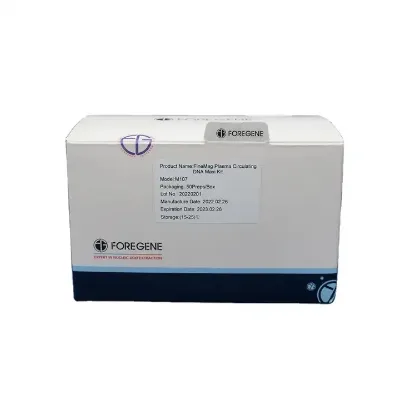
Packaging and logistics are critical components of supplier evaluation. The "prod_packing" attribute varies from "Carton" to "Master Carton Box" and "Individual Box Package." The "Single package size" is a specific logistical detail, with some units measuring 24x17x8 cm. These dimensions affect shipping costs and warehouse storage efficiency. Furthermore, the "Storage" requirements, such as maintaining temperatures between 5-25°C, must be aligned with the supplier's logistics capabilities. A supplier offering "Ethylene Oxide Sterilization" must demonstrate compliance with safety regulations regarding residual gases. Buyers should also verify the "Place of Origin," which is frequently listed as Tianjin, China, to understand the regulatory environment and potential import duties. The "Logo Printing" availability indicates a level of customization, which can be a differentiator for private-label procurement strategies.
Long-Term Procurement Considerations and Inventory Management
Sourcing these kits is not merely a transactional activity but a strategic decision involving long-term inventory management and supply chain resilience. The "Customization" attribute being "Available" suggests that buyers can negotiate specific packaging or labeling requirements, which is beneficial for large-scale institutional procurement. However, customization often comes with higher MOQs and longer lead times, which must be factored into the procurement timeline.
The "Standard" attribute, such as "50 Kits/Box" or "48/96 Tests," dictates the inventory turnover rate. Buyers must align their purchasing frequency with their consumption rates to avoid stockouts or overstocking. The "Warranty Year" and "Quality Guarantee Period" are critical for financial planning; a "Lifetime" warranty reduces the risk of recurring replacement costs, whereas a one-year warranty requires more frequent budget allocation for potential replacements. The "Power Supply Mode" and "Power Source" attributes, ranging from "Plug-In" to "Manual," influence the operational flexibility of the kits. For laboratories with intermittent power or limited infrastructure, manual or low-power options may be preferable.
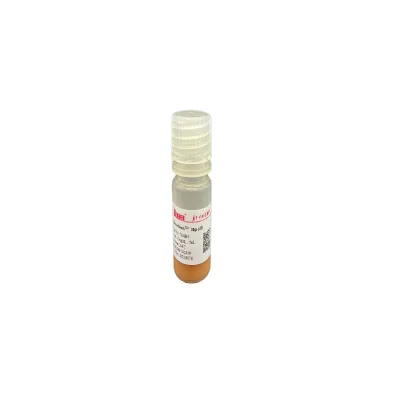
Finally, buyers must consider the "Sample Volumn" and "Temperature range" when planning for future scalability. As laboratory throughput increases, the ability to handle larger sample volumes or wider temperature ranges becomes a strategic advantage. The "Color" of the reagents, described as "colorless clear liquid," is a visual quality check that can be used for rapid on-site verification of reagent integrity. By integrating these long-term considerations into the sourcing strategy, organizations can ensure a stable supply of high-quality DNA extraction kits that meet both current and future operational needs.
Comparative Analysis of Key Product Attributes
To assist in the decision-making process, the following table summarizes the key variations observed in the market for magnetic beads blood DNA kits. This comparison highlights the critical differentiators that procurement teams should evaluate based on their specific laboratory requirements.
| Attribute Category | Variation Observed | Procurement Implication |
|---|---|---|
| Extraction Method | Magnetic Beads Method | Ensures compatibility with automated systems; verify specific bead chemistry. |
| Sample Volume | Up to 200 UL / 0.1-1 mL | Match kit capacity to typical sample size to avoid waste or insufficient yield. |
| Certification | CE, ISO / Not Listed | Verify specific model certification; CE/ISO is preferred for international compliance. |
| Sterilization | Ethylene Oxide / Without | Check biosafety protocols; some labs require EO sterilization, others prefer non-EO. |
| Packaging | Carton / Master Carton / Individual Box | Bulk packaging reduces unit cost but increases storage needs; individual boxes offer flexibility. |
| Warranty | 1 Year / 2 Years / Lifetime | Longer warranties reduce long-term risk; verify terms for claim processing. |
| Storage Temp | 5-25°C / Normal Temperature | Ensure cold chain logistics are in place if 5-25°C is required. |
| Origin | China (Tianjin) | Consider import regulations and lead times associated with the region of origin. |
| MOQ | 1 - 10,000 Tests | Lower MOQs suit small labs; high MOQs offer better unit economics for large volumes. |
By carefully analyzing these attributes and cross-referencing them with the specific needs of the laboratory, buyers can make informed decisions that balance cost, quality, and operational efficiency. The diversity in the market allows for tailored solutions, but it also demands a rigorous vetting process to ensure that the selected products meet the highest standards of performance and safety.
FAQs
What is the storage temperature for these kits?
Most kits require storage between 5-25 degrees Celsius to maintain reagent integrity. Some specific models may be stable at normal temperature, so verify the exact requirement for your selected product before shipping.
Which certifications do these magnetic beads kits typically hold?
High-confidence data indicates that many products carry CE and ISO certifications for compliance. Buyers must verify the specific certification status for the exact model number as not all listed products explicitly state these marks.
Can buyers request custom logo printing on the packaging?
Yes, customization is available for logo printing on the product packaging. This option allows for private-label strategies, though it may require meeting specific minimum order quantities set by the supplier.
What is the typical minimum order quantity for extraction kits?
The market shows a wide MOQ range from 1 unit up to 10,000 units depending on the supplier. Some specific extraction kits list an MOQ of 1,000 tests, which impacts the total cost for smaller laboratories.
How is the product packaged for shipping and storage?
Packaging varies from individual boxes to master carton boxes or standard cartons. Specific models may contain 50 kits per box or 48 to 96 tests, so check the single package size for logistics planning.
Which sterilization methods are used for these medical kits?
Sterilization methods vary, with some kits treated with Ethylene Oxide Sterilization and others marked as without it. Laboratories must check biosafety protocols to ensure the chosen method meets their specific residue limits and safety requirements.
What is the warranty period for these DNA extraction products?
The quality guarantee period typically ranges from one year to two years. Some suppliers even offer a lifetime warranty, which serves as a strong indicator of product confidence and long-term reliability for the buyer.