Source Magnet Cosmetic Air Cushion Case for Face, Travel, Professional
Find 30 Magnet Cosmetic Air Cushion Case options from verified suppliers in China. Compare ABS and plastic materials, custom logo services, and eco-friendly features for face, travel, and professional use.
Key considerations
Products List
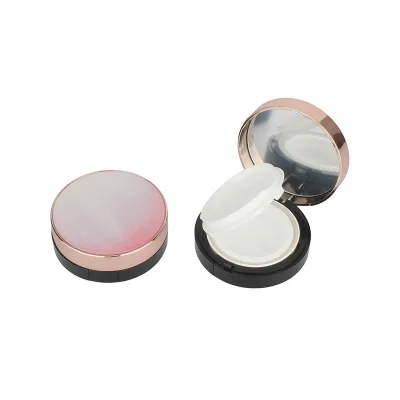
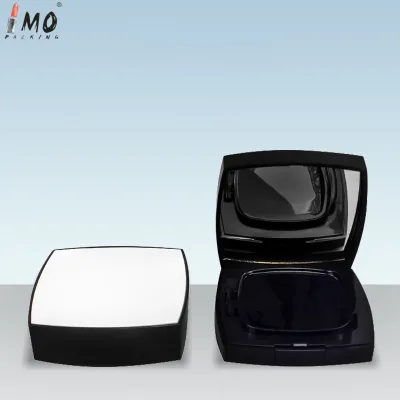
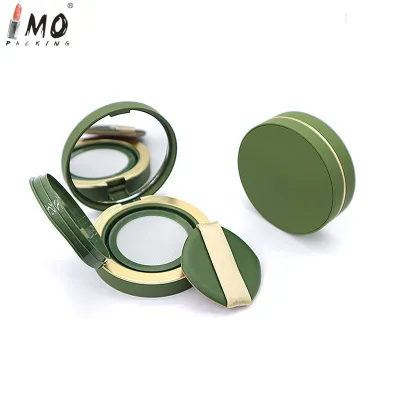


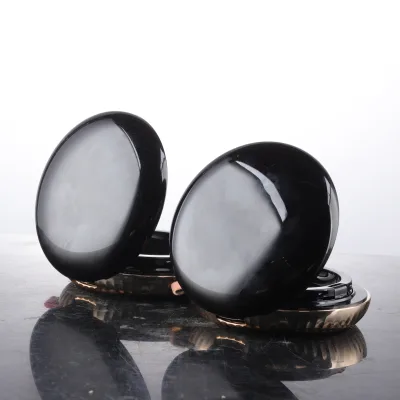


Empty Air Cushion Foundation Box Plastic Black Case for Cosmetic Packaging
$0.20 - $0.99
MOQ: 12000 Pieces


12g Blue Air Cushion Box Powder Compact Lipstick Case Mascara Storage Box
$0.13 - $0.18
MOQ: 10000 Pieces



Comprehensive Sourcing Guide
Strategic Sourcing Guide for Magnet Cosmetic Air Cushion Cases
Understanding the Product Category and Core Specifications
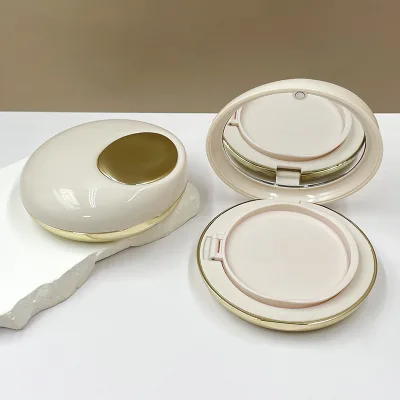
The Magnet Cosmetic Air Cushion Case represents a specialized segment within the broader personal care packaging industry, designed specifically to house air cushion foundation products. These cases are engineered to provide a secure, compact, and aesthetically pleasing enclosure for the sponge applicator and the foundation pan. Based on observed market data, the primary material composition for these units often involves ABS (Acrylonitrile Butadiene Styrene) plastic, though variations utilizing ABS/PP/Tep blends are also present in the supply chain. ABS is frequently selected for its durability, rigidity, and ability to hold a high-gloss finish, which is critical for the "fashionable" and "classic" styles observed in current listings.
The physical geometry of these cases varies significantly to accommodate different brand requirements. While the standard shape for many air cushion units is round, square, and box-type configurations are equally prevalent in the market. Specific model numbers such as PA-2163, Qd19, case012, and CP-1105 indicate a high degree of customization where manufacturers produce distinct molds to meet unique design briefs. The internal capacity is another critical specification; observed data points to standard sizes of 12g and 15g, which dictate the dimensions of the internal pan and the overall external footprint. For instance, one observed standard specifies a size of 75.5*21.7mm with a pan size of 59mm, highlighting the precision required in mold design.
The sealing mechanism is a defining functional characteristic of these cases. The "Push Type" sealing mechanism is a common observation, where the base of the case is designed to slide or push into the top cover, often utilizing a magnetic closure system to ensure the case remains securely shut during travel. This magnetic feature is particularly valuable for "Camping & Traveling" applications, ensuring that the product does not open accidentally in a bag. The inclusion of a mirror is another standard feature, often integrated directly into the inner lid or the outer casing, adding utility for on-the-go application.
Technical Design and Material Considerations
When evaluating the technical specifications of a Magnet Cosmetic Air Cushion Case, the material properties play a pivotal role in the final product's performance and perceived value. The primary material identified in the supply chain is ABS plastic, known for its impact resistance and ease of molding. However, buyers must verify if the specific supplier utilizes pure ABS or a composite blend such as ABS/PP/Tep, as this affects the flexibility and hardness of the case. Some listings indicate a "Partial Hard" hardness rating, suggesting a balance between structural rigidity and the flexibility needed for the push-type or magnetic closure to function smoothly without cracking.
Surface finishing is another critical technical aspect. Gravure printing is a noted production process for these cases, allowing for high-quality, detailed graphics and logos to be applied directly to the plastic surface. This process supports the "Accept Customized Logo" requirement, enabling brands to apply their specific branding with high fidelity. The color options observed range from standard solid colors like Black, Green, and Clear to fully custom color requests. The ability to produce a "Customized" color is essential for brands that require specific Pantone matches to align with their packaging identity.
The structural integrity of the case is often reinforced by the shape and the specific model number. For example, the "Box Type" and "Square" shapes offer different stacking efficiencies and aesthetic profiles compared to the "ROUND" shape. The "Box Regulations" of 505050cm mentioned in some specifications likely refer to the outer carton dimensions for shipping rather than the product itself, but it underscores the importance of packaging density in logistics. The "Layer Packed in Carton" method indicates that the units are protected during transit to prevent scratching or deformation, which is vital for maintaining the "Fashionable" and "Classic" visual appeal of the final product.
Compliance, Certification, and Regulatory Verification
Navigating the regulatory landscape for cosmetic packaging requires a rigorous approach to compliance, particularly when the product is intended for use in the European Union or North America. While specific certification status cannot be asserted for every listed product without direct verification, the market context suggests that standards such as REACH and RoHS are relevant considerations for buyers sourcing from China. These regulations address the restriction of hazardous substances and the safety of materials used in consumer goods.
Buyers must explicitly request documentation regarding the chemical composition of the ABS or plastic blends used. Since the product is designed for direct contact with cosmetic formulations, the material must be inert and non-reactive. The "Eco-Friendly" attribute observed in some listings suggests that certain manufacturers are moving toward more sustainable material choices or production methods, but this claim requires verification through third-party testing or specific material safety data sheets (MSDS).
It is crucial to distinguish between observed attributes and verified compliance. While "REACH" and "RoHS" appear in background knowledge, they should not be assumed to be present unless the supplier provides a valid, up-to-date certificate. Buyers should inquire about the specific batch testing protocols the supplier employs to ensure that the plastic does not leach harmful chemicals into the air cushion foundation. Additionally, the "Standard" values observed, such as 0.01kg or 15g, may relate to weight specifications or tolerance limits, but these should be cross-referenced with the actual product weight to ensure consistency.
Cost Drivers and Pricing Dynamics
The pricing of magnet cosmetic air cushion cases is influenced by a complex interplay of factors, including material costs, customization complexity, and order volume. The observed price range in the market spans from $0.10 to $2.48 USD, a wide spectrum that reflects the diversity in product quality, design intricacy, and order quantity. Lower-priced units typically correspond to standard designs with minimal customization, such as basic black or clear colors and standard round shapes. Conversely, the higher end of the price range is associated with complex customizations, including specific gravure printing, unique mold fees, and premium material blends.
The Minimum Order Quantity (MOQ) is a significant cost driver, with observed ranges extending from 12 units to 20,000 units. This variability allows for flexibility in procurement strategies. Small businesses or those testing new designs can leverage the "Small Orders: Accepted" policy to order as few as 12 units, though the unit cost will likely be higher due to the setup costs for molding and printing. For established brands with high volume needs, the ability to order up to 20,000 units can significantly reduce the per-unit cost, making the investment in custom molds more economical.
Other cost factors include the complexity of the logo graphic design, with some suppliers listing a capacity of 10,000 designs, suggesting a high level of customization capability. The "Customized" nature of the product means that each unique design may incur additional tooling fees. Buyers should also consider the packaging costs, as the "Layer Packed in Carton" method adds to the overall expense but is necessary for protecting the product during international shipping. The origin of the product, primarily from Guangdong, China, and Ningbo, influences logistics costs, with these regions being major manufacturing hubs that offer competitive labor and material costs but require careful management of shipping and lead times.
Supplier Evaluation and Quality Assurance
Selecting the right supplier for magnet cosmetic air cushion cases requires a thorough evaluation of their capabilities, production processes, and quality control measures. The "Place of Origin" is predominantly Guangdong, China, with some production in Ningbo, indicating a concentration of expertise in plastic molding and cosmetic packaging in these regions. Buyers should verify the supplier's experience with specific model numbers like Qd33 or CP-1105 to ensure they have a track record of producing similar designs.
Quality assurance should focus on the consistency of the magnetic closure and the durability of the push-type sealing mechanism. Since the case is designed for travel, the magnetic strength must be sufficient to keep the case closed under various conditions without being so strong that it is difficult to open. The "Hardness" of the plastic, described as "Partial Hard" in some contexts, should be tested to ensure it does not crack under pressure or become too brittle over time.
Visual inspection is critical for assessing the quality of the gravure printing and the color consistency. Buyers should request samples to verify that the "Black," "Green," or "Clear" colors match their brand requirements and that the logo is crisp and free of smudging. The "Eco-Friendly" claim should be backed by tangible evidence, such as the use of recycled materials or energy-efficient production processes, rather than being a marketing statement.
Typical Applications and Market Usage
The Magnet Cosmetic Air Cushion Case is primarily utilized in the cosmetics and personal care product sectors. Its design is specifically tailored for "Air cushion case for face" applications, making it the standard packaging for cushion foundations, which have gained immense popularity in the beauty industry. The "Usage" categories observed include "Cosmetics," "Personal Care Product," "Camping & Traveling," "Professional," and "Household" applications, indicating a versatile product that serves both retail and professional makeup artist needs.
The "Suitable for: Women" attribute highlights the primary demographic for these products, though the design principles can be adapted for unisex or male-targeted lines. The "Fashionable, CLassic, Casual" styles suggest that these cases are designed to appeal to a wide range of consumer tastes, from high-end luxury brands to more accessible, everyday beauty products. The inclusion of a mirror and the compact size make them ideal for touch-ups on the go, a key selling point for the "Traveling" segment.
The "Box Type" and "Square" shapes may be preferred for brands seeking a modern, architectural look, while the "ROUND" shape offers a more traditional, soft aesthetic. The ability to customize the shape and color allows brands to differentiate their products in a crowded market. The "Customized Logo" feature is essential for brand recognition, allowing companies to imprint their identity directly onto the packaging, which is a standard practice in the cosmetics industry.
Long-Term Procurement and Supply Chain Strategy
For buyers looking to establish a long-term relationship with suppliers of magnet cosmetic air cushion cases, strategic planning is essential. The "Custom Order: Accept" and "Customization: Available" attributes indicate that suppliers are willing to work closely with buyers to develop unique products. However, this requires a clear communication channel and a well-defined specification sheet to avoid misunderstandings regarding mold designs, color codes, and material grades.
Buyers should consider the scalability of their orders. While small orders are accepted, the transition to larger volumes, such as the 20,000 unit range, should be planned to optimize costs. The "Standard" values and "Size" specifications should be locked in early to ensure consistency across production runs. The "prod_packing" details, such as "Catons" or "Layer Packed in Carton," should be standardized to streamline logistics and reduce damage during transit.
Finally, buyers must remain vigilant about supply chain disruptions and lead times. Although specific lead times are not provided in the observed data, the complexity of custom molds and printing processes can extend production schedules. Establishing a buffer stock and maintaining open communication with the supplier regarding production status can help mitigate risks. By focusing on verified quality, clear specifications, and a strategic approach to volume ordering, buyers can secure a reliable supply of high-quality magnet cosmetic air cushion cases that meet their brand's standards and market demands.
FAQs
What materials are used for magnet cosmetic air cushion cases?
The primary material is ABS plastic, though some options use ABS/PP/Tep blends. These materials provide the necessary durability and rigidity for a fashionable, classic, or casual style while ensuring the case remains secure during travel.
Can I customize the logo and color of the air cushion case?
Yes, suppliers accept customized logos and offer custom color options including black, green, and clear. The production process supports gravure printing to ensure high-quality graphics, allowing brands to match their specific identity requirements.
What sealing types are available for these cosmetic packaging cases?
The common sealing type is a push mechanism, often featuring a magnetic closure for secure transport. This design ensures the case stays shut during camping, traveling, or professional use without accidentally opening in a bag.
Which sizes are standard for magnet cosmetic air cushion cases?
Standard sizes include 12g and 15g capacities, with specific dimensions like 75.5*21.7mm for the case and 59mm for the pan. These specifications accommodate the internal pan size required for face cushion foundations.
How does the minimum order quantity affect pricing for these cases?
Minimum order quantities range from 12 to 20,000 units, influencing the unit price between 0.1 and 2.48 USD. Smaller orders allow testing new designs, while larger volumes reduce costs through economies of scale in production and molding.
Where are these cosmetic packaging cases typically manufactured?
Production primarily originates from Guangdong, China, with some facilities located in Ningbo. These regions are major hubs for plastic molding and cosmetic packaging, offering competitive labor costs and established supply chains for export.
Are eco-friendly options available for magnet cosmetic air cushion cases?
Some listings indicate eco-friendly attributes, suggesting sustainable material choices or production methods. Buyers should verify these claims through material safety data sheets or third-party testing to ensure the plastic is inert and safe for cosmetics.