Source Magnesium Supplement Sleep Spray for relaxation, wellness, and rest
Find 30 verified options for Magnesium Supplement Sleep Spray designed to support relaxation and sleep quality. Buyers can compare formulations, packaging, and customization services from manufacturers in China to find the right fit for their brand needs; compare the available evidence and request quotations based on your requirements.
Key considerations
Products List


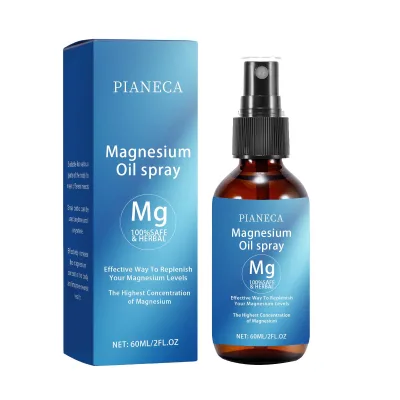


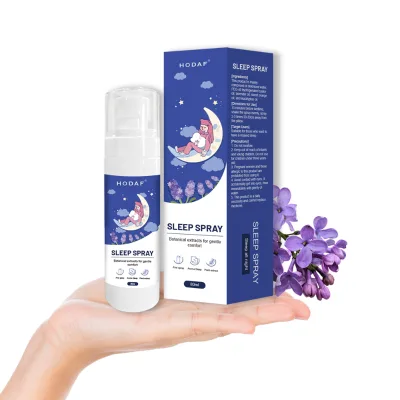
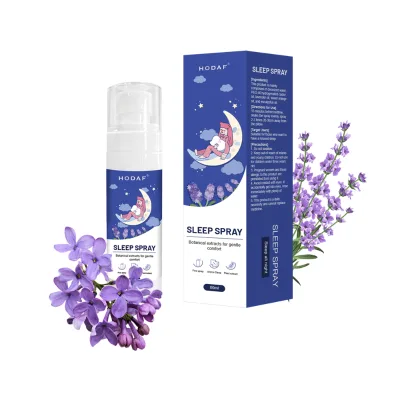



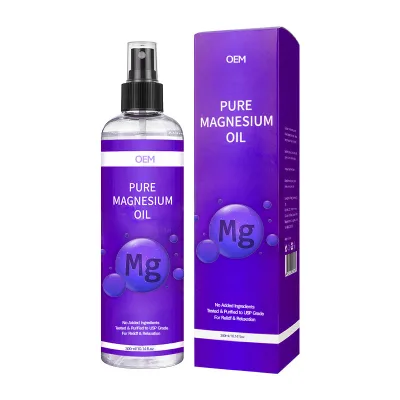
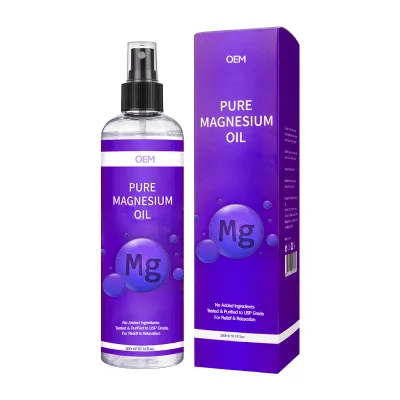

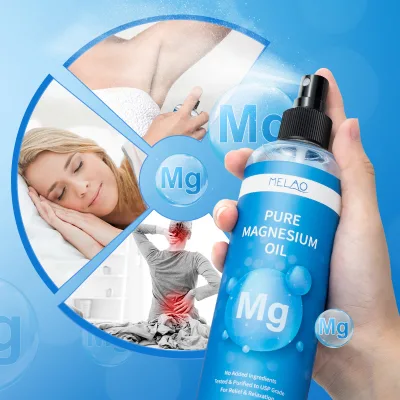


Comprehensive Sourcing Guide
Magnesium Supplement Sleep Spray Sourcing Guide
Sourcing magnesium supplement sleep sprays requires balancing the distinct physical properties of liquid formulations with the specific efficacy claims associated with sleep support. Buyers must navigate a market where products are often categorized under dietary supplements, skin creams, or general soothing agents, leading to potential confusion in product classification. The observed listings indicate a wide variance in form factors, ranging from capsules to sprays, which necessitates precise specification alignment to ensure the final product meets the intended use case. Understanding these distinctions is critical for defining the correct regulatory pathway and manufacturing requirements.
Procurement teams should focus on verifying the actual state of the product, as some suppliers list "liquid" or "spray" forms while others may offer capsules or creams. The core keyword suggests a preference for topical or sublingual delivery systems that promote relaxation and sleep, often leveraging the natural properties of magnesium. Buyers need to confirm whether the magnesium is intended for transdermal absorption via skin application or for oral intake through a spray mechanism. This distinction impacts packaging choices, dosage instructions, and the overall user experience, making it a primary decision point during the initial sourcing phase.
Product Scope and Observed Listing Signals
The current market landscape for magnesium sleep aids includes a diverse array of product types, with notable listings for both capsule and spray formats. Observed data reveals that some suppliers offer products labeled as "Magnesium oil" or "Skin Cream," which may be marketed for body use rather than direct sleep induction. Conversely, other listings explicitly mention "Sleep Melatonin" and "Soothing, Relaxing" functions, indicating a hybrid approach that combines magnesium with other sleep-supporting ingredients. Buyers must carefully review product names and descriptions to distinguish between pure magnesium supplements and multi-ingredient blends designed for sleep enhancement.
Packaging and presentation also vary significantly across suppliers, with options including plastic bottles, boxes, and customized labeling services. The presence of "Private Label" and "OEM/ODM" services suggests that many manufacturers are equipped to handle branded projects, allowing buyers to create unique product identities. However, the inconsistency in product attributes, such as some items being described as "decaffeinated" or "sugar-free" while others focus on "natural" effects, highlights the need for rigorous verification. Buyers should prioritize suppliers who clearly define the product's primary function and ensure that the packaging aligns with the intended delivery method and dosage requirements.
Technical Specifications to Verify
Technical verification begins with confirming the physical state and delivery mechanism of the magnesium supplement. Buyers must ensure that the product is indeed a spray or liquid formulation if that is the desired form, as some listings may ambiguously describe capsules or creams. The dosage instructions, such as "2/Day," should be clearly defined and consistent with the product's concentration and intended use. Additionally, the container type, whether plastic bottles or other vessels, must be suitable for preserving the stability and efficacy of the magnesium compound, especially if it is sensitive to moisture or light.
Further technical checks should include the product's standard specifications, such as the number of units per bottle or customized packing options. Buyers should verify the single package size and gross weight to ensure logistical compatibility and accurate shipping cost calculations. The presence of features like "Low-Salt" or "Vitamins" should be cross-referenced with the ingredient list to confirm that the product meets specific dietary or health requirements. It is also essential to confirm whether the product is designed for body use or oral consumption, as this affects the formulation and regulatory classification.
Compliance and Safety Documentation
Compliance is a critical aspect of sourcing magnesium supplements, particularly those marketed for sleep support. Buyers should verify that suppliers hold relevant certifications such as GMP, ISO, HACCP, and KOSHER, which indicate adherence to quality and safety standards. The presence of QS certification in some listings suggests compliance with specific regional quality standards, which may be relevant depending on the target market. Ensuring that the supplier has a robust quality management system in place is essential for maintaining product consistency and safety throughout the supply chain.
Documentation should also include details on storage conditions, such as "Moisture Proof" requirements, to ensure the product remains stable during transit and storage. Buyers must confirm that the supplier provides comprehensive safety data sheets and ingredient lists, especially if the product contains additional components like melatonin or vitamins. It is important to verify that the product is labeled correctly, including any necessary warnings or usage instructions, to comply with local regulations. Proper documentation helps mitigate risks associated with product recalls or regulatory non-compliance, ensuring a smoother market entry.
Cost Drivers and Commercial Terms
Cost structures for magnesium sleep sprays are influenced by several factors, including the complexity of the formulation, packaging requirements, and order volume. Suppliers often offer tiered pricing based on MOQs, which can range from 500 to 3000 pieces, allowing buyers to scale their orders according to demand. The availability of customization services, such as private labeling and custom formulas, may incur additional costs but can enhance brand differentiation. Buyers should request detailed quotes that break down costs for raw materials, manufacturing, packaging, and logistics to identify potential savings opportunities.
Commercial terms also play a significant role in the overall cost, with payment options like T/T, Western Union, and Money Gram being commonly accepted. Lead times, typically ranging from 14 to 21 days, should be factored into inventory planning to avoid stockouts or excess inventory. Buyers should negotiate favorable terms for sample provision and design services, which can help refine the product before full-scale production. Understanding these cost drivers and commercial terms enables buyers to make informed decisions that balance quality, cost, and delivery timelines.
Supplier Qualification and Quality Control
Supplier qualification involves assessing the manufacturer's capabilities, including their ability to provide OEM/ODM services and custom packaging solutions. Buyers should verify the supplier's production facilities, such as whether they have their own factory or rely on third-party manufacturers, to ensure control over quality and consistency. The availability of sample products allows buyers to evaluate the physical attributes, such as texture, scent, and efficacy, before committing to a larger order. It is also important to check the supplier's track record and customer reviews to gauge their reliability and responsiveness.
Quality control measures should be clearly defined, including procedures for raw material inspection, in-process monitoring, and final product testing. Buyers should request information on the supplier's quality assurance protocols, such as batch testing and stability studies, to ensure product consistency. The ability to provide customized labels and packaging designs is a valuable feature, but it must be balanced with strict quality control to prevent errors. Establishing a strong partnership with a qualified supplier ensures that the final product meets the buyer's standards and regulatory requirements.
Long-Term Procurement Checks
Long-term procurement success depends on continuous monitoring of supplier performance and product quality. Buyers should establish regular review cycles to assess the supplier's adherence to agreed-upon specifications, delivery timelines, and quality standards. Feedback from end-users regarding the product's efficacy and user experience should be collected and shared with the supplier to drive continuous improvement. Maintaining open communication channels allows for timely resolution of any issues and fosters a collaborative relationship that benefits both parties.
Additionally, buyers should stay informed about changes in regulatory requirements and market trends that may impact the product's classification or demand. Regular audits of the supplier's quality management system and production processes can help identify potential risks and areas for improvement. By proactively managing these long-term checks, buyers can ensure the sustained success of their magnesium sleep spray product line and maintain a competitive edge in the market.
FAQs
What certifications do the magnesium supplements hold?
The products hold KOSHER, HACCP, GMP, and ISO certifications. These standards ensure safety and quality for adult consumers seeking reliable dietary supplements with verified manufacturing processes.
Can I request custom packaging for my brand?
Yes, customized packaging is available for your brand. You can request specific bottle types or box designs to match your private label requirements while maintaining product integrity.
What is the minimum order quantity for this product?
The minimum order quantity is typically 1000 units for custom orders. Some listings may accept lower quantities, but bulk orders generally start at this threshold for cost efficiency.
How long does production take after order confirmation?
Production lead time ranges from 14 to 21 days after order confirmation. This duration allows for custom formula development, packaging design, and quality control checks before shipment.
Where are these magnesium supplements manufactured?
Manufacturing occurs in facilities located in Shaanxi and Guangdong, China. These factories offer private label services and maintain specific standards for dietary supplement production and distribution.
What forms are available for magnesium sleep products?
Available forms include capsules and sprays. The spray form is specifically noted for soothing and relaxing functions, while capsules serve as a standard dietary supplement option for adults.
Do you offer sample products for testing quality?
Samples are provided for quality testing before bulk production. This allows buyers to verify the product features, such as low-fat content or specific efficacy claims, prior to committing.