Source magnetic butterfly clutch enamel pin for gifts, fashion, and souvenirs
Compare 30 listings for magnetic butterfly clutch enamel pin options featuring zinc alloy or brass materials with custom plating and soft or hard enamel finishes. Buyers can evaluate attachment types, sizes, and customization availability from Guangdong suppliers.
Key considerations
Products List




Comprehensive Sourcing Guide
Magnetic Butterfly Clutch Enamel Pin Sourcing Guide
The magnetic butterfly clutch mechanism represents a specialized attachment solution for enamel pins, offering a secure fastening method that eliminates the need to pierce fabric. This design is particularly valuable for delicate materials like silk, leather, or expensive garments where traditional pin backs could cause damage or leave permanent holes. The observed product listings indicate that suppliers in Guangdong, China, frequently offer this attachment style alongside standard butterfly clutches and safety pins, allowing buyers to select the most appropriate fastening method for their specific end-use application.
When sourcing these items, buyers must distinguish between pins that feature a magnetic back as a primary attachment and those that simply include a magnet as an optional feature. The product data confirms that "Magnetic" is listed as a distinct feature for certain badge types, suggesting that the magnetic component is integrated into the design rather than being an afterthought. This distinction is critical for procurement teams who require a specific holding strength or a non-invasive mounting solution for promotional events, fashion accessories, or collectible items where the integrity of the fabric is paramount.
Product Scope and Observed Listing Signals
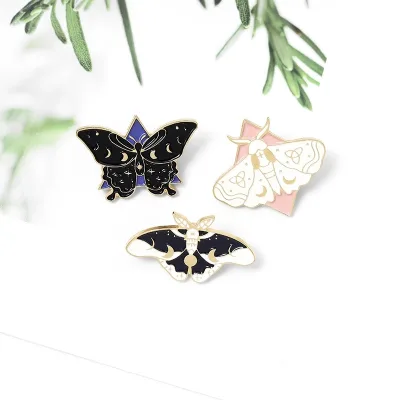
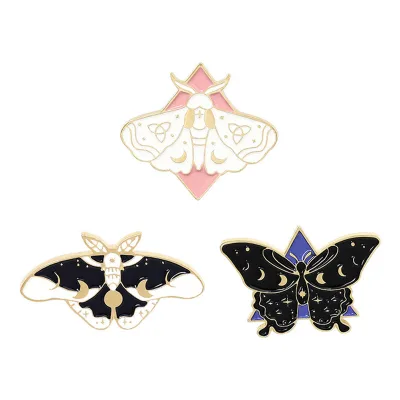
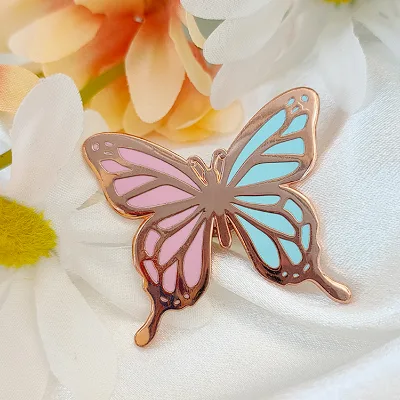
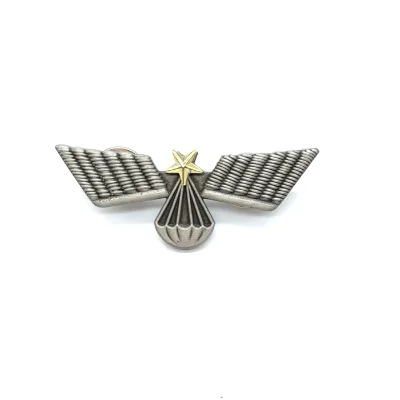
The market for magnetic butterfly clutch enamel pins encompasses a diverse range of styles, from animal motifs like butterflies and deer to fashion-forward designs and national emblems. The observed product attributes reveal that these pins are available in various shapes, including customized forms, and are often categorized under styles such as "Animal" and "Fashion." The material composition typically includes zinc alloy, brass, iron, or copper, providing a sturdy base for the enamel work while ensuring the pin can support the weight of the magnetic mechanism without bending or breaking.
Listing signals indicate that these products are frequently marketed with specific customization options, including custom logos, color fills, and unique shapes. The observed price range of 0.12 to 3.99 USD suggests a wide spectrum of quality and complexity, where lower-cost items may utilize standard plating and printing techniques, while higher-priced units likely feature advanced processes like hard enamel, UV printing, or 3D effects. Buyers should note that the "One Size" specification is common, but the single package dimensions of 3x3x0.5 cm and a gross weight of 0.050 kg provide a baseline for logistics planning and packaging requirements.
Technical Specifications to Verify
Verifying the thickness and plating quality is essential to ensure the durability of the magnetic attachment and the overall integrity of the pin. The standard thickness observed in the market is 1.5mm, though custom thicknesses are available, and this dimension directly impacts the strength of the magnet and the resistance of the pin to bending. Buyers should confirm that the plating process, which may include gold, nickel, bronze, or black dye, is applied correctly to prevent corrosion, especially since the magnetic component often requires a robust metal core to maintain its holding power over time.
The manufacturing technique used to create the pin significantly influences its final appearance and tactile feel. The observed data lists soft enamel, hard enamel, and various printing methods such as letterpress, gravure, and silk screen as available technologies. For a magnetic butterfly clutch pin, the choice between soft and hard enamel affects the depth of the color and the smoothness of the surface, which in turn influences how the magnet sits against the fabric. Additionally, the presence of an epoxy coating is an optional feature that buyers should verify, as it provides a protective layer against scratches and UV fading, extending the lifespan of the product.
Compliance and Safety Documentation
While specific certification data varies by supplier, the presence of TUV audited lapel standards in the product listings highlights the importance of verifying third-party safety compliance for metal accessories. Buyers should request documentation confirming that the materials used, particularly the metal alloys and the magnets themselves, meet international safety standards for heavy metals and magnetic strength. This is crucial because magnets used in accessories must be securely encased to prevent detachment, which could pose a choking hazard or cause injury if swallowed, especially if the pins are intended for use by children or in environments where small parts are a concern.
Documentation regarding the origin and manufacturing process is equally vital for B2B procurement, particularly when sourcing from Guangdong, China. The product facts confirm that the place of origin is consistently listed as Guangdong, and buyers should ensure that the supplier can provide traceability for the raw materials used in the zinc alloy, brass, or copper components. This verification helps mitigate risks associated with supply chain disruptions and ensures that the finished product adheres to the environmental and labor standards required by the buyer's target market, preventing potential legal or reputational issues downstream.
Cost Drivers and Commercial Terms
The cost of magnetic butterfly clutch enamel pins is driven by several factors, including the complexity of the design, the choice of material, and the specific plating and finishing processes applied. The observed MOQ range of 1 to 3500 units indicates that suppliers offer flexibility for small-batch testing as well as large-scale production runs, but the unit price will fluctuate based on the volume ordered and the customization level required. Buyers should anticipate that custom logos, specific color fills, and unique shapes will incur higher costs compared to standard stock items, and these variables must be factored into the total landed cost calculation.
Commercial terms regarding packaging and shipping are also significant cost drivers that require careful negotiation. The observed packing standard of 1 piece per OPP bag and 100 pieces per big bag provides a baseline for logistics, but buyers may need to request custom packaging solutions for retail presentation or bulk distribution. The single gross weight of 0.050 kg per item suggests that shipping costs will be relatively low per unit, but the total weight and volume of the order will impact freight charges. Buyers should clarify lead times and payment terms early in the process, as these can vary significantly depending on the supplier's current production capacity and the complexity of the requested customization.
Supplier Qualification and Quality Control
Selecting a qualified supplier requires a thorough review of their production capabilities and quality control protocols, particularly for items with magnetic components. The product data indicates that suppliers utilize techniques such as die casting, stamping, and various printing methods, and buyers should verify that the supplier has the necessary equipment to produce consistent results across large batches. It is essential to request samples that specifically demonstrate the strength of the magnetic clutch and the durability of the plating to ensure that the product meets the buyer's performance expectations before committing to a larger order.
Quality control checks should focus on the consistency of the attachment mechanism and the visual finish of the enamel. Buyers should inspect samples for issues such as loose magnets, uneven plating, or color bleeding, which can occur if the manufacturing process is not tightly controlled. The observed feature of "3D" and "Magnetic" suggests that these pins may have raised elements or complex geometries that require precise molding and assembly. Establishing a clear quality assurance protocol with the supplier, including defined acceptance criteria for defects and a process for handling non-conforming goods, is critical to maintaining product integrity throughout the supply chain.
Long-Term Procurement Checks
Establishing a long-term relationship with a supplier involves regular performance reviews and ongoing quality assurance to ensure consistency over time. Buyers should implement a system for tracking defect rates and customer feedback to identify any recurring issues with the magnetic clutch mechanism or the enamel finish. This proactive approach allows for early intervention if quality begins to degrade, ensuring that the supply chain remains reliable and that the end product continues to meet the brand's standards for durability and aesthetics.
Future-proofing the procurement strategy requires staying informed about changes in material availability and manufacturing technologies. As the market for enamel pins evolves, suppliers may introduce new plating options, more efficient printing techniques, or improved magnetic materials that offer better holding strength. Buyers should maintain open communication with their suppliers to stay updated on these developments and be prepared to adapt their product specifications as needed. By fostering a collaborative relationship and maintaining a clear understanding of the technical and commercial landscape, buyers can secure a steady supply of high-quality magnetic butterfly clutch enamel pins for years to come.
FAQs
Can I get custom magnetic butterfly cultch enamel pins?
Yes, custom magnetic butterfly cultch enamel pins are available with personalized designs. You can choose from various materials like zinc alloy, brass, iron, or copper. The plating options include gold, nickel, bronze, or black dye. You may also select soft or hard enamel techniques and add epoxy coatings for durability.
What materials are used for these enamel pins?
These enamel pins are crafted from durable metals including zinc alloy, brass, iron, and copper. The choice of material affects the weight and finish. Standard thickness is 1.5mm, but custom thicknesses are available. The pins feature various plating options such as gold, nickel, or bronze to match your design aesthetic.
What attachment options are available for butterfly pins?
You can choose from butterfly clutch, rubber clutch, safety pin, or magnet attachments. The magnetic option provides a secure hold without damaging fabric. Other fittings include butterfly clasps and safety pins for different wearing preferences. These options allow for versatile application on clothing, bags, or accessories.
What is the minimum order quantity for custom pins?
The minimum order quantity varies, with some listings starting at 100 pieces. However, other options allow for lower MOQs down to 1 piece. Higher volumes may offer better pricing. Custom designs typically require a minimum run to cover setup costs. Check specific supplier terms for exact MOQ requirements based on your order size.
How are the pins plated and finished?
Pins are plated with gold, nickel, bronze, or black dye for a premium look. Finishing techniques include soft enamel, hard enamel, and various printing methods like silk screen or UV printing. Epoxy coatings can be added for a glossy, protective layer. The standard thickness is 1.5mm, ensuring a sturdy feel.
Where are these enamel pins manufactured?
These enamel pins are manufactured in Guangdong, China. This region is known for its robust manufacturing capabilities and supply chain efficiency. Production follows standard industry practices with options for TUV audited processes. The location ensures reliable sourcing for global buyers seeking quality metal badges and lapel pins.