Source Magnetic Control Home Spinning Bike for Gyms, Homes, and Studios
Find 30 Magnetic Control Home Spinning Bike options from verified Chinese manufacturers. Compare steel frame models with LCD displays, adjustable seats, and belt drives to identify the best fit for your indoor cycling needs; compare the available evidence and request quotations based on your requirements.
Key considerations
Products List
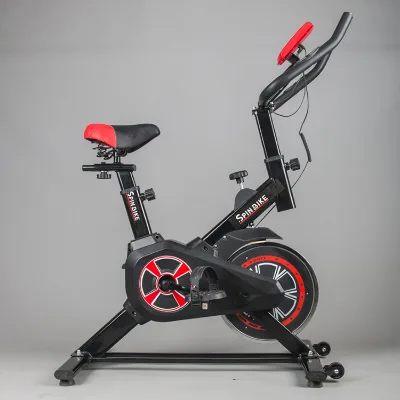
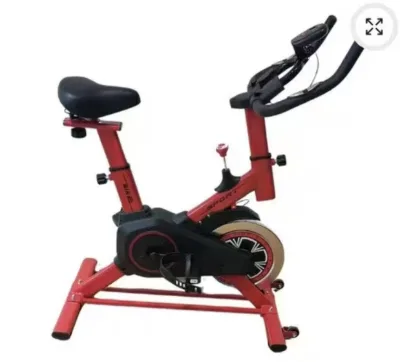
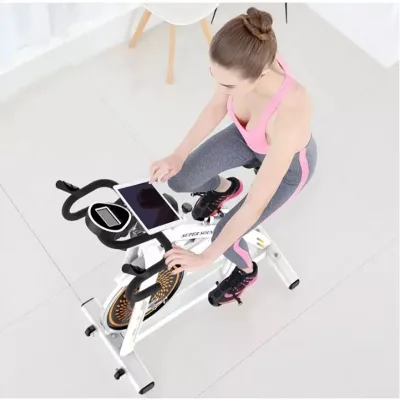
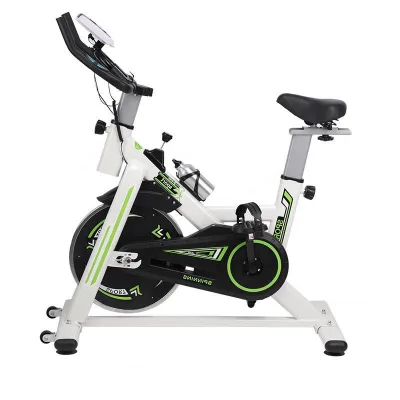


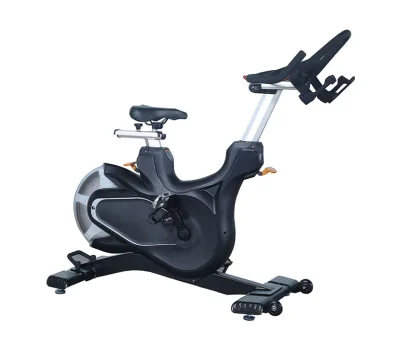


Gym Machine Exercise Magnetic/Belt System Spinning Bike Home Trainer Bike
$250.00 - $320.00
MOQ: 1 Pieces


Cycling Spin Exercise Home Use Gym Cardio Fitness Equipment Spinning Bike
$989.00 - $1236.00
MOQ: 1 Pieces
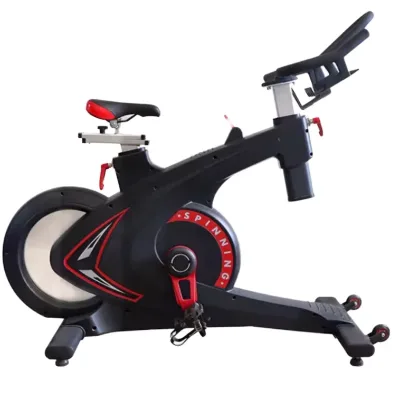

Home Gym Fitness Equipment Exercise Machine Magnetic Spinning Exercise
$213.00 - $233.00
MOQ: 10 Pieces


Home Fitness Exercise Spinning Bikes Indoor Cycling Smart Magnetic Spinning Bike
$80.00 - $120.00
MOQ: 2 Pieces

Home Use Exercise Bike Sports Spinning Bikes Indoor Fitness Equipment Spinning Bicycle
$60.00 - $150.00
MOQ: 2 Pieces


Spinning Bicycle Adjustable Exercise Bike for Spinning Workouts at Home
$80.00 - $120.00
MOQ: 2 Pieces


Indoor Fitness Equipment Magnetic Control Exercise Bike Home Use Spin Bike
$43.00 - $45.00
MOQ: 100 Pieces


Comprehensive Sourcing Guide
Magnetic Control Home Spinning Bike Sourcing Guide
Buyers evaluating magnetic control home spinning bikes must first distinguish between entry-level household units and commercial-grade frames. The observed market data indicates a clear split in product attributes, with some listings specifying a steel large flywheel and commercial-grade all-steel frames, while others describe lighter metal constructions suitable for universal home use. This distinction is critical because the frame material and flywheel mass directly influence the stability and longevity of the equipment under repeated high-intensity usage.
Procurement decisions should also account for the specific resistance mechanisms and drive systems observed in current listings. While many units utilize magnetic control types with leather belt transmissions for quiet operation, buyers must verify if the resistance is adjustable via magnets or if the system relies on fixed mechanisms. Understanding these mechanical differences ensures the selected bike matches the intended user profile, whether for a beginner seeking smooth resistance or an advanced athlete requiring precise load management.
Product Scope and Observed Listing Signals
The current market for magnetic control home spinning bikes presents a wide variance in physical dimensions and user weight capacities. Listings show item depths ranging from 22.0 to 41.9 inches, with some models extending to 42.0 inches or more, which significantly impacts floor space planning for home gyms. Additionally, maximum user weight specifications vary between 120kg and 150kg, requiring buyers to match the equipment's structural limits with the intended demographic to prevent premature wear or safety hazards.
Brand identity and customization options are prominent signals in the observed product data, with names like HYFITNESS and ABT appearing alongside offers for customized logos. Buyers should note that while some units are sold as single items with specific model numbers like RLLY8846 or GSB7311, others are packaged in sets of ten, suggesting different supply chain strategies for bulk procurement. The presence of foldable features in some listings contrasts with rigid commercial frames, necessitating a clear definition of portability requirements before finalizing a purchase order.
Technical Specifications to Verify
When assessing technical specifications, the flywheel weight and drive system transmission are primary verification points for performance consistency. Observed data lists flywheel weights as low as 6kg or under 10kg for certain models, while others imply heavier commercial-grade components. Buyers must confirm the actual mass of the flywheel, as this determines the inertia and smoothness of the pedaling motion, ensuring the bike provides the necessary resistance stability for effective cardio exercise training.
Display technology and seat adjustability are equally critical technical factors that define the user experience. Listings indicate the presence of 2.5-inch LCD monitor screens with digital display types, yet the specific data metrics tracked may vary between models. Furthermore, the availability of adjustable seats and the specific dimensions of the single package size, such as 110x87x25 cm, must be verified to ensure the equipment fits the intended space and allows for proper ergonomic alignment during use.
Compliance and Safety Documentation
Safety compliance is a non-negotiable aspect of sourcing fitness equipment, particularly for products intended for home use where supervision may be limited. The observed product data explicitly mentions CE certification for certain models, which serves as a baseline indicator of adherence to European safety standards. Buyers should request valid certification documents for all units to ensure the magnetic control systems and structural frames meet the necessary regulatory requirements for electrical and mechanical safety.
Beyond certification, documentation regarding the maximum load weight and structural integrity is essential for liability management. While some listings specify a max load of 150.0kg, others indicate 120KG, and these figures must be cross-referenced with the actual testing reports provided by the supplier. Ensuring that the product condition is listed as new and that all safety warnings are clearly printed on the equipment helps mitigate risks associated with equipment failure during intense workout sessions.
Cost Drivers and Commercial Terms
The pricing structure for magnetic control home spinning bikes is heavily influenced by material quality and manufacturing complexity. The observed price range spans from 25 to 1236 USD, reflecting the difference between basic metal frames with minimal features and commercial-grade steel units with advanced magnetic resistance systems. Buyers must analyze whether the lower price points correspond to reduced durability or if they represent efficient manufacturing of standard models, as the cost per unit often correlates with the weight of the steel and the precision of the flywheel assembly.
Commercial terms such as Minimum Order Quantity (MOQ) and packaging configurations significantly impact the total cost of ownership. Data shows an MOQ range from 1 set to 250 units, with some suppliers offering single-item sales while others require bulk purchases of ten units per package. Understanding these thresholds is vital for budgeting, as the unit price often decreases with volume, but the upfront capital requirement increases, requiring a careful balance between inventory costs and cash flow management.
Supplier Qualification and Quality Control
Supplier qualification should focus on the consistency of product attributes and the reliability of the supply chain. The observed data lists multiple places of origin, including Jiangsu, Shandong, and Mainland China, indicating a competitive manufacturing landscape. Buyers should verify the specific factory location and production capacity to ensure that the supplier can consistently deliver units with the specified model numbers and material compositions without compromising on quality or lead times.
Quality control protocols must address the variability in product features observed across different listings. Since some units are described as foldable while others are rigid, and flywheel weights vary, a robust inspection plan is necessary to ensure every delivered unit matches the agreed specifications. Buyers should require pre-shipment inspections that verify the magnetic control mechanism, the stability of the all-steel frame, and the accuracy of the digital display to prevent receiving substandard or mismatched inventory.
Long-Term Procurement Checks
Long-term procurement success depends on the availability of spare parts and the durability of the magnetic resistance system. Buyers should inquire about the lifecycle of the magnets and the leather belt transmission, as these are high-wear components that may require replacement after extended use. Ensuring that the supplier can provide a steady stream of compatible parts is essential for maintaining the operational uptime of the spinning bikes in a home gym or commercial setting.
Finally, the ability to customize branding and product features remains a key factor for long-term market positioning. The observed availability of customized logos and adjustable seat mechanisms suggests that suppliers are willing to adapt products to specific brand identities. Buyers should establish clear agreements regarding the customization process and the timeline for implementing these changes, ensuring that the final product aligns with their brand strategy and meets the evolving needs of their customer base over time.
FAQs
What is the maximum user weight capacity for this Magnetic Control Home Spinning Bike?
The maximum user weight capacity is 120KG. This limit ensures safe operation for adult users during intense cardio exercise sessions. The sturdy steel frame supports this load, making it suitable for home use. Always verify the specific model's rating, as some variants may support up to 150KG depending on the manufacturer's design specifications.
Can the Magnetic Control Home Spinning Bike be customized with a logo?
Yes, customized logos are available for this equipment. Buyers can request branding on the frame or console to match their identity. This customization service is offered by manufacturers in Jiangsu and Shandong, China. It is ideal for private label projects or commercial gym setups requiring specific branding elements on the product.
Which certification does the Magnetic Control Home Spinning Bike typically hold?
The product typically holds CE certification. This indicates compliance with European health, safety, and environmental protection standards. It is a common requirement for exporting fitness equipment to international markets. Buyers should verify the specific certification documents provided by the supplier to ensure regulatory compliance for their target destination.
How does the magnetic resistance system work on this upright bike?
The system uses magnets to create frictionless resistance against the flywheel. This provides smooth, quiet operation ideal for home environments. The resistance is adjustable, allowing users to control intensity levels easily. It is classified as a magnetic control type, suitable for beginners and household use, ensuring consistent performance without mechanical wear.
What is the single package size for shipping this spinning bike?
The single package size is approximately 110x87x25 cm. This dimension helps calculate shipping costs and storage requirements. The gross weight is around 52 kg, indicating a substantial build. Buyers should use these exact measurements to plan logistics, warehouse space, and delivery arrangements efficiently for bulk orders or individual shipments.
What display features are included on the Magnetic Control Home Spinning Bike?
The bike includes a 2.5-inch LCD monitor screen. This digital display tracks workout metrics such as time, speed, and calories. It provides essential feedback for home cardio exercise routines. The compact screen is integrated into the console, ensuring users can monitor their progress without needing additional external devices or complex setups.