Source Magnetic Digital Thermometer Hygrometer for Lab, Home, and Cold Chain
Find and compare 30 Magnetic Digital Thermometer Hygrometer options for industrial, household, and indoor monitoring needs. Evaluate models like DT-89 and HTC-1 based on accuracy, temperature range, and packaging to select the right sensor for your specific application.
Key considerations
Products List


Indoor Room Digital Thermometer Hygrometer Meter for Temperature and Humidity
$1.60 - $2.70
MOQ: 100 Pieces

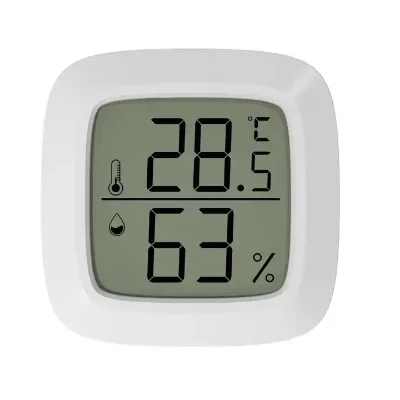


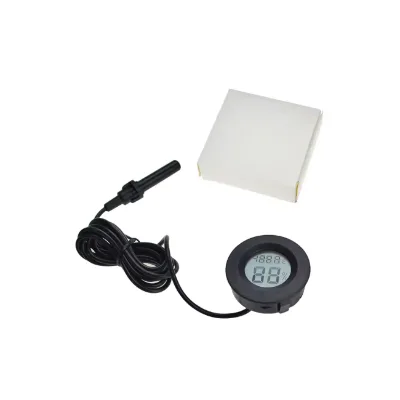


Digital LCD Thermo-Hygrometer with External Sensor for Accurate Readings
$318.00 - $381.00
MOQ: 1 Pieces

Comprehensive Sourcing Guide
Magnetic Digital Thermometer Hygrometer Sourcing Guide
Sourcing magnetic digital thermometer hygrometers requires a disciplined approach to balancing technical precision with commercial viability. These devices are ubiquitous in both industrial and household environments, serving as critical tools for monitoring environmental conditions in settings ranging from refrigerated storage to residential living spaces. The core value proposition lies in the convenience of magnetic mounting, which allows for rapid deployment and repositioning without the need for adhesives or drilling. However, the market is saturated with varying quality levels, making it essential for buyers to distinguish between basic consumer-grade units and those suitable for sensitive industrial applications. Understanding the specific operational requirements of your facility or product line is the first step in defining a procurement strategy that minimizes risk and ensures long-term reliability.
The procurement landscape for these instruments is characterized by a wide variance in pricing, minimum order quantities (MOQs), and technical specifications. Buyers often encounter listings with prices ranging from as low as $0.18 to over $381, reflecting differences in sensor quality, housing materials, and brand positioning. Similarly, MOQs can vary significantly, from single-unit samples to bulk orders of 1,000 pieces, which impacts inventory management and cash flow. High-confidence data indicates that common models such as the DT-89, HTC-1, and LDTH-8 offer distinct features, including digital displays and specific temperature ranges. Navigating this diversity requires a clear understanding of which attributes are non-negotiable for your use case, such as accuracy tolerances or humidity measurement ranges, to avoid over-specifying or under-specifying your purchase.
Product Scope and Observed Listing Signals
The product scope for magnetic digital thermometer hygrometers encompasses a variety of form factors designed for different mounting and usage scenarios. Observed listings indicate that these devices are primarily constructed from plastic materials, with some utilizing thermocouple technology for specific industrial applications. The digital display is a standard feature across most models, providing clear readouts for both temperature and humidity levels. Common models identified in the market include the DT-89, HTC-1, and LDTH-8, each offering unique dimensions and packaging options. For instance, the LDTH-6605 model is noted for its compact size and specific power requirements, while the HTC-1 offers a broader measuring range. Buyers should carefully review the product dimensions and packing specifications to ensure compatibility with their storage and distribution logistics.
Listing signals reveal significant variation in packaging and origin, which can influence both cost and perceived quality. Many products originate from Guangdong, China, and are packed in cartons, color boxes, or brown boxes, depending on the model and supplier preference. Some listings highlight customization options, including logo printing and specific packaging designs, which are valuable for private-label projects. However, buyers must be cautious of inconsistent data points, such as varying accuracy claims or power supply requirements. For example, some units require 1.5V AA batteries, while others may have different power needs. Verifying these details directly with the supplier is crucial to ensure that the product meets your operational standards and that the packaging aligns with your retail or industrial distribution requirements.
Technical Specifications to Verify
Technical verification is paramount when sourcing magnetic digital thermometer hygrometers, as performance can vary widely between models. Key specifications to verify include the measuring temperature and humidity ranges, accuracy tolerances, and power supply requirements. Common temperature ranges observed in the market span from -50°C to 70°C (-58°F to 158°F), with some models offering narrower ranges suitable for specific applications. Humidity measurement ranges typically fall between 10% RH and 95% RH, though some models may have different limits. Accuracy is another critical factor, with some devices claiming an accuracy of ±1°C or better, while others may have higher tolerances. Buyers should request detailed specification sheets for each model to confirm these parameters and ensure they align with their monitoring needs.
Power supply and physical dimensions are also essential technical considerations that impact usability and maintenance. Most digital models in this category are battery-operated, with 1.5V AA batteries being a common power source. However, some listings may indicate different power requirements or include batteries in the package, while others may not. Physical dimensions vary significantly, with some compact models measuring around 9.810.52.3 cm, while larger units may exceed these dimensions. Buyers should assess the size and weight of the device to ensure it fits the intended mounting location and does not obstruct other equipment. Additionally, verifying the material composition, such as the type of plastic used, can provide insights into the device's durability and resistance to environmental factors.
Compliance and Safety Documentation
Compliance and safety documentation are critical components of the procurement process, ensuring that the purchased devices meet regulatory standards and safety requirements. Buyers should verify that the products are free from harmful substances and comply with relevant environmental regulations, such as RoHS or REACH, depending on the target market. While specific certification status may not always be explicitly listed in product descriptions, buyers should request proof of compliance from the supplier. This includes certificates of conformity, test reports, and material safety data sheets. Ensuring that the devices are manufactured in facilities that adhere to good manufacturing practices (GMP) can also help mitigate risks associated with product defects or safety hazards.
Safety features and sterilization status are additional factors to consider, particularly for products used in sensitive environments. Some listings indicate that the devices are without ethylene oxide sterilization, which is relevant for applications where chemical residues could be a concern. Buyers should also verify that the products do not contain hazardous materials that could pose risks during handling or disposal. Clear labeling and documentation regarding the product's composition and safety precautions are essential for maintaining compliance and ensuring user safety. By prioritizing suppliers who provide comprehensive safety documentation, buyers can reduce the risk of regulatory non-compliance and protect their brand reputation.
Cost Drivers and Commercial Terms
Cost drivers for magnetic digital thermometer hygrometers include material costs, manufacturing complexity, and order volume. The use of high-quality sensors and durable plastics can increase the unit price, while bulk orders often benefit from economies of scale, reducing the per-unit cost. Minimum order quantities (MOQs) play a significant role in pricing, with lower MOQs typically resulting in higher prices. Buyers should negotiate terms that align with their inventory management strategy, balancing the need for flexibility with the desire for cost efficiency. Additionally, customization options, such as logo printing or specific packaging, can add to the overall cost but may provide value for branding purposes.
Commercial terms, including payment methods, shipping options, and lead times, are essential considerations in the procurement process. Buyers should clarify the supplier's payment terms, such as deposit requirements or credit options, to manage cash flow effectively. Shipping methods, including express, air, or sea freight, will impact delivery times and costs, with sea freight being more cost-effective for large volumes but slower in transit. Lead times can vary based on order size and customization requirements, so buyers should plan accordingly to avoid stockouts. Establishing clear communication channels with the supplier to track order progress and address any issues promptly is crucial for a smooth procurement experience.
Supplier Qualification and Quality Control
Supplier qualification is a critical step in ensuring the reliability and consistency of the sourced products. Buyers should conduct thorough due diligence on potential suppliers, verifying their business licenses, manufacturing capabilities, and quality management systems. Requesting samples for evaluation is a practical way to assess product quality, functionality, and build integrity before committing to a larger order. Suppliers who provide detailed product specifications and responsive customer support are often more reliable partners. Additionally, checking for any negative feedback or complaints from previous clients can provide valuable insights into the supplier's reputation and service quality.
Quality control measures should be established to ensure that the products meet the specified standards and performance criteria. Buyers should implement incoming quality inspections to verify that the received goods match the agreed-upon specifications, including accuracy, dimensions, and packaging. Establishing clear acceptance criteria and rejection protocols is essential for maintaining quality standards. Regular audits of the supplier's production processes can also help identify potential issues early and ensure continuous improvement. By prioritizing suppliers with robust quality control systems, buyers can minimize the risk of receiving defective products and maintain high customer satisfaction.
Long-Term Procurement Checks
Long-term procurement checks involve ongoing monitoring of supplier performance and product quality to ensure sustained value and reliability. Buyers should establish key performance indicators (KPIs) to track metrics such as on-time delivery, product defect rates, and customer feedback. Regular reviews of these metrics can help identify trends and areas for improvement, allowing for proactive adjustments to the procurement strategy. Maintaining open communication with the supplier to discuss performance and address any concerns is essential for building a strong partnership. Additionally, staying informed about industry trends and technological advancements can help buyers identify opportunities for innovation and cost savings.
Continuous improvement and adaptation are key to successful long-term procurement. Buyers should regularly reassess their requirements and market conditions to ensure that their sourcing strategy remains aligned with their business goals. This may involve exploring new suppliers, negotiating better terms, or adopting new technologies to enhance product quality and efficiency. By fostering a culture of continuous improvement and maintaining strong relationships with suppliers, buyers can achieve greater resilience and competitiveness in the market. Ultimately, a proactive and disciplined approach to procurement will yield significant benefits in terms of cost, quality, and operational efficiency.
FAQs
What is the measuring temperature range for these devices?
The measuring temperature range typically spans from -50°C to 70°C, which corresponds to -58°F to 158°F. This wide range ensures reliable performance in both cold storage and warm indoor environments. Some models specify a narrower range of -20°C to 70°C for specific household applications. Always verify the exact range for the selected model to ensure it meets your environmental monitoring needs.
How accurate are the temperature and humidity readings?
Temperature accuracy is generally rated at ±1°C or ≤0.5°C depending on the specific model. Humidity ranges vary, with some units covering 10% to 95% RH and others 20% to 90% RH. These specifications make them suitable for general industrial and household use. Check the product details for the precise accuracy class required for your specific application.
Can I customize the logo and packaging for bulk orders?
Yes, customization is available for both logo printing and packaging. Buyers can choose between color boxes, brown boxes, or white boxes, and request custom logos. The minimum order quantity for such customized services is typically 200 pieces. This flexibility allows businesses to brand their products effectively while meeting specific packaging requirements.
What power supply options are used for these thermometers?
Most models are powered by 1.5V AA batteries, with some units including two batteries. This standard power source ensures easy replacement and long-term usability. The devices are designed for low power consumption, making them ideal for continuous monitoring in households or industrial settings. Always confirm if batteries are included with the specific product listing.
Where are these digital thermohygrometers manufactured?
These devices are manufactured in Guangdong, China. The production facilities are equipped to handle various packaging standards, including cartons and safety packing boxes. The origin indicates a strong supply chain for electronic measuring instruments. Buyers can expect consistent quality and efficient logistics from this manufacturing hub.
What are the standard dimensions for the product packaging?
Standard packaging dimensions vary by model, with common sizes including 530x230x290 mm and 64x39x32 cm for bulk cartons. Individual units may be packed in smaller boxes like 106x98x22 mm. These dimensions are optimized for efficient shipping and storage. Always check the specific packing details for the model you intend to purchase.