Source Magnetic Door Curtain for Home, Hotel, and Office
Find and compare 30 Magnetic Door Curtain options for home, hotel, and office use. These products feature anti-theft, windproof, and insect-resistant designs with simple installation and customizable sizes to meet diverse sourcing needs.
Key considerations
Products List




Comprehensive Sourcing Guide
Magnetic Door Curtain Sourcing Guide
Sourcing magnetic door curtains requires a careful balance between functional performance and material durability, as these products serve as critical barriers against insects, drafts, and dust in both residential and commercial environments. Buyers must recognize that the market offers a diverse range of configurations, from simple vertical blinds to heavy-duty folding screens, each with distinct installation requirements and aesthetic implications. The core appeal of magnetic closures lies in their automatic sealing mechanism, which ensures the curtain remains closed without manual intervention, thereby maintaining an effective seal against pests and environmental elements. However, the effectiveness of this seal is highly dependent on the quality of the magnetic strips and the tensile strength of the screen mesh, making material verification a non-negotiable step in the procurement process.
Procurement decisions should be driven by the specific usage environment, whether it is a high-traffic hotel lobby, a quiet home living room, or a commercial cafe. The observed product landscape includes variations in color, such as transparent or black options, and different mesh densities that affect visibility and airflow. Buyers must also consider the customization availability, as many suppliers offer tailored dimensions to fit non-standard door frames. Understanding these variables allows procurement teams to align their orders with the actual operational needs of the end-user, ensuring that the selected product not only meets aesthetic preferences but also delivers the promised insect resistance and heat insulation properties.
Product Scope and Observed Listing Signals
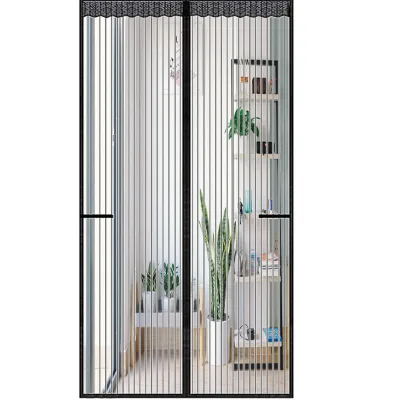
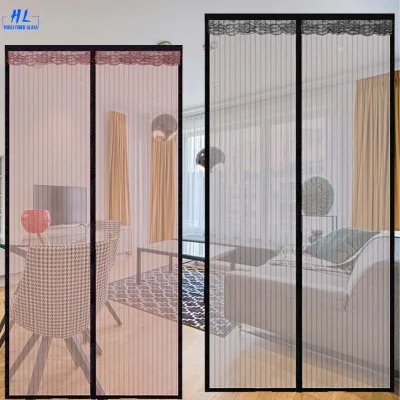
The current market for magnetic door curtains encompasses a wide array of product types, including vertical blinds, folding screens, and standard mesh screens, each serving slightly different functional roles. Vertical blinds are often marketed for their ability to provide dustproof and windproof benefits while maintaining a modern design aesthetic, making them suitable for living rooms and offices. In contrast, folding screens and standard mesh curtains are frequently highlighted for their insect-resistant properties, utilizing materials like nylon, fiberglass, or polyester to create a barrier that is both durable and breathable. The presence of magnetic automatic closure is a key differentiator, ensuring that the curtain snaps shut immediately after passage, which is essential for maintaining an effective seal against mosquitoes and other pests.
Observed listing signals indicate a strong emphasis on customization and ease of installation, with many products described as simple and convenient to mount. The standard sizes observed, such as 1.2x2m or 1.2x2.2m, suggest that while off-the-shelf options are available, there is significant demand for tailored solutions to fit specific door dimensions. Additionally, the variety of mesh colors, including nine different options, and the availability of other colors beyond the standard transparent or black, highlight the importance of aesthetic integration into the interior design of homes, hotels, and cafes. Buyers should pay close attention to these signals to ensure that the selected product aligns with both the functional requirements and the visual standards of the end-user environment.
Technical Specifications to Verify
When evaluating technical specifications, the mesh size and material composition are paramount, as they directly impact the effectiveness of the insect barrier and the longevity of the product. Common mesh sizes, such as 16x16, are often cited, but buyers must verify that the mesh density is sufficient to block small insects while still allowing for adequate airflow. The material of the screen netting, whether plastic, fiberglass, or polyester, also plays a crucial role in determining the product's resistance to tearing and UV degradation. For instance, polyester and fiberglass options are often preferred for their durability and flexibility, while nylon may be used for specific lightweight applications. Buyers should request detailed material specifications to ensure that the chosen product can withstand the intended usage frequency and environmental conditions.
The magnetic closure system is another critical technical aspect that requires thorough verification. The strength and alignment of the magnetic strips must be sufficient to ensure a tight seal, preventing gaps that could allow insects or drafts to enter. Additionally, the durability of the magnetic connection under repeated opening and closing cycles should be assessed, as weak magnets can lead to premature failure of the curtain's functionality. Buyers should also consider the installation method, ensuring that the mounting hardware is robust and suitable for the specific door frame material, whether it is wood, metal, or plastic. Verifying these technical details helps mitigate the risk of product failure and ensures that the Magnetic Door Curtain performs as expected in real-world conditions.
Compliance and Safety Documentation
Compliance with international standards is a key consideration for buyers, particularly when sourcing products for commercial or regulated environments. Certifications such as ISO and CE are often mentioned, indicating that the manufacturer adheres to specific quality management and safety standards. However, buyers must verify the scope and validity of these certifications, ensuring that they cover the specific product type and material composition being procured. Additionally, standards like SGS may be referenced, suggesting that the product has undergone third-party testing for quality and safety. It is essential for procurement teams to request copies of these certificates and to confirm that they are current and applicable to the specific model or batch of products being ordered.
Safety documentation should also include information on the flammability and toxicity of the materials used in the Magnetic Door Curtain. Buyers should ensure that the screen mesh and magnetic components are free from harmful substances, particularly if the product is intended for use in homes with children or in food service establishments like cafes. While specific test results may not always be publicly listed, buyers should inquire about the manufacturer's testing protocols and request material safety data sheets (MSDS) where applicable. This due diligence helps ensure that the product meets all relevant health and safety regulations, reducing liability and ensuring a safe environment for end-users.
Cost Drivers and Commercial Terms
The cost of magnetic door curtains is influenced by several factors, including the material quality, mesh density, and the complexity of the magnetic closure system. Higher-grade materials, such as fiberglass or premium polyester, typically command higher prices due to their enhanced durability and aesthetic appeal. Additionally, customization options, such as tailored dimensions or specific color choices, can increase the unit cost due to the additional manufacturing steps required. Buyers should also consider the minimum order quantity (MOQ), which can range from as low as 1 piece to as high as 5000 pieces, affecting the overall procurement budget and inventory management strategy. Understanding these cost drivers allows buyers to negotiate more effectively and align their orders with their budgetary constraints.
Commercial terms, including payment methods, shipping arrangements, and after-sales service, are equally important in the procurement process. Many suppliers offer online technical support and other after-sales services, which can be valuable for resolving installation issues or addressing product defects. Buyers should clarify the warranty period and the process for claiming replacements or repairs, ensuring that they have adequate support in case of product failure. Additionally, the packing method, whether in plastic bags, cartons, or polybags, can impact shipping costs and product protection during transit. By carefully reviewing these commercial terms, buyers can minimize risks and ensure a smooth procurement experience.
Supplier Qualification and Quality Control
Supplier qualification is a critical step in ensuring the reliability and consistency of the Magnetic Door Curtain supply chain. Buyers should verify the supplier's production capabilities, including their manufacturing facilities, quality control processes, and capacity to handle large orders. Suppliers with a strong track record in producing insect screens and door curtains are often more reliable, as they have established expertise in the relevant materials and technologies. Additionally, buyers should assess the supplier's ability to provide customization services, as this can be a key differentiator in meeting specific customer requirements. Requesting samples and conducting factory audits can provide valuable insights into the supplier's operational standards and product quality.
Quality control measures should be implemented throughout the production process to ensure that the final product meets the specified requirements. Buyers should establish clear quality criteria, including mesh density, magnetic strength, and material composition, and require the supplier to conduct pre-shipment inspections. Implementing a robust quality control plan, such as random sampling and testing of finished goods, can help identify and rectify defects before the products are shipped. Additionally, buyers should maintain open communication with the supplier to address any quality issues promptly and to ensure continuous improvement in the product's performance and reliability.
Long-Term Procurement Checks
Long-term procurement success depends on the ability to monitor supplier performance and adapt to changing market conditions. Buyers should establish key performance indicators (KPIs) to track supplier reliability, including on-time delivery rates, product quality consistency, and responsiveness to issues. Regularly reviewing these metrics can help identify potential problems early and allow for corrective actions to be taken. Additionally, buyers should stay informed about industry trends and technological advancements in magnetic door curtains, such as new materials or improved magnetic closure systems, to ensure that their procurement strategy remains competitive and relevant.
Building a strong relationship with the supplier is also essential for long-term success. Open communication, mutual trust, and collaborative problem-solving can lead to better pricing, improved product quality, and more flexible commercial terms. Buyers should consider engaging in long-term contracts or framework agreements with reliable suppliers to secure consistent supply and favorable terms. By focusing on these long-term checks, buyers can ensure a stable and efficient procurement process, reducing risks and maximizing value over time.
FAQs
What certifications do magnetic door curtains have?
These products hold ISO and CE certifications to ensure quality and safety standards. The listed items specifically mention ISO and CE compliance, which are critical for international trade and regulatory acceptance in various markets.
Can I customize the size of the magnetic door screen?
Yes, customization is available for these magnetic door curtains to fit specific openings. The product standard indicates options like 1.2x2m or fully customizable dimensions, allowing buyers to tailor the fit for their doors.
Which materials are used for the magnetic door netting?
The netting is constructed from materials such as nylon, fiberglass, polyester, or plastic. Specific listings confirm the use of 100% polyester and fiberglass, providing durability and insect resistance for home or commercial applications.
How is the Magnetic Door Curtain installed?
Installation is designed to be simple and convenient for immediate use. The product attributes highlight a straightforward setup process, often utilizing magnetic automatic closure mechanisms that require no complex tools or professional assistance.
What is the minimum order quantity for these screens?
The minimum order quantity varies but can start as low as 1 piece or be set at 500 pieces depending on the supplier. Observed data shows an MOQ range from 1 to 5000, with specific listings noting 500 pieces as a standard threshold.
Where are these magnetic door curtains manufactured?
These products originate from China, with specific production locations noted in Hebei. The supply chain data confirms the place of origin as China, indicating the regional manufacturing base for these sourcing items.
What functions do these magnetic door curtains provide?
They offer multiple functions including insect resistance, dustproofing, windproofing, and heat insulation. The product attributes list capabilities like anti-theft and mosquito protection, making them suitable for homes, hotels, and offices.