Source Magnetic Dimmable Led Cabinet Light for kitchens, closets, and shelves
Find 30 verified options for the Magnetic Dimmable Led Cabinet Light suitable for kitchens, closets, and shelves. Buyers can compare specifications like voltage, lumen output, and control methods to select the right fixture for their storage needs.
Key considerations
Products List


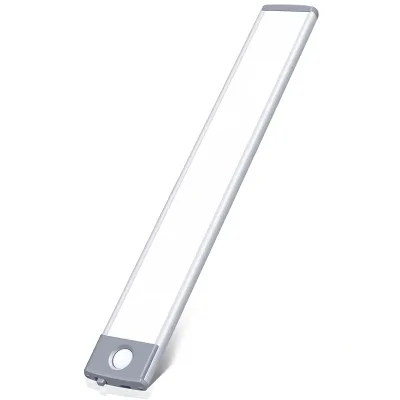
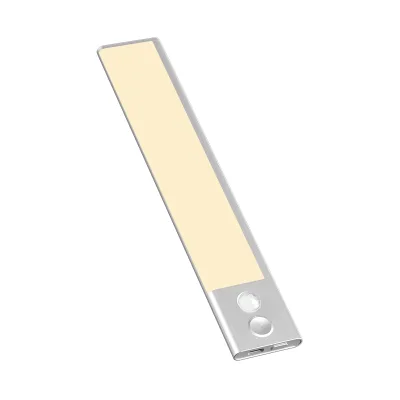


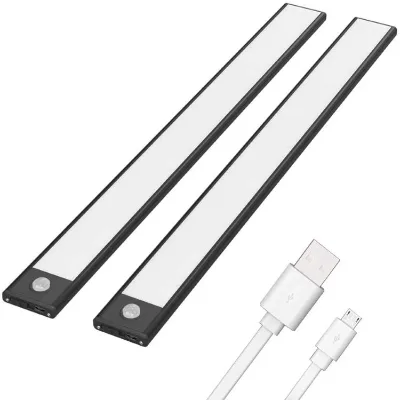
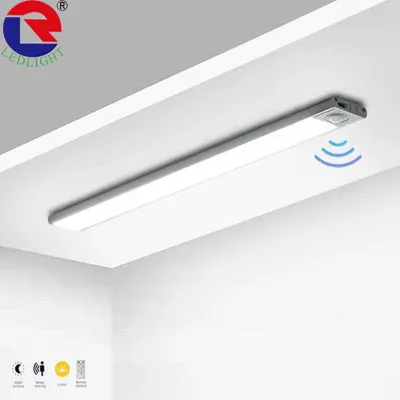



Comprehensive Sourcing Guide
Magnetic Dimmable Led Cabinet Light Sourcing Guide
Sourcing magnetic dimmable LED cabinet lights requires a careful balance between aesthetic integration and functional reliability. These fixtures are designed to provide task lighting in kitchens, closets, and retail displays while maintaining a low visual profile through their slim form factors. The magnetic mounting system allows for rapid installation and repositioning without drilling, which is a significant advantage for rental properties or frequent layout changes. Buyers must distinguish between true dimmable units and those with simple on/off motion sensors, as the control mechanism drastically affects the user experience and the complexity of the electrical integration.
The market offers a wide variety of configurations, from battery-operated wireless units to hardwired AC-powered models. Understanding the power source is the first critical decision, as it dictates the maintenance schedule and installation constraints. Battery-operated lights offer flexibility but require periodic charging or battery replacement, whereas hardwired units provide consistent performance but require professional electrical work. Procurement teams should evaluate the specific use case to determine whether the convenience of wireless installation outweighs the long-term operational costs of battery management.
Product Scope and Observed Listing Signals
Current market listings reveal a diverse range of specifications that buyers must navigate carefully. Observed price points vary significantly, ranging from approximately $0.85 to $50 USD, reflecting differences in build quality, component brands, and certification levels. The minimum order quantities (MOQ) also fluctuate widely, from single units for sampling to 1,000 pieces for bulk industrial procurement. This variance indicates that the market serves both small-scale interior designers and large-scale furniture manufacturers, requiring tailored sourcing strategies for each segment.
Specific product models observed in the market provide insight into the technical diversity available. For instance, models like RM-303 and LY3018 demonstrate different form factors and control theories, such as infrared control versus touch control. Some units are explicitly categorized as night lights or cabinet lights with specific lumen outputs, such as 19lm for the LY3027 or up to 210lm for the LY3018. Buyers should note that attributes like "magnetic" mounting are often paired with various power sources, including 1.5V*4, 3.7V, or 220V inputs, which must be matched to the intended application environment.
Technical Specifications to Verify
When evaluating technical specifications, the light source and color rendering index (CRI) are paramount for cabinet lighting applications. High-quality units typically utilize Epistar LED chips, which are known for reliability and consistent color temperature. Buyers should verify that the CRI is greater than 80 to ensure that colors of food, fabrics, or merchandise appear natural and vibrant under the light. The lumen output is another critical metric; while some compact units may offer as low as 19lm, larger or more powerful models can exceed 200lm, so the selection must align with the size of the cabinet and the required illumination level.
The control mechanism and sensing technology define the user interaction with the fixture. Many modern cabinet lights incorporate PIR (Passive Infrared) sensors for automatic activation, with sensing distances typically ranging from 4 to 6 meters. However, for dimmable applications, touch control or remote infrared control is often preferred to allow manual adjustment of brightness levels. Buyers must confirm whether the dimming function is integrated into the sensor module or requires a separate controller. Additionally, the charging time for battery-operated models, often around 2.5 hours, impacts usability and should be considered for high-traffic areas where frequent recharging is impractical.
Compliance and Safety Documentation
Compliance with regional safety and environmental standards is non-negotiable for international procurement. Products listed in the market often carry certifications such as CE, EMC, and LVD, which are essential for selling in European markets. Other listings may include RoHS compliance, indicating the absence of hazardous substances, which is increasingly important for sustainable procurement policies. Buyers must verify that the specific model they intend to purchase holds the relevant certifications for their target market, as generic listings may not reflect the compliance status of every SKU in a supplier’s catalog.
Electrical safety is particularly critical for hardwired units operating at 220V. These products must adhere to strict insulation and leakage current standards to prevent fire hazards or electric shock. For battery-operated units, the safety of the lithium-ion or alkaline battery cells is paramount, requiring protection against overcharging and short circuits. Buyers should request test reports from accredited laboratories to verify that the products meet the specific voltage and current requirements stated in the specifications, such as the 1.5V*4 or 3.7V inputs observed in various models.
Cost Drivers and Commercial Terms
The cost of magnetic dimmable LED cabinet lights is influenced by several key factors, including the brand of the LED chips, the complexity of the control circuitry, and the quality of the housing materials. Units featuring Epistar chips and advanced touch or infrared controls typically command higher prices than basic PIR sensor models. The packaging also affects the unit cost; products shipped in color boxes may have different handling and retail readiness compared to those in master cartons, which are optimized for bulk shipping and storage.
Commercial terms such as MOQ and lead times vary based on the customization options available. Many suppliers offer customization services, allowing buyers to tailor the light color, mounting style, or control mechanism to their specific needs. However, customized orders often come with higher MOQs and longer lead times. Buyers should negotiate clear terms regarding sample costs, which are often refundable upon placing a bulk order, and clarify who bears the responsibility for shipping and import duties. Understanding these commercial dynamics helps in budgeting accurately and avoiding unexpected costs during the procurement process.
Supplier Qualification and Quality Control
Selecting a reliable supplier requires due diligence beyond just reviewing product listings. Buyers should verify the supplier’s manufacturing capabilities and quality control processes, particularly for electronic components. Suppliers originating from regions like Ningbo, China, often have established supply chains for LED components and plastic molding, but the consistency of their output can vary. It is advisable to request samples from multiple suppliers to test the magnetic strength, dimming smoothness, and sensor sensitivity in real-world conditions.
Quality control checks should include visual inspections for defects in the housing and lens, as well as functional tests of the dimming and sensing features. Buyers should also assess the supplier’s warranty policies, with many offering a 2-year warranty on their products. A robust warranty indicates confidence in the product’s durability and provides a safety net for the buyer. Additionally, suppliers should be able to provide documentation of their production processes, including aging tests for LEDs and battery safety tests, to ensure long-term reliability.
Long-Term Procurement Checks
Long-term success in sourcing magnetic dimmable LED cabinet lights depends on establishing a sustainable supply chain and monitoring product performance over time. Buyers should track the failure rates of the units in the field, paying particular attention to issues such as sensor drift, battery degradation, or dimming flicker. Regular feedback from end-users can help identify design flaws or usability issues that were not apparent during the sampling phase. This data should be used to refine specifications and negotiate improvements with suppliers.
Furthermore, buyers should stay informed about changes in regulatory standards and technological advancements in LED lighting. As energy efficiency regulations tighten, suppliers may need to update their products to comply with new requirements. Maintaining a relationship with suppliers who are proactive about compliance and innovation ensures that the procurement pipeline remains aligned with market expectations. Periodic audits of supplier quality systems and re-evaluation of cost structures can help maintain competitiveness and product quality in the long run.
FAQs
What certifications do these magnetic dimmable LED cabinet lights have?
These lights carry CE, EMC, LVD, and RoHS certifications. Some models also include CCC certification. These standards ensure safety and compliance for electrical products in various international markets.
Can I customize the specifications for these LED cabinet lights?
Yes, customization is available for these products. Buyers can request specific adjustments to meet their unique requirements. This flexibility allows for tailored solutions in different commercial or residential settings.
Which voltage options are available for these magnetic dimmable lights?
Available voltage options include 220V, 3.7V, and battery configurations like 1.5V*4 or 1.5V*3. The specific voltage depends on the model selected. Ensure compatibility with your existing power supply before purchasing.
How long is the warranty period for these LED cabinet lights?
The standard warranty period for these lights is 2 years. This coverage protects against manufacturing defects and ensures product reliability. Buyers should retain proof of purchase to validate warranty claims effectively.
What is the typical lumen output for these magnetic dimmable lights?
Lumen output ranges from 19lm to 210lm depending on the specific model. Some units offer 60lm or 75lm, while others reach up to 210lm. Select the brightness level that best suits your cabinet lighting needs.
Which control theories are used in these magnetic dimmable LED lights?
These lights utilize Infrared Control and Touch Control theories. The control method varies by model, offering different user experiences. Choose the control type that aligns with your preferred interaction style for cabinet illumination.
What are the standard dimensions for these magnetic dimmable LED lights?
Standard dimensions vary by model, ranging from 24.5*20*26mm to 47*30*20cm. Specific models like LY3026 measure 24.5*20*26mm. Always check the product standard dimensions to ensure a proper fit in your cabinet.