Source Magnetic Electric Fishing Toy for Kids, Schools, and Events
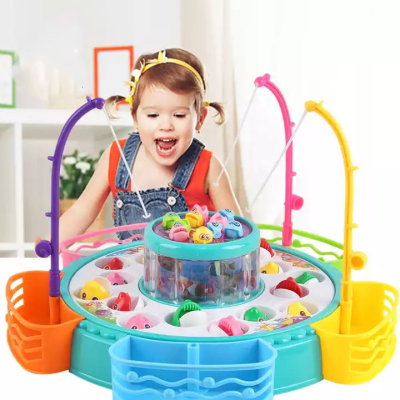
Source the Magnetic Electric Fishing Toy from 30 verified listings. Compare specifications like battery power, plastic materials, and packaging options to find the right fit for retail, educational, or promotional needs.
Key considerations
Products List
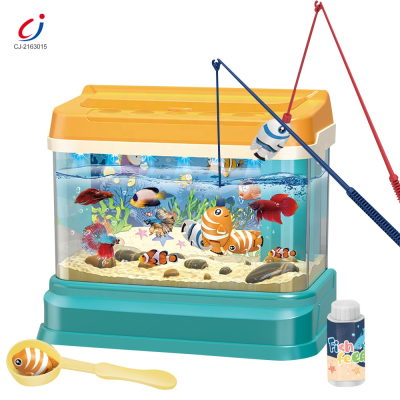
Simulation Funny Electric Aquarium Kids Educational Game Magnetic Fishing Toy
$4.48 - $5.54
MOQ: 120 pieces
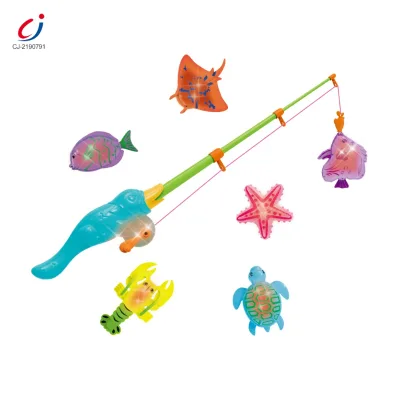


Neodymium Fish Magnet Fishing Big Size Neodymium Magnet Magnetic Fishing Toy
$5.00 - $20.00
MOQ: 100 Pieces
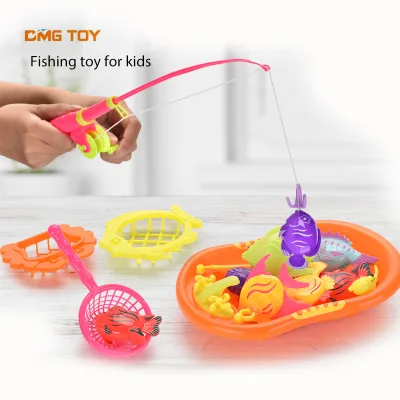

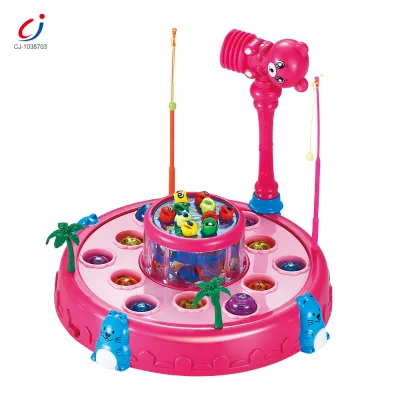
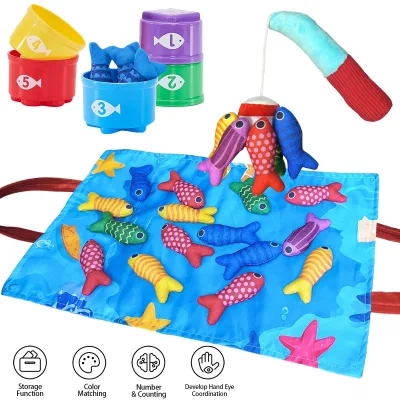

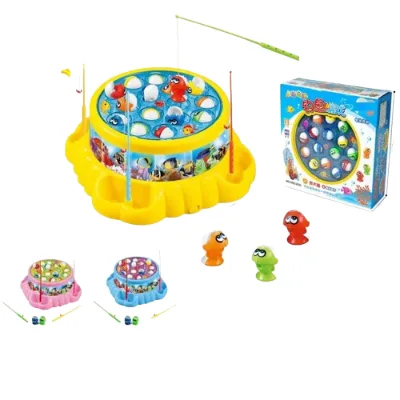
Comprehensive Sourcing Guide
Magnetic Electric Fishing Toy Sourcing Guide
Sourcing magnetic electric fishing toys requires a careful balance between playful engagement and strict safety compliance, particularly when targeting younger demographics. These toys typically combine electromechanical components with magnetic pickup mechanics to create an interactive experience for children. Buyers must navigate a supply chain that often spans multiple product tiers, from simple battery-operated units to more complex sets with varied packaging and certification requirements. The market offers a wide spectrum of options, ranging from basic single-item packages to bulk promotional sets, each with distinct logistical and regulatory implications.
The procurement process is heavily influenced by the specific age group being targeted, as this dictates the necessary safety standards and material choices. Products designed for toddlers require robust construction and non-toxic materials, while those aimed at older children may feature more intricate electronic features. Understanding the divergence in product attributes, such as power sources, packaging types, and magnet specifications, is essential for aligning supplier offerings with your brand’s quality expectations and market positioning.
Product Scope and Observed Listing Signals
The current market landscape for magnetic electric fishing toys reveals a diverse array of product configurations, often characterized by significant variations in packaging and unit quantity. Listings frequently indicate bulk packing metrics, such as 24 pieces per carton or 88 pieces per carton, which directly impact shipping efficiency and storage requirements. These quantities suggest that suppliers are catering to both retail-ready single-item sales and wholesale distribution channels, requiring buyers to carefully calculate the cost per unit based on the carton configuration rather than just the individual item price.
Material composition and power sources are critical differentiators in this category, with plastic construction and battery operation being standard features. Some products are explicitly marketed with specific magnet sizes, such as 5 mm diameters or 5x2mm dimensions, which influence the magnetic strength and the overall play experience. Additionally, the presence of "OEM Service" and customization options indicates that many manufacturers are prepared to adapt products for private labeling, allowing buyers to tailor the aesthetic and functional aspects of the toy to their specific brand identity.
Technical Specifications to Verify
When evaluating technical specifications, buyers must scrutinize the model numbers and physical dimensions to ensure compatibility with their logistics and retail requirements. Model identifiers such as CJ-2163015 or RFD352330 often correspond to specific packaging standards, with carton sizes ranging from compact 25.5x23.2x8 cm boxes to large industrial cartons measuring 90.3x33x101 cm. Verifying these dimensions is crucial for optimizing container loading and ensuring that the final product fits within the shelf space constraints of your target retail partners.
The electrical and magnetic components require precise verification to ensure consistent performance and safety. Buyers should confirm the flux index values, which may range from 20 KG2.mm2 to 30 KG2.mm2, as these metrics indicate the magnetic force available for catching fish. Furthermore, the power source must be clearly defined, with battery operation being a common requirement. It is also important to verify the single package size and gross weight, such as a single gross weight of 1.350 kg, to accurately calculate freight costs and handling requirements at the destination port.
Compliance and Safety Documentation
Safety compliance is non-negotiable for magnetic electric fishing toys, especially given the target age ranges which often include children as young as two years old. Certifications such as EN71 and BIS are critical indicators of adherence to international safety standards, ensuring that the toys meet rigorous requirements for mechanical, physical, and chemical safety. Buyers must request valid test reports and certificates for each specific model, as compliance can vary significantly between different product lines and manufacturing batches.
In addition to safety certifications, buyers should verify the presence of other relevant standards, such as ENASTM, which may apply depending on the destination market. The material composition, primarily plastic, must be free from harmful substances like phthalates or lead, which is often a key requirement for certifications in North America and Europe. It is also advisable to check for third-party inspection acceptance, as this provides an additional layer of assurance that the production process adheres to agreed-upon quality and safety protocols before shipment.
Cost Drivers and Commercial Terms
The pricing structure for magnetic electric fishing toys is influenced by several factors, including the complexity of the electronic components, the type of packaging, and the order volume. Observed price ranges can vary widely, from low-cost items around $1.12 to more premium sets exceeding $2700, reflecting the diversity in product quality and feature sets. Buyers should focus on the total landed cost, which includes not only the unit price but also shipping, insurance, and any applicable tariffs, rather than just the ex-works price.
Minimum Order Quantities (MOQs) are another significant commercial term that affects procurement strategy. MOQs can range from as low as 1 piece for sample orders to 240 pieces for bulk production, with some suppliers setting specific thresholds like 180 pieces for customized orders. Understanding these MOQs is essential for managing inventory risk and cash flow, particularly for new buyers who may need to start with smaller orders to test market response before committing to larger volumes.
Supplier Qualification and Quality Control
Supplier qualification involves verifying the manufacturer’s location and production capabilities, with many suppliers operating out of regions like Guangdong, China, or Shantou, which are known for toy manufacturing. Buyers should assess the supplier’s ability to provide OEM services, including logo printing and custom packaging, as these services can add value but also introduce complexity to the quality control process. It is important to confirm that the supplier has a robust quality management system in place to handle customized orders without compromising on safety or durability.
Quality control measures should be clearly defined in the purchase agreement, including provisions for third-party inspections. Buyers should specify the acceptance criteria for defects, such as broken magnets or faulty electrical connections, and ensure that the supplier allows for independent inspection before shipment. Additionally, verifying the supplier’s track record and customer reviews can provide insights into their reliability and responsiveness, helping to mitigate the risk of supply chain disruptions or quality issues.
Long-Term Procurement Checks
Long-term procurement success depends on establishing a sustainable relationship with suppliers who can consistently deliver high-quality products and adapt to changing market demands. Buyers should regularly review supplier performance metrics, including on-time delivery rates, defect rates, and responsiveness to issues, to ensure that the partnership remains beneficial. It is also important to stay updated on changes in safety regulations and certification requirements, as these can impact the viability of existing product lines.
Continuous improvement in product design and packaging can help maintain competitiveness in the market. Buyers should work with suppliers to explore new materials, more efficient packaging solutions, and enhanced electronic features that align with consumer trends. By maintaining open communication and fostering a collaborative relationship, buyers can leverage their suppliers’ expertise to innovate and improve their product offerings, ensuring long-term growth and customer satisfaction.
FAQs
What age ranges are suitable for these magnetic electric fishing toys?
These toys are designed for children aged 2 to 4 years and 5 to 7 years, with some models suitable for ages 14 and up. The specific age range depends on the model number and complexity, ensuring safety and engagement for different developmental stages.
Can I request custom branding or logo printing on these toys?
Yes, customization is available for these products, including full-color logo printing and logo stickers. Buyers can request specific branding to match their promotional needs or corporate identity, subject to the supplier's OEM service capabilities and minimum order requirements.
What certifications do these magnetic fishing toys hold for safety?
The products hold EN71, BIS, and ENASTM certifications to ensure safety compliance. These standards verify that the toys meet international safety requirements for materials and construction, making them suitable for export to markets with strict regulatory standards.
How are these toys packaged for shipping and retail display?
Packaging options include window boxes and color boxes depending on the specific model. The packaging dimensions vary by product, with some cartons holding 24 pieces while others hold up to 88, ensuring secure transport and attractive retail presentation.
What is the minimum order quantity for purchasing these toys?
The minimum order quantity ranges from 1 to 240 pieces depending on the supplier and specific model. Some listings indicate a standard MOQ of 180 pieces, while others may accept smaller trial orders to facilitate initial business relationships.
Where are these magnetic electric fishing toys manufactured?
These toys are manufactured in Guangdong, China, and Shantou, which are known hubs for toy production. The origin location ensures access to established supply chains and manufacturing expertise specific to plastic and battery-operated toy components.